Friday, August 28, 2026

Vaping Causes Range of Health Issues in Children, Review Finds
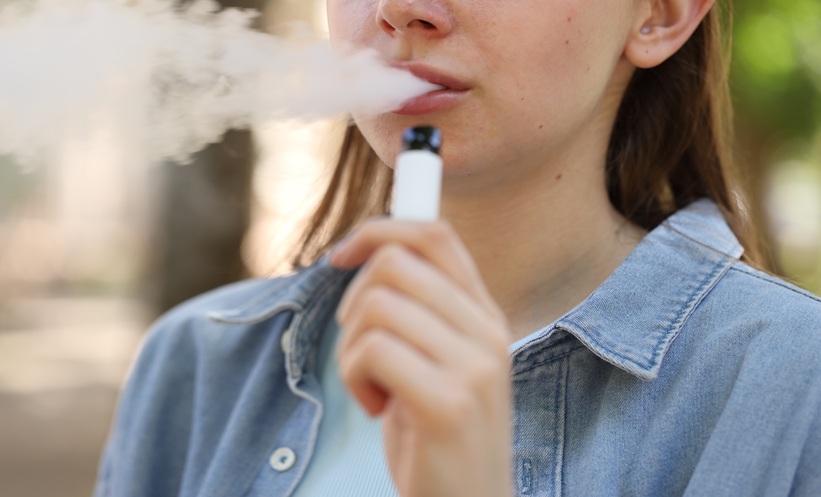
 Young girl vaping 

Key Summary:

  • A large review has found systematic evidence that vaping is linked to respiratory problems in young people.
  • Young people who vape are significantly more likely to go on to smoke cigarettes.
  • Experts are calling for tougher measures to protect children from vaping and nicotine addiction.

A SYSTEMATIC review has found consistent evidence that vaping leads to a range of serious health issues in children and young people. 

The UK’s Royal College of Paediatrics and Child Health (RCPCH) carried out one of the most comprehensive reviews to date, surveying tens of thousands of research studies across eight health and social domains, finding significant evidence for the short and long-term effects of vaping on those aged 12 to 19 years.

Vaping is On the Up

Vaping has grown exponentially in popularity over the last decade. In 2025, the World Health Organization estimated 100 million people vape globally, with 15 million of these being children between the ages of 13 and 15.2 

With hundreds of colours and flavours available, which appeal to the younger generation, what was once considered niche product has become a familiar part of many young people’s everyday lives. There continues to be an alarming increase in use of e-cigarettes among children and young people, with rates exceeding adult use in many countries.

The RCPCH review examined more than 14,000 published articles, assessed 325 full-text studies and synthesised evidence from 81 studies, providing a comprehensive overview of the evidence on the health implications of vaping for young people. 

Serious Implications for Children’s Health

Consistent evidence was found via the review for the link between vaping and poorer respiratory health, with young people who vape more likely to report cough, wheeze, bronchitis symptoms and asthma exacerbations.

Beyond just respiratory health, evidence was also found for the wider health impacts of vaping, including on oral and dental health, as well as emerging evidence for effects on sleep, eye health and allergies. 

The use of vapes was also associated with poorer mental health outcomes, including anxiety, depression and suicidal ideation. Evidence for adverse outcomes on infants and babies exposed to nicotine during pregnancy were also noted.  

Significantly, long-term studies showed that young people who use vapes are considerably more likely to go on to smoke cigarettes later in life.  

Tougher Measures Needed

Over the last five years, the UK government has introduced sweeping measures as part of the Tobacco and Vapes Act in an effort to curb the level of vaping, particularly in children and young people. These have included a complete ban on disposable vapes, as well as future plans to bring in restrictions on packages, colours, flavours and displays in retail settings.  

However, Professor Will Carroll, co-author of the systematic review, said that more needs to be done to solve this issue: 

“Vaping should not be seen as a harmless part of growing up. The evidence shows clear links with respiratory symptoms, nicotine dependence and subsequent cigarette smoking, while concerns about wider impacts on young people’s health continue to grow.” 

He continued: “The recently announced measures are welcome and must be implemented quickly. But if vaping is to remain a viable smoking cessation tool without attracting new users, Government must go further.  

“As paediatricians, we call on the Government to limit the types of flavours available, as opposed to just their descriptions.”4 

Clear and Concerning Picture

Dr Mike McKean, RCPCH vice-president for policy, agreed, saying: “Vaping is still a relatively new product, and there is much we do not yet know about its long-term impact on children and young people but a clear and concerning picture is emerging. Continued research and monitoring essential if we are to properly understand the risks and respond to emerging evidence. 

“The Tobacco and Vapes Act is an important step towards protecting children from nicotine addiction, but it must not be seen as a one-and-done solution.  

“We need to keep pace with a rapidly evolving market and continue to take action to protect children from nicotine products that are deliberately made and marketed to appeal to them,” he added.4 

Overall, the large review provides a stark picture of how vaping, a modern and continually emerging issue, effects the children and young people of today whilst encouraging stronger action to protect the them from its impact. 


This is only for your information, kindly take the advice of your doctor for food, medicines, exercises and so on.   

Labels: , , , , , , , ,

Sunday, September 14, 2025

Mallow: A Wonder-Plant with Amazing Health Benefits

 Mallow health benefits  

While many aren’t familiar with the mallow plant family which includes the marshmallow, musk mallow, common mallow and high mallow, they should be, as they offer many therapeutic properties. In this article we'll delve deeper into the high mallow, also known as Malva sylvestris. High Mallow is among the more nutritious and healthy plants and if you are considering incorporating it into your diet, you should know that it is tasty, healthy and full of medicinal properties and anti-inflammatory ingredients. To enjoy its qualities, read our guide to mallow's health benefits and some wonderful bonus recipes that make use of this delicious plant.

A little about mallow 
The mallow plant blooms between January and April and is at its peak after the rainy season, which causes the leaves to go soft and get a deeper taste. Since the flavor of mallow resembles the taste of spinach, you can swap almost any recipe with spinach or chard with an equal amount of mallow. You can use and eat the various parts of the plant: stalk, leaves, and fruit and add them to countless dishes. 
 
As already mentioned, mallow has many health and nutritional benefits and is considered in alternative and Chinese medicine to be very effective in treating a variety of problems and diseases. The plant is rich in protein, iron, minerals, and vitamins B, A and C, and also contains the antioxidants polyphenols, tannins, and flavonoids that fight free radicals in the body. In order to benefit from the healing benefits of mallow, it is recommended that you consume the plant extract as an infusion. 
 
Health Benefits of Mallow:

Treats a cough, phlegm, difficulty breathing, asthma and bronchitis 
 
Mallow contains polysaccharides with antiviral and antiseptic properties that help treat respiratory disorders and a chronic dry cough. The active ingredients of the plant help to remove mucus from the throat and have a calming effect in addition to their ability to treat asthma, bronchitis, emphysema and other respiratory diseases. The German Food and Drug Administration has officially confirmed the healing properties of the plant and has approved the use of the drugs containing mallow for the treatment of a sore throat and a dry cough.

Treats infections, skin sores, and burns 
 
The anti-inflammatory components of mallow are effective in treating a variety of skin problems. The plant is used to soothe rashes, wounds, burns, insect bites and eczema, since the polysaccharides, which nourish and soothe the skin, are also slightly anesthetic. If you suffer from dry, irritated skin affected by weather, rubbing mallow extract infusion on your skin will soften and moisturize it naturally. To soothe redness, swelling, and tingling, apply the mallow extract tea directly to the irritated area, or to use a cloth soaked in the plant’s sap. 

Protects the gums from infections  
 
The mallow leaves contain antibacterial and anti-inflammatory components that protect the gums and oral cavity from diseases and infection. The polyphenols present in the plant prevent the development of bacterial plaque by their ability to fight free radicals. Those of us who suffer from inflamed gums know that this is a disturbing and recurring phenomenon that affects our quality of life and many people find it difficult to find a permanent solution. Using mallow tea as a mouthwash may be a natural and effective way to treat the health of your oral cavity regularly. 
 
Relieves constipation and irritable stomach 
 
The mallow’s polysaccharide mucilages cause relaxation and lubrication of the intestinal walls and better absorption of food. This substance also helps to reduce gastric acidity which causes stomach discomfort. Eating mallow or consuming the plant as a tea infusion helps people who suffer from constipation, irritable stomach, and intestinal cramps and need a soothing supplement. In addition, the mallow is considered a laxative plant and is used in a variety of dietary supplements to relax and calm the stomach. 
 
Treatment of kidney stones and urinary tract infections 
 
Many people use cranberry juice as a means of reducing burning sensations, frequency, and urgency in urination and pain in the lower abdomen, but it is far from being the only natural remedy for this problem. The mallow plant is an excellent alternative to treating such problems because it has an anti-inflammatory component that helps in the healing of such infections. Mallow has another important feature in this context - it is a diuretic that helps clean up waste from the kidneys and prevents the development of stones in them.

Anti-aging properties and its use in natural cosmetics  
 
The use of home masks and facial creams that contain mallow plant extract are effective for the treatment of premature aging of the skin. Cosmetic companies use plant extracts in various cosmetic products such as soaps, makeup, and skincare products. The reason for this is that mallow is rich in components that fight free radicals which damage our skin cells and cause wrinkles. In addition, vitamin A gives the skin a radiant and younger look. It is also effective for hair care and is recommended for use in people with fragile hair. Applying moisturizing essences or infusions to the skin can contribute greatly to its health and restore its elasticity and strength. 
 
Prevents prostate cancer and strengthens the immune system 
 
Like other leafy greens, mallow is rich in chlorophyll, a green, anti-carcinogenic pigment that cleans our internal organs. Beyond its ability to prevent various types of cancer, it is particularly effective in preventing and healing prostate cancer. Researchers who studied the mallow plant discovered a substance called beta-sitosterol, which is known for its ability to prevent tumors in the prostate gland. The plant can be used as a preventative measure for people at risk of developing this cancer. 
 
Beta-sitosterol is a substance that also helps the white blood cells function in our immune system, which are necessary for fighting various diseases. This means that consuming the mallow plant contributes greatly to cancer patients undergoing immunosuppressant therapies. In a study that examined the use of mallow for prostate cancer patients who had radiotherapy and had pain during urination, researchers found that the plant significantly reduced patient pain. Even people who do not have a chronic disease can benefit from strengthening the immune system using the herb, but it is important to do so only after consulting a healthcare professional.

Treats Insomnia 
 
Mallow plant extract can be found in a variety of numbing, insomnia, anxiety and stress medications, and even in the anesthetics that dentists use. The various components of the plant help calm the nervous system and promote a sense of peace and relaxation. A 2013 study also demonstrated the efficacy of mallow extract in the treatment of sleep disorders compared to the use of a drug similar to valium. If you suffer from sleep disorders and find it difficult to fall asleep at night, it is time to go out outdoors and pick yourself some mallow to solve the problem. You can drink mallow tea before bedtime, or use the oil extracted from the plant.

For recipes using mallow leaves and flowers, kindly see my recipe blog.


This is only for your information, kindly take the advice of your doctor for medicines, exercises and so on.   

https://gscrochetdesigns.blogspot.com. one can see my crochet creations  
https://gseasyrecipes.blogspot.com. feel free to view for easy, simple and healthy recipes    
https://kneereplacement-stickclub.blogspot.com. for info on knee replacement
https://GSiyers home remedies.blogspot.com   is the latest addition to my blogs


Labels: , , , , , , , , , , , , , , , ,

Monday, July 01, 2024

9 ‘Contagious’ Conditions That Are Not Truly Contagious

The outbreak of Covid-19 made us all acutely aware of infectious diseases and how they can spread. The problem is, symptoms for contagious and non-contagious conditions often overlap, making it hard to know how alert we should be. While taking precautions like frequent hand-washing is never a bad idea, it is also important to be aware that not all diseases are infectious. In fact, some conditions have a false reputation of being highly contagious when it is, in fact, not true at all. The following 9 conditions cannot be transmitted from person to person, though many people believe the opposite.


1. Pneumonia and Bronchitis
9 Conditions You Think Are Contagious But Aren't, pneumonia and bronchitis

Both of these conditions are the result of respiratory infections - pneumonia infects the lungs while bronchitis is an inflammation of the airways. Whether or not these diseases are contagious depends on what caused them. 
 
Two types of pneumonia that can’t be spread from person to person are fungal pneumonia, which is contracted from the environment, and aspiration pneumonia, which occurs when food or liquid is inhaled into the lungs. Bacterial pneumonia, however, is indeed contagious and is also the most widespread cause of the disease, according to the American Lung Association. Yet, healthcare experts claim it isn’t as infectious as most of us think. The microorganisms that travel from person to person will not automatically lead to pneumonia but might have a much milder effect depending on the individual. 
 
The case for bronchitis is very similar. Acute bronchitis, which is caused by a virus, is contagious, while chronic bronchitis isn’t. The latter is an ongoing condition often caused by long-term smoking or exposure to environmental pollutants.


2. Psoriasis
9 Conditions You Think Are Contagious But Aren't, psoriasis
When we see someone suffering from a skin condition, it is easy to make the mistake of thinking it can be transmitted by touch. While we can’t cover all skin afflictions in one article, we can assure you that one of the most common conditions, psoriasis, is not contagious at all. Psoriasis affects about 2% of the American population and has nothing to do with germs or bacteria that can be passed between people. Rather, it’s an autoimmune condition in which the immune system attacks the skin. Telltale signs of psoriasis include red, itchy patches of skin with white scales on top, mainly found on the elbows, knees, and scalp.

 
3. Ear Infection
Ear infections in itself are not contagious, and can’t be ‘caught’. In fact, one of the common causes is water in your ears. The bad news is that oftentimes, ear infections are a complication of the common cold, as the virus leads to fluid buildup in the middle ear. “Due to congestion caused by the cold, the inner ear fills up with fluid and can become secondarily infected by bacteria; these stay in the ear and are therefore not contagious,” explains Matthew Mintz, MD, clinical associate professor of medicine at the George Washington University School of Medicine.

It is important to note that if an ear infection started with a cold and the patient still has cold symptoms, those can still be contagious.

 
4. Rosacea
9 Conditions You Think Are Contagious But Aren't, rosacea
Rosacea is another widespread visible skin condition, which isn’t contagious nor is it caused by bad hygiene. Rosacea, which hits approximately 14 million Americans, can be recognized by redness, visible blood vessels in the face, and sometimes acne-like breakouts. The causes of rosacea are unknown, but experts theorize it is a combination of genetics and environmental factors. Flare-ups can be triggered by a number of things including hot drinks and spicy foods.
 
The National Rosacea Society explains that antibiotics used to treat rosacea may be effective because they help to combat inflammation, not because they’re killing bacteria.


5. Lyme disease
9 Conditions You Think Are Contagious But Aren't, Lyme Disease
When it comes to Lyme Disease the only ones who are contagious are the infected ticks, according to the CDC. The bacteria-based disease can only be transmitted when a tick attaches to your skin and feasts on your blood. It cannot be transmitted between humans in any way, not through casual contact and not even through kissing. 
 
Pets aren’t infectious either, though they can carry ticks into your home.


6.Malaria
9 Conditions You Think Are Contagious But Aren't, Malaria
Similarly to Lyme disease, mosquitos are the only ones guilty of spreading malaria. Only certain species of mosquitoes of the Anopheles genus - and only the females of those species - can transmit the potentially deadly disease. When they bite you, malaria parasites are released into your bloodstream. Symptoms include fever, headaches, muscle pains, feeling hot and shivering, jaundice, among others. 
 
While malaria cannot be transmitted from person to person, it infects red blood cells, which means you could get it through a blood transfusion, by sharing an infected needle, or during pregnancy or childbirth.

 
7. Tetanus
9 Conditions You Think Are Contagious But Aren't, Tetanus, woman walking barefoot
Have you ever been scolded as a child because you were walking barefoot outside? The danger of tetanus likely had something to do with it. Tetanus, also referred to as lockjaw, causes intense muscle spasms which leads to a ‘locking' of the jaw and difficulty in opening the mouth and swallowing. The bacteria responsible for this disease is mainly found in soil, saliva, dust, and manure. 
 
It enters the body through broken skin; the CDC points out that likely ways to get tetanus are via puncture wounds (like from stepping on a nail), wounds that get dirty, and burns. Infected individuals are not contagious. You can get vaccinated against tetanus, and a booster shot is required every 10 years. 
 
 
8. Cellulitis
9 Conditions You Think Are Contagious But Aren't, Cellulitis
Cellulitis is caused by bacteria that live on the outer layer of our skin and are often harmless, most commonly group A strep. It becomes a problem, however, when the bacteria penetrate deep into the skin. “If there is damage — either from a cut, recent surgery, or even athlete’s foot — that damage can allow in bacteria, which can affect the deeper layers of the skin,” explains Dr. Mintz. This can result in a serious infection, characterized by swelling, redness, and fluid-filled blisters. The infected area will typically be warm and painful to touch. 
 
While cellulitis needs to be taken seriously, as it can deteriorate into a life-threatening condition, it isn’t contagious. If there is pus or oozing fluid, however, which is not typical for cellulitis, this material can spread infection.


9. Legionnaires Disease
Legionnaires' disease is a rare form of pneumonia caused by the legionella bacteria. It typically begins with fever, headaches, and muscle aches. By the second or third day, people also develop a cough, chest pain, nausea, vomiting, and confusion or other mental changes. Outbreaks of legionnaires disease are likely, although the disease isn't contagious. 
 
This is because the culprits are contaminated water supplies. According to the National Institutes of Health, exposure can come from faucets, showers, whirlpools, and the ventilation systems of large buildings. Transmission can only occur when a person inhales mist or water droplets that contain the legionella bacteria. 
 
Not everyone who is exposed to the bacteria will contract the disease. Those at higher risk groups are people over 50, especially if they have a weakened immune system due to chronic illness or smoking.


This is only for your information, kindly take the advice of your doctor for medicines, exercises and so on.   

https://gscrochetdesigns.blogspot.com. one can see my crochet creations  
https://gseasyrecipes.blogspot.com. feel free to view for easy, simple and healthy recipes    
https://kneereplacement-stickclub.blogspot.com. for info on knee replacement
https://cancersupportindia.blogspot.com  for infor on cancer and health related topics
https://GSiyers home remedies.blogspot.com   is the latest addition to my blogs. I'm going to add posts there, do give me your valuable feed back on my blogs. Thanks a lot, take care, be healthy and be happy.

Labels: , , , , , , , , , ,

Friday, December 08, 2023

Myth or Fact? What's True about Pneumonia?

Pneumonia is a prevalent respiratory infection that affects millions of people worldwide. According to the World Health Organization (WHO), pneumonia causes inflammation in the air sacs, known as alveoli, in either one or both lungs. When these alveoli become filled with pus or fluid, it hampers the intake of oxygen, leading to breathing difficulties. Pneumonia happens when the organism overwhelms the host's immunity, resulting in lung damage and compromised lung function.

Common symptoms include a dry cough or thick yellow, green, or blood-stained mucus, a high fever, trouble breathing, acute chest discomfort, sweating, and shaking. Experts believe that early detection and annual immunizations can help minimize the chance of acquiring pneumonia and the severity of the condition

Even though pneumonia is so widespread and can strike anywhere and anytime, there are various myths and misconceptions about it. These myths can lead to misunderstandings regarding the disease's etiology, symptoms, and prevention. By addressing some common pneumonia myths in this article, we hope to increase awareness and understanding of this disease. 
 
Myth 1: Pneumonia is just a severe form of common cold
While there is some overlap in symptoms, it is important to distinguish pneumonia from the common cold. Colds are viral infections of the upper respiratory tract, as opposed to pneumonia, which is an infection of the lung parenchyma - a complex network of thin-walled alveoli that facilitate gas exchange. In addition to the usual cold symptoms, pneumonia can cause difficulty breathing, fever with chills, and the expectoration of phlegm, mucus, or blood. Furthermore, the approaches to treating pneumonia and the common cold differ. 
 
The common cold usually affects the upper respiratory tract rather than the lungs, resulting in normal oxygen levels in the lungs and a milder duration of sickness. In contrast, pneumonia poses a greater threat, especially for people with compromised immune systems, and its symptoms are more severe and persistent than the typical cold. Seeking medical advice is crucial when experiencing persistent flu-like symptoms. 
 
Myth 2: Pneumonia is highly contagious
Generally, pneumonia is not considered contagious in isolation; its transmissibility depends on the specific germ responsible for the infection. Viruses like influenza (flu) and COVID-19, or bacteria from sinus infections, can spread through respiratory droplets when an infected person sneezes, coughs, or contaminates surfaces.

Aspiration pneumonia results from inhaling food, liquid, vomit, or objects into the lungs, which must be distinguished from non-contagious pneumonias such as fungal pneumonia. 
 
To reduce the risk of pneumonia, it is imperative to take precautions against the transmission of underlying infections. This includes observing practices like regular handwashing, practicing proper cough and sneeze etiquette, and avoiding contact with individuals exhibiting symptoms of illness. 
 
Myth 3: Bronchitis and pneumonia are the same disease
Although bronchitis and pneumonia can occur simultaneously, they target different segments of the respiratory system. Bronchitis leads to inflammation in the lung tubes, whereas pneumonia impacts the lung tissue responsible for oxygen absorption into the bloodstream. A precise diagnosis, often assisted by medical tests, is required for proper treatment.
 
Myth 4: Pneumonia only affects children
children
Pneumonia is an infection that can affect individuals across all age groups. Young children and the elderly tend to be more susceptible to this disease, possibly due to the underdeveloped immune systems in children and the compromised immunity in older individuals, often compounded by comorbid conditions such as high blood pressure, diabetes, and obesity. Those over 65 years old with pneumonia are particularly at a heightened risk of facing complications, hospitalization, and mortality.


Myth 5: Pneumonia only happens in winter 
Although pneumonia, the flu, and RSV are more prevalent in the colder months, medical experts clarify that pneumonia can occur at any time. Pneumonia-causing germs persist year-round, so we must adopt preventive measures for overall well-being. 


Myth 6: Antibiotics cure all types of pneumonia 
Antibiotics are effective against bacterial pneumonia but not against viral pneumonia. Your healthcare provider will prescribe the most appropriate treatment depending on the specific cause of your pneumonia. It's crucial to avoid taking antibiotics unnecessarily, as this can lead to antibiotic resistance. If you have viral pneumonia, your doctor will most likely guide you on how to manage your symptoms at home, which may include over-the-counter (OTC) medications. 
 
In the case of bacterial infections, you must complete the entire course of antibiotics as prescribed by your healthcare provider. If you have fungal pneumonia, your provider may use antifungal medication to eliminate or prevent the growth of harmful fungi in your body. Hospitalization may be necessary if your symptoms are severe. 
 
 
Myth 7: Pneumonia poses no risk to healthy people
A healthy person can get pneumonia if they are exposed to the pneumonia-causing organism for an extended period of time, although this is rare. When a healthy person's immunity is overcome by the pneumonia-causing bacterium, pneumonia may develop. In healthy people, the mild nature of pneumonia helps facilitate a faster recovery. The American Lung Association warns that, while most people recover from pneumonia within a few weeks, it can potentially be fatal. 
 
 
Myth 8: Pneumonia cannot be prevented
Pneumonia can be effectively prevented through various means. This includes receiving flu shots and annual influenza vaccines, which significantly lower the likelihood of contracting pneumonia. Additionally, antibiotics are often prescribed for pneumonia treatment. High-risk individuals can further reduce their risk by receiving the pneumococcal conjugate vaccine (PCV13), followed by the pneumococcal polysaccharide vaccine (PPSV23), particularly effective against Streptococcus pneumoniae, the most common bacterial culprit of pneumonia. These vaccines are routinely recommended for children, the elderly, and those with compromised immune systems. Maintaining well-controlled comorbidities, such as diabetes, also plays a crucial role in reducing susceptibility to pneumonia.
 
Handwashing with soap, according to a 2005 study published in The Lancet medical journal, can reduce the incidence of pneumonia in children under the age of five by 50%. Adopting a healthy lifestyle, engaging in regular physical activity, having a balanced diet, stopping smoking, getting enough sleep, and wearing masks in public areas all help to prevent pneumonia.


This is only for your information, kindly take the advice of your doctor for medicines, exercises and so on.   

https://gscrochetdesigns.blogspot.com. one can see my crochet creations  
https://gseasyrecipes.blogspot.com. feel free to view for easy, simple and healthy recipes    
https://kneereplacement-stickclub.blogspot.com. for info on knee replacement
https://cancersupportindia.blogspot.com  for infor on cancer and health related topics
https://GSiyers home remedies.blogspot.com   is the latest addition to my blogs. I'm going to add posts there, do give me your valuable feed back on my blogs. Thanks a lot, take care, be healthy and be happy.

Labels: , , , ,