Saturday, September 27, 2025

This Humble Supefood Deserves More Attention!

Nutrient-rich and often overlooked, wheat germ is a tiny powerhouse that packs a serious punch. While it might not seem like much, this small part of the wheat kernel is loaded with vitamins, minerals, and other essential nutrients. For those looking to add more nutrition to their diet without making drastic changes, wheat germ could be the perfect solution. 
 
There are many health benefits associated with this superfood, including improved heart health and digestion. If you’re someone trying to eat healthier, wheat germ is versatile and easy to incorporate into your meals. Read on to uncover why this humble ingredient deserves more attention. 
 
Nutritional Profile of Wheat Germ
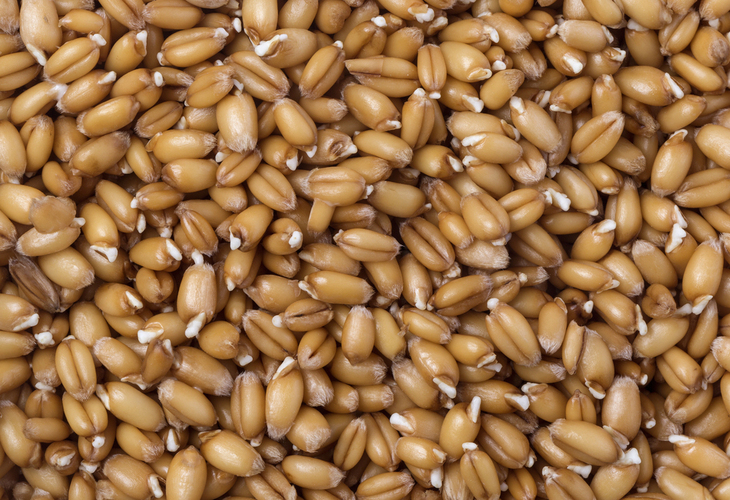
 
Wheat Germ

Wheat germ is a powerhouse of essential nutrients, including vitamin E, folate, magnesium, zinc, and iron. It also contains a significant amount of protein and fiber, making it an excellent addition to a balanced diet. The combination of antioxidants and minerals supports cellular health, energy production, and immune function. A tablespoon or two of wheat germ can deliver a noticeable nutritional boost without adding unnecessary calories.

Wheat germ also contains antioxidants and healthy fats, making it a well-rounded addition to your diet. 
 
1. A great source of antioxidants 
Wheat germ is rich in antioxidants, particularly vitamin E, which helps protect your body against free radicals. These unstable molecules can cause oxidative stress, leading to chronic illnesses like cancer, heart disease, and premature aging. Including wheat germ in your meals can help combat this damage and keep your cells healthy. Additionally, antioxidants play a role in strengthening your immune system, ensuring your body can fight off infections effectively. 
 
This makes wheat germ an excellent choice for anyone looking to boost their long-term health naturally and deliciously. 
 
2. Promotes heart health
The nutrients in wheat germ—like magnesium, folate, and unsaturated fats—are fantastic for heart health. Magnesium helps regulate blood pressure, while folate supports healthy circulation by reducing homocysteine levels in the blood. Additionally, the plant sterols in wheat germ are known to lower cholesterol levels, further reducing the risk of heart disease. Adding a tablespoon of wheat germ to your oatmeal or smoothie could be a simple yet effective way to care for your heart daily. 
 
3. Boosts energy levels 
If you’re feeling sluggish, wheat germ might be the answer. Packed with B vitamins, including thiamine, riboflavin, and niacin, it helps convert food into energy more efficiently. These nutrients are essential for maintaining stamina throughout the day. 
 
Athletes often include wheat germ in their diets because of its ability to provide a natural energy boost without the sugar crash associated with processed snacks. Sprinkle some on your breakfast to kick-start your day with long-lasting energy.
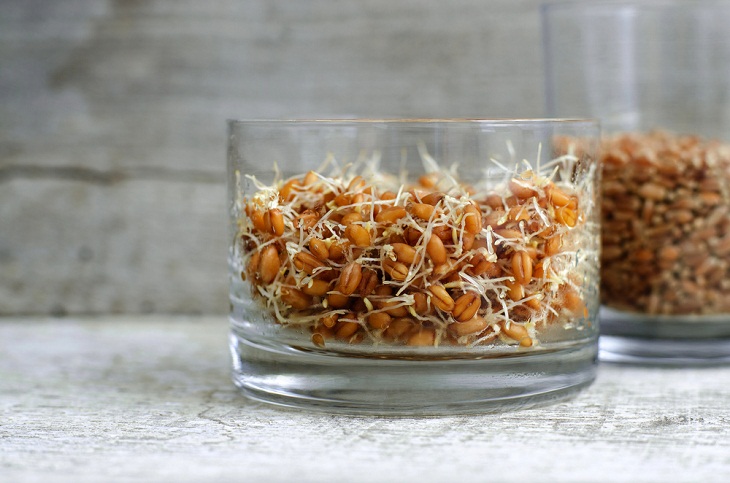
4. Supports digestive health 
Wheat germ is a good source of dietary fiber, which is essential for a healthy digestive system. Fiber helps regulate bowel movements, preventing constipation and promoting overall gut health. A diet high in fiber has also been linked to a reduced risk of colorectal cancer. 
 
The insoluble fiber in wheat germ adds bulk to your stool, while the soluble fiber nourishes the good bacteria in your gut. This makes it a win-win for your digestive tract. 

5. Helps in muscle recovery
 
Wheat Germ
Thanks to its high protein content, wheat germ is great for muscle repair and recovery. Protein helps rebuild muscle tissues after workouts, making it an excellent addition to a post-exercise snack. The magnesium and potassium in wheat germ also play a role in reducing muscle cramps and soreness. 
 
For athletes or fitness enthusiasts, including wheat germ into shakes or snacks could help speed up recovery and improve performance.

6. Improves skin health 
The vitamin E content in wheat germ makes it a natural choice for glowing skin. This powerful antioxidant reduces inflammation, combats dryness, and protects your skin from UV damage. Additionally, the fatty acids in wheat germ moisturize your skin from the inside out, leaving it soft and supple. Many skincare products include wheat germ oil, but consuming the raw germ can offer even more benefits for your skin’s health. 
 
7. Strengthens the immune system
Your immune system relies on several nutrients found in wheat germ, such as zinc, vitamin E, and B vitamins. Zinc, in particular, is crucial for immune cell production, while vitamin E helps your body fend off infections.

Regularly including wheat germ in your meals can help you build a stronger defense against seasonal illnesses and infections. It’s a simple way to keep your immunity in check without resorting to supplements.
 
8. Aids in weight management  
Wheat germ is nutrient-dense but low in calories, making it an ideal addition to a weight management plan. The fiber in wheat germ helps you feel fuller for longer, reducing the likelihood of overeating or snacking between meals. 
 
Its protein content also plays a role in curbing hunger by regulating appetite hormones. Incorporating wheat germ into your diet can support healthy weight loss without sacrificing essential nutrients. 
 
9. Enhances brain function
The B vitamins and omega-3 fatty acids in wheat germ are known to improve brain health. These nutrients help maintain proper cognitive function and may reduce the risk of neurodegenerative conditions like Alzheimer’s disease. 
 
Additionally, the magnesium in wheat germ helps regulate nerve signals, ensuring your brain stays sharp. Adding wheat germ to your diet could be a step toward better mental clarity and focus. 
 
10. Supports reproductive health  
Wheat germ contains essential nutrients like zinc and folate, which play a key role in reproductive health for both men and women. Zinc supports sperm production and overall male fertility, while folate is crucial for women trying to conceive as it helps prevent birth defects. 
 
Including wheat germ into your meals is a simple way to support reproductive wellness naturally. It’s a nutrient-packed food that benefits people of all ages.


This is only for your information, kindly take the advice of your doctor for medicines, exercises and so on.   


Labels: , , , , , , , , , , ,

Sunday, September 14, 2025

Mallow: A Wonder-Plant with Amazing Health Benefits

 Mallow health benefits  

While many aren’t familiar with the mallow plant family which includes the marshmallow, musk mallow, common mallow and high mallow, they should be, as they offer many therapeutic properties. In this article we'll delve deeper into the high mallow, also known as Malva sylvestris. High Mallow is among the more nutritious and healthy plants and if you are considering incorporating it into your diet, you should know that it is tasty, healthy and full of medicinal properties and anti-inflammatory ingredients. To enjoy its qualities, read our guide to mallow's health benefits and some wonderful bonus recipes that make use of this delicious plant.

A little about mallow 
The mallow plant blooms between January and April and is at its peak after the rainy season, which causes the leaves to go soft and get a deeper taste. Since the flavor of mallow resembles the taste of spinach, you can swap almost any recipe with spinach or chard with an equal amount of mallow. You can use and eat the various parts of the plant: stalk, leaves, and fruit and add them to countless dishes. 
 
As already mentioned, mallow has many health and nutritional benefits and is considered in alternative and Chinese medicine to be very effective in treating a variety of problems and diseases. The plant is rich in protein, iron, minerals, and vitamins B, A and C, and also contains the antioxidants polyphenols, tannins, and flavonoids that fight free radicals in the body. In order to benefit from the healing benefits of mallow, it is recommended that you consume the plant extract as an infusion. 
 
Health Benefits of Mallow:

Treats a cough, phlegm, difficulty breathing, asthma and bronchitis 
 
Mallow contains polysaccharides with antiviral and antiseptic properties that help treat respiratory disorders and a chronic dry cough. The active ingredients of the plant help to remove mucus from the throat and have a calming effect in addition to their ability to treat asthma, bronchitis, emphysema and other respiratory diseases. The German Food and Drug Administration has officially confirmed the healing properties of the plant and has approved the use of the drugs containing mallow for the treatment of a sore throat and a dry cough.

Treats infections, skin sores, and burns 
 
The anti-inflammatory components of mallow are effective in treating a variety of skin problems. The plant is used to soothe rashes, wounds, burns, insect bites and eczema, since the polysaccharides, which nourish and soothe the skin, are also slightly anesthetic. If you suffer from dry, irritated skin affected by weather, rubbing mallow extract infusion on your skin will soften and moisturize it naturally. To soothe redness, swelling, and tingling, apply the mallow extract tea directly to the irritated area, or to use a cloth soaked in the plant’s sap. 

Protects the gums from infections  
 
The mallow leaves contain antibacterial and anti-inflammatory components that protect the gums and oral cavity from diseases and infection. The polyphenols present in the plant prevent the development of bacterial plaque by their ability to fight free radicals. Those of us who suffer from inflamed gums know that this is a disturbing and recurring phenomenon that affects our quality of life and many people find it difficult to find a permanent solution. Using mallow tea as a mouthwash may be a natural and effective way to treat the health of your oral cavity regularly. 
 
Relieves constipation and irritable stomach 
 
The mallow’s polysaccharide mucilages cause relaxation and lubrication of the intestinal walls and better absorption of food. This substance also helps to reduce gastric acidity which causes stomach discomfort. Eating mallow or consuming the plant as a tea infusion helps people who suffer from constipation, irritable stomach, and intestinal cramps and need a soothing supplement. In addition, the mallow is considered a laxative plant and is used in a variety of dietary supplements to relax and calm the stomach. 
 
Treatment of kidney stones and urinary tract infections 
 
Many people use cranberry juice as a means of reducing burning sensations, frequency, and urgency in urination and pain in the lower abdomen, but it is far from being the only natural remedy for this problem. The mallow plant is an excellent alternative to treating such problems because it has an anti-inflammatory component that helps in the healing of such infections. Mallow has another important feature in this context - it is a diuretic that helps clean up waste from the kidneys and prevents the development of stones in them.

Anti-aging properties and its use in natural cosmetics  
 
The use of home masks and facial creams that contain mallow plant extract are effective for the treatment of premature aging of the skin. Cosmetic companies use plant extracts in various cosmetic products such as soaps, makeup, and skincare products. The reason for this is that mallow is rich in components that fight free radicals which damage our skin cells and cause wrinkles. In addition, vitamin A gives the skin a radiant and younger look. It is also effective for hair care and is recommended for use in people with fragile hair. Applying moisturizing essences or infusions to the skin can contribute greatly to its health and restore its elasticity and strength. 
 
Prevents prostate cancer and strengthens the immune system 
 
Like other leafy greens, mallow is rich in chlorophyll, a green, anti-carcinogenic pigment that cleans our internal organs. Beyond its ability to prevent various types of cancer, it is particularly effective in preventing and healing prostate cancer. Researchers who studied the mallow plant discovered a substance called beta-sitosterol, which is known for its ability to prevent tumors in the prostate gland. The plant can be used as a preventative measure for people at risk of developing this cancer. 
 
Beta-sitosterol is a substance that also helps the white blood cells function in our immune system, which are necessary for fighting various diseases. This means that consuming the mallow plant contributes greatly to cancer patients undergoing immunosuppressant therapies. In a study that examined the use of mallow for prostate cancer patients who had radiotherapy and had pain during urination, researchers found that the plant significantly reduced patient pain. Even people who do not have a chronic disease can benefit from strengthening the immune system using the herb, but it is important to do so only after consulting a healthcare professional.

Treats Insomnia 
 
Mallow plant extract can be found in a variety of numbing, insomnia, anxiety and stress medications, and even in the anesthetics that dentists use. The various components of the plant help calm the nervous system and promote a sense of peace and relaxation. A 2013 study also demonstrated the efficacy of mallow extract in the treatment of sleep disorders compared to the use of a drug similar to valium. If you suffer from sleep disorders and find it difficult to fall asleep at night, it is time to go out outdoors and pick yourself some mallow to solve the problem. You can drink mallow tea before bedtime, or use the oil extracted from the plant.

For recipes using mallow leaves and flowers, kindly see my recipe blog.


This is only for your information, kindly take the advice of your doctor for medicines, exercises and so on.   

https://gscrochetdesigns.blogspot.com. one can see my crochet creations  
https://gseasyrecipes.blogspot.com. feel free to view for easy, simple and healthy recipes    
https://kneereplacement-stickclub.blogspot.com. for info on knee replacement
https://GSiyers home remedies.blogspot.com   is the latest addition to my blogs


Labels: , , , , , , , , , , , , , , , ,

Sunday, March 09, 2025

7 benefits of drinking coconut water in the morning

Drinking coconut water in the morning, especially on an empty stomach, is a refreshing and healthy way to start your day. Packed with essential nutrients, it offers a wide range of benefits. So, next time you think about what to drink in the morning, reach for a glass of coconut water.


1. Strengthens Immunity

Coconut water is rich in vitamin C, which is crucial for strengthening your immune system. When consumed first thing in the morning, it helps prepare your body to fight off infections and illnesses throughout the day. The antioxidants in coconut water also play a role in neutralising harmful free radicals in the body, promoting a healthier immune response.


2. Improves Digestion

One of the major benefits of drinking coconut water is that it helps improve digestion. It contains enzymes that help break down food and promote healthy digestion. Drinking coconut water on an empty stomach can stimulate your digestive system, preventing issues like indigestion, bloating, and acidity. It is a natural way to keep your digestive tract healthy. 


3. Helps with Weight Loss
 Coconut water is a low-calorie drink that can help with weight loss. It is naturally hydrating and can curb unnecessary cravings by keeping you full for longer. Additionally, the high potassium content in coconut water helps balance electrolytes in the body, which supports a healthy metabolism. Drinking it on an empty stomach helps avoid overeating, reducing the number of calories consumed.
 
 
4. Keeps you hydrated
 Your body loses water while you sleep, and starting your day with coconut water helps rehydrate and replenish lost fluids. Coconut water is packed with electrolytes like potassium,sodium, and magnesium, which help keep your body hydrated and maintain a proper fluid balance. Staying hydrated in the morning can improve your energy levels, enhance brain function, and keep your skin looking fresh and radiant throughout the day. 

5. Regulates Blood Sugar Levels

Coconut water can help regulate blood sugar levels, making it beneficial for individuals with diabetes or those looking to maintain stable blood sugar. It contains bioactive enzymes that help in reducing blood sugar spikes and improving insulin sensitivity. Drinking coconut water in the morning on an empty stomach helps stabilise blood sugar levels and prevent crashes during the day.


6. Detoxifies the Body
Coconut water acts as a natural detoxifier. It has diuretic properties, meaning it helps flush out toxins from your body by promoting healthy urination. This can help your kidneys eliminate waste and support overall organ function. Drinking coconut water in the morning ensures that your body removes impurities, helping you feel refreshed and light throughout the day.
 
 
7. Good for skin
 Coconut water is known for its skin benefits as well. The antioxidants, vitamins, and minerals found in coconut water can improve skin hydration and reduce signs of ageing. It helps repair skin cells, fight acne, and promote a glowing skin tone. Drinking coconut water on an empty stomach keeps your skin hydrated and provides the nutrients it needs, giving you that fresh, dewy look throughout the day.


This is only for your information, kindly take the advice of your doctor for medicines, exercises and so on.   


Labels: , , , , , , ,

Monday, January 10, 2022

Proven Benefits of Kefir

Kefir is a fermented milk drink with many benefits to your digestive health because it contains probiotics. Kefir milk is traditionally made by putting kefir grains in cow, sheep, or goat’s milk to create a yogurt-type drink, although nowadays there are versions with non-dairy milks. Kefir drink is good for your immune system, bone health, digestion, and managing symptoms of diabetes.

The health benefits of drinking kefir come from the fact that it is full of healthy bacteria and yeasts. These microorganisms help to balance the microbiota in your gut which improves your overall health.

Kefir probiotic drink is also virtually lactose-free and is a good source of calcium and other minerals and vitamins for people who are lactose intolerant.

In this article, you will find out about what science says as to the proven benefits of kefir and why drinking kefir milk is good for you.

What Is Kefir?

Kefir is a probiotic drink that is most commonly made from cow’s milk (whole milk gives a better flavor than skim or semi-skim milk). Kefir is prepared by letting kefir grains soak in milk for 24 hours.

The term “kefir” is from the Turkish word “keif” which literally means “good feeling.” Kefir milk is a popular drink in Eastern Europe, Russia, and some central Asian countries where people consume kefir daily.

Research into the health benefits of kefir has found that microorganisms in kefir have an antimicrobial, anti-carcinogenic, probiotic, and prebiotic activity. The healthy bacteria in kefir also help to alleviate many digestive complaints such as diarrhea, gastroenteritis, and inflammatory bowel disease.

Milk kefir has a slightly acidic taste that is similar to yogurt, but a bit stronger. For some people, the sour taste of kefir takes getting used to. However, many people quickly acquire the tangy, yogurt-like taste of kefir milk.

You can also add honey, berries, fruits, or other flavorings to give kefir a sweeter taste.

Kefir should have a slightly thick consistency – not a thin consistency like milk and not a thick consistency like yogurt. Depending on the fat content and the type of milk used, the consistency of kefir can vary.

Kefir milk vs. kefir water vs. kombucha

Kefir water is produced in a similar way to kefir milk but is dairy free. Water kefir is produced by adding water kefir grains to a sugary liquid (sugar water, coconut water, or fruit juice) and allowing fermentation to take place. Kefir water also contains a range of probiotic bacteria that have many benefits for your health.

Kombucha is another type of fermented drink. The difference between kefir and kombucha is that kombucha is a type of fermented tea drink (black tea, oolong tea or green tea) using a symbiotic culture of bacteria and yeast (SCOBY) for fermentation.

 Water Kefir Grains vs Milk Kefir Grains

What Are Milk Kefir Grains?

Milk kefir grains are a lumpy, gelatinous substance that is the starter culture for producing kefir milk.

The journal Frontiers in Microbiology reports that kefir grains are a mixture of lactic acid bacteria, acetic bacteria, fungi, and yeasts. These produce healthy probiotic bacteria from the Lactobacillus and Bifidobacterium species in the kefir drink.

Kefir grains look like tiny cauliflower heads that vary in size from 0.3 to 3.5 cm in diameter and grow after each fermentation.

When not using kefir grains, you can store them in the fridge to preserve the live bacteria in the culture.

Milk Kefir: Nutrition Facts

The nutritional benefits of kefir depend greatly on the type of milk used to create kefir.

The journal Nutritional Research Reviews reports that kefir generally contains 3.5% fat. Kefir also contains many of the essential amino acids your body requires. Kefir is rich in vitamins, with vitamin C, vitamin A, and vitamin K being the main ones.

Fermented kefir also has more vitamin B12, riboflavin, thiamine, and folic acid than regular milk.

According to information provided by the United States Department of Agriculture, one cup of low-fat kefir (243 g) contains just 104 calories, and 9.2 g protein. Kefir is also a good source of calcium, potassium, phosphorus, and zinc.

Another benefit of kefir is that most of the lactose in kefir milk is broken down by enzymes during fermentation. This means that kefir is a good, healthy drink if you are lactose intolerant or have diabetes.

Because kefir contains virtually no lactose or sugars, many people view kefir as a paleo-friendly drink, and even keto-friendly drink.

One glass of low-fat kefir contains 11.6 grams of carbohydrates and has a glycemic load of 8.

The main benefits to your health of consuming kefir regularly are due to the amazing array of probiotics and prebiotics it contains.

Researchers have found that kefir milk contains far more bacteria strains than yogurt. Kefir contains healthy bacteria strains from Acetobacter, Lactobacillus, Lactococcus, and Leuconostoc species. Kefir also contains a number of healthy yeast strains.

Scientific studies into the nutritional value of kefir have found that kefir drink has antibacterial, antifungal, and antimicrobial activities.

Kefir vs. Yogurt

Which is better for you: kefir milk or yogurt? While both of these dairy products contain beneficial bacteria, kefir has a unique and diverse nutritional makeup that gives it an advantage.

Kefir contains far more strains of good bacteria and yeasts. For example, scientists have discovered that certain types of kefir milk can have up to 61 different strains of bacteria and yeasts.

Also, kefir contains a unique strain of bacteria not found in other fermented dairy products – Lactobacillus kefiri. Studies have shown that L. kefiri strains can protect the gastrointestinal tract from infections and help boost the immune system.

Another benefit of drinking kefir is that it contains a unique type of carbohydrate (polysaccharide) called kerifarn. This antimicrobial compound has been shown to be good for fighting candida infections. 

Kefir Vs. Probiotic Supplements

When compared to probiotic pills, kefir is a much better choice. The main problem with probiotic supplements is that they vary in potency and in quality. Keffir, delivers live active bacteria and it is also high in vitamins and minerals. The bacteria in probiotic pills is not protected and it’s hard to know if it’s viable.

One study evaluated the quality of 25 different probiotic supplements. The researchers concluded that “only 2 of the 25 evaluated products were considered acceptable when both the label and contents are considered, something that is of great concern.” The researchers also found that some of the bacteria in the probiotic supplements was inactive and not viable.

Is Kefir Good for You? The Proven Health Benefits of Kefir

Let’s look in more detail at how consuming kefir every day is good for your digestion, immunity, weight management, and strengthening your bones.

Kefir Has Antimicrobial Properties and Can Improve Your Digestive Health

The main kefir health benefit is due to the abundance of probiotics which help to improve the microbiota in your gut.

Many studies show that consuming kefir milk products increases the number of healthy bacteria and help to lower the number of harmful microbes in the intestines. Drinking kefir can help to reduce the severity of various gastrointestinal problems such as salmonella, E. coli, and Giardia infections.

Other studies highlight the fact that regular consumption of kefir is good for improving your overall digestive health.

One study found that drinking 100 ml of probiotic kefir also helps to relieve constipation. Kefir has a laxative effect and can improve the time food takes to pass through your digestive tract.

Kefir Is Good If You Have Lactose Intolerance

One of the benefits of drinking kefir every day is that it is easily digested by people who are lactose intolerant.

Enzymes in kefir grains break down lactose in kefir, making it easier to digest. Studies repeatedly show that people who have lactose intolerance can consume kefir milk and kefir smoothies.

In fact, daily consumption of kefir may even help improve your symptoms of lactose intolerance. One study found that kefir products even helped to improve lactose tolerance. Drinking kefir reduced excess gas, diarrhea, and abdominal cramping that usually occurs after consuming dairy products.

Kefir Milk Strengthens Your Immune System

Kefir boosts the number of healthy bacteria in your gut and has antimicrobial properties that can all help to boost your immunity.

Many researchers point to the fact that the health of your gut and digestive system is closely linked to your immune system.

A review of how kefir benefits your health found that regularly consuming kefir milk is good for your gut health and your immune system. Kefir contains vital nutrients that help to boost your body’s defenses.

Other studies have shown that probiotic products that contain Lactobacillus strains of bacteria stimulate the immune system and inhibit the growth of bacterial infections. The fact that kefir contains L. kefiri makes the yogurt-type drink especially beneficial for your immune system.

Kefir Drink Can Help Manage Diabetes Symptoms

If you suffer from diabetes, kefir is a good probiotic drink to help keep symptoms of diabetes under control.

One randomized clinical trial involving 60 diabetic persons found that consuming 600 ml of kefir daily helped to significantly lower the average blood glucose levels (HbA1c). Scientists concluded that fermented milk drinks such as kefir can be a good complementary therapy for diabetes.

Kefir Has Anti-Inflammatory Properties

Another reason that kefir milk is extremely good for your health is that anti-inflammatory kefir compounds help to reduce inflammation.

One study using mice found that kefiran extracts from kefir grains helped to inhibit inflammatory processes. Kefir milk also reduced inflammation, but not to the same degree as kefiran extracts. Scientists concluded from this experiment that kefir has anti-inflammatory prebiotic compounds.

Another study found that milk fermented with kefir grains can help to reduce gastrointestinal inflammation and alleviate symptoms of colitis.

Reducing inflammatory responses in your body is important to prevent long-term inflammation which can lead to various chronic diseases.

Kefir Consumption May Help Lower Blood Pressure

If you suffer from hypertension, the probiotics in kefir milk can help to improve your cardiovascular health.

One trial involving hypertensive rats found that treating high blood pressure with kefir was effective after 2 months of daily consumption. Researchers noted that kefir helped to reduce oxidative stress and inflammation, which has a positive outcome in reducing high blood pressure. Scientists also found that the kefir probiotic L. kefiranofaciens has particular cardiovascular benefits.

While there is no research on the blood pressure-lowering effects of kefir on humans, consuming kefir daily will certainly benefit your overall health.

Kefir Has Shown the Potential to Lower Cholesterol

It may be possible that drinking kefir daily could have benefits for your health if you have high cholesterol.

However, there are mixed results on the cholesterol-lowering effects of fermented milk products such as kefir.

One study found that a kefir probiotic L. plantarum Lp27 from kefir grains helped to lower cholesterol in rats.

However, a study on 13 men who had elevated cholesterol levels found that consuming 500 ml of kefir daily for 4 weeks had no effect on cholesterol levels.

Kefir Has Calcium That Improves Bone Health and May Prevent Fractures

Milk kefir probiotic drink can help prevent osteoporosis and brittle bones because it has certain bacteria strains that increase calcium metabolism.

The journal PLoS One reported that fermented milk products using kefir grains have a positive effect on bone health. In one trial, people with osteoporosis took 1,600 mg of kefir daily with a calcium supplementation. After the end of 6 months, researchers found that kefir boosted the effects of calcium supplements, and bone mineral density increased. Another study involving postmenopausal women found that kefir consumption helped reduce bone resorption which can lead to osteoporosis. 

One glass of kefir contains about 316 mg of calcium and 100 IU of vitamin D, so drinking kefir daily can add toward meeting your daily recommended intake of calcium and vitamin D.  These nutrients are essential to prevent osteoporosis in later life.

Kefir Can Assist in Losing Weight

One of the many benefits of kefir milk is that drinking kefir regularly can actually help you lose excess pounds and reduce your waistline.

One randomized controlled trial involving 144 overweight adults found that increasing kefir drinks helped women lose weight and reduce their waistline in an 8-week period. Consuming 4 servings of kefir milk daily resulted in greater weight loss than those persons on a similar diet who didn’t consume kefir.

Other studies on mice have found that compounds in kefir help to prevent fat accumulation and can prevent obesity.

Kefir Grains Have Wound-Healing Properties

Kefir contains antimicrobial properties that can help wounds heal quicker and prevent infections while wounds are healing.

One trial involving animal subjects used a kefir gel (prepared from an extract of cultured kefir grains) to treat infected wounds. Kefir gel was applied 2 times a day to some of the rats, and silver sulfadiazine to the other. At the end of 2 weeks, scientists noted that inflammation and scar tissue was lower in the wounds treated with kefir gel.

Other studies have shown that kefir has antimicrobial properties that help heal skin and boost wound healing.

Kefir Can Help Improve the Symptoms of Allergies

If you suffer from asthma, then you could benefit from drinking kefir milk regularly due to probiotics in kefir having an anti-allergic effect.

The journal Immunobiology reported that kefir has the potential to suppress allergic reactions in the respiratory tract. Scientists said that kefir could be used as a natural treatment for allergic bronchial asthma.

The fact that kefir can benefit people with allergic respiratory symptoms was shown in a study on probiotics. Many probiotic strains help produce antigens that help to improve the body’s immune response to allergens.

Kefir Has Anticancer Properties

Kefir contains bioactive compounds such as peptides and polysaccharides that have the potential to inhibit the spread of cancerous cells.

The journal Medical Oncology reported in 2017 that fermented milk products like kefir contain antibacterial, anti-inflammatory, and anti-carcinogenic properties. Enzymes in kefir and probiotics help strengthen immune response and reduce inflammation. This can help to reduce the effects of oxidative stress and prevent cell damage that can lead to cancer.

Compounds extracted from kefir have been linked to treating or preventing skin cancer, breast cancer, colon cancer, and gastric cancer. The researchers say that many studies discovered promising results, using kefir both in vivo and in vitro as an anti-cancerous agent. 

Side Effects of Consuming Kefir

Kefir is a naturally fermented milk drink that is very good for boosting the condition of your health. Most people enjoy drinking fermented milk products every day without any adverse effects.

Doctors from WebMD say that kefir can cause some gastrointestinal discomfort when first using it. So, if you decide to take kefir for its health benefits, you could start by consuming small amounts. Gradually, you can increase the amount you consume.

Another way to improve your digestion and avoid any potential effects of bloating, abdominal discomfort, or nausea is to consume kefir with your meals.

How to Make Your Own Kefir Milk Drink at Home

Many supermarkets and health stores sell kefir. You can usually find kefir in the dairy product section or yogurt section. Always read the product label to see what it contains.

If you can’t buy kefir locally, it is very easy to make your own fermented kefir milk at home.

How to make your own homemade kefir:

  1. Buy milk kefir grains from a reputable health store or online.
  2. Put a tablespoon of kefir grains in a large glass jar.
  3. Pour 2 cups of full-fat milk in the jar.
  4. Cover with a cloth and leave at room temperature for 24-36 hours to allow the kefir grains ferment the milk.
  5. Kefir should have a buttermilk consistency when the lactose sugars have broken down.
  6. Strain the liquid into another jar so that you are left with the kefir grains in the strainer.
  7. Consume the kefir milk or place in the refrigerator to consume later.

You can immediately make your next batch of kefir by repeating the steps above. If you plan on making kefir later, cover the grains with milk and store in the refrigerator.


This is only for your information, kindly take the advice of your doctor for medicines, exercises and so on.   

https://gscrochetdesigns.blogspot.com. one can see my crochet creations  
https://gseasyrecipes.blogspot.com. feel free to view for easy, simple and healthy recipes    
https://kneereplacement-stickclub.blogspot.com. for info on knee replacement


Labels: , , , , , , , ,