Mallow: A Wonder-Plant with Amazing Health Benefits
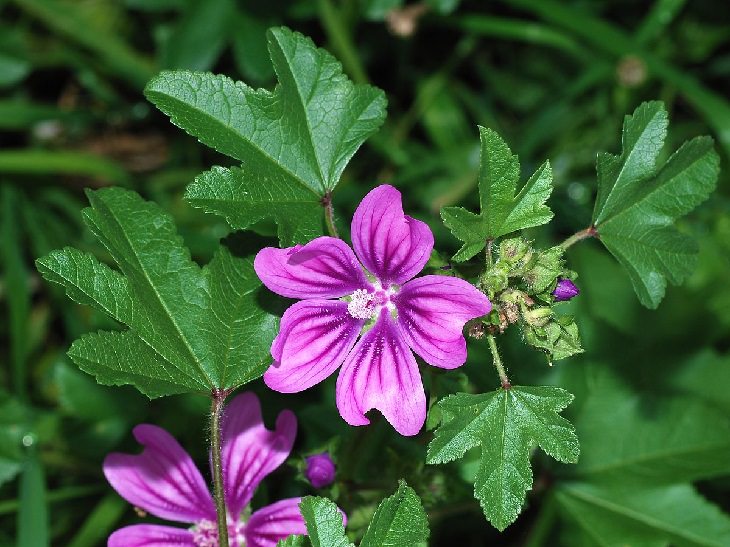
While many aren’t familiar with the mallow
plant family which includes the marshmallow, musk mallow, common mallow
and high mallow, they should be, as they offer many therapeutic
properties. In this article we'll delve deeper into the high mallow,
also known as Malva sylvestris. High Mallow is among the more nutritious
and healthy plants and if you are considering incorporating it into
your diet, you should know that it is tasty, healthy and full of
medicinal properties and anti-inflammatory ingredients. To enjoy its
qualities, read our guide to mallow's health benefits and some wonderful
bonus recipes that make use of this delicious plant.
A little about mallow
The mallow plant blooms between January and April and is at its peak
after the rainy season, which causes the leaves to go soft and get a
deeper taste. Since the flavor of mallow resembles the taste of spinach,
you can swap almost any recipe with spinach or chard with an equal
amount of mallow. You can use and eat the various parts of the plant:
stalk, leaves, and fruit and add them to countless dishes.
As already mentioned, mallow has many health and nutritional benefits
and is considered in alternative and Chinese medicine to be very
effective in treating a variety of problems and diseases. The plant is
rich in protein, iron, minerals, and vitamins B, A and C, and also
contains the antioxidants polyphenols, tannins, and flavonoids that
fight free radicals in the body. In order to benefit from the healing
benefits of mallow, it is recommended that you consume the plant extract
as an infusion.
Health Benefits of Mallow:
Treats a cough, phlegm, difficulty
breathing, asthma and bronchitis
Mallow contains polysaccharides with antiviral and antiseptic properties
that help treat respiratory disorders and a chronic dry cough. The
active ingredients of the plant help to remove mucus from the throat and
have a calming effect in addition to their ability to treat asthma,
bronchitis, emphysema and other respiratory diseases. The German Food
and Drug Administration has officially confirmed the healing properties
of the plant and has approved the use of the drugs containing mallow for
the treatment of a sore throat and a dry cough.
Treats infections, skin sores, and burns
The anti-inflammatory components of mallow are effective in treating a
variety of skin problems. The plant is used to soothe rashes, wounds,
burns, insect bites and eczema, since the polysaccharides, which nourish
and soothe the skin, are also slightly anesthetic. If you suffer from
dry, irritated skin affected by weather, rubbing mallow extract infusion
on your skin will soften and moisturize it naturally. To soothe
redness, swelling, and tingling, apply the mallow extract tea directly
to the irritated area, or to use a cloth soaked in the plant’s sap.
Protects the gums from infections
The mallow leaves contain antibacterial and anti-inflammatory components
that protect the gums and oral cavity from diseases and infection. The
polyphenols present in the plant prevent the development of bacterial
plaque by their ability to fight free radicals. Those of us who suffer
from inflamed gums know that this is a disturbing and recurring
phenomenon that affects our quality of life and many people find it
difficult to find a permanent solution. Using mallow tea as a mouthwash
may be a natural and effective way to treat the health of your oral
cavity regularly.
Relieves constipation and irritable stomach
The mallow’s polysaccharide mucilages cause relaxation and lubrication
of the intestinal walls and better absorption of food. This substance
also helps to reduce gastric acidity which causes stomach discomfort.
Eating mallow or consuming the plant as a tea infusion helps people who
suffer from constipation, irritable stomach, and intestinal cramps and
need a soothing supplement. In addition, the mallow is considered a
laxative plant and is used in a variety of dietary supplements to relax
and calm the stomach.
Treatment of kidney stones and urinary tract infections
Many people use cranberry juice as a means of reducing burning
sensations, frequency, and urgency in urination and pain in the lower
abdomen, but it is far from being the only natural remedy for this
problem. The mallow plant is an excellent alternative to treating such
problems because it has an anti-inflammatory component that helps in the
healing of such infections. Mallow has another important feature in
this context - it is a diuretic that helps clean up waste from the
kidneys and prevents the development of stones in them.
Anti-aging properties and its use in
natural cosmetics
The use of home masks and facial creams that contain mallow plant
extract are effective for the treatment of premature aging of the skin.
Cosmetic companies use plant extracts in various cosmetic products such
as soaps, makeup, and skincare products. The reason for this is that
mallow is rich in components that fight free radicals which damage our
skin cells and cause wrinkles. In addition, vitamin A gives the skin a
radiant and younger look. It is also effective for hair care and is
recommended for use in people with fragile hair. Applying moisturizing
essences or infusions to the skin can contribute greatly to its health
and restore its elasticity and strength.
Prevents prostate cancer and strengthens the immune system
Like other leafy greens, mallow is rich in chlorophyll, a green,
anti-carcinogenic pigment that cleans our internal organs. Beyond its
ability to prevent various types of cancer, it is particularly effective
in preventing and healing prostate cancer. Researchers who studied the
mallow plant discovered a substance called beta-sitosterol, which is
known for its ability to prevent tumors in the prostate gland. The plant
can be used as a preventative measure for people at risk of developing
this cancer.
Beta-sitosterol is a substance that also helps the white blood cells
function in our immune system, which are necessary for fighting various
diseases. This means that consuming the mallow plant contributes greatly
to cancer patients undergoing immunosuppressant therapies. In a study
that examined the use of mallow for prostate cancer patients who had
radiotherapy and had pain during urination, researchers found that the
plant significantly reduced patient pain. Even people who do not have a
chronic disease can benefit from strengthening the immune system using
the herb, but it is important to do so only after consulting a
healthcare professional.
Treats Insomnia
Mallow plant extract can be found in a variety of numbing, insomnia,
anxiety and stress medications, and even in the anesthetics that
dentists use. The various components of the plant help calm the nervous
system and promote a sense of peace and relaxation. A 2013 study also
demonstrated the efficacy of mallow extract in the treatment of sleep
disorders compared to the use of a drug similar to valium. If you suffer
from sleep disorders and find it difficult to fall asleep at night, it
is time to go out outdoors and pick yourself some mallow to solve the
problem. You can drink mallow tea before bedtime, or use the oil
extracted from the plant.
For recipes using mallow leaves and flowers, kindly see my recipe blog.
This is only for your information, kindly take the advice of your doctor for medicines, exercises and so on.
https://gscrochetdesigns.blogspot.com. one can see my crochet creations
https://gseasyrecipes.blogspot.com. feel free to view for easy, simple and healthy recipes
https://kneereplacement-stickclub.blogspot.com. for info on knee replacement
https://GSiyers home remedies.blogspot.com is the latest addition to my blogs
Labels: anti-aging, asthma, bronchitis, burns, constipation, gum infections, IBS, infections, insomnia, Kidney Stones, mallow- cough, phlegm, prevents tumours, Prostate Cancer, skin sores, strengthens immunity, UTI
posted by G S Iyer at 10:36 PM
0 comments