Sunday, November 13, 2022

Too Much Iron Can be Harmful. Here's How to Lower it.

Iron deficiency is one of the most common nutrient deficiencies in the world. Menstruating women are especially prone to it since they lose blood every month. But too much iron can also be a health risk, and it is more common than you think – about 1 in 200 people suffer from a hereditary condition that causes them to absorb too much iron. 
 
If your blood tests came back with high iron, here is what you can change in your diet to balance things out. 
 
A bit about iron
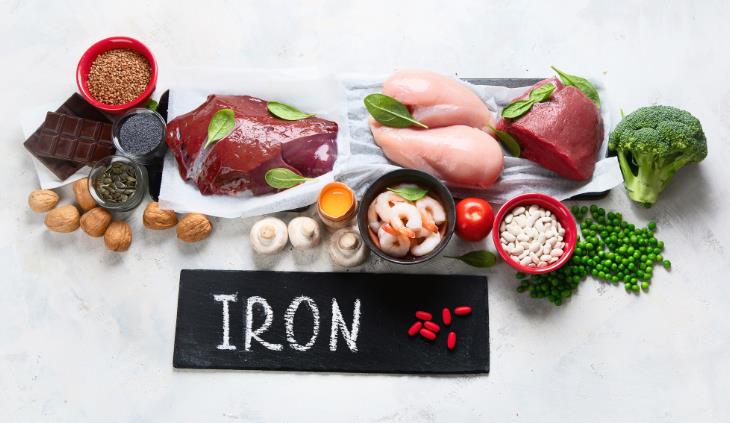
First - why do we even need iron, and what can too much of it do to your body? Iron is mostly used to build blood and transfer oxygen to every part of the body. Iron molecules rarely flow freely in the bloodstream, where they can cause harm and oxidative stress; they are linked to a protein called transferrin.

Too much iron can increase the risk of arthritis, cancer, liver problems, diabetes, heart failure, and infections. If you’re not menstruating, your body does not have a built-in mechanism to dispose of iron. On average, we only lose about 1 mg of it a day. 
 
That is why the absorption of iron is highly regulated in the body, and increasing iron levels may even be challenging to some. But to others, gradual iron buildup poses a risk of iron overload. Since the body cannot dispose of iron on its own, it accumulates in several different tissues, where it causes oxidative stress. Usually, iron is stored in the liver, heart, and pancreas. If the pancreas becomes damaged, it can lead to diabetes.

What are the symptoms of high iron?
 High iron - iron rich foods
Many people won’t notice any symptoms unless the situation is severe. However, do keep an open eye for the following symptoms: 
 
- Fatigue 
- Joint pain 
- Abdominal pain or an upset stomach 
- Reduced libido, a shrinking of the testicles, or a pause or irregularities in menstruation.

If your blood test came back with high iron, or you suffer from hemochromatosis (a hereditary condition that causes you to absorb up to four times more iron than average), here are some dietary recommendations to follow: 
 
* Foods rich in calcium interfere with iron absorption. Eggs and soy are great examples. 
 
* Consume antioxidants from fruits and vegetables, with special emphasis on tomatoes, beets, and blueberries. This protects your body from oxidative stress. 
 
* Prefer animal protein from cooked fish and chicken over red meat. 
 
* Tea and coffee also interfere with iron absorption in the body. 
 
You may also consider consulting your physician about chelation therapy: a type of treatment containing chelating molecules, usually taken orally. Chelators bind to other molecules and pull them out as they leave the body. Do not take a chelator without consulting a physician, as this may deplete your body of essential minerals. 
 
Another great way of balancing your iron blood count is by donating blood. 
 
What should you avoid?
* Avoid taking multivitamins or any other supplements that may contain iron or Vitamin C. The latter increases iron absorption. 
 
* Avoid raw shellfish, such as oysters. They contain high amounts of easy-to-absorb iron. 
 
* Avoid fortified grains - those can be found mainly in the US and the UK, and they contain high levels of iron. 
 
* Reduce alcohol intake – your liver already experiences plenty of oxidative stress. 
 
* Reduce red meat intake. 
 
* Avoid iron cookware. Yes, we are talking about your cast-iron skillet.


This is only for your information, kindly take the advice of your doctor for medicines, exercises and so on.   

https://gscrochetdesigns.blogspot.com. one can see my crochet creations  
https://gseasyrecipes.blogspot.com. feel free to view for easy, simple and healthy recipes    
https://kneereplacement-stickclub.blogspot.com. for info on knee replacement

https://GSiyers home remedies.blogspot.com     is my latest addition to my blogs. I'm going to add posts there, do give me your valuable feed back on my blogs. Thanks a lot, take care, be healthy and be happy.


Labels: , , , , , , ,

Saturday, November 23, 2019

Is donating blood healthy for you?

Have you were donated blood? Do you know that a person should donate blood in every three months, not only for others, but also for the sake of his own health. Blood donation is a major problem in the world, especially in India. According to the data revealed by the Ministry of Health, India, in 2018, India had a shortage of supply of 1.9 million units of blood. According to this data, in India, every three second someone needs a blood transfusion. Apart from the issue of donation, another major problem in the system is collection. The collection of blood is not spread out throughout the year. Blood is collected in abundance at once, during blood donation camps. This collected blood goes to waste after some time, causing a shortage for future. We often hear that donating blood can save lives of three people, but what we don’t hear is that donating blood could also save the donor. Apart from helping another human, here are the health benefits you get from donating blood regularly.

Hemochromatosis refers to a condition where too much iron accumulates in the body. This condition is caused due to genetics or as a side effect of alcoholism. By donating blood, you are reducing the iron overload on the body.

According to a recent study published in the American Journal of Epidemiology, blood donors are 88 per cent less likely to suffer a heart attack and 33 percent less likely to suffer from cardiovascular diseases. Excess iron gets stored in the liver, pancreas, and heart, which increases the risk of developing cirrhosis, pancreatic damage, liver failure, and heart ailments. By donating blood, you keep your iron level under check and reduce the risk of liver and heart diseases.

According to the researchers at the University of California, San Diego, donating blood one time can burn up to 650 calories in the bodies. A lot more research is required in this field, but if it is true then it doesn’t look like a bad idea to lose weight while doing a good deed.

To replenish the lost blood, the body produces new blood cells which strengthens the bone marrow of an individual. Bone marrow is a tissue, where new blood cells are created. A weak bone marrow cannot produce white blood cells and red blood cells, which could impact the immune system.

According to a study published in the Journal of the National Cancer Institute, in 2017, removing excess iron from the blood can reduce the chances of cancer. The study says iron in the system gives strength to cancer causing free-radicals. Excess iron can also block anti-oxidants from tackling these free-radicals.

this is only for your information, kindly take the advice of your doctor for medicines, exercises and so on.     
https://gscrochetdesigns.blogspot.com. one can see my crochet creations  
https://gseasyrecipes.blogspot.com. feel free to view for easy, simple and healthy recipes    
https://kneereplacement-stickclub.blogspot.com. for info on knee replacement


Labels: , , , , , , , , , , , ,