Sunday, November 17, 2024

A Stress Rash Is a Real Thing, Here’s Why It’s Important!

Have you ever got a sudden and inexplicable allergic skin reaction when you were amid an extremely challenging and stressful situation (or right after one)? If so, you might have not been allergic at all, and what you had really experienced was a stress rash. Yes, it’s true, a stressful day can truly make some people break out in hives anywhere in your body, and distinguishing this rash from an allergic reaction or a series of bug bites can be very difficult. Below, we discuss the specifics of this little-known skin reaction.

What is a stress rash?

Although most of us find it difficult to conceptualize that an emotional state like stress could have a physical manifestation in our body, doctors have known for a while that stress can have an immediate effect on several bodily functions, suppressing our digestion, concentration, and sleep, and increasing blood pressure, to name just a few.

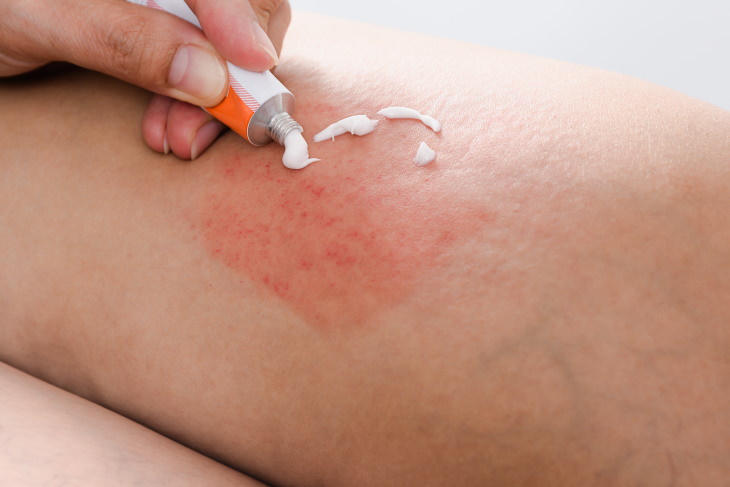
However, most people don’t know that high-stress situations can also make you break out in hives, which are known as a stress rash. This rash can appear anywhere, and it can look like a halo, a series of bug bites, or an allergic skin reaction. The bumps or welts that appear on the skin will likely be itchy and raised, and some people can even have burning or tingling sensations in the affected area. 
 
Stress can also worsen chronic skin issues like psoriasis, rosacea, and eczema. Most people can develop a stress rash, but women are more susceptible to a stress rash, and so are people in the age range between 30-50 years old. 
 
How Does One Treat a Stress Rash?
Stress Rash applying cream on rash

In most cases, a stress rash is not a cause of medical concern, although it can affect your self-esteem and be the cause of further stress. Since a stress rash can be difficult to distinguish from an allergic reaction and other skin conditions, a common indication by medical professionals is the application of topical allergy medication on the affected area or taking an over-the-counter antihistamine pill like: 
 
Loratadine 
 
(Claritin) Cetirizine (Zyrtec) 
 
Diphenhydramine (Benadryl). 
 
You can also apply cold compresses on the area to find some relief from the itching and swelling. In addition, try to address the initial cause of the rash - stress, by engaging in relaxing and soothing activities, getting enough quality sleep, and engaging in mental relaxation techniques.
 
The hives should disappear on their own within 24 hours, but some people who experience extreme and constant stress can observe these symptoms for longer. Rarely, the condition can persist for 6 weeks or more, in which case you should seek medical help and will likely require additional treatments and checkups to rule out other health conditions.

You should also see a doctor if you see that your symptoms are getting worse, meaning that the rash is spreading, the hives grow and become angrier, you have a fever or experience pain in the area. 
 
How to Prevent a Stress Rash 
As may expect, the only way you can truly prevent the stress rash from recurring in the future is to reduce your overall stress levels. After all, a stress rash is your body's way of telling you that it's under too much mental pressure. We understand that it's easier said than done, and more often than not, it's impossible to just stop stressing out altogether since stress is a subconscious reaction to events in our lives. 
 
That being said, a significant reduction of stress is an achievable goal for most people. Here are some science-backed stress-relieving tips and resources to consider: 
 
Exercise regularly, as it has been found that physical activity significantly decreases both stress levels and the level of inflammation in the body. 
 
Get plenty of sleep because it has been found that people who don’t sleep enough are significantly more stressed than those who do. 
 
Find the best stress-relieving technique for you, be it engaging in a hobby, meditation, psychotherapy, or spending time in nature. Even a simple mental exercise like mindful walking was found to have pretty amazing stress-relieving benefits.


This is only for your information, kindly take the advice of your doctor for medicines, exercises and so on.   

https://gscrochetdesigns.blogspot.com. one can see my crochet creations  
https://gseasyrecipes.blogspot.com. feel free to view for easy, simple and healthy recipes    
https://kneereplacement-stickclub.blogspot.com. for info on knee replacement
https://cancersupportindia.blogspot.com  for infor on cancer and health related topics
https://GSiyers home remedies.blogspot.com   is the latest addition to my blogs. I'm going to add posts there, do give me your valuable feed back on my blogs. Thanks a lot, take care, be healthy and be happy.


Labels: , , , , , , , , ,

Thursday, September 19, 2024

7 Signs Of Fatty Liver On Your Skin You Must Not Ignore

Fatty liver happens when fat builds up in the organ causing inflammation that leads to severe health complications. According to doctors, fatty liver is a result of many lifestyle and diet-related issues, and it can also be reversed with the help of certain changes in the same.

Also known as hepatic steatosis, fatty liver happens when fat builds up in your liver. Even though it is normal to have small amounts of fat in your liver too much can lead to many issues, including liver failure which is a life-threatening condition. And so, you must know and understand a few signs that your body gives initially if your liver is having problems. Doctors say a few of these symptoms begin to show in your skin and can be treated. 

 According to doctors, changes in your face and skin like puffiness, change in colour, and itching, could suggest fatty liver disease – one of the most common chronic liver diseases. While it may be common, the symptoms are often subtle. Over time, you may notice changes in your face that aren’t due to another known cause.

A few signs you would notice are:

Puffiness

Doctors say if you have a fatty liver issue, it can affect the organ's ability to make proteins, which impairs your blood flow and fluid removal. As a result, you may notice your face appears slightly puffier.

 Darker skin

Fatty liver disease also contributes to increased insulin resistance, which means your body cannot use insulin effectively. This results in the buildup of excess insulin in your body that causes a condition called acanthosis nigricans. This condition also leads to skin folds like as on the crease of your neck, to darken.

Rosacea

It is a skin condition that makes it appear red and full of bumps. Doctors say you would notice small red blood vessels or white bumps on your face when you have rosacea. However, it does not mean if you suffer from rosacea, you have fatty liver disease, but the condition can just be a sign of it.

Rashes

Fatty liver disease does not let your body absorb certain nutrients effectively, leading to deficiency. According to studies, zinc deficiency due to the condition causes rashes and dermatitis. It also leads to skin irritation around your mouth with small fluid-filled or solid-appearing bumps.

Itching

Liver disease also causes skin itching, including on your face which happens due to excessive bile salts in your body. It can lead you to scratch the skin surface, which the doctors say usually does not provide any relief and can also make the irritation worse.

Jaundice

Advanced liver disease also causes jaundice – a medical condition that makes your skin and the whites of your eyes appear yellow. Symptoms of jaundice, which occurs when there is an excess of bilirubin, appear in your eyes and face before spreading to the rest of your body.

Redness

The condition also causes redness of skin in patches.

Ways to prevent liver disease

Doctors say a few ways you can prevent liver issues, include:
  • Maintain a moderate weight and manage chronic health conditions like diabetes
  • Limit alcohol consumption
  • Choose unsaturated fats like fish and nuts
  • Eat more whole grains, fruits, and vegetables
  • Always wash fruits and vegetables before eating them

Labels: , , , , , , , , ,

Monday, July 01, 2024

9 ‘Contagious’ Conditions That Are Not Truly Contagious

The outbreak of Covid-19 made us all acutely aware of infectious diseases and how they can spread. The problem is, symptoms for contagious and non-contagious conditions often overlap, making it hard to know how alert we should be. While taking precautions like frequent hand-washing is never a bad idea, it is also important to be aware that not all diseases are infectious. In fact, some conditions have a false reputation of being highly contagious when it is, in fact, not true at all. The following 9 conditions cannot be transmitted from person to person, though many people believe the opposite.


1. Pneumonia and Bronchitis

9 Conditions You Think Are Contagious But Aren't, pneumonia and bronchitis

Both of these conditions are the result of respiratory infections - pneumonia infects the lungs while bronchitis is an inflammation of the airways. Whether or not these diseases are contagious depends on what caused them. 
 
Two types of pneumonia that can’t be spread from person to person are fungal pneumonia, which is contracted from the environment, and aspiration pneumonia, which occurs when food or liquid is inhaled into the lungs. Bacterial pneumonia, however, is indeed contagious and is also the most widespread cause of the disease, according to the American Lung Association. Yet, healthcare experts claim it isn’t as infectious as most of us think. The microorganisms that travel from person to person will not automatically lead to pneumonia but might have a much milder effect depending on the individual. 
 
The case for bronchitis is very similar. Acute bronchitis, which is caused by a virus, is contagious, while chronic bronchitis isn’t. The latter is an ongoing condition often caused by long-term smoking or exposure to environmental pollutants.


2. Psoriasis
9 Conditions You Think Are Contagious But Aren't, psoriasis
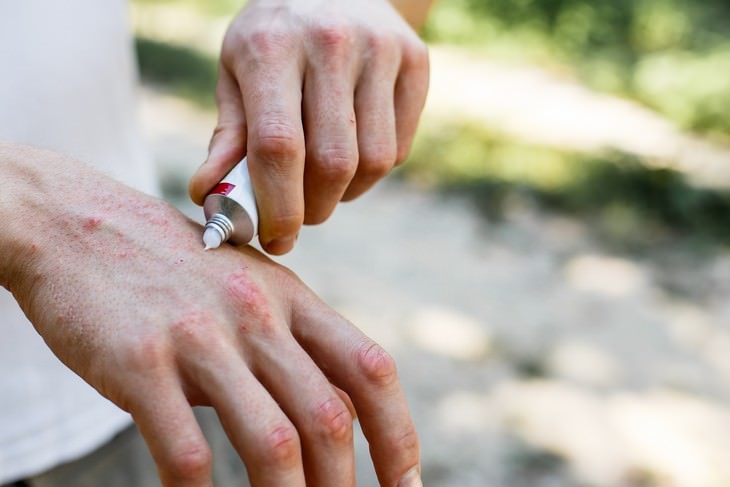
When we see someone suffering from a skin condition, it is easy to make the mistake of thinking it can be transmitted by touch. While we can’t cover all skin afflictions in one article, we can assure you that one of the most common conditions, psoriasis, is not contagious at all. Psoriasis affects about 2% of the American population and has nothing to do with germs or bacteria that can be passed between people. Rather, it’s an autoimmune condition in which the immune system attacks the skin. Telltale signs of psoriasis include red, itchy patches of skin with white scales on top, mainly found on the elbows, knees, and scalp.

 
3. Ear Infection
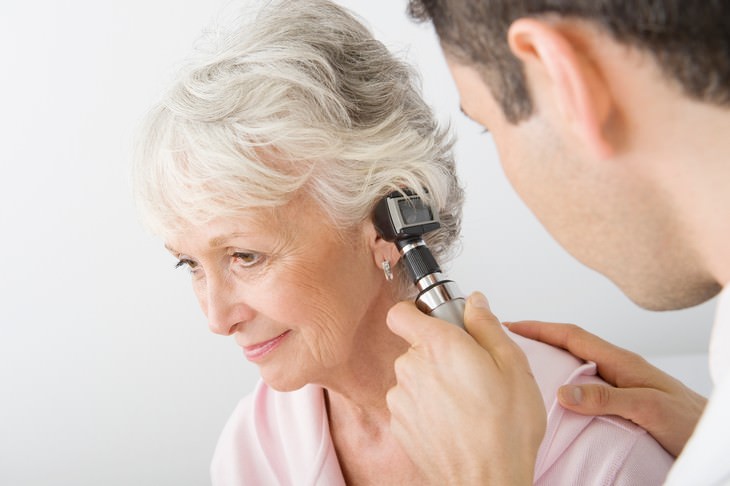
Ear infections in itself are not contagious, and can’t be ‘caught’. In fact, one of the common causes is water in your ears. The bad news is that oftentimes, ear infections are a complication of the common cold, as the virus leads to fluid buildup in the middle ear. “Due to congestion caused by the cold, the inner ear fills up with fluid and can become secondarily infected by bacteria; these stay in the ear and are therefore not contagious,” explains Matthew Mintz, MD, clinical associate professor of medicine at the George Washington University School of Medicine.

It is important to note that if an ear infection started with a cold and the patient still has cold symptoms, those can still be contagious.

 
4. Rosacea
9 Conditions You Think Are Contagious But Aren't, rosacea
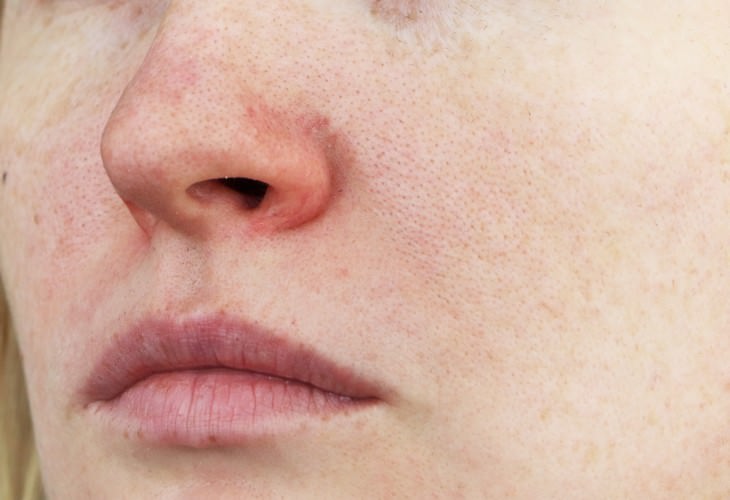
Rosacea is another widespread visible skin condition, which isn’t contagious nor is it caused by bad hygiene. Rosacea, which hits approximately 14 million Americans, can be recognized by redness, visible blood vessels in the face, and sometimes acne-like breakouts. The causes of rosacea are unknown, but experts theorize it is a combination of genetics and environmental factors. Flare-ups can be triggered by a number of things including hot drinks and spicy foods.
 
The National Rosacea Society explains that antibiotics used to treat rosacea may be effective because they help to combat inflammation, not because they’re killing bacteria.


5. Lyme disease
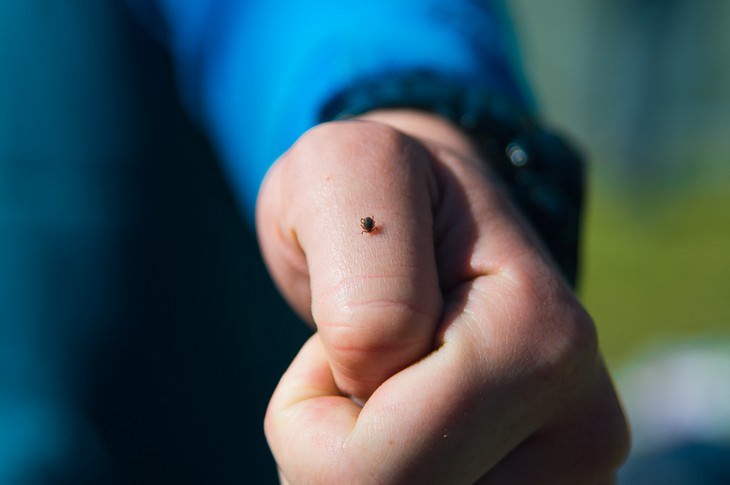
9 Conditions You Think Are Contagious But Aren't, Lyme Disease
When it comes to Lyme Disease the only ones who are contagious are the infected ticks, according to the CDC. The bacteria-based disease can only be transmitted when a tick attaches to your skin and feasts on your blood. It cannot be transmitted between humans in any way, not through casual contact and not even through kissing. 
 
Pets aren’t infectious either, though they can carry ticks into your home.


6.Malaria
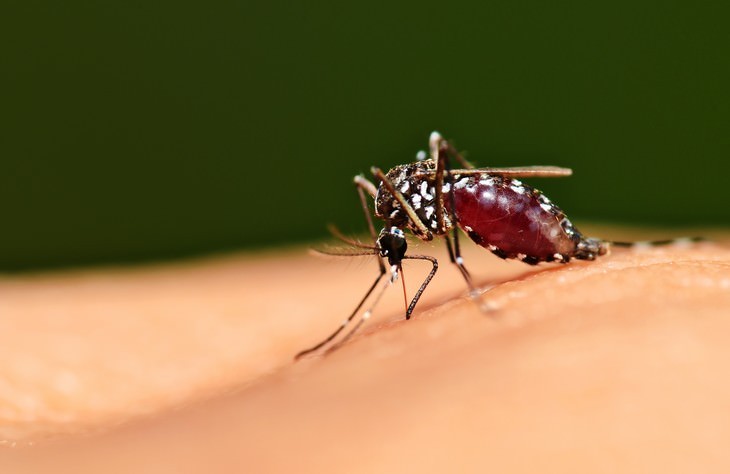
9 Conditions You Think Are Contagious But Aren't, Malaria
Similarly to Lyme disease, mosquitos are the only ones guilty of spreading malaria. Only certain species of mosquitoes of the Anopheles genus - and only the females of those species - can transmit the potentially deadly disease. When they bite you, malaria parasites are released into your bloodstream. Symptoms include fever, headaches, muscle pains, feeling hot and shivering, jaundice, among others. 
 
While malaria cannot be transmitted from person to person, it infects red blood cells, which means you could get it through a blood transfusion, by sharing an infected needle, or during pregnancy or childbirth.

 
7. Tetanus

9 Conditions You Think Are Contagious But Aren't, Tetanus, woman walking barefoot
Have you ever been scolded as a child because you were walking barefoot outside? The danger of tetanus likely had something to do with it. Tetanus, also referred to as lockjaw, causes intense muscle spasms which leads to a ‘locking' of the jaw and difficulty in opening the mouth and swallowing. The bacteria responsible for this disease is mainly found in soil, saliva, dust, and manure. 
 
It enters the body through broken skin; the CDC points out that likely ways to get tetanus are via puncture wounds (like from stepping on a nail), wounds that get dirty, and burns. Infected individuals are not contagious. You can get vaccinated against tetanus, and a booster shot is required every 10 years. 
 
 
8. Cellulitis
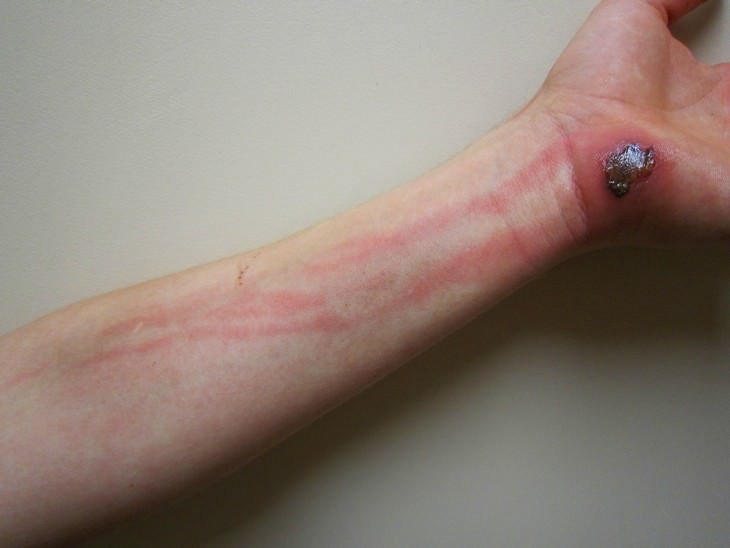
9 Conditions You Think Are Contagious But Aren't, Cellulitis
Cellulitis is caused by bacteria that live on the outer layer of our skin and are often harmless, most commonly group A strep. It becomes a problem, however, when the bacteria penetrate deep into the skin. “If there is damage — either from a cut, recent surgery, or even athlete’s foot — that damage can allow in bacteria, which can affect the deeper layers of the skin,” explains Dr. Mintz. This can result in a serious infection, characterized by swelling, redness, and fluid-filled blisters. The infected area will typically be warm and painful to touch. 
 
While cellulitis needs to be taken seriously, as it can deteriorate into a life-threatening condition, it isn’t contagious. If there is pus or oozing fluid, however, which is not typical for cellulitis, this material can spread infection.


9. Legionnaires Disease
Legionnaires' disease is a rare form of pneumonia caused by the legionella bacteria. It typically begins with fever, headaches, and muscle aches. By the second or third day, people also develop a cough, chest pain, nausea, vomiting, and confusion or other mental changes. Outbreaks of legionnaires disease are likely, although the disease isn't contagious. 
 
This is because the culprits are contaminated water supplies. According to the National Institutes of Health, exposure can come from faucets, showers, whirlpools, and the ventilation systems of large buildings. Transmission can only occur when a person inhales mist or water droplets that contain the legionella bacteria. 
 
Not everyone who is exposed to the bacteria will contract the disease. Those at higher risk groups are people over 50, especially if they have a weakened immune system due to chronic illness or smoking.


This is only for your information, kindly take the advice of your doctor for medicines, exercises and so on.   

https://gscrochetdesigns.blogspot.com. one can see my crochet creations  
https://gseasyrecipes.blogspot.com. feel free to view for easy, simple and healthy recipes    
https://kneereplacement-stickclub.blogspot.com. for info on knee replacement
https://cancersupportindia.blogspot.com  for infor on cancer and health related topics
https://GSiyers home remedies.blogspot.com   is the latest addition to my blogs. I'm going to add posts there, do give me your valuable feed back on my blogs. Thanks a lot, take care, be healthy and be happy.

Labels: , , , , , , , , , ,

Sunday, June 06, 2021

9 ‘Contagious’ Conditions That Are Not Truly Contagious

The outbreak of Covid-19 made us all acutely aware of infectious diseases and how they can spread. The problem is, symptoms for contagious and non-contagious conditions often overlap, making it hard to know how alert we should be. While taking precautions like frequent hand-washing is never a bad idea, it is also important to be aware that not all diseases are infectious. In fact, some conditions have a false reputation of being highly contagious when it is, in fact, not true at all. The following 9 conditions cannot be transmitted from person to person, though many people believe the opposite.

1. Pneumonia and Bronchitis
9 Conditions You Think Are Contagious But Aren't, pneumonia and bronchitis
Both of these conditions are the result of respiratory infections - pneumonia infects the lungs while bronchitis is an inflammation of the airways. Whether or not these diseases are contagious depends on what caused them. 
 
Two types of pneumonia that can’t be spread from person to person are fungal pneumonia, which is contracted from the environment, and aspiration pneumonia, which occurs when food or liquid is inhaled into the lungs. Bacterial pneumonia, however, is indeed contagious and is also the most widespread cause of the disease, according to the American Lung Association. Yet, healthcare experts claim it isn’t as infectious as most of us think. The microorganisms that travel from person to person will not automatically lead to pneumonia but might have a much milder effect depending on the individual. 
 
The case for bronchitis is very similar. Acute bronchitis, which is caused by a virus, is contagious, while chronic bronchitis isn’t. The latter is an ongoing condition often caused by long-term smoking or exposure to environmental pollutants.

2. Psoriasis
9 Conditions You Think Are Contagious But Aren't, psoriasis
When we see someone suffering from a skin condition, it is easy to make the mistake of thinking it can be transmitted by touch. While we can’t cover all skin afflictions in one article, we can assure you that one of the most common conditions, psoriasis, is not contagious at all. Psoriasis affects about 2% of the American population and has nothing to do with germs or bacteria that can be passed between people. Rather, it’s an autoimmune condition in which the immune system attacks the skin. 
 
Telltale signs of psoriasis include red, itchy patches of skin with white scales on top, mainly found on the elbows, knees, and scalp.

3. Ear Infection
9 Conditions You Think Are Contagious But Aren't, senior woman getting checked for ear infections
Ear infections in itself are not contagious, and can’t be ‘caught’. In fact, one of the common causes is water in your ears. The bad news is that oftentimes, ear infections are a complication of the common cold, as the virus leads to fluid buildup in the middle ear. “Due to congestion caused by the cold, the inner ear fills up with fluid and can become secondarily infected by bacteria; these stay in the ear and are therefore not contagious,” explains Matthew Mintz, MD, clinical associate professor of medicine at the George Washington University School of Medicine. 
 
It is important to note that if an ear infection started with a cold and the patient still has cold symptoms, those can still be contagious.
 
4. Rosacea
9 Conditions You Think Are Contagious But Aren't, rosacea

Rosacea is another widespread visible skin condition, which isn’t contagious nor is it caused by bad hygiene. Rosacea, which hits approximately 14 million Americans, can be recognized by redness, visible blood vessels in the face, and sometimes acne-like breakouts. The causes of rosacea are unknown, but experts theorize it is a combination of genetics and environmental factors. Flare-ups can be triggered by a number of things including hot drinks and spicy foods. 
 
The National Rosacea Society explains that antibiotics used to treat rosacea may be effective because they help to combat inflammation, not because they’re killing bacteria.

5. Lyme Disease
9 Conditions You Think Are Contagious But Aren't, Lyme Disease
When it comes to Lyme Disease the only ones who are contagious are the infected ticks, according to the CDC. The bacteria-based disease can only be transmitted when a tick attaches to your skin and feasts on your blood. It cannot be transmitted between humans in any way, not through casual contact and not even through kissing. 
 
Pets aren’t infectious either, though they can carry ticks into your home.
 
6. Malaria
9 Conditions You Think Are Contagious But Aren't, Malaria
Similarly to Lyme disease, mosquitos are the only ones guilty of spreading malaria. Only certain species of mosquitoes of the Anopheles genus - and only the females of those species - can transmit the potentially deadly disease. When they bite you, malaria parasites are released into your bloodstream. Symptoms include fever, headaches, muscle pains, feeling hot and shivering, jaundice, among others. 
 
While malaria cannot be transmitted from person to person, it infects red blood cells, which means you could get it through a blood transfusion, by sharing an infected needle, or during pregnancy or childbirth.

7. Tetanus

Have you ever been scolded as a child because you were walking barefoot outside? The danger of tetanus likely had something to do with it. Tetanus, also referred to as lockjaw, causes intense muscle spasms which leads to a ‘locking' of the jaw and difficulty in opening the mouth and swallowing. The bacteria responsible for this disease is mainly found in soil, saliva, dust, and manure. 
 
It enters the body through broken skin; the CDC points out that likely ways to get tetanus are via puncture wounds (like from stepping on a nail), wounds that get dirty, and burns. Infected individuals are not contagious. You can get vaccinated against tetanus, and a booster shot is required every 10 years.  
8. Cellulitis
9 Conditions You Think Are Contagious But Aren't, Cellulitis
Cellulitis is caused by bacteria that live on the outer layer of our skin and are often harmless, most commonly group A strep. It becomes a problem, however, when the bacteria penetrate deep into the skin. “If there is damage — either from a cut, recent surgery, or even athlete’s foot — that damage can allow in bacteria, which can affect the deeper layers of the skin,” explains Dr. Mintz. This can result in a serious infection, characterized by swelling, redness, and fluid-filled blisters. The infected area will typically be warm and painful to touch. 
 
While cellulitis needs to be taken seriously, as it can deteriorate into a life-threatening condition, it isn’t contagious. If there is pus or oozing fluid, however, which is not typical for cellulitis, this material can spread infection. 
 
9. Legionnaires Disease
Legionnaires' disease is a rare form of pneumonia caused by the legionella bacteria. It typically begins with fever, headaches, and muscle aches. By the second or third day, people also develop a cough, chest pain, nausea, vomiting, and confusion or other mental changes. Outbreaks of legionnaires disease are likely, although the disease isn't contagious. 
 
This is because the culprits are contaminated water supplies. According to the National Institutes of Health, exposure can come from faucets, showers, whirlpools, and the ventilation systems of large buildings. Transmission can only occur when a person inhales mist or water droplets that contain the legionella bacteria. 
 
Not everyone who is exposed to the bacteria will contract the disease. Those at higher risk groups are people over 50, especially if they have a weakened immune system due to chronic illness or smoking.


This is only for your information, kindly take the advice of your doctor for medicines, exercises and so on.   

https://gscrochetdesigns.blogspot.com. one can see my crochet creations  
https://gseasyrecipes.blogspot.com. feel free to view for easy, simple and healthy recipes    
https://kneereplacement-stickclub.blogspot.com. for info on knee replacement


Labels: , , , , , , , , , , , , ,

Thursday, January 16, 2020

8 Persistent Skincare Myths That Can Ruin Your Skin

The world of skincare and beauty is more complex than it may seem on the surface, and with the abundance of misconceptions persisting in society, it’s not surprising that many people cannot get the results they want from their products. The truth is that technique, an ability to observe your skin, and healthy habits are just as important for your skin as the creams and potions you choose to use. This article focuses on the harmful skincare myths that are way more common than they should be and how to replace them with a healthy skin habit.

Myth 1. The longer you clean your skin, the better

Dermatologists normally advise against washing your face any more than twice a day, and the cleansing product should not stay on your skin for more than a minute. No need to foam up your cleanser intensely and massage it in for 10-15 minutes like many people do, even if you have oily skin and feel like you need to clean the oil out of your pores.
Overwashing your face can actually have the opposite effect on your skin, making it produce more oil if you have oily skin, but aggravating dry skin too, as it removes the natural moisture from your skin.

Myth 2. Cleansing wipes are the best makeup removing method

Makeup wipes may be cheap and quick to use, but do you really think they do a good job removing all your makeup, sunscreen and dirt that accumulated on your skin during the day? If so, we challenge you to do a test:
Use a cleansing wipe as usual, then wet your face with warm water and without washing anything off, dry your face with a white towel. In the majority of cases, your towel will no longer be white and you will witness leftover foundation and mascara on the towel.
On top of not being able to clean your skin, makeup wipes can irritate it, often exacerbating acne, rosacea, and dryness, as well as causing wrinkles, especially if you don’t wash your face after using them. When it comes to your skin’s health, try not to cut corners, and instead of cleansing wipes, use a wash-off oil-based cleanser to melt away your makeup without any tugging or pulling at your skin.

Myth 3. You have acne because you’re touching your face too much

Rubbing and picking at your skin will definitely not benefit it, but many people who never did this can have acne. This is because many different factors starting from your hormone levels to foods to a dirty pillowcase can cause acne. Many of these factors you can’t control, e.g. many women over 30 suffer from hormonal zits that appear around their period.
And the ladies are not the only ones blessed with these “occasional presents”, as men, too, often have pimples, especially around their beards as a result of razor burn or not washing their beards thoroughly enough. Still, thorough and regular face cleansing, as well as clean phones, pillowcases, scarves and yes, beards, are all a must for a pimple-free face.

Myth 4. Oily skin doesn’t need moisturizers

skincare myths Myth 4. Oily skin doesn’t need moisturizers

The dream of a typical person who has oily skin is to have dry, matte-looking skin, so moisturizing it is unnecessary, right? Wrong, as it is very likely that your skin is overproducing oils specifically because you’re drying it out. In fact, many people with oily skin who start using moisturizers often find that their skin becomes less oily.
What is true, however, is that the moisturizer of your choice should be very different from the one favored by someone with dry skin. Oily skins should opt for gel creams, lightweight lotions and milky serums instead of a heavy, rich cream, even at night, mainly because the richer moisturizers can cause breakouts and feel too heavy on the skin.

Myth 5. High reviews and recommendations from beauty gurus mean a product is good

If a product is recommended to you by a beauty guru or you see that it gets rave reviews on some website, it doesn’t mean that it’s a good product. No, we have no intention of proving that beauty gurus and reviews are unreliable, as they very well may be honest and well-intentioned, but all these people don’t have your skin and most of them are not dermatologists or facialists, and don’t know enough about skin to recommend you what you need.
This is not to say that you cannot use these reviews and opinions at all, however, but look for reviews by people who you know have a similar skin type, skin condition, and age with you, and even then, get a tester of the product before fully committing to a product, as you might be allergic to one of its ingredients.

Myth 6. You need a dedicated product for each part of the face

skincare myths Myth 6. You need a dedicated product for each part of the face
Although it is true that different parts of the face and the body have different thickness, produce more or less oil, when it comes to skincare, most people don’t need a separate eye cream, neck cream, or daytime and nighttime moisturizer. On top of being extremely expensive for no reason, these specialized creams usually don’t work any different from a regular face cream, so you need only 1 product for the whole face, neck and decollete.
This is not to say that you shouldn’t invest in different types of products, though. A serum, for example, will be able to address a specific skin concern you have, be it acne, hyperpigmentation, or fine lines, because it has a high concentration of active ingredients that most moisturizers don’t. So, instead of buying a separate product for each area, it’s better to invest in a good serum to layer underneath your moisturizer that will deal with your skin concerns.

Myth 7. You have to stick to a consistent routine to get results

Our skin is the barrier protecting our bodies from the environment, and with environmental changes, it can change as well. Things like climate, changes in season, how much time you spend in the sun, your diet and, let’s face it - age - can all change our skin type and worsen a skin condition we might have.
Together with these changes, we should adjust our skincare routines. And while the 3 basic steps of cleansing, moisturizing and protecting from the sun should stay year round, the products of your choice should be adjusted. So, for example, you might opt for a thicker moisturizer or even mix in a facial oil in your usual moisturizer in the winter when it’s cold, windy and you need extra skin protection, but in the summer, you change it to a lightweight cream that lets your skin breathe in the hot and humid weather.
Similarly, when you’re having a breakout, it’s useful to add an acne product to use on those pimples, but when the breakout is gone, you should stop using it. You get the picture: adjust your skincare regime to your skin's needs.

Myth 8. The pricier the product, the better it is

Now, even I am guilty of having believed this myth in the past. And it does seem quite logical that price should correlate with effectiveness, but the truth is that so many other aspects influence the price of a certain product that this rule doesn't hold water. Paying a premium price for a product doesn’t mean it will work better than a cheap one.

Yes, it will likely feel better on the skin, come in a beautiful bottle, use exotic ingredients and smell nice, but it is almost certain that it will not be more effective than a dermatologist-approved product, even a very affordable one from the drugstore. This is because you as a consumer are paying extra for the brand, the extravagant packaging, and the signature fragrance, and not for effectivity per se.

Thus, look for products and brands that were created by dermatologists or facialists instead of luxury fashion brands, as they offer the best balance of effectiveness and price.

This is only for your information, kindly take the advice of your doctor for medicines, exercises and so on.     
https://gscrochetdesigns.blogspot.com. one can see my crochet creations  
https://gseasyrecipes.blogspot.com. feel free to view for easy, simple and healthy recipes    
https://kneereplacement-stickclub.blogspot.com. for info on knee replacement


Labels: , , , , , , , , , , ,