Sunday, June 06, 2021

9 ‘Contagious’ Conditions That Are Not Truly Contagious

The outbreak of Covid-19 made us all acutely aware of infectious diseases and how they can spread. The problem is, symptoms for contagious and non-contagious conditions often overlap, making it hard to know how alert we should be. While taking precautions like frequent hand-washing is never a bad idea, it is also important to be aware that not all diseases are infectious. In fact, some conditions have a false reputation of being highly contagious when it is, in fact, not true at all. The following 9 conditions cannot be transmitted from person to person, though many people believe the opposite.

1. Pneumonia and Bronchitis
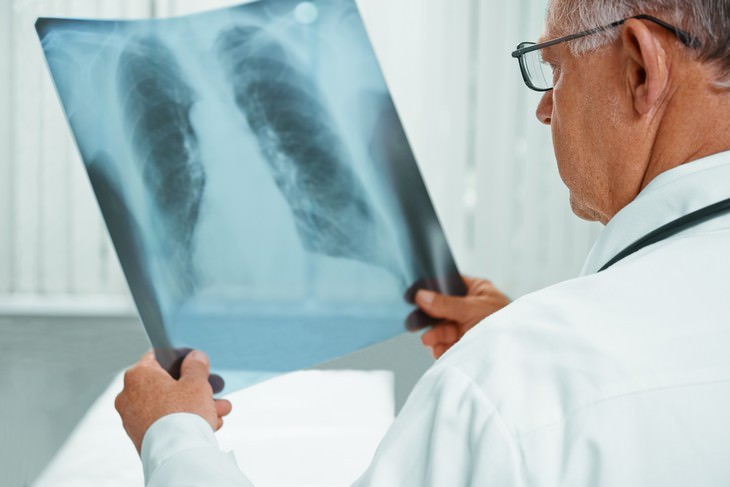
9 Conditions You Think Are Contagious But Aren't, pneumonia and bronchitis
Both of these conditions are the result of respiratory infections - pneumonia infects the lungs while bronchitis is an inflammation of the airways. Whether or not these diseases are contagious depends on what caused them. 
 
Two types of pneumonia that can’t be spread from person to person are fungal pneumonia, which is contracted from the environment, and aspiration pneumonia, which occurs when food or liquid is inhaled into the lungs. Bacterial pneumonia, however, is indeed contagious and is also the most widespread cause of the disease, according to the American Lung Association. Yet, healthcare experts claim it isn’t as infectious as most of us think. The microorganisms that travel from person to person will not automatically lead to pneumonia but might have a much milder effect depending on the individual. 
 
The case for bronchitis is very similar. Acute bronchitis, which is caused by a virus, is contagious, while chronic bronchitis isn’t. The latter is an ongoing condition often caused by long-term smoking or exposure to environmental pollutants.

2. Psoriasis
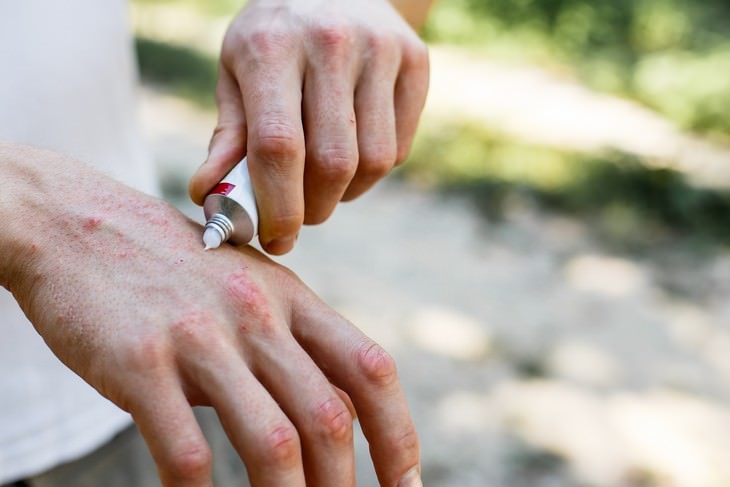
9 Conditions You Think Are Contagious But Aren't, psoriasis
When we see someone suffering from a skin condition, it is easy to make the mistake of thinking it can be transmitted by touch. While we can’t cover all skin afflictions in one article, we can assure you that one of the most common conditions, psoriasis, is not contagious at all. Psoriasis affects about 2% of the American population and has nothing to do with germs or bacteria that can be passed between people. Rather, it’s an autoimmune condition in which the immune system attacks the skin. 
 
Telltale signs of psoriasis include red, itchy patches of skin with white scales on top, mainly found on the elbows, knees, and scalp.

3. Ear Infection
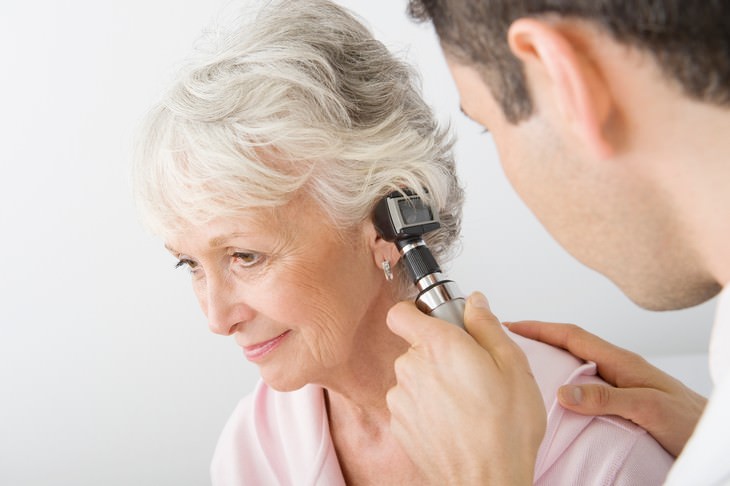
9 Conditions You Think Are Contagious But Aren't, senior woman getting checked for ear infections
Ear infections in itself are not contagious, and can’t be ‘caught’. In fact, one of the common causes is water in your ears. The bad news is that oftentimes, ear infections are a complication of the common cold, as the virus leads to fluid buildup in the middle ear. “Due to congestion caused by the cold, the inner ear fills up with fluid and can become secondarily infected by bacteria; these stay in the ear and are therefore not contagious,” explains Matthew Mintz, MD, clinical associate professor of medicine at the George Washington University School of Medicine. 
 
It is important to note that if an ear infection started with a cold and the patient still has cold symptoms, those can still be contagious.
 
4. Rosacea
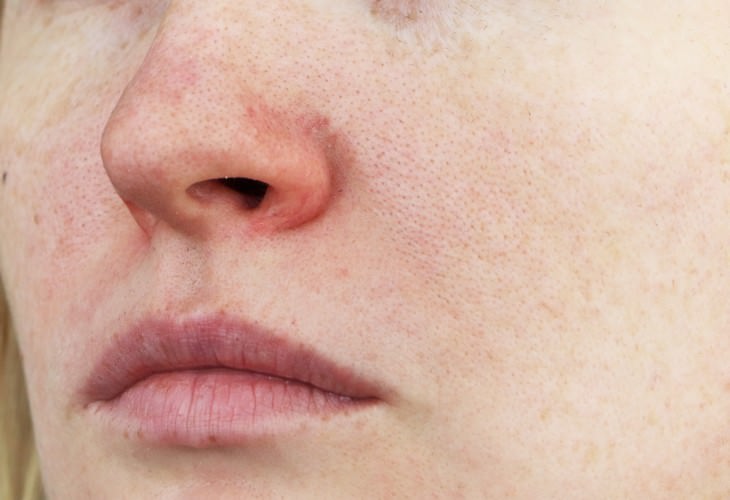
9 Conditions You Think Are Contagious But Aren't, rosacea

Rosacea is another widespread visible skin condition, which isn’t contagious nor is it caused by bad hygiene. Rosacea, which hits approximately 14 million Americans, can be recognized by redness, visible blood vessels in the face, and sometimes acne-like breakouts. The causes of rosacea are unknown, but experts theorize it is a combination of genetics and environmental factors. Flare-ups can be triggered by a number of things including hot drinks and spicy foods. 
 
The National Rosacea Society explains that antibiotics used to treat rosacea may be effective because they help to combat inflammation, not because they’re killing bacteria.

5. Lyme Disease
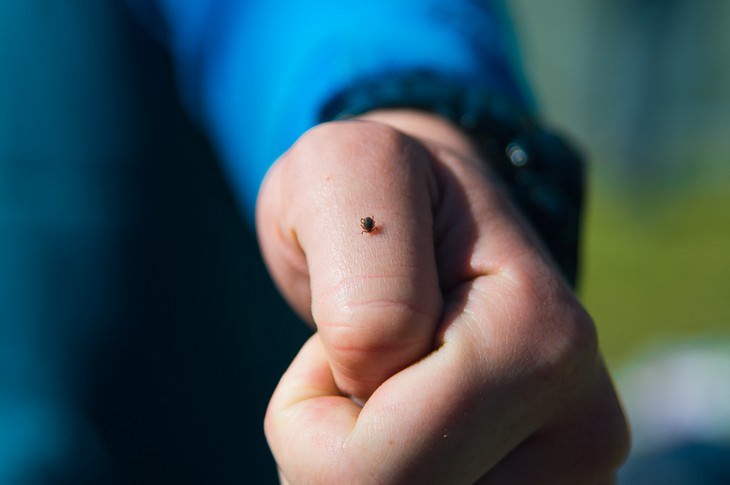
9 Conditions You Think Are Contagious But Aren't, Lyme Disease
When it comes to Lyme Disease the only ones who are contagious are the infected ticks, according to the CDC. The bacteria-based disease can only be transmitted when a tick attaches to your skin and feasts on your blood. It cannot be transmitted between humans in any way, not through casual contact and not even through kissing. 
 
Pets aren’t infectious either, though they can carry ticks into your home.
 
6. Malaria
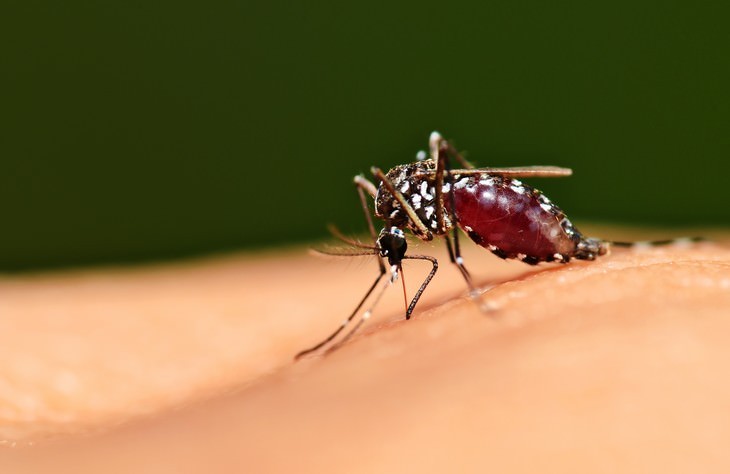
9 Conditions You Think Are Contagious But Aren't, Malaria
Similarly to Lyme disease, mosquitos are the only ones guilty of spreading malaria. Only certain species of mosquitoes of the Anopheles genus - and only the females of those species - can transmit the potentially deadly disease. When they bite you, malaria parasites are released into your bloodstream. Symptoms include fever, headaches, muscle pains, feeling hot and shivering, jaundice, among others. 
 
While malaria cannot be transmitted from person to person, it infects red blood cells, which means you could get it through a blood transfusion, by sharing an infected needle, or during pregnancy or childbirth.

7. Tetanus

Have you ever been scolded as a child because you were walking barefoot outside? The danger of tetanus likely had something to do with it. Tetanus, also referred to as lockjaw, causes intense muscle spasms which leads to a ‘locking' of the jaw and difficulty in opening the mouth and swallowing. The bacteria responsible for this disease is mainly found in soil, saliva, dust, and manure. 
 
It enters the body through broken skin; the CDC points out that likely ways to get tetanus are via puncture wounds (like from stepping on a nail), wounds that get dirty, and burns. Infected individuals are not contagious. You can get vaccinated against tetanus, and a booster shot is required every 10 years.  
8. Cellulitis
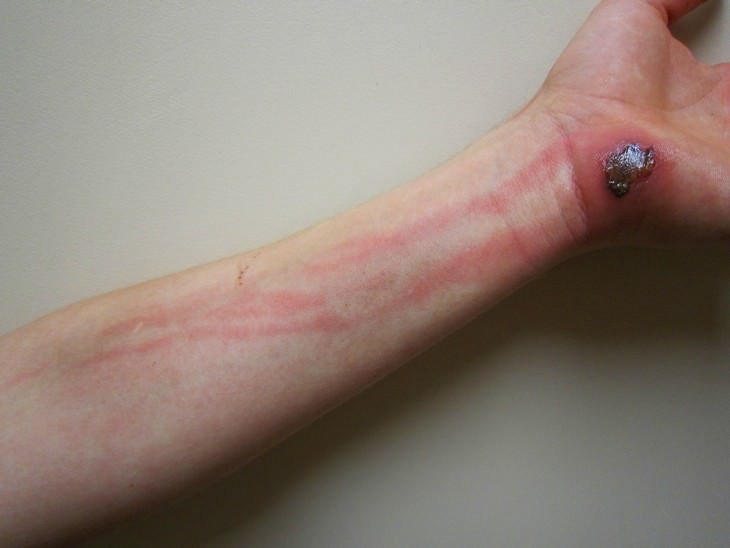
9 Conditions You Think Are Contagious But Aren't, Cellulitis
Cellulitis is caused by bacteria that live on the outer layer of our skin and are often harmless, most commonly group A strep. It becomes a problem, however, when the bacteria penetrate deep into the skin. “If there is damage — either from a cut, recent surgery, or even athlete’s foot — that damage can allow in bacteria, which can affect the deeper layers of the skin,” explains Dr. Mintz. This can result in a serious infection, characterized by swelling, redness, and fluid-filled blisters. The infected area will typically be warm and painful to touch. 
 
While cellulitis needs to be taken seriously, as it can deteriorate into a life-threatening condition, it isn’t contagious. If there is pus or oozing fluid, however, which is not typical for cellulitis, this material can spread infection. 
 
9. Legionnaires Disease
Legionnaires' disease is a rare form of pneumonia caused by the legionella bacteria. It typically begins with fever, headaches, and muscle aches. By the second or third day, people also develop a cough, chest pain, nausea, vomiting, and confusion or other mental changes. Outbreaks of legionnaires disease are likely, although the disease isn't contagious. 
 
This is because the culprits are contaminated water supplies. According to the National Institutes of Health, exposure can come from faucets, showers, whirlpools, and the ventilation systems of large buildings. Transmission can only occur when a person inhales mist or water droplets that contain the legionella bacteria. 
 
Not everyone who is exposed to the bacteria will contract the disease. Those at higher risk groups are people over 50, especially if they have a weakened immune system due to chronic illness or smoking.


This is only for your information, kindly take the advice of your doctor for medicines, exercises and so on.   

https://gscrochetdesigns.blogspot.com. one can see my crochet creations  
https://gseasyrecipes.blogspot.com. feel free to view for easy, simple and healthy recipes    
https://kneereplacement-stickclub.blogspot.com. for info on knee replacement


Labels: , , , , , , , , , , , , ,

Tuesday, January 08, 2019

7 Remedies for Psoriatic Arthritis

Some people who suffer from psoriatic arthritis prefer to explore natural treatment options as they fear the potential side effects associated with traditional treatments. According to surveys conducted, about 36% of people in the United States use some form of complementary or alternative treatment. 
Of course, the optimal treatment for any condition is one that is both effective and safe and these natural treatments for psoriatic arthritis are anecdotal - meaning that it is considered weak in comparison to what scientific studies can provide. For this reason, before starting any natural treatment to talk to your doctor, and consider consulting a naturopathic physician too. These physicians make use of diet, exercise and lifestyle changes, along with natural treatments, to help manage a disease, promote wellness, and minimize side effects from other treatments. That said, here are some herbal remedies for your consideration: 
 
1. Aloe Vera
The gel from the aloe plant may help to lessen the redness and scaling associated with psoriasis. Creams that contain 0.5% aloe can be applied to skin up to three times a day. Be warned that aloe in tablet form is not recommended and is considered to be dangerous. Aloe contains a mix of components including anthraquinones, steroids, saponins, mucopolysaccharides, and salicylic acid.
2. Capsaicin
This ingredient is found in chili peppers and when added to ointments and creams it may help to reduce pain, inflammation, redness, and scaling that is associated with psoriasis. When applied to the skin it blocks nerve endings which transmit pain. 
3. Tea Tree Oil
Tea tree oil, derived from a plant indigenous to Australia has mostly been used for wound-healing and hives. However, it has not been studied for psoriasis and people using it are warned to be careful because it can cause allergic reactions. 
4. Turmeric
Recognized for having anti-inflammatory and antioxidant properties, curcumin, the active ingredient found in turmeric can also alter TNF cytokine expression. It is believed to reduce psoriasis and flares of psoriatic arthritis. The FDA states that 1.5 to 3 grams of turmeric per day is a safe dose. 
5. Apple Cider Vinegar
Apple cider vinegar may help relieve scalp itch associated with psoriasis. It is readily available at any grocery store and can be applied to your scalp several times a week. There are users who recommend a 1:1 dilution in order to prevent burning. Rinsing is also recommended to prevent skin irritation. 
6. Dead Sea Salts
It is believed that soaking in a warm bath with Dead Sea salts or Epsom salts may help to remove scales and lessen the itchiness associated with psoriasis. 
7. Wintergreen or Boxberry
This plant is native to the eastern United States. It is said to have analgesic and anti-inflammatory properties. While it's been used topically for psoriasis, there are no scientific investigations regarding its effectiveness. As a salicylate, it can cause systemic effects, especially in people taking oral salicylates as well. Just be careful of potential toxicity.
THIS IS ONLY FOR INFORMATION, ALWAYS CONSULT YOU PHYSICIAN BEFORE HAVING ANY PARTICULAR FOOD/ MEDICATION/EXERCISE/OTHER REMEDIES.                                                                                
 PS- THOSE INTERESTED IN RECIPES ARE FREE TO  VIEW MY BLOG-                                                                                           https://gseasyrecipes.blogspot.com/                                                                                                                                                                             FOR INFO ABOUT KNEE REPLACEMENT, YOU CAN VIEW MY BLOG-                                               
     https:// kneereplacement-stickclub.blogspot.com/                                                                                     
  FOR CROCHET DESIGNS                                                                                                                                                                                                         https://gscrochetdesigns.blogspot.com

Labels: , , , , , , , , , , , , , , , ,

Thursday, September 27, 2018

Two Instances a Rash Can Be More Serious

While we may believe that we know our body, dismissing strange bumps on our skin as a passing nuisance isn't a good idea. Rashes that seem strange and are caused by bacteria, viruses, or something you've ingested could be putting your health in jeopardy. But, when are rashes a cause for concern? Below we explain two possible causes for your rash. You may recognize some of these from personal experience, or you may recognize clues to something that has been ailing you. And be sure to scroll down and watch the video at the end to discover more information. 
 
1. Shingles
skin rashes
Shingles are caused by the same herpes virus that causes chickenpox. If you have had chickenpox, there's a good chance you could develop shingles in your life too. It's a painful and viral condition that can appear when the chickenpox virus is no longer dormant.
In fact, more than half of the cases associated with shingles develop in adults over the age of 60. However, anyone can get this rash. A shingles outbreak requires medical intervention. In fact, complications can occur if the rash is close to the eye area. In which case, it is essential that you seek medical care to avoid any major issues.
2. Drug reaction rashes
skin rashes
There are times when a weird rash appears on your skin from a bug bite or food intolerance. But, it may also be due to something you are taking. In fact, Over the Counter (OTC) medicines and supplements can cause reactions, however, one of the most common sources of skin blunders is antibiotics. A rash of this sort typically begins after a few days of being on prescription. They are generally confined to a small area, or they may spread to cover larger portions of the body. Redness, swelling, or blistering may also be present. If this is the case, it is essential that you discontinue the medication immediately and visit your doctor. 
 
In addition to noticing a rash, this is accompanied by difficult breathing, blisters on the skin or in the mouth, and/or swelling, seek emergency care. In addition, watch out for fever or pain. Drug-related rashes can also resemble pimples or scales and show up anywhere on the body, including the genitals. Nevertheless, if you suspect you have a drug-induced rash, it is important to keep track of what you're taking so that doctors can pinpoint the cause.

THIS IS ONLY FOR INFORMATION, ALWAYS CONSULT YOU PHYSICIAN BEFORE HAVING ANY PARTICULAR FOOD/ MEDICATION/EXERCISE/OTHER REMEDIES.                                                                                                                                                                                                       PS- THOSE INTERESTED IN RECIPES ARE FREE TO  VIEW MY BLOG-                                                                                           https://gseasyrecipes.blogspot.com/   

 
FOR INFO ABOUT KNEE REPLACEMENT, YOU CAN VIEW MY BLOG-                                                                                                                                https:// kneereplacement-stickclub.blogspot.com/                              

FOR CROCHET DESIGNS                                                                                                                                                                                                                                 https://gscrochetdesigns.blogspot.com

Labels: , , , , , , , , , , , ,