Sunday, July 17, 2022

What Makes Whales, Elephants, and Rats Immune to Cancer?

Cancer, as well as the human DNA and genome, have been in constant ongoing research. Researchers keep on discovering new rare types of cancer, but at the same rate, they develop new, effective treatments, and for some cancers even vaccinations. While some cancers remain lethal, for milk, a diagnosis no longer means a death sentence. In this article, will discuss what we’ve learned about cancer from the animal kingdom.  
 
1. There are types of contagious cancer clam with spikes
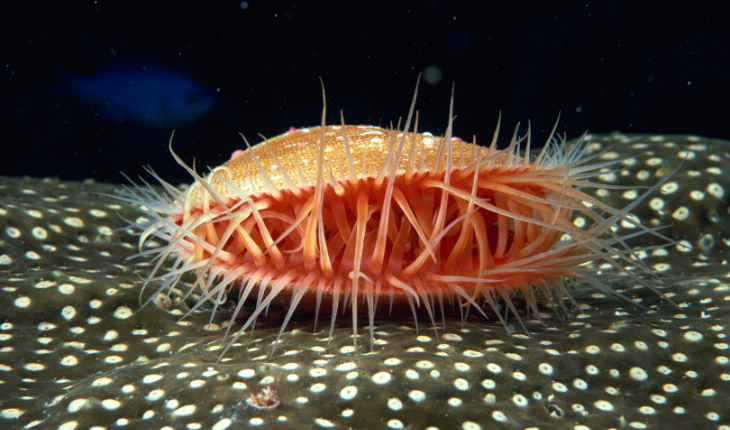
Clams, cockles, mussels, and other marine mollusks can get a type of infectious cancer called neoplasia from the seawater they live in. The cells of the disease flow freely through the water and infect mollusks through their filter feeders. Unlike leukemia, this disease is not caused by changes in the DNA of an individual. The cancerous cells settle in the new host, divide and multiply, but how they survive is still unknown. The disease causes the circulatory fluid to thicken up, and clog up the tissue, which eventually leads to inevitable death. 
 
That is not the only type of transmissible cancer in the animal kingdom. Apart from neoplasia, there are four more types of transmissible cancers a mollusk can get, but neoplasia is the most common one. 
 
2. Tasmanian devils were almost distinct due to cancer.
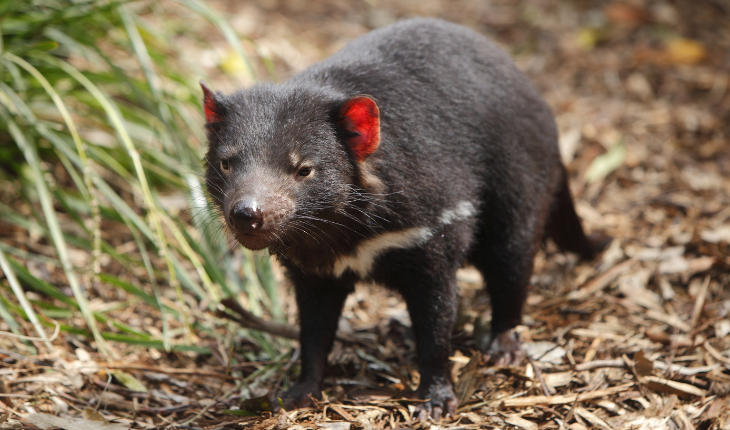
Tasmanian devil
There are two different types of transmissible cancer affecting the Tasmanian devils' population. Both are facial tumors, passed when the Devils bite each other. Considered an aggressive species, their behavior has caused the disease to spread out fast. So much so, that it has pushed their population towards extinction over the past 20 years. 
 
The Devil Facial Tumor Disease was first discovered in Northeastern Tasmania in 1996, and has since spread across 95% of the species range, but now scientists are discovering that the animals' immune system has modified to fight this disease by way of natural selection. 
 
Cancer has never been past from animals to humans. It has also never been transmissible in humans, apart for extremely rare cases- During organ transplantation, experimental treatment, and a surgical accident, as Sanger Institute states. 
 
3. Evolution made whales immune to cancer.
Just like the Tasmanian devils are gradually evolving to be able to fight cancer, bowhead whales have also evolved to be immune to cancer. Bowhead whales are one of the largest mammals on earth, growing to a length of up to 65 feet, and weighing over 100 tons. They have 1000 times more cells in their bodies than we do, an estimate of 3.7 quadrillion cells. Having these many cells must put them in an even larger risk of cancer than humans, about 1000 times more, right? But bowhead whales are seemingly immune to cancer. They are the perfect example of what’s called Peto's paradox: A lack of correlation between body size and cancer risk. A possible solution to this paradox, as found in a 2017 research, is evolution. The research suggests that “super-human cancer suppression has evolved” to make these whales essentially immune to cancer. 
 
 4. Elephants carry the Guardian of the genome
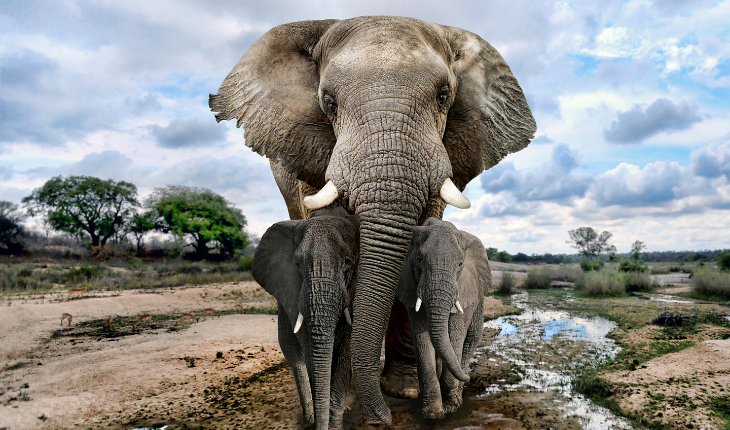
elephants in the wild
Elephants, like whales, consist of many many cells and live a long life span, but like bowhead whales, they too demonstrate a remarkable immunity to cancer. 
 
While researchers are still in the speculation stage in regards to what makes whales immune to cancer, the secret to elephants' immunity is out in the open. They have 20 copies of a tumor suppressor gene, called the Guardian of the Genome. 
 
Humans also have that gene, but we only have just one copy, which is mutated in 50% of all cancers. Elephants have a whole army of that gene, and so they can handle cancer much more efficiently than we can. Here’s how this gene works: it alters a cell metabolism in a way that affects the cell's identity. Meaning, if you reestablish this gene in a tumor, the tumor won’t go away but it will revert to a pre-cancerous state. Scientists are still in search of the right way to do it. 
 
5. Naked mole rats are resistant to cancer.
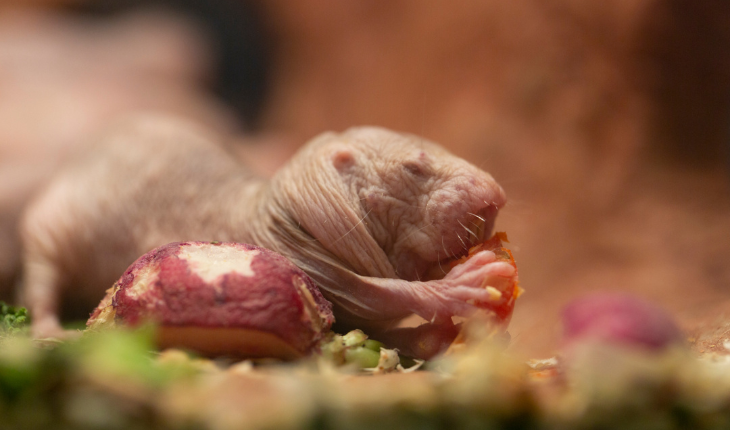
naked mole rats
Mole rats rarely get cancer. The rare times they do, they almost always survive. Blind mole rats have a protective mechanism that eliminates the whole surrounding area of cancerous cells, potentially killing cancer. The way their cells divide is also potentially cancer-immune; their cells reproduce in a different way then in most mammals. 
 
We will try to explain in a simplified manner: most mammal tissues are made of cells that are arranged tightly together to create a strong barrier. Between each cell, is a viscous padding called hyaluronic acid. 
 
But naked mole rats' tissues are nothing like that. Their cells do not multiply as much as ours do. They are arranged much farther apart, so that there is much more padding in between. This padding is much more viscous than ours too, making it harder for cancer cells to divide and spread within the rodents' bodies.

6. Humans share a rare cancer with dogs and horses
Mucosal melanoma is one of the rarest forms of skin cancer, making up only 1% of diagnoses. As the name suggests, it occurs in areas of the body coated in mucosal lining such as the nose, mouth, sinuses, and genitals- areas that don’t see the sun, making it difficult to diagnose. 
 
With as few as 700 cases diagnosed a year in the US, there still isn’t enough research about it and so the cause of mucosal melanoma remains unknown. 
 
What researchers do know is that this type of cancer is not unique to humans. It’s seen across mammal species including dogs and horses. Studies have shown that a handful of genes that are mutated in this form of cancer repeat themselves in dogs and horses too. This information may help narrow down the targets for new drugs, as well as more research.


This is only for your information, kindly take the advice of your doctor for medicines, exercises and so on.   

https://gscrochetdesigns.blogspot.com. one can see my crochet creations  
https://gseasyrecipes.blogspot.com. feel free to view for easy, simple and healthy recipes    
https://kneereplacement-stickclub.blogspot.com. for info on knee replacement


Labels: , , , , , ,

Wednesday, December 01, 2021

Understanding Cancer - 8 Scary Myths Dispelled

Cancer is one of the scariest words in existence. And the fear of this disease is very realistic. After all, it is the leading cause of death worldwide. Cancer takes the lives of 10 million people every year according to data by the World Health Organization (WHO) from 2020. The word “cancer” is an umbrella term for a huge variety of genetic conditions that can develop in any part of the body, so it’s only natural that we develop some preconceived notions about this scary disease.

Believing in cancer myths can be more dangerous than you think, as it leads to needless worry and redirects your attention from preventative practices that are important. In this article, we dispel 8 big misconceptions about cancer.

Myth 1. Cancer is almost always fatal
In the 21st century, a cancer diagnosis is not a death sentence. In the past few decades, cancer detection and treatment have improved tremendously. According to a 2020 cancer report in the US, cancer rates have been consistently dropping by an average of 1.5% since the early 2000s. 
 
The National Cancer Institute states the following: “Now, 5-year survival rates for some cancers, such as breast, prostate, and thyroid cancers, are 90% or better. The 5-year survival rate for all cancers combined is currently about 67%.” 
 
It has to be pointed out, however, that the survival rates vary considerably depending on the type of cancer. In the UK, for example, 98% of testicular cancer patients recover, but that rate is just 1% for pancreatic cancer sufferers - states Cancer Research UK. 
 
Myth 2. Eating sugar makes cancer grow faster
All cells in the human body, even cancer cells, use glucose (blood sugar) to grow, survive, and multiply. Glucose is the only fuel cells can essentially absorb. Since cancer cells tend to grow faster, doctors know that they devour greater amounts of glucose, and they use this knowledge in some cancer tests. But this doesn’t mean that eating sugar makes cancer cells grow at a greater speed, or that depriving yourself of sweets will slow down cancer - cancer cells will absorb more glucose no matter what your diet is.

Of course, there are plenty of good reasons to avoid a high-sugar diet, including a higher risk of diabetes, obesity, and a higher RISK of developing esophageal cancer. However, if you or someone you know has already been diagnosed with cancer, cutting out sweet foods is unlikely to make a difference. 
 
Myth 3. There is no cure for cancer
Cancer will not necessarily come back. In fact, certain types of cancer can be effectively cured even at advanced stages. “In addition to curing advanced testicular cancer and lymphomas (Hodgkin’s disease and non-Hodgkin lymphomas), we usually expect to cure most early forms of breast, colon, prostate, and skin cancer, including melanoma,” says Dr. Michael McNamara, a registered oncologist to the Cleveland Clinic. 
 
Treatments are more effective now than ever before, and most cancer types are treatable. Unfortunately, not all types of cancer can be cured completely - it all depends on the type of cancer and the stage of the disease. That said, even the scariest cancers like stage 4 melanoma, breast cancer, and stage 4 colon cancer with metastases in the liver have more than 40% chance to be cured completely with a combination of chemotherapy and surgery - so says Prof. Anton Bilchik, a surgical oncologist and chief of medicine at Saint John’s Cancer Institute in Santa Monica, California to Medical News Today.


Myth 4. Most cancers are hereditary
Cancer Myths woman and girl holding hands

Most of us are aware that cancer develops as a result of malignant mutations in the DNA. However, only a small percentage of cancers occur due to inherited genetic mutations. These cancers are known as “familial” or “hereditary,” and they account for roughly 5-10% of all cancers. 
 
Most cancers are “non-hereditary,” meaning that they are caused by genetic mutations that occur as a result of aging, harmful habits like smoking and alcohol, or factors like X-ray radiation or exposure to harmful chemicals. Likewise, even people who have a strong family history of cancer can prevent cancer by leading a healthy lifestyle and undergoing regular screenings.

Myth 5. Biopsies and cancer surgery make cancer spread
This myth is actually partially true. It is correct to assume that improperly conducted surgery could potentially lead to the spread of cancer, but there are so many protocols and precautions to cancer surgery that the chances of that happening are extremely low. The advances in imaging and treatment reduce this risk even further. 
 
As stated by the National Cancer Institute, “The chance that surgery will cause cancer to spread to other parts of the body is extremely low. Following standard procedures, surgeons use special methods and take many steps to prevent cancer cells from spreading during biopsies or surgery to remove tumors.” Biopsies, too, are not a cause for concern. A study from 2015 of over 2,000 participants dispels the misconception that tumor biopsies lead to cancer spreading. 
 
All in all, the benefits of biopsies and surgery far outweigh their risks. 
 
Myth 6. Cancer always requires urgent treatment
Cancer Myths pet scan
Even we were surprised to learn this, but the best course to choose in some scenarios is an approach doctors call “watchful waiting.” Cancers that grow very slowly, such as certain prostate cancers, lymphomas, and leukemias, are observed before treating or managed with medication rather than surgery or chemotherapy. In other cases, cancer may not be the primary threat to one’s health, in which case, doctors can also choose to treat another health issue first before addressing cancer. 
 
Needless to say, all this doesn't mean that you shouldn't see a doctor as soon as you notice any pain or any other signs of cancer. Only a professional can decide which cancers must be treated, as well as when and how the treatment should be administered.
 
Myth 7. Cancer can be contagious

You cannot catch cancer from a person who has it - this is a complete myth. So don’t be afraid to visit or touch a family member or friend if they get diagnosed. That being said, there are a few, albeit indirect, ways one can get cancer from another person. 
 
Some viruses can increase one’s risk of cancer. Women who have contracted the human papillomavirus (HPV) is linked to cervical cancer, hepatitis B or C raises the likelihood of liver cancer, and the Epstein-Barr virus raises one’s risk of certain lymphomas, nose-, and throat cancer. 
 
In addition, one can technically get cancer as a result of organ or tissue transplantation if the donor had cancer in the past. However, this kind of transplant-related cancer is very rare because doctors never use organs or tissues from donors with a known medical history of cancers.

Myth 8. The many mythical causes of cancer
There’s a wide variety of misconceptions surrounding everyday activities and objects that supposedly trigger cancer. Believing these myths can cause a lot of unnecessary stress and anxiety, which, unlike phones and deodorants, do impact your health in a negative way. Here’s a list of items wrongfully attributed to cancer: 
 
Smartphones, power lines, and microwaves 
 X-rays can increase one’s risk of cancer, but the radio waves your phone and other home devices emit are different and don’t come with the same risks. These waves are called non-ionizing radiation, and they produce extremely low frequency (ELF) magnetic waves that cannot damage genes. 
 
As the American Cancer Society concludes, “Several large studies have looked at the possible effects of ELF magnetic fields on cancer in rats and mice. Most of these studies have found no increase in the risk of any type of cancer. In fact, the risk of some types of cancer was actually lower in the animals exposed to the ELF radiation.” 
 
Artificial sweeteners  
 
Artificial sweeteners like sucralose, aspartame, saccharin, acesulfame potassium, and neotame have been tested several times and deemed safe and not linked to cancer. For example, a massive study with over half a million participants has detected no link between aspartame and brain cancer, lymphoma, and leukemia. In addition, all of these sweeteners are also approved by the FDA, so you needn’t worry about using them occasionally.

Hair dye 
Getting a root touch-up every month or so will not increase your risk of cancer. While there is some evidence suggesting that daily exposure to chemicals like hair dyes can raise the risk of bladder cancer, we can all agree that most of us don’t dye our hair on a daily basis. This research is relevant mostly to hairdressers and barbers who work with hair dye every day, and regular consumers shouldn’t be concerned about using these products. 
 
Deodorants and antiperspirants 
Some people believe that antiperspirants and deodorants increase the risk of breast cancer. This myth comes from a study in which aluminum was found in the breast tissue of women who used antiperspirants that contain aluminum, or from test-tube studies in mice and hamsters. However, the presence of aluminum in the breast tissue doesn’t increase the risk of breast cancer - indicates a large review study from 2008 and a more recent analysis from 2021. 
 
We hope that you found this article informative and useful. We wish you strong health!


Labels: , , , , , , , , , , ,

Thursday, November 04, 2021

Some common breast cancer myths

Some common breast cancer myths 

In Indian women, breast cancer is one of the most frequent cancers. Breast cancer accounts for roughly 14 % of all cancers in women, with the percentage being higher in urban areas than in rural India. When some breast cells begin to develop abnormally and multiply more quickly than healthy cells, a lump gets formed. Cells in the breast might go to lymph modes or other regions of the body.

But patients sometimes are caught unawares and fail to take treatment at the right time due to several myths.

Myth- breast cancer cannot be developed because there is no family history.

Fact- many women who are diagnosed with breast cancer have no family history of the disease.

Myth 1- breast cancer is incurable.

Fact- if caught early enough, it is curable.

Myth 2- breast cancer is contagious or infectious.

Fact – it is not infectious or contagious.

Myth 3- breast conservation surgery is riskier than total breast removal or mastectomy

Fact- breast conservation surgery combined with radiation therapy is just as safe as total breast removal or mastectomy.

Myth 4- every breast lump is cancerous.

Fact –every breast lump should be investigated, but not every breast lump is cancerous.

The majority of new breast lumps are benign and if you had a recent normal mammogram, that percentage is likely to be even higher.

Myth 5- men are immune to breast cancer.

Fact – men account for 1 % of all breast cancer patients. Although it is uncommon, men can develop breast cancer.

Although male breast cancer accounts for only 1 – 2% of all breast cancer cases, the incidence rate is gradually increasing. Furthermore, due to a lack of awareness and delayed diagnosis, men have a higher mortality rate from breast cancer.

Myth 6- breast cancer can be caused by stress.

Fact – there is no evidence to support a connection between stress and breast cancer. There is evidence that stress does not increase the risk of breast cancer. That is not to say that stress does not affect health. This can have significant mental and physical health benefits, but it does nothing to reduce the risk of breast cancer.

Myth 7- abortion raises the risk of developing breast cancer.

Fact- this question arises because we know that estrogen exposure is directly related to breast cancer risk and abortion disrupts the normal hormonal cycle of pregnancy. But according to research, there is no link between abortion and breast cancer.

Myth 8 – a healthy lifestyle reduces the risk of breast cancer.

Fact – while it is true that overweight postmenopausal women are at an increased risk of developing breast cancer, there is nothing a woman can do to eliminate breast cancer risk. Even after a bilateral mastectomy, women are still at risk of developing new breast cancer.

Myth 9-breast cancer risk is increased by wearing underwire bras.

Fact- although underwire bras do not increase the risk of breast cancer, it is always recommended wire-free bras. The wire may irritate the skin beneath the breast, resulting in skin breakdown. This breakdown could allow bacteria to enter the breast, resulting in infection.


In Indian women, breast cancer is one of the most frequent cancers. Breast cancer accounts for roughly 14% of all cancers in women, with the percentage being higher in urban areas than in rural India. When some breast cells begin to develop abnormally and multiply more quickly than healthy cells, a lump gets formed. Cells in the breast might go to lymph nodes or other regions of the body. But patients sometimes are caught unawares and fail to take treatment at the right time due to several myths.

https://www.thehansindia.com/life-style/some-common-breast-cancer-myths-713819

Labels: , , , , , , , , , , , ,