These 15 Things Have All Strongly Been Linked to Cancer
When it comes to deaths in the US, cancer is second only to heart disease. It fundamentally affects the way that our cells grow and divide, changing them in tenacious ways. All cancers come about due to damage or genetic mutations in our DNA.
Many cases of cancer are out of our control, determined by genetic defects and predispositions passed down from one generation to the next or spurred by genetic changes that we undergo in our lifetime.
However, we also know that breathing in certain substances, eating
specific items, and even using some kinds of plastics increases the risk
of developing deadly cancer. Below are 15 known and suspected
carcinogens.
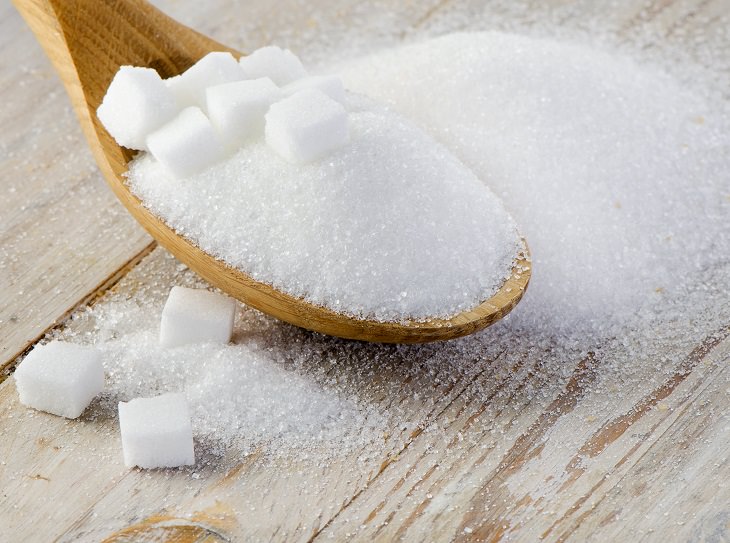
1. Sugar
Scientists now know that consuming too much
sugar can not only lead to diabetes, but it can also actively damage
your cells and increase your risk of developing cancer. But that’s not
all, we’re afraid.
New research suggests that sugar might fuel tumor growth in the body
because cancer uses sugar as fuel. Scientists say that the
ground-breaking research gives us a better understanding of how cancer
cells and sugar interact and that it could one day help to create
targeted diet strategies for patients.
2. Processed Foods
Any food that comes in a plastic wrapper and is able to last for months
without spoiling may be a good on-the-go fix for a hunger pang, but it
also likely increases your chances of developing cancer.
French scientists recently zeroed in on a link between people who eat
more processed foods and those who develop cancer. They’re not entirely
sure yet whether the issue is the shelf-stabilizing ingredients, the
packaging, or a combination of the two.
3. Smoking
We’ve known for years that tobacco smoke contains at least 70
cancer-causing chemicals. Furthermore, it’s not just smokers who are
affected – people who inhale second-hand smoke can develop deadly forms
of cancer as well.
The Center for Disease Control and Prevention says that “Non-smokers who
are exposed to second-hand smoke at home or at work increase their risk
of developing lung cancer by 20-30%.
4. Tanning and Unexpected Sun Exposure
According to the Skin Cancer Foundation, those who use a tanning bed
before the age of 35 increase their risk of developing melanoma by 75%.
Being exposed to regular sun can hurt you too, so wearing protective
clothing and sunscreen and finding shade are good ideas if you need to
be out in the sunshine for more than 15 minutes.
5. Working a Night Shift
In 2007, The International Agency for Research on Cancer classified
nighttime work as a probable carcinogen. Scientists believe that
working at night and working long hours in the dark can mess with the
body’s natural, circadian sleep and wake cycles.
6. Charred Meat and Grilling Over an Open Flame
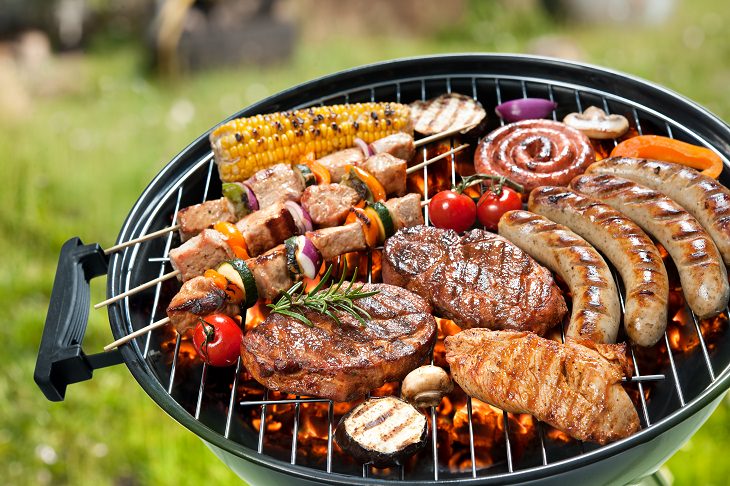
Smoky meats from the grill might be tasty
and tender, but they probably also increase your risk of cancer. This is
because the muscle meats contain compounds called heterocyclic amines,
or HCAs, and the polycyclic aromatic hydrocarbons, or PAHs.
According to the National Cancer Institute, when meat such as chicken,
fish, or beef is cooked over a hot open flame or pan-fried at high
temperatures, the juices and fat that they release into the fire spark
flames with the dangerous chemicals inside (that then cook the meat we
intend to eat).
Scientists aren’t entirely sure if these chemicals cause cancer, but in
lab tests, they have been found to change DNA in ways that could
increase the risk of cancer.
7. Alcohol
Regular alcohol consumption can increase your risk of developing several
different kinds of cancer, including liver, throat, breast, and colon.
According to the National Cancer Institute, “the risk of developing
cancer increases with the amount of alcohol a person drinks.”
A recent analysis of nearly 6,000 drinkers in 19 high-income countries
around the world revealed that drinking more alcohol is associated with
developing all kinds of cancers of the digestive system.
8. Diesel Exhaust
According to the International Agency for Research on Cancer, diesel oil
contains more than 30 components that can cause cancer.
9. Wood Dust
Sawmill workers and carpenters who breathe in tons of dust from cutting
and shaping wood on a regular basis are more likely to develop cancers
of the sinus and nasal cavity than the average person.
10. Birth Control and Estrogen
Women who start menstruation early or go
into menopause later might have an increased risk of breast cancer
because they’re exposed to more estrogen and progesterone made by the
ovaries.
Furthermore, women who are going through menopause who use a combined
estrogen-progestin therapy to help ease their symptoms might also be at a
greater risk of developing breast cancer.
Using birth control pills might also increase a woman’s risk of
developing cervical cancer, though there is some evidence that being on
birth control is associated with a reduced risk of developing other
cancers like colorectal and ovarian.
11. Viruses
Catching certain kinds of viruses can
indirectly increase your chances of cancer. This is because, in some
situations, viruses trigger genetic changes in cells that can contribute
to cancer.
The CDC says: “some viruses linked to cancer are the human
papillomavirus (HPV), which causes cervical cancer; hepatitis B and C
viruses, which can cause liver cancer; and the Epstein-Barr virus, which
may cause a type of lymphoma.”
12. Obesity
Being obese can put you at an increased risk of developing different
types of cancers including colon, rectum, breast, esophagus, pancreas,
and kidney.
However, there are things that you can do to reduce your risk.
Prevention includes eating healthy foods and making sure you get enough
exercise, both of which not only help people maintain a healthy weight
and reduce their chances of developing some of those cancers, but it can
also ward off depression and boost your mood, too.
13. Air Pollution
Smoggy air and the particles in it can also lead to cancer.
Soot isn’t great in general. In London, people started noticing lots of
chimney sweepers developing scrotal cancer in the 1770s, and further
studies found a correlation between the backbreaking chimney work and
increased cancer rates.
Soot inhalation has also been linked to esophageal, bladder, and lung
cancers.
14. Some Plastics
Plastics can be dangerous, especially when they start to leach out
chemicals through scratches or cracks in the container.
BPA is a synthetic estrogen that has been used in many resins and
plastics since the 1960s. BPA resins can be used inside products such as
metal food cans as sealants, while polycarbonate BPA plastics can
include water bottles and food storage containers.
While many plastic manufacturers have started to label their products
“BPA-free,” there’s still a lot floating around that can cause breast
and prostate cancer.
15. Getting Intimate before You’ve Had Your HPV Shots
HPV is a common family of sexually transmitted viruses, and it’s one of
the ones we mentioned above that can cause cancer. The Center for
Disease Control and Prevention says that more than 40 different types
can be passed around through sexual contact.
Many forms of this virus go away on their own and are relatively
harmless, but others can cause penile, cervical, vaginal, and anal
cancers. Even the use of a condom won’t necessarily prevent the spread
of HPV. This is why the CDC recommends that all boys and girls get the
HPV vaccine, ideally before their first sexual encounter.
This is only for your information, kindly take the advice of your doctor for medicines, exercises and so on.
https://gscrochetdesigns.blogspot.com. one can see my crochet creations
https://gseasyrecipes.blogspot.com. feel free to view for easy, simple and healthy recipes
https://kneereplacement-stickclub.blogspot.com. for info on knee replacement
https://cancersupportindia.blogspot.com for infor on cancer and health related topics
https://GSiyers home remedies.blogspot.com is the latest addition to my blogs. I'm going to add posts there, do give me your valuable feed back on my blogs. Thanks a lot, take care, be healthy and be happy.
https://gscrochetdesigns.blogspot.com. one can see my crochet creations
https://gseasyrecipes.blogspot.com. feel free to view for easy, simple and healthy recipes
https://kneereplacement-stickclub.blogspot.com. for info on knee replacement
https://cancersupportindia.blogspot.com for infor on cancer and health related topics
https://GSiyers home remedies.blogspot.com is the latest addition to my blogs. I'm going to add posts there, do give me your valuable feed back on my blogs. Thanks a lot, take care, be healthy and be happy.
Labels: air pollution, birth control & estrogen, charred meat, diesel exhaust, HPV, night shifts, obese, plastics, processed foods, Smoking, tanning & unexpected sun exposure, things linked to cancer- sugar, wood dust
posted by G S Iyer at 11:10 PM
0 comments