Sunday, July 17, 2022

What Makes Whales, Elephants, and Rats Immune to Cancer?

Cancer, as well as the human DNA and genome, have been in constant ongoing research. Researchers keep on discovering new rare types of cancer, but at the same rate, they develop new, effective treatments, and for some cancers even vaccinations. While some cancers remain lethal, for milk, a diagnosis no longer means a death sentence. In this article, will discuss what we’ve learned about cancer from the animal kingdom.  
 
1. There are types of contagious cancer clam with spikes
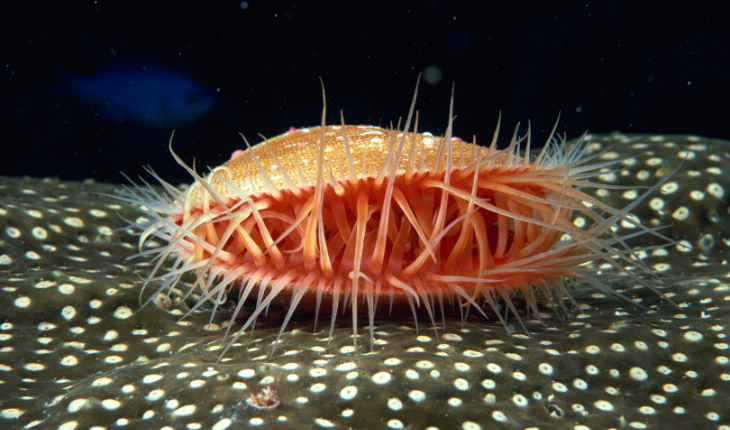
Clams, cockles, mussels, and other marine mollusks can get a type of infectious cancer called neoplasia from the seawater they live in. The cells of the disease flow freely through the water and infect mollusks through their filter feeders. Unlike leukemia, this disease is not caused by changes in the DNA of an individual. The cancerous cells settle in the new host, divide and multiply, but how they survive is still unknown. The disease causes the circulatory fluid to thicken up, and clog up the tissue, which eventually leads to inevitable death. 
 
That is not the only type of transmissible cancer in the animal kingdom. Apart from neoplasia, there are four more types of transmissible cancers a mollusk can get, but neoplasia is the most common one. 
 
2. Tasmanian devils were almost distinct due to cancer.
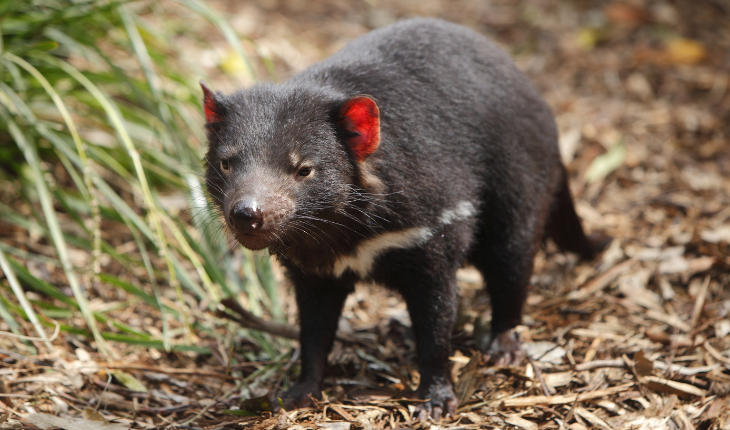
Tasmanian devil
There are two different types of transmissible cancer affecting the Tasmanian devils' population. Both are facial tumors, passed when the Devils bite each other. Considered an aggressive species, their behavior has caused the disease to spread out fast. So much so, that it has pushed their population towards extinction over the past 20 years. 
 
The Devil Facial Tumor Disease was first discovered in Northeastern Tasmania in 1996, and has since spread across 95% of the species range, but now scientists are discovering that the animals' immune system has modified to fight this disease by way of natural selection. 
 
Cancer has never been past from animals to humans. It has also never been transmissible in humans, apart for extremely rare cases- During organ transplantation, experimental treatment, and a surgical accident, as Sanger Institute states. 
 
3. Evolution made whales immune to cancer.
Just like the Tasmanian devils are gradually evolving to be able to fight cancer, bowhead whales have also evolved to be immune to cancer. Bowhead whales are one of the largest mammals on earth, growing to a length of up to 65 feet, and weighing over 100 tons. They have 1000 times more cells in their bodies than we do, an estimate of 3.7 quadrillion cells. Having these many cells must put them in an even larger risk of cancer than humans, about 1000 times more, right? But bowhead whales are seemingly immune to cancer. They are the perfect example of what’s called Peto's paradox: A lack of correlation between body size and cancer risk. A possible solution to this paradox, as found in a 2017 research, is evolution. The research suggests that “super-human cancer suppression has evolved” to make these whales essentially immune to cancer. 
 
 4. Elephants carry the Guardian of the genome
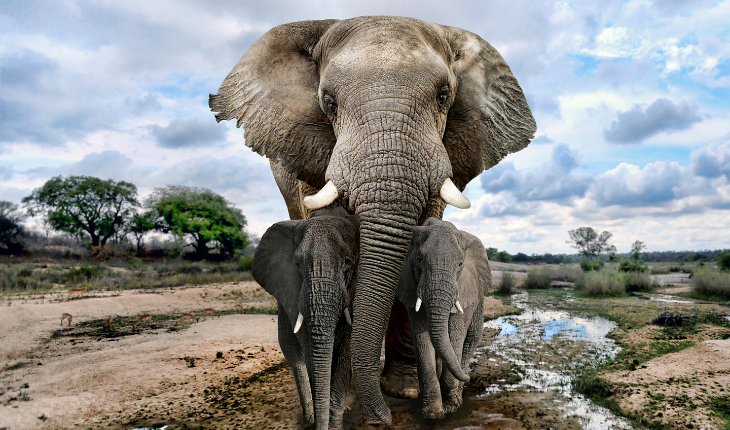
elephants in the wild
Elephants, like whales, consist of many many cells and live a long life span, but like bowhead whales, they too demonstrate a remarkable immunity to cancer. 
 
While researchers are still in the speculation stage in regards to what makes whales immune to cancer, the secret to elephants' immunity is out in the open. They have 20 copies of a tumor suppressor gene, called the Guardian of the Genome. 
 
Humans also have that gene, but we only have just one copy, which is mutated in 50% of all cancers. Elephants have a whole army of that gene, and so they can handle cancer much more efficiently than we can. Here’s how this gene works: it alters a cell metabolism in a way that affects the cell's identity. Meaning, if you reestablish this gene in a tumor, the tumor won’t go away but it will revert to a pre-cancerous state. Scientists are still in search of the right way to do it. 
 
5. Naked mole rats are resistant to cancer.
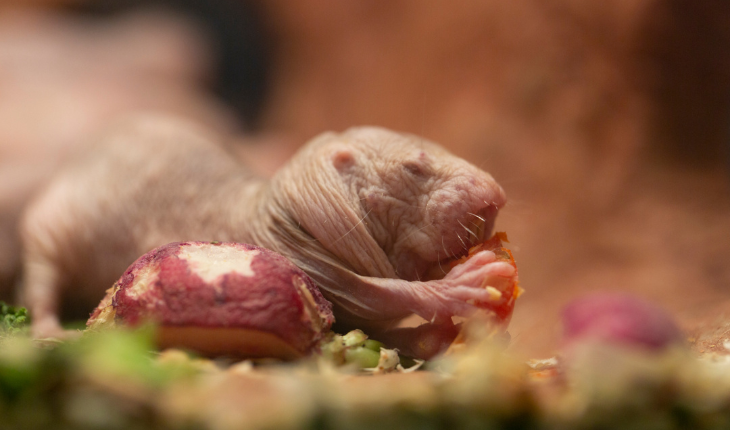
naked mole rats
Mole rats rarely get cancer. The rare times they do, they almost always survive. Blind mole rats have a protective mechanism that eliminates the whole surrounding area of cancerous cells, potentially killing cancer. The way their cells divide is also potentially cancer-immune; their cells reproduce in a different way then in most mammals. 
 
We will try to explain in a simplified manner: most mammal tissues are made of cells that are arranged tightly together to create a strong barrier. Between each cell, is a viscous padding called hyaluronic acid. 
 
But naked mole rats' tissues are nothing like that. Their cells do not multiply as much as ours do. They are arranged much farther apart, so that there is much more padding in between. This padding is much more viscous than ours too, making it harder for cancer cells to divide and spread within the rodents' bodies.

6. Humans share a rare cancer with dogs and horses
Mucosal melanoma is one of the rarest forms of skin cancer, making up only 1% of diagnoses. As the name suggests, it occurs in areas of the body coated in mucosal lining such as the nose, mouth, sinuses, and genitals- areas that don’t see the sun, making it difficult to diagnose. 
 
With as few as 700 cases diagnosed a year in the US, there still isn’t enough research about it and so the cause of mucosal melanoma remains unknown. 
 
What researchers do know is that this type of cancer is not unique to humans. It’s seen across mammal species including dogs and horses. Studies have shown that a handful of genes that are mutated in this form of cancer repeat themselves in dogs and horses too. This information may help narrow down the targets for new drugs, as well as more research.


This is only for your information, kindly take the advice of your doctor for medicines, exercises and so on.   

https://gscrochetdesigns.blogspot.com. one can see my crochet creations  
https://gseasyrecipes.blogspot.com. feel free to view for easy, simple and healthy recipes    
https://kneereplacement-stickclub.blogspot.com. for info on knee replacement


Labels: , , , , , ,

Sunday, February 16, 2020

Understanding Why Cancer Rarely Strikes Elephants Is Vital

It is estimated that almost 10 million people die from cancer annually. Even with the widespread advancements we've made in science and technology, the complete cure for cancer has eluded humankind for long. What’s worse, it’s not just humans who are suffering from this disease. You would be surprised to know that the mortality rate in the animal kingdom due to cancer is quite similar to that of humans.

A lot of you must be aware that pet dogs and cats are often diagnosed with various forms of cancer. Wild animals get cancer, too. Tasmanian devils, sea lions, beluga whales, among others, often die as a result of being afflicted with this disease.

One animal, however, doesn’t seem to get cancer that often – the elephant. In fact, only about 5% of elephants die from cancer. This is remarkably low for an animal that is so large in size.


Can elephants provide the solution to fight cancer?
Elephants, the giants of the wild, have an average life span of 60-70 years, which is considered unusual for an animal that is so large. If we go by statistics, bigger animals have more cells, and hence, should have greater occurrences of cancer. This is simply because their cells are dividing so quickly they should just have really high rates of mutation and cancer. But that isn’t the case with elephants. This phenomenon is called “Peto’s paradox”, named after the scientist Richard Peto, who observed that cancer prevalence is not correlated with body size.


The “zombie gene” and how it helps elephants remain largely cancer-free

Now, a new study has offered clues in regard to the elephant's apparent immunity to cancer, which could lead to being a breakthrough from a medical standpoint. Apparently, elephants have, what researchers are saying, a “zombie gene”. In other words, these animals have extra copies of two cancer-fighting genes. Firstly, there is P53, which hunts for cells with miscopied DNA. The other and more significant one is Leukemia Inhibitory Factor or LIF – a gene that eliminates the mutated cells before they can form a tumor. 


Interestingly, a majority of mammals have one copy of LIF. But elephants have 7 to 11 of them. The one that is doing the job for these giant mammals appears to be Leukemia Inhibitory Factor Pseudogene or LIF6. So far, this has only been found in elephants, and this is what scientists believe is helping their bodies remain mostly cancer-free.

On checking the evolutionary record of these animals, it was later discovered that the LIF6 had actually become inactive in elephant DNA millions of years ago. Curiously, though, it then mysteriously resurrected itself. Initially, it was a broken and useless gene. However, as the elephants evolved, so did the genes, and the LIF6 managed to reawaken in them as a working “zombie gene”.


How the LIF6 gene works in elephants

To illustrate the significance of the LIF6 gene, scientists carried out lab experiments where they caused DNA damage to African elephant cells. The damage appeared to trigger P53 to turn on the LIF6 gene which then went on to destroy the impaired cells. Furthermore, when the LIF6 was prevented from functioning, the elephant-specific sensitivity to cell damage seemed to disappear.

Take a look at this video below to understand more about the "zombie gene".


Scientists also believe that the LIF6 gene is not the only one keeping cancer in check in elephants. “LIF6 is playing a small part in a broader process,” says Vincent Lynch, an evolutionary biologist at the University of Chicago. Joshua Schiffman, a pediatric oncologist at the University of Utah, agrees, and adds: “there are almost certainly going to be other findings as well.”

In 2018, a team of scientists published a study that laid emphasis on another set of genes that helps in repairing broken elephant DNA instead of killing damaged cells. Further studies are being conducted in this regard which could lead to significant breakthroughs in understanding how the elephant remains largely immune to cancer.


Importance of P53 - the tumor-suppressing gene in elephants

Meanwhile, the importance of the tumor-suppressing gene P53 in elephants cannot be undermined, too. Before the LIF6 gene was discovered, scientists believed that it was P53 that helped elephants remain mostly cancer-free. In 2015, Schiffman and his team had published a paper that found that elephants have extra copies of P53. Humans have one copy of this gene while elephants have 20.
“P53 can recognize DNA damage and then go, ‘OK what are our options?’” explains Amy Boddy, a biologist at the University of California, Santa Barbara. Cells that have normal issues can be repaired. However, the ones with severe damage become prone to cancer. This is where the P53 steps in and orders those cells to be killed in elephants. Furthermore, P53 also stops the cell from proliferating. That gives it the time to repair itself when damaged.

Thus, with these two super genes – the P53 and the LIF6 – the elephant has managed to fight off cancer for so long. 


What does this mean for humans?

Bowhead whales and blind mole rats are some of the other animals in the wild who have managed to found ways to live long lives without suffering from this dreaded disease. Perhaps, the more we understand about the basic biology of all these animals, the more it would help humans in the longer run.

Currently, scientists are working with pediatric oncologists, the zoo, and the circus to learn from elephants. The ultimate goal is to attain a complete understanding of the elephants’ defense mechanism against cancer and to use it in the cancer treatments for humans.


This is only for your information, kindly take the advice of your doctor for medicines, exercises and so on.     
https://gscrochetdesigns.blogspot.com. one can see my crochet creations  
https://gseasyrecipes.blogspot.com. feel free to view for easy, simple and healthy recipes    
https://kneereplacement-stickclub.blogspot.com. for info on knee replacement
 

Labels: , , , , , , , , , , ,

Saturday, October 10, 2015

Elephants could hold key to cancer cure

       
THIS IS ONLY FOR INFORMATION, ALWAYS CONSULT YOU PHYSICIAN BEFORE HAVING ANY PARTICULAR FOOD/ MEDICATION/EXERCISE/OTHER REMEDIES.


PS- THOSE INTERESTED IN RECIPES ARE FREE TO VIEW MY BLOG-
HTTP:GSEASYRECIPES.BLOGSPOT.COM


FOR INFO ABOUT KNEE REPLACEMENT, YOU CAN VIEW MY BLOG
HTTP://KNEE REPLACEMENT-STICK CLUB.BLOGSPOT.COM/

FOR CROCHET DESIGNS- http://My Crochet Creations.blogspot.com/
 
 Disease Uncommon In Jumbos Due To Tumour-Suppressing Gene Which May Help Develop Drugs For Us Cancer is much less common in elephants than in humans, even though the bodies of jumbos have many more cells.

That's a paradox known among scientists, and now researchers think they may have an explanation which might lead to new ways to protect people from cancer. Compared with just one copy in humans, elephants' cells contain 20 copies of a major cancer-suppressing gene. The gene helps damaged cells repair themselves or self-destructive when exposed to cancer-causing substances. The findings aren't proof that those extra p53 genes make elephants cancer-resistant, but if future research confirms it, scientists could try to develop drugs for humans that would mimic the effect. Dr Joshua Schiffman, a pediatric cancer specialist at the University of Utah who led one of the teams, began his research after hearing about Peto's paradox, which refers to the fact that large animals, including elephants and whales, have comparatively low cancer rates even though they have many more cells than smaller species. Cancer involves uncontrolled cell growth.

Schiffman's patients include children with incomplete p53 genes because of a condition called Li-Fraumeni syndrome, which increases their chances of developing cancer. So, Schiffman sought to find clues from the blood of eight elephants. The team compared how elephant cells reacted to radiation, compared with cells from 10 humans and 10 patients with Li-Fraumeni syndrome.

The elephant cells self destructed at twice the rate of healthy human cells and more than five times the rate of cells from patients with the syndrome. Cells that don't self-repair or self-destruct when exposed to carcinogens become prone to developing cancer. While the research won't lead to any immediate treatment for humans, progress against cancer can come "from unexpected directions," said Dr Ted Gansler of American Cancer Society . Schiffman's team also analyzed necropsy data and found that elephants sometimes live as long as humans, yet only about 1 in 20 die of cancer, versus about 1in 4 humans.

The second group of researchers, working with frozen zoo specimens, looked at more than 60 other species and found only elephants and wooly mammoths, their extinct relatives, had extra copies of the cancer-suppressing gene.They then inserted elephants' p53 genes into mouse cells and found those cells behaved just like elephants and self-destructed when exposed to DNAdamaging drugs.
   

Labels: , , , , ,