Sunday, July 17, 2022

What Makes Whales, Elephants, and Rats Immune to Cancer?

Cancer, as well as the human DNA and genome, have been in constant ongoing research. Researchers keep on discovering new rare types of cancer, but at the same rate, they develop new, effective treatments, and for some cancers even vaccinations. While some cancers remain lethal, for milk, a diagnosis no longer means a death sentence. In this article, will discuss what we’ve learned about cancer from the animal kingdom.  
 
1. There are types of contagious cancer clam with spikes
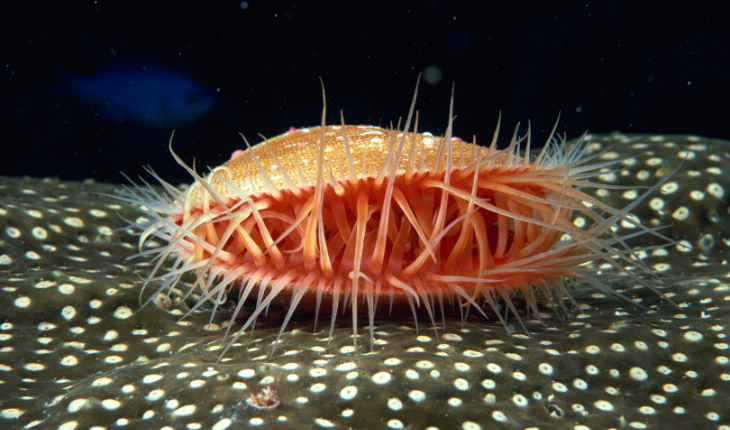
Clams, cockles, mussels, and other marine mollusks can get a type of infectious cancer called neoplasia from the seawater they live in. The cells of the disease flow freely through the water and infect mollusks through their filter feeders. Unlike leukemia, this disease is not caused by changes in the DNA of an individual. The cancerous cells settle in the new host, divide and multiply, but how they survive is still unknown. The disease causes the circulatory fluid to thicken up, and clog up the tissue, which eventually leads to inevitable death. 
 
That is not the only type of transmissible cancer in the animal kingdom. Apart from neoplasia, there are four more types of transmissible cancers a mollusk can get, but neoplasia is the most common one. 
 
2. Tasmanian devils were almost distinct due to cancer.
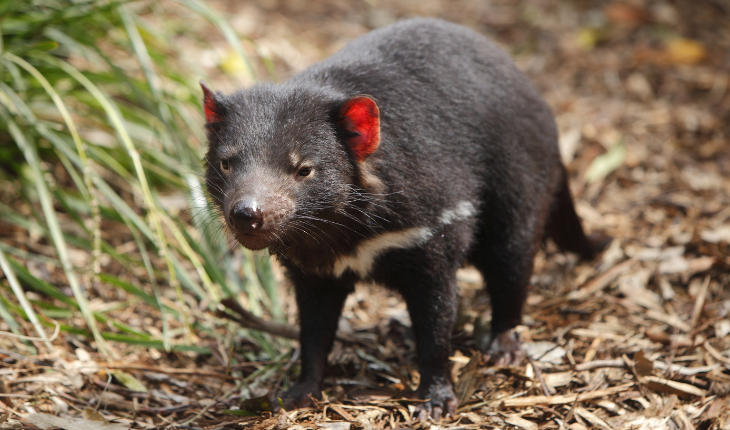
Tasmanian devil
There are two different types of transmissible cancer affecting the Tasmanian devils' population. Both are facial tumors, passed when the Devils bite each other. Considered an aggressive species, their behavior has caused the disease to spread out fast. So much so, that it has pushed their population towards extinction over the past 20 years. 
 
The Devil Facial Tumor Disease was first discovered in Northeastern Tasmania in 1996, and has since spread across 95% of the species range, but now scientists are discovering that the animals' immune system has modified to fight this disease by way of natural selection. 
 
Cancer has never been past from animals to humans. It has also never been transmissible in humans, apart for extremely rare cases- During organ transplantation, experimental treatment, and a surgical accident, as Sanger Institute states. 
 
3. Evolution made whales immune to cancer.
Just like the Tasmanian devils are gradually evolving to be able to fight cancer, bowhead whales have also evolved to be immune to cancer. Bowhead whales are one of the largest mammals on earth, growing to a length of up to 65 feet, and weighing over 100 tons. They have 1000 times more cells in their bodies than we do, an estimate of 3.7 quadrillion cells. Having these many cells must put them in an even larger risk of cancer than humans, about 1000 times more, right? But bowhead whales are seemingly immune to cancer. They are the perfect example of what’s called Peto's paradox: A lack of correlation between body size and cancer risk. A possible solution to this paradox, as found in a 2017 research, is evolution. The research suggests that “super-human cancer suppression has evolved” to make these whales essentially immune to cancer. 
 
 4. Elephants carry the Guardian of the genome

elephants in the wild
Elephants, like whales, consist of many many cells and live a long life span, but like bowhead whales, they too demonstrate a remarkable immunity to cancer. 
 
While researchers are still in the speculation stage in regards to what makes whales immune to cancer, the secret to elephants' immunity is out in the open. They have 20 copies of a tumor suppressor gene, called the Guardian of the Genome. 
 
Humans also have that gene, but we only have just one copy, which is mutated in 50% of all cancers. Elephants have a whole army of that gene, and so they can handle cancer much more efficiently than we can. Here’s how this gene works: it alters a cell metabolism in a way that affects the cell's identity. Meaning, if you reestablish this gene in a tumor, the tumor won’t go away but it will revert to a pre-cancerous state. Scientists are still in search of the right way to do it. 
 
5. Naked mole rats are resistant to cancer.
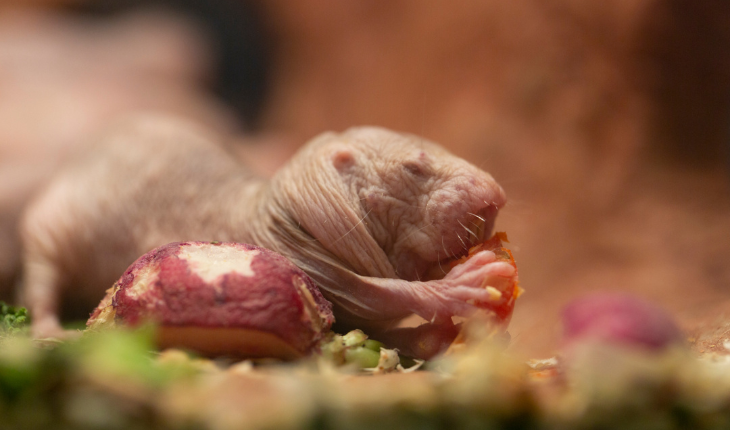
naked mole rats
Mole rats rarely get cancer. The rare times they do, they almost always survive. Blind mole rats have a protective mechanism that eliminates the whole surrounding area of cancerous cells, potentially killing cancer. The way their cells divide is also potentially cancer-immune; their cells reproduce in a different way then in most mammals. 
 
We will try to explain in a simplified manner: most mammal tissues are made of cells that are arranged tightly together to create a strong barrier. Between each cell, is a viscous padding called hyaluronic acid. 
 
But naked mole rats' tissues are nothing like that. Their cells do not multiply as much as ours do. They are arranged much farther apart, so that there is much more padding in between. This padding is much more viscous than ours too, making it harder for cancer cells to divide and spread within the rodents' bodies.

6. Humans share a rare cancer with dogs and horses
Mucosal melanoma is one of the rarest forms of skin cancer, making up only 1% of diagnoses. As the name suggests, it occurs in areas of the body coated in mucosal lining such as the nose, mouth, sinuses, and genitals- areas that don’t see the sun, making it difficult to diagnose. 
 
With as few as 700 cases diagnosed a year in the US, there still isn’t enough research about it and so the cause of mucosal melanoma remains unknown. 
 
What researchers do know is that this type of cancer is not unique to humans. It’s seen across mammal species including dogs and horses. Studies have shown that a handful of genes that are mutated in this form of cancer repeat themselves in dogs and horses too. This information may help narrow down the targets for new drugs, as well as more research.


This is only for your information, kindly take the advice of your doctor for medicines, exercises and so on.   

https://gscrochetdesigns.blogspot.com. one can see my crochet creations  
https://gseasyrecipes.blogspot.com. feel free to view for easy, simple and healthy recipes    
https://kneereplacement-stickclub.blogspot.com. for info on knee replacement


Labels: , , , , , ,

Friday, March 23, 2018

Battle Against Neuroendocrine Tumour

Neuroendocrine tumour (NET), a rare tumour that develops from cells of the neuroendocrine system and grows predominantly in the digestive or respiratory tract - lungs, appendix, small intestine, rectum, and pancreas - it can occur in any part of the body.

What is NET?
A neuroendocrine tumor is characterized by a rapid and abnormal growth that happens in the nerve cells which produce hormones. Hormones control how different organs in the body work.
It is a condition wherein, endocrine cells, the hormone-producing cells of the body, develop a tumor in any part of the body - while it can can grow in lungs or the thymus, or more rarely, in the ovaries, kidneys, or testicles - the most common is lung, intestines, and pancreas.
What causes NET?
A neuroendocrine tumour is quite a rare disease, occurs in less than one per million cases. The exact cause is not known.
The Symptoms-
It can cause a myriad of symptoms, depending on where in the body the NET is.
  1. If it is in your digestive system, it can cause pain or discomfort in the abdomen area that comes and goes. You may feel sick, nauseated, vomited, or there may be a change in how often you pass stools.
  2. If the NET is in the lung, it can cause shortness of breath, chest infections, or you can even have a cough up blood.
  3. Weight loss and loss of appetite may also be some common signs of a neuroendocrine tumour.
  4. Some NETs may overproduce a hormone-like substance called serotonin. This causes a group of symptoms called carcinoid syndrome. Symptoms include  wheezing (like asthma), flushing of the skin and diarrhoea.
Who can be affected with NET?
  1. These tumours, depending on the type, are more common in certain age or sex. And few have very strong family history too.
  2. People who have a rare condition called multiple endocrine neoplasia 1 have an increased risk of developing a NET .                                                                                                          
  3. Know The Different Types of NET:
  1. Based on the organ that is affected, NET can vary a lot. When the chromaffin cells that produce adrenaline are affected, it is called Pheochromocytoma, and it is related to the stress levels of the body.
    When a cell is formed abnormally under the skin and the hair follicles, it is called Merkel cell cancer. This is also called neuroendocrine carcinoma of the skin and the condition can occur anywhere in the body. The commonly occurring places include lungs, gastrointestinal tract, and brain.
    The status of the tumour, cancerous (malignant) or noncancerous (benign), decides the survival rate. Often slow-growing and noncancerous, they can invade surrounding parts of the body and at times, turn cancerous and spread across the body. However, you can still choose to live a good quality life with strict modifications in diet and lifestyle. The changes are made after taking into consideration the symptoms of the tumor. The organ where the tumor is formed also matters.
    How Is It Treated?
    Treatment depends on the location of the tumour, its type, how severe it is and whether it has spread to other parts of the body. Usually, the first treatment choice is surgery to remove the tumour. And, if the NET cannot be removed, your will prescribed with a treatment that will not only relieve the symptoms but will also improve the quality of your life.
    How can a NET be prevented?
    The first thing you need to do for the prevention of NET is to curb stress. Stress affects the entire body severely.
    Lifestyle modifications:
    A healthy lifestyle is what you need to stick to if you want to manage its symptoms during the treatment cycle. Your doctor will prescribe you to do exercises at least 4 days a week for a minimum of 30 minutes. You can also try a walk instead of strenuous exercises.
    People with carcinoid syndrome may be advised to avoid food or activities that may trigger flushing, such as eating spicy food or drinking alcohol.
    Indulge yourself in therapies that help in gaining more positive energy. If you are already affected by NET, eliminate all the sources of stress and get a good night's sleep every day. Join the support groups that make you grow strong and happy. After all, the mind is devised to do miracles when it is full of life and positive thoughts.
    "NeuroEndocrine Tumour is an abnormal growth of Neuroendo cells which are present in bodies. When there is an abnormal growth, then it forms a tumor - Normally seen in intestine, pancreas, lung, thyroid and other parts of the body".

     "Depending on where the tumour is localized, you can take it out surgically and the chances of cure are very high", a Dr.  explained.

THIS IS ONLY FOR INFORMATION, ALWAYS CONSULT YOU PHYSICIAN BEFORE HAVING ANY PARTICULAR FOOD/ MEDICATION/EXERCISE/OTHER REMEDIES.                                                                                                                                                                                                         PS- THOSE INTERESTED IN RECIPES ARE FREE TO VIEW MY BLOG-                                                                                           https://gseasyrecipes.blogspot.com/   

FOR INFO ABOUT KNEE REPLACEMENT, YOU CAN VIEW MY BLOG-                                                           https:// kneereplacement-stickclub.blogspot.com/                              
FOR CROCHET DESIGNS                                                                                                                                                                                                                                         https://my crochet creations.blogspot.com/

Labels: , , , , , , , , ,