Monday, June 08, 2026

Mold in Your Home Can Cause Serious Health Problems

Mold is inescapable and at times, it can get out of hand. We all know how maddening it can be to have to deal with it at home, and how impossible it is to get rid of. Nevertheless, it is important to try your best to eliminate it, not only because of its unsightly appearance but also due to several health reasons. Certain types of mold are very toxic, which could, in turn, have a harmful effect on your health - one of which is mold disease. If you weren't aware of this ailment, now is the time to get informed about it.
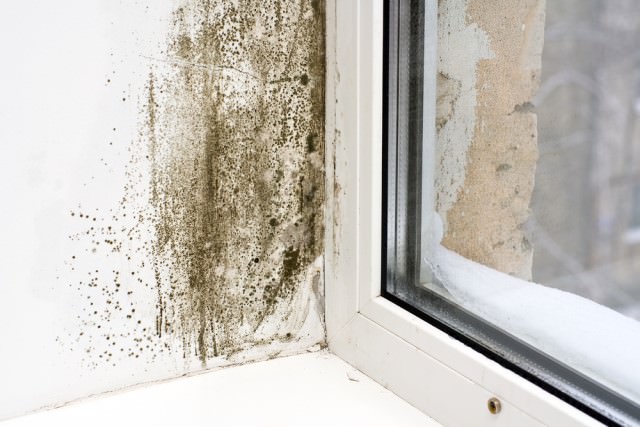

Mold
First of all, what is mold?  

The term "mold" refers to several types of microscopic fungi that develop and grow in moist conditions. They reproduce by spreading their spores, the color of which may range from grey to green, and also blue or red. This form of reproduction leads to a rapid expansion of their colony, which can become sizeable in a matter of hours. If the mold's environment starts to lack warmth and moisture, it may become dormant, but unfortunately, it can still survive. 

How and where does it appear? 

Mold may grow anywhere from the walls of your bathroom, to the inside of your coffee machine. It's commonly found below leaky sinks, in the cracks of shower stalls, in humid basements, and in wall areas, close to leaky pipes. You may not expect to find it growing under fridges, ovens, and washing machines - however this should come as no surprise, as mold will thrive in any place where humidity is high and ventilation is lacking. Real Christmas trees also hold the ideal conditions for mold to grow, which is why many of us experience asthma attacks during the winter season. In many cases, getting rid of mold is much harder than we may think, since its spores could still be present in the air even after the source has been removed.

Why is it dangerous to my health? 

All types of mold can be potentially hazardous to your health, as warned by the Environmental Protection Agency. But "black mold" is probably the worst kind to be exposed to. 

Your sensitivity to mold may also depend on your genes. Research has shown that people who have the HLA-DR gene are more susceptible to mold illness in comparison to others. While mold illness may not be high in number, it is often misdiagnosed or poorly treated. For this reason, it's important to be aware of the symptoms yourself. 

Here are two health problems that may arise from exposure to mold: 

Fungal Sinusitis 

Studies show that in some cases, one of the causes of sinusitis, may be fungal infections. In fact, when ENT specialists see that their sinusitis-suffering patients have shown no signs of improvement after a substantial amount of treatment, they start to suspect that the problem is related to a fungal invader. It is important to identify whether the fungal sinusitis is invasive or not, so the necessary treatment can be given accordingly. Also, detecting the problem at an early stage will prevent the condition from worsening and becoming life-threatening. 

Chronic Inflammatory Response Syndrome (CIRS) 

Chronic Inflammatory Response Syndrome is a serious chronic condition that falls under the larger category of biotoxin illness. In simple terms, the condition is purely mold toxicity, and although it's ongoing and is caused by mold, it is not an allergy. You may find it shocking to discover that what you classify as a "winter allergy" or chronic sinus infection, may in fact be a sign of the CIRS. The illness results from the exposure of a biotoxin, which is a type of poison produced by living organisms - in this case, mold. 

Different bodies respond to biotoxin in different ways. Some individuals are easily able to filter the biotoxin through their liver and kidneys. Consequently, they are not prone to the disease. Others however, may not be able to respond as well to the biotoxin. Nevertheless, how your body responds to the poison depends on your genes.

Signs and symptoms of mold disease
  

Since mold disease may often be disguised in the form of other common conditions, it is important to keep an eye out for the signs that may suggest otherwise. A 2003 research, presented at a Dallas environmental medicine symposium, observed over 1,600 fungus-exposed people to learn about the common symptoms brought about by mold-related conditions. 

Here are some of them: 

Tiredness 

Difficulty breathing 

Gastric disturbances (vomiting and diarrhea) 

Weight loss 

Headache 

Chronic bronchitis 

Hair loss 

Memory problems 

Rashes on the skin 

Chronic cough, or coughing blood 

Visual problems and blindness 

Cold-like symptoms (itching eyes, runny nose, sore throat) 

Loss of sense of smell 

Pain or discomfort in the muscles 

Frequent urination, kidney pain 

Tremor 

Depression and anxiety 

If you experience a number of the above symptoms in conjunction, you should have them checked out by a doctor. 

What can I do to prevent or remove mold in my home? 

Now that you've learned the dangers, you know that mold in the home is a major issue that should not be taken for granted. If it is found, you should consider health a top priority and take immediate action to get it removed as soon as possible. 

Here are some tips to consider: 

Use an anti-fungal cleanser to clear away any mold developing in your home. 

Remember to not only look for it on walls and ceilings - mold may also be lurking in dark corners you do not see. 

Try out natural remedies such as these to help you get rid of it. 

Use an air purifier to protect the room from harmful toxins. 

If you see that your mold problem is getting out of control, contact a mold remediation specialist to help you deal with it. This might mean tearing down walls or ceilings, replacing moldy wood and insulation, or fixing leaks and cracks. 

Buy a dehumidifier to reduce the amount of moisture in the air of your home. 

Ventilate your home thoroughly by opening doors and windows every now and then. 

Install a vent fan in your bathroom to keep the air as dry as possible. 

Vent moisture-producing appliances, such as stoves and clothes dryers to the outside. 

Keep damp areas tidy, to make it more difficult for moisture to gather and accumulate.

This is only for your information, kindly take the advice of your doctor for food, medicines, exercises and so on.   


Labels: , , , , , , , , , , , , , ,

Monday, September 27, 2021

Black Cumin Oil - 5 Remarkable Health Benefits and Uses

The tiny seeds of the Nigella sativa plant have been used as a natural healing ingredient for thousands of years. The black seeds of the plant are ground up and processed into black seed oil, a traditional ingredient used to treat a wide range of diseases. While not all of these traditional medicinal uses were confirmed by medical studies, black seed oil has several health benefits that are backed by science - from relieving asthma to promoting weight loss.

This guide explores 5 of these health benefits and explains how to use black seed oil at home. 
 
What Is Black Seed Oil?
Black Cumin Oil Black Seed Oil
Black seed oil is produced from black seeds, which are also known as black cumin, nigella, kalonji, Roman coriander, and black caraway. The seeds come from the Nigella sativa plant - a small shrub with white or pale blue flowers that grows all across Western Asia, Eastern Europe, and the Middle East. 

Black seed oil can be used in cooking, applied directly on the skin, or taken in the form of capsules. The active ingredient in black seed oil is called thymoquinone, and it’s a strong anti-inflammatory and antioxidant compound. We review five science-backed health benefits of black seed oil below. 
 
1. Helps your success in weight loss
When it comes to weight loss, there’s no magic pill capable of making a person lose weight while they are sitting on the couch and overeating on a daily basis. Black seed oil will not make you magically lose weight, but it can improve the effectiveness of the things you’re already doing to shed those extra pounds. 
 
Medical studies show that taking black seed oil with every meal along with a low-calorie diet can lower the body mass index (BMI) and waist circumference more than a low-calorie diet alone can. A review study from the Journal of Diabetes & Metabolic Disorders confirmed that black cumin seed oil helps weight loss efforts in individuals who suffer from type 2 diabetes, metabolic syndrome, and obesity. 
 
One 8-week study in 90 obese women aged 25-50 found that taking 1 gram of the oil with a meal 3 times a day made them lose more than their counterparts who took a placebo. A 2018 review study pointed out that the average weight loss with black seed oil was around 4.4 pounds (2.1 kilograms). 
 
2. Benefits cardiovascular health and reduces blood pressure
Another noteworthy benefit of black cumin seed oil is its ability to promote cardiovascular health. More specifically, it’s capable of reducing blood pressure and reducing the levels of bad LDL-cholesterol levels. Research from 2013 observed improvements in blood pressure in adults who took ½ teaspoon of black seed oil two times a day after 8 weeks. 
 
The study in obese women discussed earlier also found that the levels of LDL cholesterol in the participants who took black seed oil were lower compared to the placebo group. The same findings were observed in patients with type 2 diabetes in a 2015 study. Remember that both high levels of LDL cholesterol and high blood pressure lead to the development of heart disease and increase one’s risk of stroke and heart attack.

3. Fights acne and improves skin and hair health
Black Cumin Oil woman with acne
Applying black seed oil directly on the skin and hair is beneficial for people suffering from several skin and hair issues - from dry hair and skin to psoriasis, eczema, and acne. The anti-inflammatory and antimicrobial effects of the oil treat inflammation, calm, and nourish the skin and hair. A 2010 study found that a lotion with 20% black seed oil was superior to benzoyl peroxide at treating acne and had fewer side effects. 
 
A 2013 study suggests that applying black seed oil on hand eczema 2 times a day over the course of 4 weeks was just as effective as the topical steroid Betamethasone and hand moisturizers. Speaking of which, black seed oil is an excellent moisturizing agent for skin, nails, and hair. You can either apply pure black seed oil on your skin and hair or mix the oil into your skincare and haircare products.
 
4. May help lower blood sugar 
Several human and animal model studies of type 2 diabetes suggest that taking 2 grams of crushed black seeds reduces fasting blood sugar levels and other blood markers of diabetes after 2-3 months of supplementation. Note that most of these studies included black seed powder in capsules, but more recent research suggests that black seed oil has identical effects.

One research paper suggests that taking as little â…“ teaspoon of black cumin seed oil for 20 days reduced HbA1c levels (a blood test that measures average blood sugar over 3 months) in patients with type 2 diabetes. Keeping blood sugar within a normal range helps diabetics reduce their risk of serious health complications.  
 
5. Improves asthma and breathing difficulties
Black Cumin Oil woman with breathing difficulties
Asthma is a chronic lung condition characterized by difficultly breathing, wheezing, coughing, and reduced lung function. Studies suggest that combining black seed oil with asthma medication can help the symptoms of the disease. Thymoquinone reduces inflammation and relaxes the muscles in the airways, which makes it easier for the patient to breathe. 
 
A study that included 80 adult asthma patients found that taking 500 mg of black seed oil capsules twice daily over one month improved the patients’ ability to control their condition. Black seed oil may also be beneficial for improving lung function in patients suffering from chronic obstructive pulmonary disease (COPD), a different chronic lung condition that makes it hard for patients to breathe. 
 
How to Use Black Cumin Seed Oil  
There are many ways you could use black seed oil. If you intend to take it internally, you can purchase it in capsule form. Black seed oil is also available in liquid form at health food stores and drugstores, which allows you to use it as a supplement, a cooking ingredient, or a skincare and hair-care product.

It’s important to buy the highest quality black seed oil you can get - ideally, it should be cold-pressed 100% Nigella sativa oil. Black cumin seed oil has a spicy and bitter taste reminiscent of oregano or cumin. So, if you will be taking it as a liquid, it may be useful to mix it with honey or lemon juice to balance out the flavor and make it easier to consume. Begin by taking no more than ½ teaspoon of the oil and slowly build up to 1-2 teaspoons daily. 
 
Note that black seed oil will not be able to replace any medication. Moreover, people who take any medication should discuss using black seed oil with their doctor or dietitian because it can interact with medications like beta-blockers. People suffering from kidney issues should also consult their doctors prior to taking black seed oil. 
 
Most people experience little to no side effects while taking black seed oil, but there are some reports of constipation, nausea, vomiting, and bloating. When you’re applying black seed oil directly on the skin, patch-test the oil first on a small area to make sure you’re not allergic to it. All in all, black seed oil is easy to use and try. We hope that you found this information helpful.

This is only for your information, kindly take the advice of your doctor for medicines, exercises and so on.   

https://gscrochetdesigns.blogspot.com. one can see my crochet creations  
https://gseasyrecipes.blogspot.com. feel free to view for easy, simple and healthy recipes    
https://kneereplacement-stickclub.blogspot.com. for info on knee replacement

Labels: , , , , , , , , ,