Monday, June 08, 2026

Mold in Your Home Can Cause Serious Health Problems

Mold is inescapable and at times, it can get out of hand. We all know how maddening it can be to have to deal with it at home, and how impossible it is to get rid of. Nevertheless, it is important to try your best to eliminate it, not only because of its unsightly appearance but also due to several health reasons. Certain types of mold are very toxic, which could, in turn, have a harmful effect on your health - one of which is mold disease. If you weren't aware of this ailment, now is the time to get informed about it.
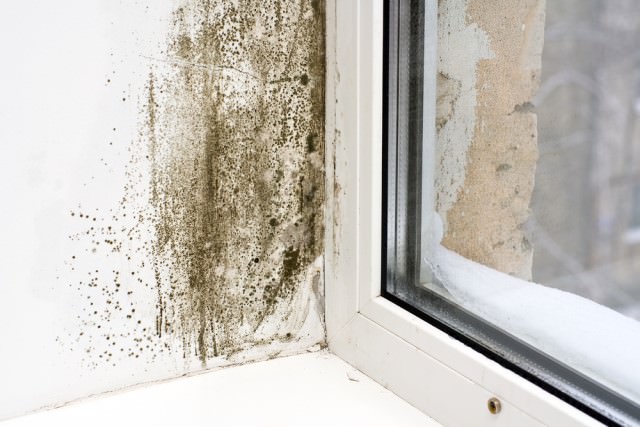

Mold
First of all, what is mold?  

The term "mold" refers to several types of microscopic fungi that develop and grow in moist conditions. They reproduce by spreading their spores, the color of which may range from grey to green, and also blue or red. This form of reproduction leads to a rapid expansion of their colony, which can become sizeable in a matter of hours. If the mold's environment starts to lack warmth and moisture, it may become dormant, but unfortunately, it can still survive. 

How and where does it appear? 

Mold may grow anywhere from the walls of your bathroom, to the inside of your coffee machine. It's commonly found below leaky sinks, in the cracks of shower stalls, in humid basements, and in wall areas, close to leaky pipes. You may not expect to find it growing under fridges, ovens, and washing machines - however this should come as no surprise, as mold will thrive in any place where humidity is high and ventilation is lacking. Real Christmas trees also hold the ideal conditions for mold to grow, which is why many of us experience asthma attacks during the winter season. In many cases, getting rid of mold is much harder than we may think, since its spores could still be present in the air even after the source has been removed.

Why is it dangerous to my health? 

All types of mold can be potentially hazardous to your health, as warned by the Environmental Protection Agency. But "black mold" is probably the worst kind to be exposed to. 

Your sensitivity to mold may also depend on your genes. Research has shown that people who have the HLA-DR gene are more susceptible to mold illness in comparison to others. While mold illness may not be high in number, it is often misdiagnosed or poorly treated. For this reason, it's important to be aware of the symptoms yourself. 

Here are two health problems that may arise from exposure to mold: 

Fungal Sinusitis 

Studies show that in some cases, one of the causes of sinusitis, may be fungal infections. In fact, when ENT specialists see that their sinusitis-suffering patients have shown no signs of improvement after a substantial amount of treatment, they start to suspect that the problem is related to a fungal invader. It is important to identify whether the fungal sinusitis is invasive or not, so the necessary treatment can be given accordingly. Also, detecting the problem at an early stage will prevent the condition from worsening and becoming life-threatening. 

Chronic Inflammatory Response Syndrome (CIRS) 

Chronic Inflammatory Response Syndrome is a serious chronic condition that falls under the larger category of biotoxin illness. In simple terms, the condition is purely mold toxicity, and although it's ongoing and is caused by mold, it is not an allergy. You may find it shocking to discover that what you classify as a "winter allergy" or chronic sinus infection, may in fact be a sign of the CIRS. The illness results from the exposure of a biotoxin, which is a type of poison produced by living organisms - in this case, mold. 

Different bodies respond to biotoxin in different ways. Some individuals are easily able to filter the biotoxin through their liver and kidneys. Consequently, they are not prone to the disease. Others however, may not be able to respond as well to the biotoxin. Nevertheless, how your body responds to the poison depends on your genes.

Signs and symptoms of mold disease
  

Since mold disease may often be disguised in the form of other common conditions, it is important to keep an eye out for the signs that may suggest otherwise. A 2003 research, presented at a Dallas environmental medicine symposium, observed over 1,600 fungus-exposed people to learn about the common symptoms brought about by mold-related conditions. 

Here are some of them: 

Tiredness 

Difficulty breathing 

Gastric disturbances (vomiting and diarrhea) 

Weight loss 

Headache 

Chronic bronchitis 

Hair loss 

Memory problems 

Rashes on the skin 

Chronic cough, or coughing blood 

Visual problems and blindness 

Cold-like symptoms (itching eyes, runny nose, sore throat) 

Loss of sense of smell 

Pain or discomfort in the muscles 

Frequent urination, kidney pain 

Tremor 

Depression and anxiety 

If you experience a number of the above symptoms in conjunction, you should have them checked out by a doctor. 

What can I do to prevent or remove mold in my home? 

Now that you've learned the dangers, you know that mold in the home is a major issue that should not be taken for granted. If it is found, you should consider health a top priority and take immediate action to get it removed as soon as possible. 

Here are some tips to consider: 

Use an anti-fungal cleanser to clear away any mold developing in your home. 

Remember to not only look for it on walls and ceilings - mold may also be lurking in dark corners you do not see. 

Try out natural remedies such as these to help you get rid of it. 

Use an air purifier to protect the room from harmful toxins. 

If you see that your mold problem is getting out of control, contact a mold remediation specialist to help you deal with it. This might mean tearing down walls or ceilings, replacing moldy wood and insulation, or fixing leaks and cracks. 

Buy a dehumidifier to reduce the amount of moisture in the air of your home. 

Ventilate your home thoroughly by opening doors and windows every now and then. 

Install a vent fan in your bathroom to keep the air as dry as possible. 

Vent moisture-producing appliances, such as stoves and clothes dryers to the outside. 

Keep damp areas tidy, to make it more difficult for moisture to gather and accumulate.

This is only for your information, kindly take the advice of your doctor for food, medicines, exercises and so on.   


Labels: , , , , , , , , , , , , , ,

Tuesday, July 01, 2025

The Tasty Stew That Helps Dr. Jonathan Rasouli Maintain His Memory

Most of us encounter the word "dementia" somewhere between our 30s and 40s. At first, we worry about our parents and older relatives, and only then do we slowly begin to truly understand how important it is to protect our brain. This is crucial to preserving our memories, our ability to think clearly, and our connection to the world over time. The good news is that recent studies show that what we eat may directly impact the risk of cognitive decline in old age and even delay the development of diseases like Alzheimer’s and dementia in general. This is where Dr. Jonathan Rasouli comes in—a neurosurgeon who isn’t afraid to step into the kitchen and cook with a medical book in one hand and a wooden spoon in the other. Dr. Rasouli has a dish he prepares for himself every week that might look like just another homemade stew with vegetables and lentils, but there’s a good chance it’s the smartest meal you’ll put in your pot and stomach soon.
Dementia and Alzheimer’s - What Do We Know and What Can We Do to Protect Ourselves? 
 
It’s important to note that while these are two terms we hear more and more about as the years go by, they don’t describe exactly the same thing. "Dementia" is a general term that describes a decline in cognitive function: memory problems, difficulty with orientation, poor judgment, and changes in behavior or language. It’s not a single disease but a medical condition that can stem from various causes. Alzheimer’s, on the other hand, is the most common cause of dementia because it’s a neurodegenerative disease that progressively and irreversibly damages the brain. All Alzheimer’s is dementia, but not all dementia is Alzheimer’s. 
 
In other types of dementia, such as vascular dementia (caused by strokes or impaired blood flow to the brain), it’s sometimes possible to prevent further deterioration by carefully managing blood pressure, diabetes, and cholesterol levels. It’s also important not to neglect the mental and social aspects—people who continue to challenge themselves mentally (e.g., through reading, learning, solving crosswords, etc.), maintain social connections, and participate in activities often retain higher cognitive function over time. 
 
In the case of Alzheimer’s, the damage begins in the brain areas responsible for memory and gradually spreads to other functions. The exact causes of the disease are still not fully clear, but there is evidence linking Alzheimer’s to genetic, inflammatory, and environmental factors. To reduce the risk of developing the disease, it’s recommended to maintain a healthy diet (such as the Mediterranean diet or the MIND diet), engage in regular physical activity, protect heart and vascular health, avoid smoking, and ensure adequate sleep. The earlier you start, the better your chances of delaying the process, and now we’ll show you a tasty and simple way to do so.
From the Operating Room to the Kitchen: Dr. Rasouli’s Recipe 
Dr. Jonathan Rasouli is not exactly what people imagine when they think of a surgeon. He is indeed a senior spine neurosurgeon at Northwell Health in New York, but the wisdom he applies in the operating room isn’t reserved solely for scientific papers—he cooks with it. In recent years, Dr. Rasouli has been explaining to others how much impact diet has on memory and how delicious and healthy it is to use it to protect the brain. Rasouli believes that diet is not only a therapeutic tool but also a means of prevention—especially when it comes to brain health. According to him, there are plenty of things we can’t control when it comes to dementia or Alzheimer’s, but there are also things we can, and the food we eat is one of them. After years of medical research and plenty of kitchen experiments, he developed a simple recipe that he eats every week. A warm lentil stew with spinach, garlic, and turmeric—easy to prepare, nutritious, delicious, and above all, brain-boosting.

For the recipe, kindly view my recipe blog, the link is given below, thanks.


This is only for your information, kindly take the advice of your doctor for medicines, exercises and so on.   


Labels: , , , , , ,

Saturday, March 05, 2022

6 Pressure Points to Treat Heart Problems and Blood Flow

As we get older and as the years pass, our blood vessels slowly become clogged because of the food we consume, just like the plumbing in your home. However for plumbing, a plumber can be called when a problem arises, but with regard to our bodies’ plumbing, we must contact the doctor immediately to ascertain its severity and its implications in the present and future. If you know you have a particular problem with blood flow or your heart, it is recommended, after consulting your doctor, that you try the following 6 pressure points - they may provide you with the relief your body needs by improving blood flow in the body. 
 
1. To treat arrhythmias - GV11  Pressure points
This helps prevent problems related to arrhythmias, such as bradycardia or tachycardia. In addition, it also improves mood, helps prevent sleep disorders and memory problems, and also treats upper back pain, chest pain, asthma attacks, and coughing.
In order to massage the point, you will need someone else's help since it is below the 11th vertebra of the spine. Ask the person who is helping you to move their fingers along your spine and count the vertebrae from the base of the skull to the 11th vertebrae. Massage the area under this vertebra for a few minutes.

2. High blood pressure - K9 
Pressure points
Massaging this point improves the flow of fluids in the body, not only the blood, but also the overall metabolic rate. It also helps prevent the storage of fluids in the body, filter the kidneys, improve memory, and prevent mental confusion.

3. Strong and accelerated pulse - TW15  
Pressure points
This point has the power to reduce a strong and accelerated pulse and calm the heart. It also helps to reduce neck pressure and is generally beneficial to lung health.

4. Numbness in the legs - GV20 
Pressure points
This point is recommended for massage when you feel numbness in your legs. It helps to improve blood flow to these areas, while also preventing headaches, dizziness, and insomnia.

The point can be found in the middle of the top of the head, between your ears - you will feel a small dent in the area, that’s how you know you’ve found it. Massage the point for a few minutes. 
 
5. Numbness in the hands - LU7 
Pressure points
If your hands fall asleep frequently or if you experience a tingling sensation that results from poor blood flow, massage this point, and you will also get rid of headaches, coughs, toothaches and weakness or pain in the wrist. Pressure points

The point is located thumb width away from the wrist, on the lower and outer sides of the forearm. Massage the point on both hands for a few minutes. 
 
6. Improve blood circulation - LV3  Pressure points
To improve blood circulation throughout the body, it is recommended that you massage this point. Besides improving blood flow, it also helps improve vision, prevent nausea, and soothe the body in situations of anger and anxiety.

The point lies between the big toe and forefinger of the leg, slightly toward the center of the leg, in the area where the bones of the toes connect. Massage the point for a few minutes.


This is only for your information, kindly take the advice of your doctor for medicines, exercises and so on.   

https://gscrochetdesigns.blogspot.com. one can see my crochet creations  
https://gseasyrecipes.blogspot.com. feel free to view for easy, simple and healthy recipes    
https://kneereplacement-stickclub.blogspot.com. for info on knee replacement

Labels: , , , , , , , , , ,