Saturday, March 05, 2022

6 Pressure Points to Treat Heart Problems and Blood Flow

As we get older and as the years pass, our blood vessels slowly become clogged because of the food we consume, just like the plumbing in your home. However for plumbing, a plumber can be called when a problem arises, but with regard to our bodies’ plumbing, we must contact the doctor immediately to ascertain its severity and its implications in the present and future. If you know you have a particular problem with blood flow or your heart, it is recommended, after consulting your doctor, that you try the following 6 pressure points - they may provide you with the relief your body needs by improving blood flow in the body. 
 
1. To treat arrhythmias - GV11  Pressure points
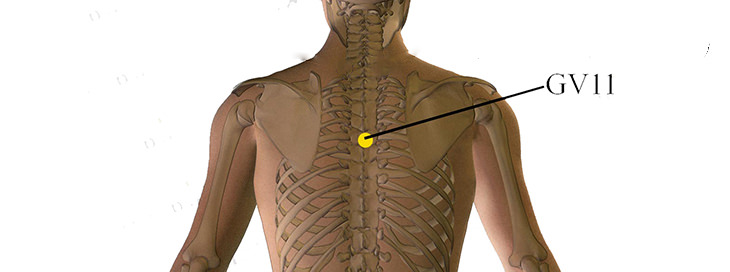
This helps prevent problems related to arrhythmias, such as bradycardia or tachycardia. In addition, it also improves mood, helps prevent sleep disorders and memory problems, and also treats upper back pain, chest pain, asthma attacks, and coughing.
In order to massage the point, you will need someone else's help since it is below the 11th vertebra of the spine. Ask the person who is helping you to move their fingers along your spine and count the vertebrae from the base of the skull to the 11th vertebrae. Massage the area under this vertebra for a few minutes.

2. High blood pressure - K9 
Pressure points
Massaging this point improves the flow of fluids in the body, not only the blood, but also the overall metabolic rate. It also helps prevent the storage of fluids in the body, filter the kidneys, improve memory, and prevent mental confusion.

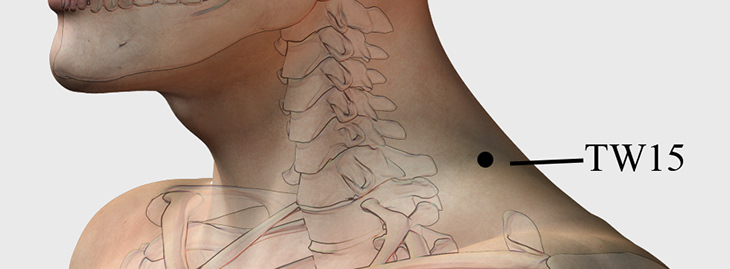
3. Strong and accelerated pulse - TW15  
Pressure points
This point has the power to reduce a strong and accelerated pulse and calm the heart. It also helps to reduce neck pressure and is generally beneficial to lung health.

4. Numbness in the legs - GV20 
Pressure points
This point is recommended for massage when you feel numbness in your legs. It helps to improve blood flow to these areas, while also preventing headaches, dizziness, and insomnia.
The point can be found in the middle of the top of the head, between your ears - you will feel a small dent in the area, that’s how you know you’ve found it. Massage the point for a few minutes. 
 
5. Numbness in the hands - LU7 
Pressure points
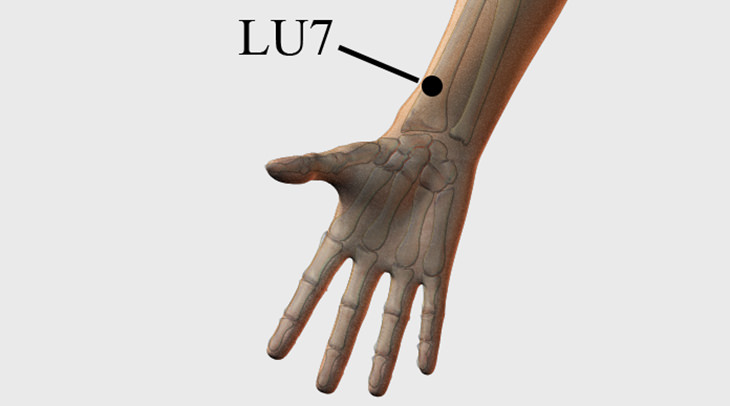
If your hands fall asleep frequently or if you experience a tingling sensation that results from poor blood flow, massage this point, and you will also get rid of headaches, coughs, toothaches and weakness or pain in the wrist. Pressure points

The point is located thumb width away from the wrist, on the lower and outer sides of the forearm. Massage the point on both hands for a few minutes. 
 
6. Improve blood circulation - LV3  Pressure points
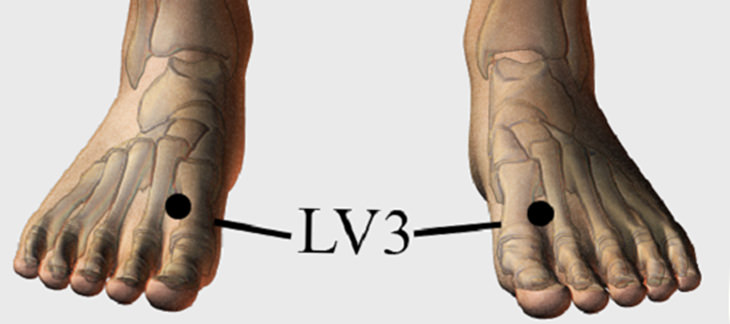
To improve blood circulation throughout the body, it is recommended that you massage this point. Besides improving blood flow, it also helps improve vision, prevent nausea, and soothe the body in situations of anger and anxiety.

The point lies between the big toe and forefinger of the leg, slightly toward the center of the leg, in the area where the bones of the toes connect. Massage the point for a few minutes.


This is only for your information, kindly take the advice of your doctor for medicines, exercises and so on.   

https://gscrochetdesigns.blogspot.com. one can see my crochet creations  
https://gseasyrecipes.blogspot.com. feel free to view for easy, simple and healthy recipes    
https://kneereplacement-stickclub.blogspot.com. for info on knee replacement

Labels: , , , , , , , , , ,

Friday, July 17, 2020

Umbilical cord blood successfully treats rare genetic disorders

Researchers at UPMC Children's Hospital of Pittsburgh found that infusing umbilical cord blood -- a readily available source of stem cells -- safely and effectively treated 44 children born with various non-cancerous genetic disorders, including sickle cell, thalassemia, Hunter syndrome, Krabbe disease, metachromatic leukodystrophy (MLD) and an array of immune deficiencies. This is the largest trial of its kind to date.

The idea was to create a fairly universal treatment, rather than chasing individual therapies for all of these rare diseases, and to do so with minimal risk to the patients. The results were published in today's print edition of Blood Advances.

The idea was to create a fairly universal treatment, rather than chasing individual therapies for all of these rare diseases, and to do so with minimal risk to the patients. The results were published in today's print edition of Blood Advances. 

"There has been a lot of emphasis placed on cool new technologies that might address these diseases, but -- even if they prove effective -- those aren't available to most centers," said study senior author Paul Szabolcs, M.D., division director of bone marrow transplantation and cellular therapies at UPMC Children's Hospital. "The regimen we developed is more robust, readily applicable and will remain significantly less expensive."

For this study, the participants received intravenous injections of banked cord blood, which was donated from the umbilical cords and placentas of healthy babies just after birth and frozen until needed.


To make room in their bone marrow for donor stem cells to take root and prevent them from being rejected, study participants received a low dose of chemotherapy and immunosuppressant drugs in a careful sequence. Once the cells integrated into the patients' bodies, these drugs were tapered off. To kick the immune system back into gear, the researchers reserved a small fraction of the cord blood and gave it to participants a few weeks after the initial infusion.

It's important to note that this procedure doesn't require the donor and recipient to have matching immune profiles.
 
"That is huge for ethnic minorities," Szabolcs said. "The probability of a perfect match is very low, but with a cord blood graft, we have a chance to overcome this discrepancy over the course of a couple months and then taper immunosuppressants away." 

 Overall, post-infusion complications were relatively mild. None of the participants experienced severe chronic graft-versus-host disease, and the mortality rate from viral infection due to immune suppression was 5%, which is much lower than in prior studies.

For the 30 children in the trial with metabolic disorders -- in which improper enzyme function causes the buildup of harmful toxins in the body -- all but one exhibited progressive symptoms of neurodevelopmental delays before the start of the trial. Within a year of receiving cord blood, all of them had normal enzyme levels, and all showed a halting of neurological decline. Some even began to gain new skills.

 The most common metabolic disorders in this study were leukodystrophies, which typically are fatal within a few years of symptom onset. Even with cord blood treatment, a large retrospective analysis reported a three-year survival rate of about 60%. With the protocol used in this study, more than 90% of symptomatic leukodystrophy patients were still alive three years after their cord blood treatment.

No previous studies using stem cells to treat metabolic, immune or blood disorders have shown such high levels of safety, efficacy or broad applicability. 

"There has been a stagnation of outcomes in this field, just changing one chemotherapy agent for another, not a true evolution," Szabolcs said. "We designed an approach now proven to be efficacious for at least 20 diseases. And we believe it might be effective for many, many more." 

Since this paper was submitted, the researchers already have had success with using this technique to treat additional diseases, including in adults.

This is only for your information, kindly take the advice of your doctor for medicines, exercises and so on.     

https://gscrochetdesigns.blogspot.com. one can see my crochet creations  
https://gseasyrecipes.blogspot.com. feel free to view for easy, simple and healthy recipes    
https://kneereplacement-stickclub.blogspot.com. for info on knee replacement


For the 30 children in the trial with metabolic disorders -- in which improper enzyme function causes the buildup of harmful toxins in the body -- all but one exhibited progressive symptoms of neurodevelopmental delays before the start of the trial. Within a year of receiving cord blood, all of them had normal enzyme levels, and all showed a halting of neurological decline. Some even began to gain new skills. The most common metabolic disorders in this study were leukodystrophies, which typically are fatal within a few years of symptom onset. Even with cord blood treatment, a large retrospective analysis reported a three-year survival rate of about 60%. With the protocol used in this study, more than 90% of symptomatic leukodystrophy patients were still alive three years after their cord blood treatment. No previous studies using stem cells to treat metabolic, immune or blood disorders have shown such high levels of safety, efficacy or broad applicability. "There has been a stagnation of outcomes in this field, just changing one chemotherapy agent for another, not a true evolution," Szabolcs said. "We designed an approach now proven to be efficacious for at least 20 diseases. And we believe it might be effective for many, many more." Since this paper was submitted, the researchers already have had success with using this technique to treat additional diseases, including in adults.

https://medicaldialogues.in/pediatrics-neonatology/news/umbilical-cord-blood-successfully-treats-rare-genetic-disorders-study-67672
PITTSBURGH - Researchers at UPMC Children's Hospital of Pittsburgh found that infusing umbilical cord blood -- a readily available source of stem cells -- safely and effectively treated 44 children born with various non-cancerous genetic disorders, including sickle cell, thalassemia, Hunter syndrome, Krabbe disease, metachromatic leukodystrophy (MLD) and an array of immune deficiencies. This is the largest trial of its kind to date.

https://medicaldialogues.in/pediatrics-neonatology/news/umbilical-cord-blood-successfully-treats-rare-genetic-disorders-study-67672
Researchers at UPMC Children's Hospital of Pittsburgh found that infusing umbilical cord blood -- a readily available source of stem cells -- safely and effectively treated 44 children born with various non-cancerous genetic disorders, including sickle cell, thalassemia, Hunter syndrome, Krabbe disease, metachromatic leukodystrophy (MLD) and an array of immune deficiencies. This is the largest trial of its kind to date.

https://medicaldialogues.in/pediatrics-neonatology/news/umbilical-cord-blood-successfully-treats-rare-genetic-disorders-study-67672

Labels: , , , , , , , , , , , , , ,