Sunday, November 17, 2024

A Stress Rash Is a Real Thing, Here’s Why It’s Important!

Have you ever got a sudden and inexplicable allergic skin reaction when you were amid an extremely challenging and stressful situation (or right after one)? If so, you might have not been allergic at all, and what you had really experienced was a stress rash. Yes, it’s true, a stressful day can truly make some people break out in hives anywhere in your body, and distinguishing this rash from an allergic reaction or a series of bug bites can be very difficult. Below, we discuss the specifics of this little-known skin reaction.

What is a stress rash?

Although most of us find it difficult to conceptualize that an emotional state like stress could have a physical manifestation in our body, doctors have known for a while that stress can have an immediate effect on several bodily functions, suppressing our digestion, concentration, and sleep, and increasing blood pressure, to name just a few.

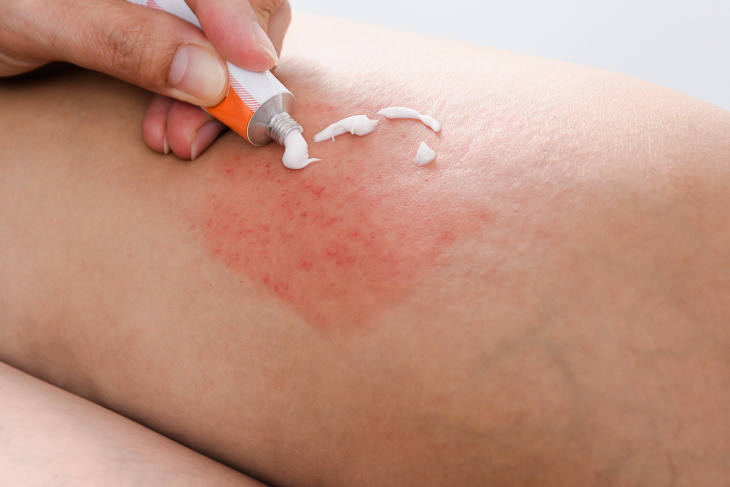
However, most people don’t know that high-stress situations can also make you break out in hives, which are known as a stress rash. This rash can appear anywhere, and it can look like a halo, a series of bug bites, or an allergic skin reaction. The bumps or welts that appear on the skin will likely be itchy and raised, and some people can even have burning or tingling sensations in the affected area. 
 
Stress can also worsen chronic skin issues like psoriasis, rosacea, and eczema. Most people can develop a stress rash, but women are more susceptible to a stress rash, and so are people in the age range between 30-50 years old. 
 
How Does One Treat a Stress Rash?
Stress Rash applying cream on rash

In most cases, a stress rash is not a cause of medical concern, although it can affect your self-esteem and be the cause of further stress. Since a stress rash can be difficult to distinguish from an allergic reaction and other skin conditions, a common indication by medical professionals is the application of topical allergy medication on the affected area or taking an over-the-counter antihistamine pill like: 
 
Loratadine 
 
(Claritin) Cetirizine (Zyrtec) 
 
Diphenhydramine (Benadryl). 
 
You can also apply cold compresses on the area to find some relief from the itching and swelling. In addition, try to address the initial cause of the rash - stress, by engaging in relaxing and soothing activities, getting enough quality sleep, and engaging in mental relaxation techniques.
 
The hives should disappear on their own within 24 hours, but some people who experience extreme and constant stress can observe these symptoms for longer. Rarely, the condition can persist for 6 weeks or more, in which case you should seek medical help and will likely require additional treatments and checkups to rule out other health conditions.

You should also see a doctor if you see that your symptoms are getting worse, meaning that the rash is spreading, the hives grow and become angrier, you have a fever or experience pain in the area. 
 
How to Prevent a Stress Rash 
As may expect, the only way you can truly prevent the stress rash from recurring in the future is to reduce your overall stress levels. After all, a stress rash is your body's way of telling you that it's under too much mental pressure. We understand that it's easier said than done, and more often than not, it's impossible to just stop stressing out altogether since stress is a subconscious reaction to events in our lives. 
 
That being said, a significant reduction of stress is an achievable goal for most people. Here are some science-backed stress-relieving tips and resources to consider: 
 
Exercise regularly, as it has been found that physical activity significantly decreases both stress levels and the level of inflammation in the body. 
 
Get plenty of sleep because it has been found that people who don’t sleep enough are significantly more stressed than those who do. 
 
Find the best stress-relieving technique for you, be it engaging in a hobby, meditation, psychotherapy, or spending time in nature. Even a simple mental exercise like mindful walking was found to have pretty amazing stress-relieving benefits.


This is only for your information, kindly take the advice of your doctor for medicines, exercises and so on.   

https://gscrochetdesigns.blogspot.com. one can see my crochet creations  
https://gseasyrecipes.blogspot.com. feel free to view for easy, simple and healthy recipes    
https://kneereplacement-stickclub.blogspot.com. for info on knee replacement
https://cancersupportindia.blogspot.com  for infor on cancer and health related topics
https://GSiyers home remedies.blogspot.com   is the latest addition to my blogs. I'm going to add posts there, do give me your valuable feed back on my blogs. Thanks a lot, take care, be healthy and be happy.


Labels: , , , , , , , , ,

Thursday, January 09, 2020

Bipolar and schizophrenia symptoms

Bipolar disorder and schizophrenia are psychiatric conditions that have some common traits, but also key differences. Bipolar disorder causes shifts in mood, energy levels, and thinking. Schizophrenia causes a person to appear to lose touch with reality.

People with bipolar disorder may experience episodes of mania and depression, often separated by periods of relative stability.

Individuals with schizophrenia experience symptoms of psychosis, such as hallucinations or delusions. Some people with bipolar disorder also experience psychotic symptoms.

Because of some overlap in symptoms, getting the right diagnosis can be challenging. Also, a person can have both schizophrenia and bipolar disorder, which can complicate diagnosis.

Some people have schizoaffective disorder, which involves a combination of schizophrenia symptoms and those of a mood disorder.

In this article, we look at the similarities and differences between bipolar disorder and schizophrenia. We also discuss methods of diagnosis and treatment options.
Symptoms of bipolar disorder
Symptoms of bipolar disorder and schizophrenia vary and can differ in type and severity.

They may get worse, then significantly improve or go away for a period, which some doctors call remission.

People with bipolar disorder experience extremes in mood. Doctors may classify "highs" as mania or hypomania, while "lows" involve a decrease in mood and often depression.

In some types of bipolar disorder, people experience a less severe form of mania, known as hypomania. The symptoms are the same, but in hypomania, they are less severe. Nonetheless, they affect a person's life and relationships.

A manic episode is all that is necessary for a diagnosis of bipolar I, while hypomania preceding or following a major depressive episode is necessary for a diagnosis of bipolar II. A person often experiences periods of relative stability in between.
Symptoms of mania

Mania can involve:

    anger or irritability
    difficulty sleeping or less need for sleep
    excessive energy and restlessness
    high self-esteem
    inability to concentrate or make decisions
    increased engagement in pleasurable activities, such as sexual activity or drug use
    intense excitement
    racing thoughts
    reckless behavior, such as overspending

In a person with bipolar disorder, depressive symptoms are the same as those in major depressive disorder.
Symptoms of depression

The primary symptom is a feeling of sadness or hopelessness that persists for 2 weeks or longer.

Other symptoms include:

    changes in appetite
    changes in sleep habits
    fatigue and low energy
    a loss of interest in things once enjoyed
    low self-esteem
    physical aches and pains without an apparent cause
    suicidal thoughts or behaviors

Bipolar disorder can also cause anxiety and psychotic episodes, during which a person loses touch with reality.

Approximately half of all people with a bipolar disorder diagnosis experience psychotic hallucinations or delusions.

When people display psychotic symptoms, doctors may be unsure whether they have bipolar disorder or schizophrenia.
Symptoms of schizophrenia

Schizophrenia symptoms affect a person's thoughts, emotions, and behaviors. They include:
Delusions

These are false beliefs, and most people with schizophrenia experience them.

People may think, for example, that they are famous or special in a certain way, that they are being harassed or stalked, or that something terrible is about to happen.
Hallucinations

During a hallucination, people see, hear, or smell things that are not there. The most common type involves hearing voices.
Disorganized thinking and speech

People may not make sense when communicating with others. They may give unrelated answers to questions, or their sentences may seem meaningless to the people around them.
Abnormal behavior

People with schizophrenia may demonstrate unpredictable behavior, for example, by making childlike actions, strange postures, or excessive movements.
Inability to function regularly

Schizophrenia can affect a person's ability to take care of their personal hygiene, engage with others in socially acceptable ways, or perform everyday activities.
Overlapping symptoms

The following symptoms can occur with bipolar disorder or schizophrenia:
Psychotic episodes

For some people with bipolar disorder, these hallucinations or delusions arise during severe episodes of mania or depression.
Disorganized thinking

This is common among people with schizophrenia, but people with bipolar disorder may seem to have disorganized thoughts during episodes of mania. They may struggle to concentrate on a single idea or task at a time.
Symptoms of depression

During periods of depression, people with either condition may demonstrate a loss of interest in things they once enjoyed. Some people feel unable to experience pleasure or have trouble concentrating or making decisions.
Substance use disorders

Some researchers report high rates of drug and alcohol misuse among people with schizophrenia, bipolar disorder, or depression.

If a person has significant symptom overlap, they may receive a diagnosis of schizoaffective disorder, a related but separate mental health condition.
Prevalence
Bipolar disorder is more common than schizophrenia.

According to the National Institute of Mental Health, approximately 2.8 percent of adults in the United States experience bipolar disorder in a given year, and 4.4 percent experience it at some point in their lives.

Among them, 82.9 percent have serious impairment due to their symptoms, and 17.1 percent have moderate impairment.

On average, the disorder develops at 25 years of age, and it occurs at an equal rate in males and females.

According to a study in American Family Physician, 0.3–0.7 percent of people worldwide have schizophrenia, making it the most common psychotic illness.

It is marginally more common among males, and symptoms tend to first appear between late adolescence and a person's mid-30s.
Diagnosis

Diagnosis of both conditions involves the same procedures. A doctor or mental health professional will likely perform:
A physical examination

This helps determine if medical problems are causing psychological symptoms. A doctor may also request specific tests, such as:

    blood tests
    MRI or CT scans of the brain
    drug and alcohol screenings

A psychological evaluation

A doctor, most likely a psychiatrist, will explore a person's signs and symptoms, including those that affect thoughts, emotions, and behaviors.

They will also ask about family and personal mental health histories, and they may have the person complete a psychological self-assessment form.

During this evaluation, the doctor will also observe the person's appearance and actions to look for signs of schizophrenia and bipolar disorder.

In addition, they will compare the person's symptoms with the criteria set out in the American Psychiatric Association's Diagnostic and Statistical Manual of Mental Disorders, commonly called the DSM-5.


Diary of symptoms and moods

It may help to keep a daily diary of thoughts, moods, and sleep patterns. The doctor may examine this to identify patterns in behavior and other clues that can inform diagnosis and treatment.
Treatment

Both conditions require lifelong treatment to manage symptoms.
Treatment for bipolar disorder
Many people with bipolar disorder require medications to stabilize their moods.

These may include:
-    lithium, a mood stabilizer that may significantly help prevent relapse in the long term
-    anti-psychotic drugs
-    anti-depressants
-    anti-anxiety medications
-    sleeping pills

Psychotherapy is an important part of bipolar disorder management. It may take place individually or with a group or the person's family.

Therapy can help people manage their thoughts and emotions, establish a routine, and identify triggers.

Those who do not respond to medications or psychotherapy may benefit from electroconvulsive therapy (ECT). The goal is to alter the brain's chemistry by sending electrical currents through the brain, causing a seizure.

Other strategies that can help people with bipolar disorder include:

*   avoiding alcohol and drugs
*    eating a balanced diet
*    establishing a daily routine
*    exercising regularly
*    getting enough sleep
*    identifying triggers and taking steps to prevent or lessen manic or depressive episodes
*    managing stress
*    seeking help and support from family, friends, and others

Treatment for schizophrenia

Anti-psychotic medications are a vital part of treatment for most people with schizophrenia. Doctors believe that they alter the brain's chemistry and reduce symptoms such as hallucinations and delusions.

Some individuals also require other medicines, such as antidepressants or anti-anxiety drugs. For people who do not respond to medications, a doctor may recommend ECT, which can improve psychotic symptoms.

When the symptoms of psychosis are under control, people with schizophrenia typically benefit from psychological and social interventions. These may include:
  - psychotherapy, both in individual and family settings
 - social skills training, to improve interactions with others
 -  employment support, to help a person secure or perform a job more easily
 -  daily living support, to help people find housing and manage daily responsibilities

Other coping strategies include:

*  avoiding alcohol and drug use

*   joining a support group
*   learning about schizophrenia
*  making certain healthful lifestyle choices, such as eating a balanced diet, exercising, and maintaining a sleep schedule
*   managing stress through meditation, exercise, and yoga
*   seeking help from family and friends

Takeaway

Although there are similarities between bipolar disorder and schizophrenia, there are also key differences, particularly relating to symptom severity and treatment.

People with bipolar disorder generally alternate between periods of low and high moods, while people with schizophrenia typically lose touch with reality as they experience hallucinations and delusions.

With treatment, a person who has either condition can manage their symptoms and reduce the impact that it has on their life.

Bipolar disorder is typically more manageable after a person receives appropriate treatment. Schizophrenia is more challenging to treat, and people who have it tend to require greater support.

this is only for your information, kindly take the advice of your doctor for medicines, exercises and so on.     
https://gscrochetdesigns.blogspot.com. one can see my crochet creations  
https://gseasyrecipes.blogspot.com. feel free to view for easy, simple and healthy recipes    
https://kneereplacement-stickclub.blogspot.com. for info on knee replacement
 

Labels: , , , , ,

Friday, December 13, 2019

Effective Treatments for Major Depressive Disorder

There is no one size fits all treatment when it comes to depression. In fact, the mood disorder can present in a number of different ways—leading to social isolation and deep feelings of anger and sadness, as well as an array of emotional and physical symptoms—that can lead to lack of interest in life’s passions and normal day-to-day routines, and even thoughts of suicide.

Clinical depression is more than just a bout of the blues, and patient can’t just ignore depressive thoughts and feelings until they go away. In fact, most patients with depression require long-term treatment that can incorporate a number of lifestyle changes, medications, and therapy with a mental health professional in order to relieve symptoms. Here are the most effective treatments for severe depression:

1. Antidepressants
Most patients with severe depression are prescribed an antidepressant by their doctor in order to boost mood and relieve depressive symptoms. The most common type of medication prescribed to treat major depression disorder are SSRIs (or selective serotonin reuptake inhibitors), which boost serotonin concentrations within the brain. Commonly prescribed SSRIs include Paxil, Zoloft, and Lexapro. SSRIs are typically prescribed to patients first because they cause fewer adverse side effects. However, atypical depressants (i.e., Trintellix or Vortioxetine) can be an option for adult patients with major depressive disorder who don’t respond to SSRIs alone. Atypical depressant medications aim to balance of serotonin in the brain, like SSRIs, but they’re also serotonin receptor modulators that can help improve appetite, sleep, mood, energy, and interest in daily living. Keep in mind, patients often need to try several combinations of medications to find the one that works best with their symptoms .


2. Lifestyle changes
In addition to medications, doctors will often advise a number of lifestyle changes that focus on self-care and decreasing the depressive symptoms, including:

  • Daily physical activity (i.e., walking, yoga, swimming, gardening, etc.)
  • A healthy, balanced diet
  • Adequate sleep
  • Avoiding stress and depression triggers
  • Abstain from alcohol and recreational drugs
3. Psychotherapy
Psychotherapy is a type of “talk therapy” conducted one-on-one with a mental health professional. Psychotherapy can include interpersonal therapies or cognitive behavioral therapies, in collaboration with antidepressants to help patients:

  • Identify depression triggers
  • Ease depressive symptoms (i.e., fatigue, anger, low self worth)
  • Develop healthy coping techniques and problem-solving
  • Identify negative beliefs/behaviors and swap them for positive ones
  • Set positive, realistic goals
  • Manage stress in a healthy manner
  • Identify positive vs. toxic interpersonal relationships
  • Learn self care and take back control
4. Hospitalization for depression
In severe cases of depression, when patients are a threat to their own safety (high suicide risk) or the well-being of others, a residential hospital facility may be the safest option. Many hospitals offer inpatient programs on a permanent stay, day treatment, or outpatient basis. Depression treatment often includes administering medication, in addition to providing inpatients counseling and therapy support groups.


this is only for your information, kindly take the advice of your doctor for medicines, exercises and so on.     
https://gscrochetdesigns.blogspot.com. one can see my crochet creations  
https://gseasyrecipes.blogspot.com. feel free to view for easy, simple and healthy recipes    
https://kneereplacement-stickclub.blogspot.com. for info on knee replacement


Labels: , , , , , , , ,

Wednesday, December 19, 2018

Probiotics not just good for gut, but for your mood disorders too

The effect of probiotics or good bacteria is conveyed to the brain through the gut brain axis

Probiotics may be good for more than just your gut health. They may also help treat bipolar disorder and other psychiatric mood disorders, because of the intimate relationship between gut health and brain health. There is in fact a connection called the “gut-brain axis” (GBA), allows for crosstalk between the endocrine, immune, and autonomic nervous systems.

Bipolar disorder is a psychiatric condition characterised by dramatic shifts in mood from depression to mania. Currently, the standard treatment includes a combination of psychotherapy and prescription medications such as mood stabilisers and antipsychotics.

However, an emerging field of research is exploring the use of probiotics — often thought of as “good bacteria” — as a potential new avenue for treatment of bipolar and other psychiatric mood disorders.

There is also mounting evidence linking imbalances in the microbial species that make up the gut microbiome to a number of health problems including allergies, autoimmune disorders, and psychiatric mood disorders
A study found that a probiotic supplement may reduce inflammation of the gut, which is known to exacerbate bipolar disorder.
Probiotic organisms are non-pathogenic bacteria that, when present in the gut flora, are known to improve the overall health of the host.
The GI tract is also home to the intestinal microbiome, a complex population of roughly 100 trillion microorganisms (more than ten times the number of cells that make up the human body) that interacts with the mucosal lining of the GI tract. Studies have shown that the intimate association between the gut microbiome and GI tissue has a significant effect on the GBA.
There is also mounting evidence linking imbalances in the microbial species that make up the gut microbiome to a number of health problems including allergies, autoimmune disorders, and psychiatric mood disorders.
In the case of bipolar disorder and the GBA, previous studies have shown that inflammation, or over-stimulation of the body’s immune system, is a contributing factor in the disease.  With this in mind, researchers developed a probiotic supplement aimed at reducing inflammation caused by microbial imbalances in the gut.

 THIS IS ONLY FOR INFORMATION, ALWAYS CONSULT YOU PHYSICIAN BEFORE HAVING ANY PARTICULAR FOOD/ MEDICATION/EXERCISE/OTHER REMEDIES.                                                                                PS- THOSE INTERESTED IN RECIPES ARE FREE TO  VIEW MY BLOG-                                                                                           https://gseasyrecipes.blogspot.com/                                                                                                                     
                  FOR INFO ABOUT KNEE REPLACEMENT, YOU CAN VIEW MY BLOG-                                                    https:// kneereplacement-stickclub.blogspot.com/                                                                                       FOR CROCHET DESIGNS                                                                                                                                                                                                                                 https://gscrochetdesigns.blogspot.com

Labels: , , , , , , , , , , , ,

Sunday, December 09, 2018

Internet therapy platforms may help fight depression


Scientists have found that a series of self-guided, internet-based therapy platforms effectively reduce depression.

Researchers  in the US reviewed 21 pre-existing studies with a total of 4,781 participants.

In the past several years, many internet-based apps and websites have made claims to treat depression.

The study, focussed on those applications that provide treatment with cognitive behavioral therapy, a form of psychotherapy that focuses on changing thought patterns and behaviour to alleviate symptoms of depression and other mental disorders.

Previous studies had examined the effectiveness of individual internet-based cognitive behavioural therapy apps, or iCBT, using a range of methods. 

Until this study, however, no review had examined whether the effects of these treatments were inflated by excluding patients with more severe depression or additional conditions such as anxiety or alcohol abuse.

"Before this study, I thought past studies were probably focused on people with very mild depression, those who did not have other mental health problems, and were at low risk for suicide," said  a professor.

"To my surprise, that was not the case. The science suggests that these apps and platforms can help a large number of people," the Prof. said.

Internet-based cognitive behavioural therapy apps are an important new tool for addressing a major public health issue: that individuals with mental health disorders like depression far outnumber the mental health providers available to treat them.

"Close to one in four people meet the criteria for major depressive disorder," he said.

"If you include people with minor depression or who have been depressed for a week or a month with a few symptoms, the number grows, exceeding the number of psychologists who can serve them," he added.

People with depression are also expensive for the health care system, he added.

Through the study, the researchers determined that internet-based therapy platforms effectively alleviate depression.

A central question was determining whether previous studies distorted the strength of these systems' effects by excluding people with severe depression.

The conclusion was that the apps worked in cases of mild, moderate and severe depression.

Many of the studies in the analysis compared use of internet-based cognitive behavioral therapy apps to placement on a wait list for therapy or the use of a "fake app" that made weak recommendations to the user.

In these cases, the iCBT apps worked significantly better.

"This is not to say that you should stop taking your medication and go to the nearest app store," said the Prof., who said both face-to-face therapy and antidepressants may still prove to be more effective than the iCBT apps alone.


THIS IS ONLY FOR INFORMATION, ALWAYS CONSULT YOU PHYSICIAN BEFORE HAVING ANY PARTICULAR FOOD/ MEDICATION/EXERCISE/OTHER REMEDIES.                                                                                                                                                                                                                                                                                        PS- THOSE INTERESTED IN RECIPES ARE FREE TO  VIEW MY BLOG-                                                                                           https://gseasyrecipes.blogspot.com/                                                                                                                                                                             FOR INFO ABOUT KNEE REPLACEMENT, YOU CAN VIEW MY BLOG-                                                                                                                             https:// kneereplacement-stickclub.blogspot.com/                                                                                       FOR CROCHET DESIGNS                                                                                                                                                                                                                                 https://gscrochetdesigns.blogspot.com

Labels: , , , , , , , , ,

Thursday, July 02, 2015

Irritable Bowel Syndrome

health tips
THIS IS ONLY FOR INFORMATION, ALWAYS CONSULT YOU PHYSICIAN BEFORE HAVING ANY PARTICULAR FOOD/ MEDICATION/EXERCISE/OTHER REMEDIES.


PS- THOSE INTERESTED IN RECIPES ARE FREE TO VIEW MY BLOG-
HTTP:GSEASYRECIPES.BLOGSPOT.COM


FOR INFO ABOUT KNEE REPLACEMENT, YOU CAN VIEW MY BLOG
HTTP://KNEE REPLACEMENT-STICK CLUB.BLOGSPOT.COM/

FOR CROCHET DESIGNS- http://My Crochet Creations.blogspot.com/

Labels: , , , , , , , , , ,

Wednesday, June 26, 2013

IRRITABLE BOWEL SYNDROME

What Is Irritable Bowel Syndrome?
Irritable bowel syndrome (IBS), also known as "spastic colon," is a common disorder. While most people experience digestive troubles once in a while, what sets IBS apart is belly pain and diarrhoea or constipation that comes back again and again. 

Symptoms of IBS
The main symptoms of IBS are abdominal pain accompanied by a change in bowel habits. This can include constipation, diarrhoea, or both. Gas and a visibly bloated belly are also common. The condition does not damage the digestive system, but persistent pain and frequent trips to the bathroom can interfere with everyday life.

Colon Comparisons
Causes of IBS
Doctors don't know the exact cause of IBS. One theory is that the signals between the brain and intestines are somehow disrupted. This miscommunication may cause abnormal intestinal muscle contractions (seen on the right) that result in cramping, pain, and fluctuations in the speed of digestion. Patients have no sign of inflamed or damaged tissue or structural abnormalities in the digestive tract.

Who can get IBS?
Anyone can get IBS, but the condition is twice as common in women as in men. It's also more likely to affect people who have a family history of IBS. Symptoms usually begin when people are in their late 20s. It's uncommon for people over 50 to develop IBS for the first time. IBS sometimes co-exists with depression or anxiety.

Diagnosis
There is no standard test to check for IBS. Doctors usually make a diagnosis based on a patient's description of the symptoms. For this reason, it's important to be candid and specific about the problems you are having. Your doctor may order tests to rule out other causes of your symptoms.

Effects of IBS on Daily Life
IBS may not put your life at risk, but it can take a significant toll on your lifestyle. During episodes of frequent, urgent diarrhoea  you may find it difficult to commute to work or travel by air. You may find it necessary to map out bathrooms before going any place new. In severe cases, patients may become hesitant to eat out, see a movie, or socialize.

IBS and Stress

Whether you have IBS or not, you're probably familiar with the "butterflies in the stomach" that accompany public speaking, a college final, or other high-stakes events. Stress may trigger or worsen symptoms of IBS. This means that stress can be particularly problematic for people with IBS. IBS symptoms can cause stress, and stress can make the symptoms worse, leading to a vicious cycle.

What Triggers IBS?

The first step toward managing IBS is to identify what makes your symptoms worse. Besides stress, common triggers include eating a meal, hormonal changes, and certain medications. It's important to note that no specific foods have been universally linked to IBS symptoms. But keeping a food diary may help you pinpoint which foods are a problem for you.

 How Diet Changes Helps

Your treatment strategy will depend on your specific symptoms and triggers, but many people start with diet changes. You may find it helpful to avoid caffeine, alcohol, and fatty foods. Getting more fibre or water may also improve symptoms. Suspicious foods can be eliminated one at a time. It may take some trial and error to discover which changes provide the most relief.

Probiotics

Probiotics are friendly bacteria that help reduce the growth of harmful organisms in the digestive tract. There are many kinds of probiotics, but the best known is the type found in yoghurt -- look for a label that says "active cultures." Some studies suggest probiotics may reduce the occurrence of diarrhoea  but more research is needed to determine whether this includes symptoms caused by IBS.

Antidepressants and Antispasmodics
If a doctor prescribes antidepressants for IBS, this does not suggest your symptoms are "all in your head" or caused by depression. Antidepressants act on the chemical messengers in the digestive tract and can ward off pain and cramping. Antispasmodics may also be useful if cramping is a major symptom. Most medications have side effects, so be sure to discuss the pros and cons with your doctor.

Peppermint Oil

If you prefer a natural remedy, peppermint oil is worth a try. Studies suggest that it may be effective in relieving IBS symptoms. In fact, it performed better than a placebo at relieving symptoms in some people with IBS. Look for enteric-coated capsules, which are less likely to cause heartburn -- and check with your doctor first if you're taking other medications.

Psychotherapy

Because stress is known to make IBS worse, stress management can be highly beneficial. Cognitive-behavioural therapy is a form of psychotherapy that helps you replace negative thoughts with more positive or realistic ones. This can reduce stress, which in turn, reduces the pain and digestive symptoms associated with IBS. Therapy can also help you learn coping strategies for when your symptoms do flare up.

Biofeedback

Biofeedback teaches patients to recognize and change their body's response to stress. After a few sessions, many people are able to slow down their heart rate and enter a more relaxed state. This can be useful in relieving both the stress and symptoms of IBS.

Relaxation Therapy

Many people can learn to calm themselves through meditation, guided imagery, deep breathing, or other relaxation therapies. Studies suggest these techniques can help with a variety of IBS symptoms, including pain, diarrhoea  and constipation. With practice, it's possible to use relaxation techniques just about anywhere.

Long-Term Prognosis

IBS is a chronic condition, and patients may experience quieter periods followed by flare-ups. Keeping a personal diary of food, feelings, and symptoms can help uncover hidden triggers when people are first diagnosed -- and if IBS begins to interfere with daily life again. Over time, the symptoms of IBS typically do not get worse. IBS is not life-threatening and does not lead to more serious conditions, such as inflammatory bowel disease or cancer.


ps- this is only for information, always consult you physician before having any particular food/ medication/exercise/other remedies.


ps- those interested in recipes are free to view my blog-

http://gseasyrecipes.blogspot.com/


for info about knee replacement, you can view my blog-


http://Knee replacement-stick club.blogspot.com/


for crochet designs


http://My Crochet Creations.blogspot.com/


I've not given details about designs, but those interested are free to mail me for the same.


Labels: , , , , , , , , , , , , ,