Wednesday, June 09, 2021

Reheating Makes These Foods Less Nutritious and Possibly Unhealthy

If you’re not a fan of leftovers, you may be onto something. Some reheated foods just don’t taste the same, but food safety and a reduced nutritional value are both far bigger concerns associated with reheated foods. Some foods lose their nutritional value when you reheat them for the second and third time. Other foods can harbor dangerous microorganisms if you’re not careful about reheating them correctly. We discuss 8 leftover foods you probably shouldn’t reheat multiple times below.

1. Oils and fried foods

Leftovers You Shouldn't Reheat Oil
All cooking oils, be it plant-based oils like olive or avocado oil or animal-derived oils like butter or grease change their chemical composition when exposed to high heat. As you’re frying or roasting foods, the healthy unsaturated fats present in oils turn into trans fats - a type of fatty acid associated with inflammation and heart disease. 
 
Now, different types of oils start this transformation at different temperatures. Oils with a high smoke point like peanut or grapeseed oil are more heat-resistant than those with a low smoke point, like virgin olive oil or pumpkin seed oil. The more you reheat these oils, the greater the percentage of trans fats. 
 
This is why you should avoid reheating fried foods several times, or at all, if possible. For the same reason, it’s important to avoid reusing oil or grease leftover in the pan. Wipe the frying pan clean with a paper towel or wash it before every use.  
 
2. Cooked eggs

Leftovers You Shouldn't Reheat egg sandwich
One type of food that’s definitely best enjoyed fresh is cooked eggs. Reheating eggs sounds like a weird practice, but you’re actually doing it more often than you think because eggs are the primary ingredient in many foods, such as quiches and casseroles. The nutrients that are affected in the cooking and reheating processes are the antioxidants present in eggs, namely lutein and zeaxanthin. Both of these antioxidants protect the eyes from UV rays, thereby lowering one’s risk of cataracts and macular degeneration. 
 
As a rule of thumb, it’s important to eat cooked eggs as fast as you can. The FDA warns against consuming eggs refrigerated or kept in the kitchen for over 2 hours. This is because eggs are a common source of foodborne illness caused by the Listeria bacterium.

3. Potatoes
Eating a day-old serving of potatoes is no big deal for most people. If you choose to do so, however, you should be aware that you’ll be missing out on some of the important vitamins present in this root vegetable. Studies show that vegetables rich in water-soluble vitamins like Vitamin C, for example, lose a significant amount of these vitamins when cooked or reheated. 
 
Eating a reheated medium potato will provide you with much less than the expected 27 mg of vitamin C, which is about 45% of the recommended daily value of the vitamin. 
 
Like cooked eggs, potatoes can also harbor potentially dangerous microbes, namely Clostridium botulinum, the bacterium that causes the potentially fatal infection called botulism. Avoid eating potatoes that are more than a day old and put freshly-cooked potatoes into the fridge as soon as possible.
 
4. Vegetables that are rich in nitrates
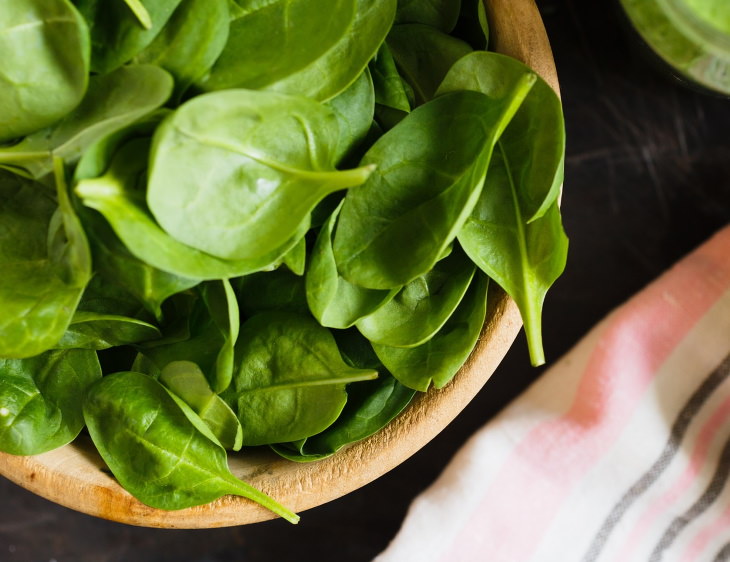
Leftovers You Shouldn't Reheat spinach
Examples of vegetables that contain a lot of nitrates are carrots, celery, beets, spinach, and other leafy greens. These chemicals have a bad reputation, but nitrates are actually naturally present in the human body and beneficial to our heart health and physical performance. That being said, exposing nitrate-rich foods to high temperatures turns some of them into compounds called nitrosamines - a known carcinogen. 
 
The European Food Information Council even released a public warning against reheating spinach for this very reason. Ideally, you should eat these veggies raw, but if you must cook them, do so on low to medium heat and resist reheating them.
5. Fish and seafood
Both fish and seafood are best enjoyed fresh, and there are many reasons to abide by that rule. First and foremost, you ought to know that reheated fish is significantly lower in vitamin B6 than freshly cooked fish because this vitamin is among the most heat-sensitive nutrients out there. Many people choose to eat fish to get more B vitamins. If that is you, resist reheating it. 
 
In addition, the FDA recommends discarding any fish or seafood that was out of the fridge for more than an hour or two due to food poisoning risks. So, the safest bet is to eat fish fresh. And besides, even the most delicate seafood and white fish will taste rubbery and tough after reheating it. So it’s best to just skip out on those seafood leftovers. 
 
6. Mushrooms

Leftovers You Shouldn't Reheat Mushrooms
The European Food Information Council also advises against reheating mushrooms. Mushrooms are rich in proteins, but these proteins tend to deteriorate very quickly in the cooking or reheating process. Enzymes and bacteria continue destroying these proteins even further if they are kept at room temperature. 
 
Consuming such mushrooms could lead to stomach pain and digestive issues, so don’t keep mushrooms that are older than 1-2 days old and preferably enjoy them cold.  
 
7. Risotto
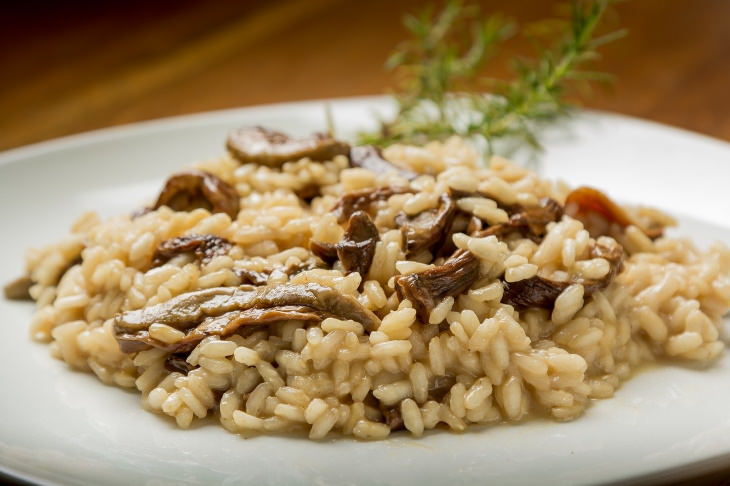
Leftovers You Shouldn't Reheat Risotto
Reheated risotto is very unpleasant: the stickiness of the rice increases, turning risotto from silky smooth to glue-like. But that’s not the only reason why you shouldn’t keep leftover risotto in the fridge. For one, reheated rice is a common cause of foodborne illness. This is because a significant percentage of uncooked rice contains Bacillus cereus, a pathogen that commonly causes food poisoning. 
 
Apart from that, risotto usually includes other ingredients that spoil very quickly, such as mushrooms and dairy. Therefore, it’s best to toss any leftover risotto straight into the trash.
 
8. Chicken
When you’re cooking a whole chicken, it’s difficult to eat the entire bird in one sitting. Still, the FDA and health agencies around the world advise against keeping chicken in the fridge for more than 3 days and reheating it multiple times for concerns of digestive upset. 
 
Reheated chicken should reach the temperature of 73°C (165°F) in all of its parts before consumption. Use a food thermometer to measure the temperature in different places after reheating the chicken. To prevent reheating the same bird multiple times, divide the leftover chicken into separate portions right after cooking. This way, you’ll need to reheat each piece only once.


This is only for your information, kindly take the advice of your doctor for medicines, exercises and so on.   

https://gscrochetdesigns.blogspot.com. one can see my crochet creations  
https://gseasyrecipes.blogspot.com. feel free to view for easy, simple and healthy recipes    
https://kneereplacement-stickclub.blogspot.com. for info on knee replacement

Labels: , , , , , , , , , , ,

Thursday, May 27, 2021

14 Super-Simple Home Remedies For Cracked Heels

Cracked heels, or heel fissures, are a common condition in which the skin begins to break along the outer edge of the heel. The skin there becomes very dry, hard and flaky, which causes the fissures to occur. Some of these fissures may even lead to painful bleeding. But there's no need to lose hope, because there are excellent home remedies to treat this condition. Let's review some of them.

What Causes Cracked Heels? 
 Cracked heels can happen to anyone for a variety of reasons, but here are some of the most commonly found responsible factors: 
 
Walking barefoot for extended periods of time 
 
Regular use of sandals 
 
Living in dry climates 
 
Wearing open-backed shoes 
 
Thick, hard and inflexible skin around the heels 
 
Walking or standing on your heels for a long time 
 
Pregnancy 
 
Lack of proper support from footwear around the heel 
 
Prolonged standing on hard floors 
 
Inactive sweat glands 
 
Poor foot hygiene 
 
Being obese or overweight 
 
Athlete's Foot, eczema or other skin conditions 
 
Deficiency in minerals, vitamins, or zinc 
 
Thyroid problems or Diabetes 
 
Flat feet or high arched heels

How Can You Treat Cracked Heels? 
One of the most important habits to adopt if you have cracked heels, or have had it in the past, is to keep your feet moisturized at all times. Use a soft foot file on your cracked heels to reduce the development of fissures and to remove dry and dead skin cells. Remember, getting rid of cracked heels can be a bit of a process, and the condition will not disappear overnight. 
 
1. Use Oils
Hydrogenated vegetable oil is said to be very good at treating cracked heels. Other oils that are good for treating the condition are: sesame, coconut, olive and vegetable oils. First, clean your feet with soap and water and pat them dry. If you already have cracks in your heels, rub your feet down for a few minutes with a pumice stone to get rid of the dry skin. Then, clean the area with a tissue and apply the oils to any cracks or sores on your heels. Rub the oils in liberally and leave on your feet overnight. For effective results, apply oil each night for a week and you will experience a dramatic improvement in your cracked heels. 
 
2. Ripe Bananas
Bananas can be an excellent moisturizer if they are used correctly. Mash up the banana and apply the mixture to your dry and cracked heels. Leave it on your feet for 15 minutes, then wash the mixture off with warm water. Later, use cold water to wash off the remainder and to refresh your feet.
3. Paraffin Wax
If you experience pain from cracked heels, paraffin wax can give you almost instant relief. Mix the paraffin with coconut or mustard oil and then heat it up until the wax melts. Use the resulting liquid and apply it to your feet to be left overnight and wash it off in the morning. You'll be amazed at the results! 
 
4. Lemon Juice
Applying lemon juice to cracked heels will soften the skin as lemon has acidic properties. Stick your feet in a bucket of lukewarm water and lemon juice for 10 to 15 minutes to hydrate your feet. Once you finish, clean your feet with a pumice stone and pat your feet dry. 
 
5. Rice Flour With Honey and Vinegar  
This is a great natural scrub for removing dead skin cells. To make the scrub, take 2 tablespoons of rice flour and mix it with 2-3 tablespoons of honey and vinegar. This should make a thick paste. Then, soak your feet in warm water for 10 minutes, apply the scrub on your heels and wash it off with warm water once it's dry. 
 
6. Honey  

Using just honey alone can also aid your cracked heels because it has antibacterial and moisturizing properties. When you soak your feet, mix 2-3 tablespoons of honey into the warm water and soak for 15 minutes. This will leave your feet feeling moist and supple. 
 
7. Salt Water 
 Believe it or not, this is an excellent remedy for dry and cracking heels, and it may be why most of the beach bums you know have soft, baby-like feet. Place your feet into a bucket of salty warm water and leave them there for 15 minutes. Now remove your feet and place them in a bucket of cold water for 10 minutes. This will improve the blood circulation to your feet. 
 
8. Indian Lilac or Neem Leaves 
If you are able to purchase this herb fresh or have a paste available to you at your natural foods store, this solution is most effective in the ridding of cracked heels for an extended period of time. Apply a mixture of neem leaf powder and turmeric powder to the cracked area of your heels. Leave the mixture there for 30-45 minutes and wash away the paste when you are done. Pat your feet dry. You should see results in only a few days 
 
9. Petroleum Jelly  
If you regularly scrub your cracked heels with a pumice stone, and then apply petroleum jelly, this will help you get rid of the dryness. After you have scrubbed your feet with a pumice stone, apply petroleum jelly to them before you go to bed. You will wake with softer and mostly crack-free heels. 
 
10. Rosewater and Glycerin  
Mix together equal amounts of rosewater and glycerin and rub the mixture over your cracked heels. If any of the fissures are open or bleeding, this could sting as a result of the glycerin (it contains alcohol). This should keep your skin soft for hours, and the mixture can be easily applied before you put on sandals or walk around barefoot outside. 
 
11. Drinking Water  
It is important to keep your body hydrated, as this will prevent your feet from going dry. You should drink 12-15 glasses of water a day to give your heels the necessary elasticity so they won't crack in the future. 
 
12. Watch Your Calcium Intake  
To improve the state of your cracked heels, you need to watch your calcium intake. Add foods like yogurt, milk, and cheese, broccoli or fish to your diet. 
 
13. Vitamin E and Iron 
By adding Vitamin E to your diet, you will significantly aid in the healing of cracked heels. Foods like vegetable oils, green vegetables, nuts and whole grains are great sources of vitamin E that you should try to incorporate into your diet. Iron is also important for curing cracked heels, so make sure that you are eating enough meat, chicken, and fish. 
 
14. Omega 3 Fatty Acids 
Foods like flaxseeds, flaxseed oil, and cold water fish are known to be rich sources of Omega 3, which helps reduce the effect of cracked heels. If you suffer from cracked heels, try some of these natural and home-made remedies, and you are sure to have soft, supple feet.


This is only for your information, kindly take the advice of your doctor for medicines, exercises and so on.   

https://gscrochetdesigns.blogspot.com. one can see my crochet creations  
https://gseasyrecipes.blogspot.com. feel free to view for easy, simple and healthy recipes    
https://kneereplacement-stickclub.blogspot.com. for info on knee replacement

Labels: , , , , , , , , , , , , , , , ,

Sunday, January 03, 2021

10 Foods That Alleviate Dry and Flaky Skin

When it comes to our appearance, nutrition is our best friend, so much so that the signs of a good or a bad diet show up on our skin almost instantly. Don’t believe us? Then just try and look back to the last time you had a bit too much salt and woke up with puffy eyes the next day, or the time you forgot to drink enough water and got dry chapped lips as a result. We’ve also touched upon the topic of acne-causing foods in a previous article - 7 Kinds of Food Known to Cause Adult Acne.

As you can see, there is a direct connection between the foods we eat and how our skin feels, a connection you can make use of to address the skin issues you are experiencing. In the cold winter months, the most common skin concern is certainly skin dryness and flaking.

To alleviate stubbornly dry skin, moisturizing the skin is often not enough because you need to treat this concern from the inside out by increasing your consumption of the right kinds of foods. Of course, staying hydrated is just as important, but that’s just common sense. So, which foods should you eat to rehydrate and plump up dry skin? The list below includes a variety of plant and animal foods that have been proven to increase skin health and improve skin dryness, take a gander.

1. Do not avoid oils
Foods for Dry Skin oils

If you have dry skin, avoiding oils is probably the last thing you want to do. This is because the very definition of dry skin is skin deficient in lipids and consuming more oils would help your body replenish those lipids. That doesn’t mean, however, that you should start overindulging in dairy and fatty meat, as those are rich in saturated fats that are bad for the heart. 
 
So, instead, take the plant-based route and use extra virgin cooking oils in your food. Since every cooking oil has its own unique cocktail of antioxidants and fats, it’s nice to mix things up and use a variety of oils. Some of the best oils for dry skin are: 
 
Olive oil - this oil has a skin-calming, anti-inflammatory effect and consists primarily of monounsaturated fat, which has been shown in studies to also increase skin elasticity and firmness. 
 
Flaxseed oil - may reduce sun damage and has demonstrated in studies to improve skin hydration and make skin smoother when consumed regularly. 
 
Pumpkin seed oil - pumpkin seeds are an excellent source of vitamin A and zinc, both of which are known to boost skin health, make it more youthful, and improve the skin’s barrier function. 
 
If you don’t have any of these oils at home or simply don’t enjoy them in foods, don’t go out of your way and purchase them - any good quality cooking oil will help dry skin because it’s rich in lipids. 
 
2. Red grapes
Foods for Dry Skin  Red grapes
Though red grapes may not be accessible where you live year-round, it’s an excellent fruit to consider if it is available, especially since many people experience skin dryness all year, and not only in the winter. The reason why red grapes are so beneficial for dry skin is due to an ingredient called resveratrol that’s present in the skin of red grapes. 
 
Apart from the ability of this compound to reduce the effects of skin aging, in-vitro studies also suggest that resveratrol also slows down the production of free radicals that damage the skin and make it more prone to conditions like dryness, acne, and even sun damage. In addition, grapes are among the most hydrating foods out there, consisting of about 82% water, so they make a great snack for those of you with dry skin. 
 
3. Salmon and other kinds of cold-water fish
Plants are not the only source of healthy fats to consider if you have dry skin. In fact, eating more fish does wonders for your skin’s health, as it contains an entire cocktail of ingredients that improve skin health. As you probably know, fatty fish like salmon, sardines, herring, and mackerel hold plenty of omega-3 fatty acids that are super healthy for our brain and the entire body. This includes your skin, especially when it’s dry or inflamed. 
 
In addition, fish is a source of protein, zinc, and vitamin E, all of which reduce inflammation, help renew and produce new skin cells, and boost overall skin health. "Certain fish like halibut and yellowfin tuna also contain selenium, which preserves elastin in the skin, helping your skin stay supple, smooth, and tight," a registered dietitian also pointed out.

4. Nuts and seeds
Foods for Dry Skin Nuts
If you’re not a fan of fish, a great alternative source of healthy fats is nuts and seeds. As we’ve already mentioned, pumpkin seeds and flaxseeds are extremely beneficial for those who have dry skin. Many seeds and nuts, particularly almonds, sunflower seeds, pumpkin seeds, and walnuts are rich in both omega-3 fats and vitamin E, just like fish. 
 
Consuming any kind of nuts and seeds will improve the lipid barrier of the skin, help protect your skin from sun damage, reduce skin inflammation, so they’re essentially a natural remedy for dry skin.
 
5. Asparagus 
Foods for Dry Skin Asparagus
Asparagus is probably the easiest and one of the healthiest side dishes imaginable - just trim of the woodsy ends and sautee them with a touch of olive oil and maybe some garlic for 10-15 minutes, et voila, it’s ready to serve. This peculiar looking vegetable is super rich in vitamins, notably vitamin E, which guards your skin against the elements, improves skin texture, and may even prevent wrinkles.

6. Tangerines and other citrus fruit
Foods for Dry Skin Tangerines
Apart from being a festive treat, tangerines will also hydrate the skin and provide it with the much-needed vitamin C. While many are aware of the role vitamin C plays in immune health, few know of the importance of this vitamin for skin health. As a potent antioxidant, vitamin C prevents environmental damage to the skin, but the main function it plays in the skin is boosting collagen production. 
 
Collagen is a jelly-like building block of skin, the lack of which causes wrinkles, loss of firmness, and dryness. Unfortunately, our skin tends to slow down the production of collagen with age, but vitamin C has been shown experimentally to speed up this process. In addition, not consuming enough vitamin C can lead to dry and scaly skin on its own, so make sure to consume plenty of foods that contain it to keep your skin hydrated, plump, and healthy. 
 
7. Tomatoes
Foods for Dry Skin Tomatoes
Another excellent source of vitamin C that’s actually savory and not sweet is the tomato. But that’s not the only skin-beneficial ingredient tomatoes have, as they also contain carotenoids, which are essentially different versions of vitamin A. More specifically, tomatoes are rich in beta carotene, lutein, and lycopene. 
 
These ingredients don’t just give tomatoes their bright color, they also prevent your skin from being damaged by the environment, prevent wrinkles, and promote collagen production. 
 
8. Sweet Potatoes
Foods for Dry Skin Sweet Potatoes
An alternative side dish to consider if you have dry skin is sweet potatoes. As every orange fruit and veggie, sweet potatoes are quite rich in vitamin A and beta carotene, the skin-repairing and plumping benefits of which we’ve already touched upon. Drizzle some pumpkin seed oil on top of baked sweet potato to add some healthy fats, and you’re golden! 
 
9. Cucumbers
Foods for Dry Skin Cucumbers
Cucumbers are famous for, well, being mainly water. But that’s by no means a disadvantage, especially if your skin is craving water so much. And while putting cucumber slices over the eyes was once a popular skin treatment, dermatologists and estheticians today say that you’re likely better off if you eat that cucumber instead of putting it on your skin, preferably with the peel, too. Apart from just hydrating your skin, cucumber peels hold silica, which also nourishes and calms the skin.

10. Avocados
Foods for Dry Skin Avocados
Most people are aware of the fact that avocados are super rich in healthy fats, which is true, but that’s not the only reason you should start eating more avocado toast and guacamole when your skin is dry. In fact, avocados are also packed with compounds called polyhydroxylated fatty alcohols and antioxidants like lutein and zeaxanthin according to scientific articles. 
 
These compounds help repair the skin, protect it from environmental damage, and fight inflammation in the skin. So, definitely add some avocado goodness into your diet.

This is only for your information, kindly take the advice of your doctor for medicines, exercises and so on.     

https://gscrochetdesigns.blogspot.com. one can see my crochet creations  
https://gseasyrecipes.blogspot.com. feel free to view for easy, simple and healthy recipes    
https://kneereplacement-stickclub.blogspot.com. for info on knee replacement

Labels: , , , , , , , , , , ,