Monday, February 28, 2022

14 Super-Simple Home Remedies For Cracked Heels

Cracked heels, or heel fissures, are a common condition in which the skin begins to break along the outer edge of the heel. The skin there becomes very dry, hard and flaky, which causes the fissures to occur. Some of these fissures may even lead to painful bleeding. But there's no need to lose hope, because there are excellent home remedies to treat this condition. Let's review some of them. 
 
What Causes Cracked Heels? 
Cracked heels can happen to anyone for a variety of reasons, but here are some of the most commonly found responsible factors: 
Walking barefoot for extended periods of time 
Regular use of sandals 
Living in dry climates 
Wearing open-backed shoes 
Thick, hard and inflexible skin around the heels 
Walking or standing on your heels for a long time 
Pregnancy 
Lack of proper support from footwear around the heel 
Prolonged standing on hard floors 
Inactive sweat glands 
Poor foot hygiene 
Being obese or overweight 
Athlete's Foot, eczema or other skin conditions 
Deficiency in minerals, vitamins, or zinc 
Thyroid problems or Diabetes 
Flat feet or high arched heels 
 
How Can You Treat Cracked Heels?  
One of the most important habits to adopt if you have cracked heels, or have had it in the past, is to keep your feet moisturized at all times. Use a soft foot file on your cracked heels to reduce the development of fissures and to remove dry and dead skin cells. Remember, getting rid of cracked heels can be a bit of a process, and the condition will not disappear overnight.  
 
1. Use Oils

Hydrogenated vegetable oil is said to be very good at treating cracked heels. Other oils that are good for treating the condition are: sesame, coconut, olive and vegetable oils. First, clean your feet with soap and water and pat them dry. If you already have cracks in your heels, rub your feet down for a few minutes with a pumice stone to get rid of the dry skin. Then, clean the area with a tissue and apply the oils to any cracks or sores on your heels. Rub the oils in liberally and leave on your feet overnight. For effective results, apply oil each night for a week and you will experience a dramatic improvement in your cracked heels. 
 
2. Ripe Bananas
Bananas can be an excellent moisturizer if they are used correctly. Mash up the banana and apply the mixture to your dry and cracked heels. Leave it on your feet for 15 minutes, then wash the mixture off with warm water. Later, use cold water to wash off the remainder and to refresh your feet.

3. Paraffin Wax
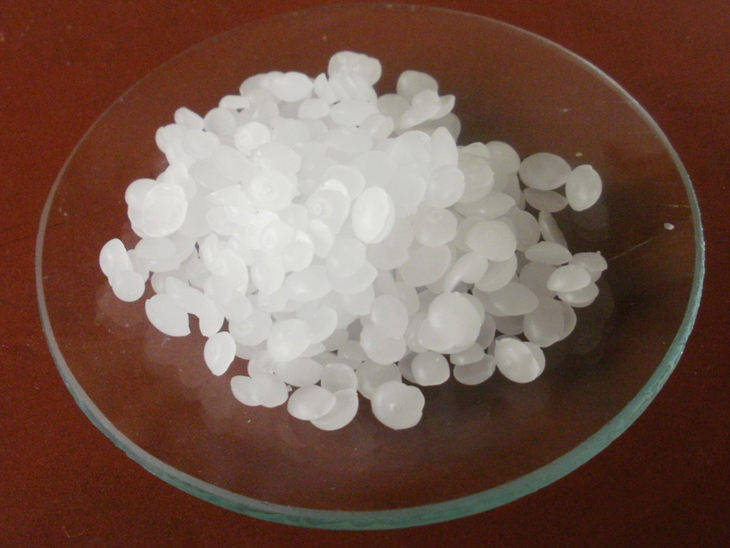
If you experience pain from cracked heels, paraffin wax can give you almost instant relief. Mix the paraffin with coconut or mustard oil and then heat it up until the wax melts. Use the resulting liquid and apply it to your feet to be left overnight and wash it off in the morning. You'll be amazed at the results!  
 
4. Lemon Juice
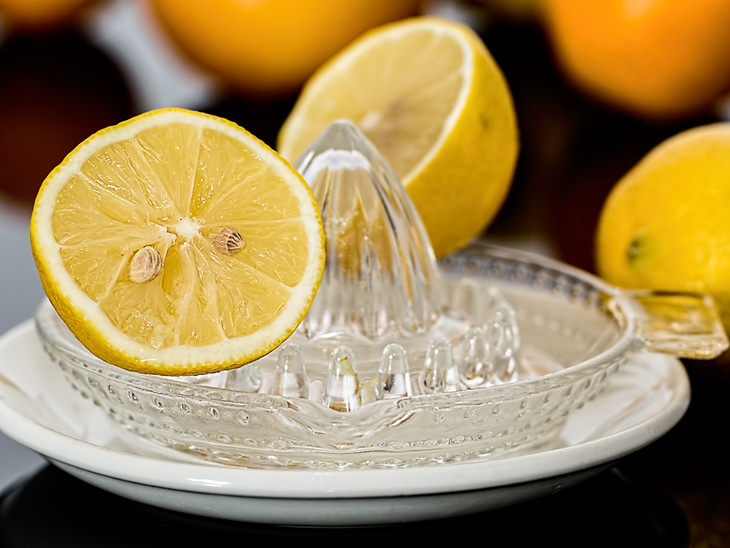
Applying lemon juice to cracked heels will soften the skin as lemon has acidic properties. Stick your feet in a bucket of lukewarm water and lemon juice for 10 to 15 minutes to hydrate your feet. Once you finish, clean your feet with a pumice stone and pat your feet dry.  
 
5. Rice Flour With Honey and Vinegar
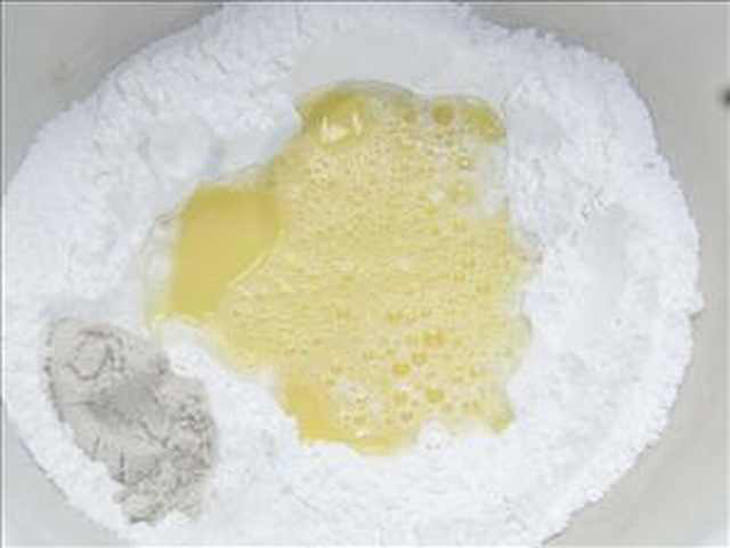
This is a great natural scrub for removing dead skin cells. To make the scrub, take 2 tablespoons of rice flour and mix it with 2-3 tablespoons of honey and vinegar. This should make a thick paste. Then, soak your feet in warm water for 10 minutes, apply the scrub on your heels and wash it off with warm water once it's dry.  
 
6. Honey
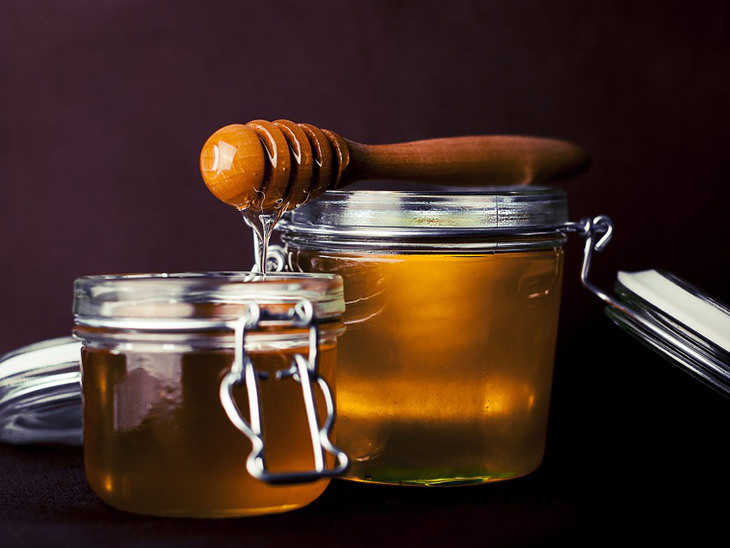
Using just honey alone can also aid your cracked heels because it has antibacterial and moisturizing properties. When you soak your feet, mix 2-3 tablespoons of honey into the warm water and soak for 15 minutes. This will leave your feet feeling moist and supple.  
 
7. Salt Water
Believe it or not, this is an excellent remedy for dry and cracking heels, and it may be why most of the beach bums you know have soft, baby-like feet. Place your feet into a bucket of salty warm water and leave them there for 15 minutes. Now remove your feet and place them in a bucket of cold water for 10 minutes. This will improve the blood circulation to your feet. 
 
8. Indian Lilac or Neem Leaves
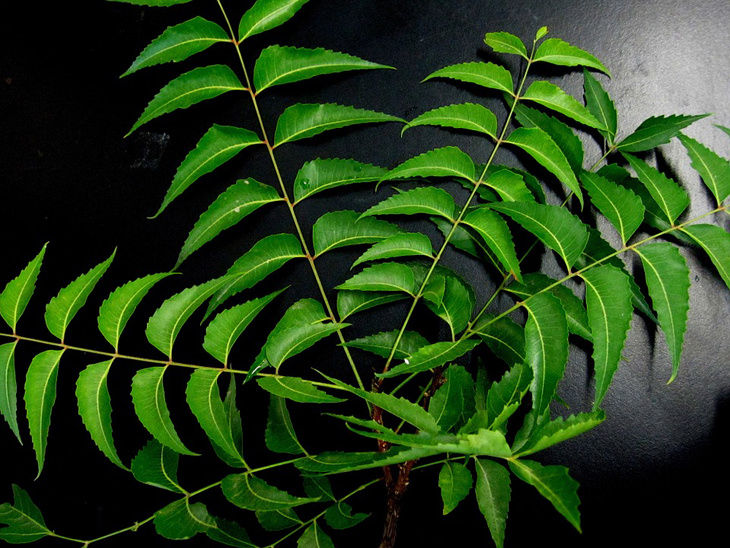
If you are able to purchase this herb fresh or have a paste available to you at your natural foods store, this solution is most effective in the ridding of cracked heels for an extended period of time. Apply a mixture of neem leaf powder and turmeric powder to the cracked area of your heels. Leave the mixture there for 30-45 minutes and wash away the paste when you are done. Pat your feet dry. You should see results in only a few days  
 
9. Petroleum Jelly
If you regularly scrub your cracked heels with a pumice stone, and then apply petroleum jelly, this will help you get rid of the dryness. After you have scrubbed your feet with a pumice stone, apply petroleum jelly to them before you go to bed. You will wake with softer and mostly crack-free heels. 
 
10. Rosewater and Glycerin
Mix together equal amounts of rosewater and glycerin and rub the mixture over your cracked heels. If any of the fissures are open or bleeding, this could sting as a result of the glycerin (it contains alcohol). This should keep your skin soft for hours, and the mixture can be easily applied before you put on sandals or walk around barefoot outside. 
 
11. Drinking Water 
It is important to keep your body hydrated, as this will prevent your feet from going dry. You should drink 12-15 glasses of water a day to give your heels the necessary elasticity so they won't crack in the future. 
 
12. Watch Your Calcium Intake 
 To improve the state of your cracked heels, you need to watch your calcium intake. Add foods like yogurt, milk, and cheese, broccoli or fish to your diet. 
 
13. Vitamin E and Iron By adding Vitamin E to your diet, you will significantly aid in the healing of cracked heels. Foods like vegetable oils, green vegetables, nuts and whole grains are great sources of vitamin E that you should try to incorporate into your diet. Iron is also important for curing cracked heels, so make sure that you are eating enough meat, chicken, and fish. 
 
14. Omega 3 Fatty Acids  
Foods like flaxseeds, flaxseed oil, and cold water fish are known to be rich sources of Omega 3, which helps reduce the effect of cracked heels. If you suffer from cracked heels, try some of these natural and home-made remedies, and you are sure to have soft, supple feet.


This is only for your information, kindly take the advice of your doctor for medicines, exercises and so on.   

https://gscrochetdesigns.blogspot.com. one can see my crochet creations  
https://gseasyrecipes.blogspot.com. feel free to view for easy, simple and healthy recipes    
https://kneereplacement-stickclub.blogspot.com. for info on knee replacement


Labels: , , , , , , , , , , , , , ,

Friday, August 27, 2021

10 Things You Should Always Have in Your Medicine Cabinet

When was the last time you updated your medicine cabinet and first aid kit? Most medicine cabinets are overflowing with expired decongestant sprays and old medicines while also missing many key items. This pretty much leaves you to your own devices in case of injury, illness, or any other medical emergency, which is, obviously, not setting you up for success. 
 
Apart from stocking up on your prescriptions, you want to have a set of medicines and tools that will help you treat anything from minor cuts and burns to digestive upsets and the flu. Wherever you keep your medicines, it's important to make sure you've got all the essentials in stock. Here are 10 medical supplies doctors recommend keeping at home for everyone. 
 
1. Thermometer 
If you have a glass mercury thermometer, keep in mind that these older models are prone to breakage and contain dangerous chemicals. If you want to get rid of a mercury thermometer, avoid throwing it in the trash, as this can be dangerous for you and the environment. Recycle the device at the nearest recycling center or pharmacy.
 
2. Over-the-counter (OTC) Medications

Apart from your prescription medications, there’s a range of over-the-counter drugs that will be useful for various medical emergencies and illnesses. Here’s a shortlist of such medications and why you’d want to stock up on them: 
 
- Pain relievers can help relieve headaches, backaches, muscle pains, and reduce fevers. Acetaminophen (Tylenol) is a good option in pill form, and topical creams like Icy Hot and Tiger Balm relieve muscle pains. Rub-on oral painkillers like Orajel, Anbesol, or Zilactin may also be beneficial if you have gum pain, canker sores, or toothaches. 
 
- Antacids are beneficial for the occasional heartburn. Both products that contain calcium carbonate (brands like Tums) and magnesium (e.g. Mylanta) are effective and beneficial. 
 
- Antihistamines help relieve allergy symptoms like sneezing, runny nose, and itching. Pill varieties that cause fewer side effects include cetirizine (Zyrtec) and loratadine (Claritin). A nasal steroid spray containing fluticasone, triamcinolone, or budesonide can help with a runny nose and eye drops with olopatadine or ketotifen can be more effective than pills if your main allergy complaint is itchy or watery eyes. 
 
In addition to the basic list of medicines, you may want to add other items tailored to your needs. For example, you may need hydrating eye drops if you have dry eyes. If you’re prone to constipation, you may want to add a bulk-forming laxative with psyllium; or stock up on phenazopyridine (Uristat and Prodium) if you’re prone to bladder infections and need to relieve burning and other unpleasant symptoms quickly. The bottom line is, think of what extra OTC medications you and other family members may need.

3. Blood pressure monitor
Medicine Cabinet Essentials Blood pressure monitor
A blood pressure (BP) monitor is one of the most useful medical devices for the home, especially if you’re older, or live with hypertension or hypotension. If you’re generally healthy and have no cardiovascular issues, there’s no need to measure your blood pressure every day. But checking your blood pressure when you don’t feel well can help detect a problem early. 
 
A BP monitor is even more beneficial for those who have low or high blood pressure. It helps track your daily blood pressure and make adjustments in your medication dose with your doctor if you notice that your current medication isn’t working. 
 
4. Sunscreen
Keep a big bottle of sunscreen in your medicine cabinet at all times. Ideally, it should be between SPF 30 and SPF50 and should have the label “broad spectrum,” which means that it will protect you from both ultraviolet and infrared sun rays.

The American Academy of Dermatology suggests that you wear sunscreen on the face and body every day you go outside (going out in the garden or yard counts as outside too). Sunscreen will protect you from skin cancer and signs of skin aging, so it’s beneficial for everyone.

5. Bug repellent
If you’re prone to getting bug bites, having a bug repellent spray or cream is a must-have in the summer. But even if you only go outside occasionally, having a bottle of bug repellent is beneficial for keeping disease-causing ticks and mosquitos away. You can even make your own bug repellent out of natural ingredients if you’d like. SEE MY NEXT POST

6. Melatonin
In the past few years, a lot of research has been done regarding the importance of sleep for our health. Unfortunately, many people are light sleepers or just get the occasional stress-induced insomnia. For these occasional sleep mishaps, taking a pill with melatonin can help you fall asleep. Melatonin is a naturally present hormone in our brain. It helps us fall asleep and stay asleep throughout the night, so taking a melatonin supplement can help fight insomnia if you have trouble sleeping naturally. 
 
7. Bandages
Injuries like cuts, scrapes, minor burns, and just plain blisters are the reality of life. So it’s better to be prepared for such mishaps and keep an assortment of bandages and antiseptics in stock. According to The American Red Cross, a family of four should have a kit stocked with 25 adhesive bandages in various sizes, 1 roll of adhesive tape, 2 roller bandages, 10 sterile pieces of gauze, and two absorbent compress dressings. 
 
Hydrogen peroxide can be used to clean wounds, and an antibiotic cream like Neosporin can help heal and disinfect a minor wound or burn. Lastly, the American Association of Retired Persons (AARP) suggests that older adults better use silicone sensitive skin bandages instead of regular bandages because they will be easier to remove without tearing the skin.

8. Remedies for itchy skin and sunburns
For the times that you do get an allergic reaction or bug bite on your skin, having a topical itch relief cream like an over-the-counter 1% hydrocortisone cream is a real lifesaver. Plain old calamine lotion, aloe vera gel, or an antihistamine cream also help you soothe itching caused by sunburn, poison ivy, bug bites, and other itchy skin issues, but they may not be as effective as hydrocortisone. 
 
At the same time, note that hydrocortisone should not be used for more than 2 weeks, as it may lead to skin thinning. So, if you have an itchy spot that persists for over 2 weeks, you’ll need to seek professional help.

9. Cough remedies
Most coughs will go away on their own and don’t require any medical help. If you have a fever, treating it with acetaminophen can help. You can use a saline nasal spray to clear up a stuffy nose. Decongestant sprays and pills are also available, but doctors recommend avoiding them for older adults, as their active ingredients can increase your heart rate, blood pressure, cause insomnia, and can cause rebound nasal congestion too after a few days. 
 
Avoid combining cold medicines with pain and fever relievers because it can lead to an acetaminophen overdose. Around 30,000 Americans go to the emergency room every year as a result of combing acetaminophen and cold medicine with acetaminophen, like NyQuil. 
 
10. Petroleum jelly
Medicine Cabinet Essentials Petroleum jelly
Petroleum jelly (such as Vaseline) is an essential product. It has countless beneficial uses around the house. Crucially, it relieves dry skin and chipping nails, softens rough skin on the elbows and feet, prevents chafing, and works as an excellent moisturizer for dry skin. 
 
The American Academy of Dermatology states that petroleum jelly can be just as successful as antibiotic creams in healing minor cuts or scrapes. Just wash the area with soap and water, then cover it in a thin layer of petroleum jelly, and put a bandage on top. Change the bandage daily, and it should heal in a few days.

This is only for your information, kindly take the advice of your doctor for medicines, exercises and so on.   

https://gscrochetdesigns.blogspot.com. one can see my crochet creations  
https://gseasyrecipes.blogspot.com. feel free to view for easy, simple and healthy recipes    
https://kneereplacement-stickclub.blogspot.com. for info on knee replacement

Labels: , , , , , , , , , , , , , ,