Friday, August 21, 2026

Treat Your Dry Skin with These Excellent Sea Salt Scrubs

 Do you want to learn how to make your own homemade sugar and sea-salt scrubs? If the answer to this is yes, you’ve definitely come to the right place. Sugar and sea salt scrubs are very good for your skin, especially when wild winds and cold weather have dried out your arms, legs, and face. Furthermore, they are excellent for treating dry and sensitive skin. Below you can find 6 fantastic sugar and sea salt scrub recipes that’ll give you the clear skin that you desire:

1. Olive Oil Salt Scrub
This scrub is easy to make as it only contains two ingredients (which you probably have in your kitchen). This scrub will help to exfoliate your skin, and remove any remaining dead cells. The olive oil will help to moisturize your skin, leaving it silky smooth. This is a great choice for a facial scrub.

Ingredients

• Extra virgin olive oil 

• Sea salt 

Directions 

1. Take equal parts of sea salt and virgin olive oil, and mix them well. 

2. Scrub your body down with the mixture in the bath or shower. 

3. Wash it off, alternating between cold and warm water. 

4. End with a splash of cold water. 

5. Pat yourself dry with a towel. 

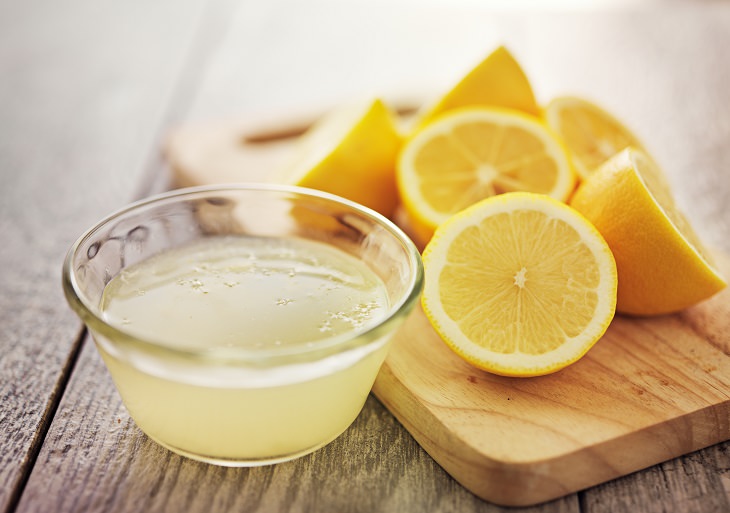
2. Citrus Salt Body Scrub
 
Treat Your Dry Skin with These Excellent Sea Salt Scrubs

Ingredients  

• ½ cup of sea salt 

• ½ cup of sweet almond oil 

• ½ teaspoon of lemon zest 

• ½ teaspoon of orange zest 

Directions  

1. In a medium-sized bowl, combine all these ingredients. 

2. Pour the mixture into an airtight container. 

3. Store in a cool and dry place. 

4. After showering or taking a bath, apply the scrub to your body using a soft washcloth or your hands. 

5. Rinse off the mixture and pat your body dry with a clean towel. 

3. Baby Oil Salt Scrub 

This scrub is very good for those with dry or sensitive skin. Furthermore, the baby oil that is used will leave you smelling nice and sweet. This scrub is great to use on your legs, arms, knees, and elbows. 

Ingredients 

• 1 cup of coarse sea salt 

• ½ cup of baby oil 

Directions 

1. Stir the ingredients together in a large bowl. 

2. After you have mixed well, place in a screw top jar. 

3. Leave the mixture for around 24 hours. 

4. Apply the mixture to the area that you want to exfoliate. 

5. Massage into your skin for a few minutes, and then shower off. 

6. Pat your skin dry. 


4. Oatmeal and Patchouli Salt Scrub 

This amazing scrub will make flaky skin a thing of the past, as well making you feel fresh and revitalized. 

Ingredients 

• 2 cups of sea salt 

• ½ cup of oatmeal, ground and uncooked 

• ½ cup of grapeseed oil 

• ½ cup of olive oil 

• 5-10 drops of patchouli essential oil 

Directions 

1. Place the salt in a dry and clean bowl. 

2. Add the oils and then mix well with a spoon. 

3. Add some drops of patchouli oil and mix well. 

4. Store in a glass jar and use it as an all-over body exfoliator. 


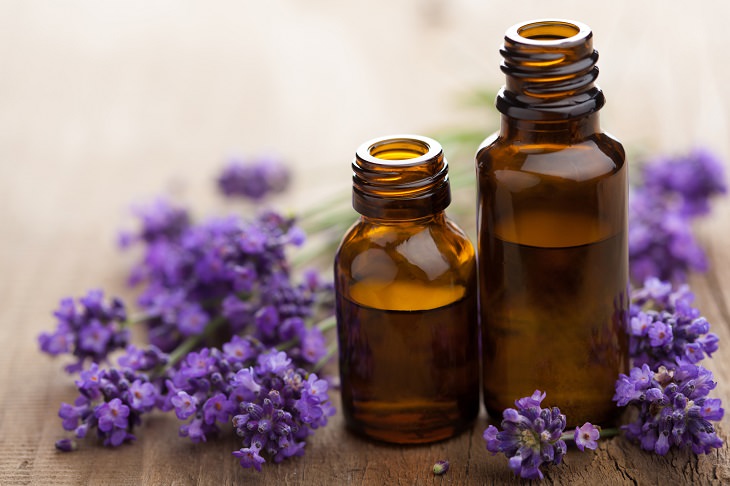
5. Lavender and Salt Scrub
 
Treat Your Dry Skin with These Excellent Sea Salt Scrubs

The soothing scent of the lavender oil will leave you feeling relaxed and calm. If you apply this scrub at night it will also help you sleep better. 

Ingredients 

• ½ cup of sea salt 

• 1/3 cup of sweet almond oil 

• 2 capsules of vitamin E 

• 1 tablespoon of dried lavender blossoms 

• 8 drops of lavender oil 

Directions 

1. Add the sea salt and almond oil into a small glass jar or container. 

2. Open the vitamin E capsules, and add the oil to the mixture. 

3. Add the lavender blossoms and lavender essential oil to the sea salt and oil mixture. 

4. Cover the mixture and let it sit for an hour. 

5. Remove the cover and check the scent. Add some more lavender oil if you desire. 

6. Apply to damp or dry skin, and massage in using a circular motion. 

7. Rinse off using cool water.


This is only for your information, kindly take the advice of your doctor for food, medicines, exercises and so on.   


Labels: , , , , ,

Saturday, September 06, 2025

10 Tell-Tale Signs That You Might Have Hypothyroidism

If you’re constantly sleepy and can’t lose weight, then it’s possible you have hypothyroidism, a condition that affects millions of people around the world. In the human body, the thyroid gland is a butterfly-shaped gland at the base of the neck that secretes two very important hormones – thyroxine and thyroid stimulating hormone. When hypothyroidism is present in an individual, levels of thyroxine are normal to low, whereas levels of thyroid stimulating hormone are elevated.
In turn, these hormone imbalances cause the pituitary gland to work harder than it normally should, as it tries to bring hormone levels back into balance. Thyroxine and thyroid-stimulating hormones are highly important because they regulate energy, body temperature, food digestion, and many major organs, such as the heart, brain liver, kidneys and skin. 
 
In addition to sleepiness and the inability to lose weight, other symptoms of hypothyroidism include feeling foggy and sluggish. It is an incredibly prevalent condition, with about 10 million people in the USA alone being afflicted by it. 
 
Hypothyroidism can be caused by a number of things, such as genetic predisposition to an autoimmune disorder called Hashimoto’s thyroiditis. It can be diagnosed by a simple blood test, and can often be fixed with the right prescription. Here are 10 signs that you might have hypothyroidism:

1. Constant tiredness
 10 Tell-Tale Signs That You Might Have Hypothyroidism
 
While there are many causes for tiredness and fatigue, the symptoms are strongly linked to hypothyroidism. If hypothyroidism is the cause of these symptoms, they can be countered by exercising and increasing physical activity. 
 
2. Weight Gain 
If you’ve gained quite a bit of weight recently, but you’re at a loss as to why, then the cause might be hypothyroidism. The condition causes metabolic function to slow down. Even if you happen to be dieting and exercising regularly, you will not be able to lose any extra pounds, because your body accumulates water and salt when your thyroid is sluggish. 
 
3. Forgetfulness 
Cognitive function takes a hit when your thyroid isn’t working properly. Hormone imbalances as a result of this malfunctioning, can cause forgetfulness and poor memory. Seeing as this hormone deficiency or imbalance slows everything down, your neurological function could be affected after some time. 
 
4. High Cholesterol Levels 
Although it isn’t typical for a doctor to look for thyroid problems during a check-up, they’re likely to measure cholesterol levels. If they are elevated, they could also point to a thyroid problem. This is because hypothyroidism can reduce clearance of cholesterol particles in the body. If you’re looking to lower these levels, a good food to try is overnight oats. 
 
5. Little Interest in Love Making 
Having little to no interest in love making can also point to a thyroid disorder. This is because of the relationship between thyroid function and adrenal glands, which are the organs that control the responsible hormones, like testosterone. In a nutshell, low levels of thyroid hormones can also result in low levels of needed hormones. 
 
6. Feeling Gloomy or Depressed 
One of the more debilitating side-effects of hypothyroidism is feeling down in the dumps or depressed. While depression can, of course, be related to other things, it can be a sign of hypothyroidism, especially when it is experienced in conjunction with one or more of the other symptoms that are mentioned in this list. 
 
 
7. Dry Skin 
If you’ve desperately been trying to add moisture to your skin seemingly to no avail, it could also be a sign of a thyroid problem. Changes in texture and appearance could be as a result of low thyroid function. You should especially be concerned if your dry skin is compounded with brittle nails, poor wound healing and hair loss. Make it a priority to see a doctor if you’re experiencing these things in combination.


8. Constipation

Being unable to go can be caused by an under-active thyroid. Seeing as the thyroid gland regulates metabolism, under activity can slow down digestive tract action. This can also weaken the contraction of the muscles that line the digestive tract. This causes your stools to move through your intestine far too slowly. Eating fiber-rich foods can help with constipation, but if symptoms persist, then it’s time to head to your doctor. 
 
9. Sore Muscles 
If you exercise regularly, then it’s normal to experience muscle fatigue, however if the fatigue feels constant, it could be linked to a thyroid problem. The hormones that regulate metabolism can affect how your muscles feel if they are at low levels. To counter these symptoms, do low-impact exercises like elliptical stepping or swimming. Also, consider increasing the amount of fish in your diet. 
 
10. Feeling Cold 
Wearing many different layers in the middle of summer obviously isn’t normal, and if you’re doing so, you might be suffering from hypothyroidism. The thyroid gland regulates body temperature, and its function is affected if it is producing too little thyroid hormone. Body temperature tends to decrease as a result of this, because less energy is being burned by downstream cell targets. Less energy together with a slow metabolism means less heat.


This is only for your information, kindly take the advice of your doctor for medicines, exercises and so on.   

https://gscrochetdesigns.blogspot.com. one can see my crochet creations  
https://gseasyrecipes.blogspot.com. feel free to view for easy, simple and healthy recipes    
https://kneereplacement-stickclub.blogspot.com. for info on knee replacement
https://GSiyers home remedies.blogspot.com   is the latest addition to my blogs
 

Labels: , , , , , , , , , , , , , ,

Wednesday, May 21, 2025

10 Tell-Tale Signs That You Might Have Hypothyroidism

If you’re constantly sleepy and can’t lose weight, then it’s possible you have hypothyroidism, a condition that affects millions of people around the world. In the human body, the thyroid gland is a butterfly-shaped gland at the base of the neck that secretes two very important hormones – thyroxine and thyroid stimulating hormone. When hypothyroidism is present in an individual, levels of thyroxine are normal to low, whereas levels of thyroid stimulating hormone are elevated.

In turn, these hormone imbalances cause the pituitary gland to work harder than it normally should, as it tries to bring hormone levels back into balance. Thyroxine and thyroid-stimulating hormones are highly important because they regulate energy, body temperature, food digestion, and many major organs, such as the heart, brain liver, kidneys and skin.
 
In addition to sleepiness and the inability to lose weight, other symptoms of hypothyroidism include feeling foggy and sluggish. It is an incredibly prevalent condition, with about 10 million people in the USA alone being afflicted by it. 
 
Hypothyroidism can be caused by a number of things, such as genetic predisposition to an autoimmune disorder called Hashimoto’s thyroiditis. It can be diagnosed by a simple blood test, and can often be fixed with the right prescription. Here are 10 signs that you might have hypothyroidism:

1. Constant tiredness

 10 Tell-Tale Signs That You Might Have Hypothyroidism

While there are many causes for tiredness and fatigue, the symptoms are strongly linked to hypothyroidism. If hypothyroidism is the cause of these symptoms, they can be countered by exercising and increasing physical activity. 
 
2. Weight Gain 
If you’ve gained quite a bit of weight recently, but you’re at a loss as to why, then the cause might be hypothyroidism. The condition causes metabolic function to slow down. Even if you happen to be dieting and exercising regularly, you will not be able to lose any extra pounds, because your body accumulates water and salt when your thyroid is sluggish. 
 
3. Forgetfulness 
Cognitive function takes a hit when your thyroid isn’t working properly. Hormone imbalances as a result of this malfunctioning, can cause forgetfulness and poor memory. Seeing as this hormone deficiency or imbalance slows everything down, your neurological function could be affected after some time. 
 
4. High Cholesterol Levels
Although it isn’t typical for a doctor to look for thyroid problems during a check-up, they’re likely to measure cholesterol levels. If they are elevated, they could also point to a thyroid problem. This is because hypothyroidism can reduce clearance of cholesterol particles in the body. If you’re looking to lower these levels, a good food to try is overnight oats. 
 
 5. Little Interest in Love Making 
Having little to no interest in love making can also point to a thyroid disorder. This is because of the relationship between thyroid function and adrenal glands, which are the organs that control the responsible hormones, like testosterone. In a nutshell, low levels of thyroid hormones can also result in low levels of needed hormones. 
 
6. Feeling Gloomy or Depressed 
One of the more debilitating side-effects of hypothyroidism is feeling down in the dumps or depressed. While depression can, of course, be related to other things, it can be a sign of hypothyroidism, especially when it is experienced in conjunction with one or more of the other symptoms that are mentioned in this list. 
 
7. Dry Skin 
If you’ve desperately been trying to add moisture to your skin seemingly to no avail, it could also be a sign of a thyroid problem. Changes in texture and appearance could be as a result of low thyroid function. You should especially be concerned if your dry skin is compounded with brittle nails, poor wound healing and hair loss. Make it a priority to see a doctor if you’re experiencing these things in combination.

8. Constipation
Being unable to go can be caused by an under-active thyroid. Seeing as the thyroid gland regulates metabolism, under activity can slow down digestive tract action. This can also weaken the contraction of the muscles that line the digestive tract. This causes your stools to move through your intestine far too slowly. Eating fiber-rich foods can help with constipation, but if symptoms persist, then it’s time to head to your doctor. 
 
9. Sore Muscles 
If you exercise regularly, then it’s normal to experience muscle fatigue, however if the fatigue feels constant, it could be linked to a thyroid problem. The hormones that regulate metabolism can affect how your muscles feel if they are at low levels. To counter these symptoms, do low-impact exercises like elliptical stepping or swimming. Also, consider increasing the amount of fish in your diet. 
 
10. Feeling Cold 
Wearing many different layers in the middle of summer obviously isn’t normal, and if you’re doing so, you might be suffering from hypothyroidism. The thyroid gland regulates body temperature, and its function is affected if it is producing too little thyroid hormone. Body temperature tends to decrease as a result of this, because less energy is being burned by downstream cell targets. Less energy together with a slow metabolism means less heat.


This is only for your information, kindly take the advice of your doctor for medicines, exercises and so on.   

Labels: , , , , , , , , ,

Wednesday, October 26, 2022

6 Best Natural Foods for Vitamin A Deficiency

Vitamin A is a fat-soluble vitamin that's important for many functions in the body. It aids vision, immune system, reproduction, and skin health. The two types of the vitamin found in foods are preformed vitamin A and provitamin A. The former is known as retinol, while the latter is known as carotenoids.

Retinol is present in meat, fish, eggs, and dairy products and is absorbed and used in by the body, which converts carotenoids in plant foods to their active form. Carotenoids are generally found in red, green, yellow, and orange fruits and vegetables. Deficiency is rare in developed countries but is common in developing countries, where people do not get enough vitamin A.

Vitamin A Deficiency

Deficiency of retinol can cause dry skin, as it's important for skin repair and formation of new skin. It also helps fight skin inflammation, which can cause eczema.

Eye problems are commonly related to vitamin - A deficiency. Not getting enough of the vitamin can lead to blindness. People on diets lacking in vitamin A are at risk of developing dry eyes. Supplementing with vitamin A can improve the condition. Severe vitamin A deficiency can lead to night blindness.

Vitamin A deficiency can lead to infertility in both men and women. Its deficiency is also related to miscarriages and stunted growth in children. Frequent infections, especially in the throat or chest, may be a sign of retinol deficiency.

Natural Foods for Vitamin A Deficiency

Deficiency of vitamin A can be prevented by including various common foods rich in retinol or carotenoids in the diet. Six of them are listed below:

1) Organ Meat

Organ meat is rich in bioavailable retinol and has more nutrients than regular meat, making it a good choice for deficient individuals. Organ meats are also rich in other nutrients, such as copper, selenium, manganese, etc. Livers, hearts, and spleens are commonly consumed by many.

2) Red Meat

Red Meat is Nutritious (Image via Unsplash/Sven Brandsma)

Red meat is a rich source of retinol in its bioavailable form and is easily absorbed in the body. Due to the absence of anti-nutrient factors, vitamins are absorbed more easily. Red meat is also rich in heme iron, which is the most bioavailable form of iron for the body and is high in quality protein as well.

3) Cod Liver Oil

Cod liver oil is a popular supplement (Image via Unsplash/Leohoho)

Fish livers are excellent sources of retinol. One tablespoon of cod liver oil provides 4080 mcg of retinol. Cod liver oil is also an excellent source of vitamin D and boosts immunity and improves bone health. It can also help alleviate depression.

4) Carrot

Carrots are high in beta carotene. (Image via Unsplash/Gabriel Gurrola)

Carrots are rich in beta carotene, which is converted by the body to retinol. They are low in calories, making them a healthy choice.

Carrots are also rich in dietary fiber, which keeps the gut healthy and prevents constipation. They are rich in antioxidants that fight oxidative free radicals, which can cause cellular damage and inflammation.

5) Broccoli

Broccoli is great for weight loss. (Image via Unsplash/Louis Hansel)
Broccoli is great for weight loss.
Broccoli is a rich source of carotenoids along with vitamin K and vitamin C. Vitamin K is required for bone metabolism and blood clotting, while vitamin C is an antioxidant and has anti-inflammatory properties. It's also beneficial in weight loss.

6) Spinach

Spinach is a superfood. (Image via Unsplash/Louis Hansel)

Like other leafy green vegetables, spinach contains a variety of nutrients. Half a cup of spinach contains about 573 mcg of carotenoids.

It's also rich in iron and magnesium. Iron is required by red blood cells, while magnesium plays a key role in various metabolic functions. Spinach can also lower blood pressure and bad cholesterol.

Takeaway

Vitamin A is an essential micronutrient for the body, as it cannot make the vitamin, so we must obtain the vitamin from our diet.

Animal-based foods contain highly bioavailable retinol, while plant-based sources contain carotenoids that are converted to retinol by the body. Vegans and vegetarians can get their fair share of this vitamin from vegetables.

The best way to ensure an adequate intake of vitamins is to have a varied and balanced diet that includes fruits, vegetables, whole grains, healthy fats, and wholesome proteins. People with severe deficiencies must seek medical attention.


This is only for your information, kindly take the advice of your doctor for medicines, exercises and so on.   

https://gscrochetdesigns.blogspot.com. one can see my crochet creations  
https://gseasyrecipes.blogspot.com. feel free to view for easy, simple and healthy recipes    
https://kneereplacement-stickclub.blogspot.com. for info on knee replacement

https://GSiyers home remedies.blogspot.com     is my latest addition to my blogs. I'm going to add posts there, do give me your valuable feed back on my blogs. Thanks a lot, take care, be healthy and be happy.


Labels: , , , , , , , , , , , ,