Tuesday, June 24, 2025

14 Silent Signs That You’re Under Too Much Stress

Living under constant stress is never good for you, but sometimes, the chronic stress you’re experiencing might emerge in surprising ways, slowly chipping away at your physical and emotional well-being. Unhealthy food habits, clenching jaw muscles at night, acne, irritability, and many other more serious health issues can all be a sign that you’re under too much stress, and it’s time to prioritize your health and dial down the stress in your life for a little while. Here 14 of such signs, some of which are guaranteed to surprise you. 
 
1. Difficulty Remembering Things

Both short- and long-term stress can affect your cognitive capabilities, with memory being one of them. People who live under excessive stress often report having difficulty retrieving important information and even more issues with memorizing new things. Why this happens isn't certain, but it is suggested that the memory problems have both a psychological and a neurological cause.

On one hand, high cortisol (the stress hormone) levels in the brain were linked to short-term memory loss in seniors, so the hormone might be to blame. On the other hand, anxiety and depression, as well as sleep issues stressed people often experience likewise increase forgetfulness, so these, too, likely contribute to the issue. In any case, relaxing your body and mind may help you restore your true memory. 
 
2. Cravings for Junk Food

 
signs stress is harming your health woman fridge
Stress eating is not a myth, it's a real phenomenon, one that's more dangerous than you'd think, too. When stress levels rise, the delicate hormonal balance can be upset, and often, the levels of hunger hormones are affected, too. This is why some people will not be able to eat while they're stressed, whereas others will tend to overeat and indulge in junk food. 
 
The result - a terrible habit that contributes to weight gain and other health issues, as well as an emotional attachment to food. 
 
3. Wrinkles and Gray Hairs
Increased hair and skin aging can be the result of chronic stress, and it's not only because we tend to do less self-care when we're stressed out. Studies have shown that high-stress levels decreased collagen production in the skin, and collagen is the building block of our skin cells and the substance that makes skin plump and youthful-looking.

As for gray hairs, the neurotransmitter called norepinephrine that's secreted during a stressful moment in the sympathetic nervous system seems to be to blame, as revealed in a recent study. As a result of the so-called fight or flight response to stress, norepinephrine drains the pigment from melanocyte cells in your hair, causing gray hairs. 
 
Needless to say, stress is not the only cause of wrinkles and gray hairs, as is the case with many other signs on this list, but it is certainly one of the major factors contributing to these signs and symptoms.

 
4. You Catch the Cold and Flu More Often
Immune suppression is one of the most dangerous and least understood effects of stress on the human body. Several studies have shown that chronic stress affects the immune system, with one notable paper finding that people experiencing a lot of stress typically suffer 70% more respiratory infections and suffer from cold and flu symptoms for 61% longer than those who experience low levels of stress. 
 
Some researchers believe that this is because people who suffer from stress are less sensitive to cortisol since they have higher levels of the hormone as a result of stress, and so their immune cells fail to activate when cortisol levels rise in response to an infection. Still, the precise mechanism is poorly understood, but you should definitely take extra care in protecting yourself from infections if you're under a lot of stress. 
 
5. Rapid Heartbeat and Hypertension
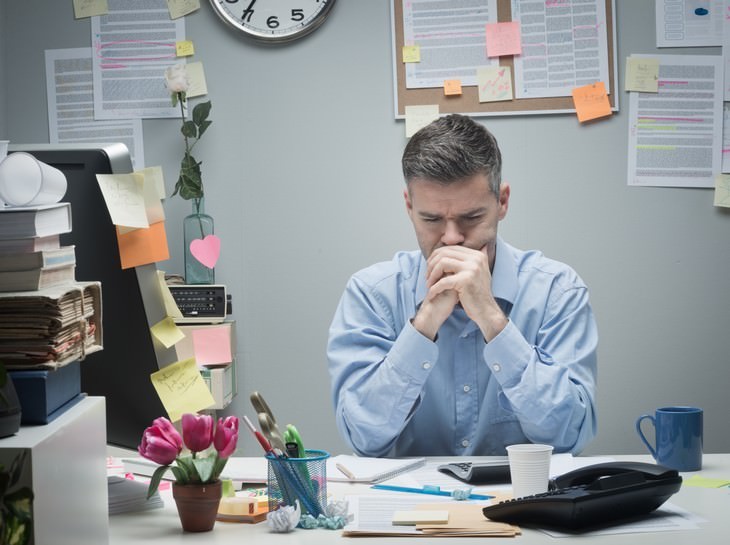
A famous symptom of the fight or flight response is a rapid heartbeat, which is rather useful when your cortisol levels rise in response to a physical stimulus, like a rapidly approaching car when you're crossing the street, as it will help your muscles get more oxygen and will make running away from the dangerous situation easier.

Unfortunately, running away from most issues people face these days isn't a solution, but our bodies still react to emotional and work-related stress the same way, pumping up the heartbeat, and as a result, contributing to hypertension. Combine this with a stress eating habit, and you have a recipe for a cardiovascular disaster, so please watch your stress levels and diet to avoid heart issues and hypertension. 
 
6. Difficulty Concentrating
 
signs stress is harming your health angy man in an office

Another cognitive symptom of stress is difficulty concentrating, or brain fog. While this symptom is often temporary, in some people, difficulty maintaining focus due to stress can significantly impair their work or school performance. These difficulties, in turn, can raise your stress levels even more and cause anxiety or depression, all of which are bound to further worsen your cognitive health. 
 
If you're experiencing this symptom, try mental relaxation techniques, such as meditation, and try to maintain a healthy sleep schedule and activity levels to break the cycle. 
 
7. Changes in Libido
During times of intense stress, your libido, too, can and often does take a hit. This is because stress is a complex neuropsychological response that alters one's hormone levels and affects your emotional well being. 
 
Stress, anxiety, and depression (the latter two can be caused by stress as well) can lower your sex hormone levels, with studies finding a correlation between low testosterone levels and stress, which can and probably does contribute to the sex drive impairment in both sexes. De-stressing and focusing on your emotional health is key to prevent and deal with these libido changes. 
 
8. Shortness of Breath

Breathing problems, such as shortness of breath and even asthma are significantly more common among people who experience a lot of stress. These issues can also become worse if you're under stress, as your chest muscles and diaphragm can tighten in response to stress, making you breathe faster. As a result, this can cause anxiety, which fastens the breathing and heartbeat even further. In cases like these, it's important to make yourself breathe slowly and deeply to stop the vicious cycle.

Interestingly, in one study, researchers also found that women who were stressed out during pregnancy were a lot more likely to give birth to kids with asthma and other breathing difficulties, so stress can have very far-reaching health effects. 

 
9. Fatigue and Sleep Issues
 
signs stress is harming your health sleep issues

Chronic stress is among the main causes of insomnia, but trouble falling asleep is not the only sleep condition that can be caused by stress, as some people tend to be even more sleepy when they're stressed out. Irrespective of the condition, the majority of people experiencing sleep issues will also feel more tired throughout the day.
 
 The causes of stress-related sleep issues are both hormonal and psychological, with high cortisol levels and the activation of the sympathetic nervous system (both hallmarks of the stress response) meddling with sleep hormone levels and one's ability to relax. Fatigue can also occur without sleep issues in people experiencing stress, as reported in a 2011 study. 
 
This type of fatigue can become constant if stress persists, developing into a condition known as chronic fatigue syndrome. 
 
10. Having Cold Sores Often

signs stress is harming your health man with cold sore

Skin rashes and the re-emergence of dormant conditions, such as the herpes virus or shingles is also common among people who experience stress or a traumatic event. As we mentioned earlier, stress can depress your immune system, and when your immunity is low, the different chronic conditions, including the herpes virus that's causing cold sores seize the chance to show themselves. If you happen to get cold sores more often than you used to, it can be a sign that you're under too much stress. 
 
11. Feeling Angry, Irritable, or Anxious
Emotional and psychological symptoms are hallmarks of chronic stress, with people who are under a lot of stress also suffering from anxiety or depression. When you're stressed out, you're also more likely to react harshly, be angry and more irritable than usual, likely because of other symptoms, such as tiredness and insomnia in particular, but also due to hormonal fluctuations in the brain. 
 
When it comes to depression sufferers specifically, stress can increase the likelihood of getting a major depressive episode, as suggested in studies both in adolescents and adults, so make sure to compensate for stressful situations if you're suffering from depression.

12. Digestive issues
We've written about the gut-brain axis many a time, which is essentially a tight link between your gut microbiome and the brain. When you're stressed out, the balance of microbes that live in your digestive tracts is upset, which manifests itself in bloating, diarrhea, constipation, and even heartburn. IBS, in particular, has been linked to stress. The fact that we often tend to eat fast food when we're stressed out doesn't help our digestive system either, of course.
 
13. Acne, Scalp Issues and Hair Loss
Chronic stress is practically synonymous with chronic inflammation because high cortisol levels have a very similar effect to an actual infection, as discussed above. These high levels of inflammation in the body combine with hormonal issues do often result in hormonal breakouts, which are more common among women, especially around their period. In addition, high cortisol levels also increase oil production in the pores, as suggested by the American Academy of Dermatology, which also causes acne. The same can also cause scalp issues, such as dandruff. 
 
Hair loss can likewise be caused by stress. Traumatic life events can trigger temporary hair loss up to 3 months after the event itself. It was even observed that chronically stressed people, on average, have thinner hair than those with lower stress levels. 
 
14. Clenching Your Teeth at Night
Do you often wake up with a tight or painful jaw in the morning? Many people with higher stress levels are known to suffer from bruxism - an often painful condition that occurs when you grind or clench your teeth. This condition can result in jaw pain, headaches, and even damaged teeth. 
 
If you notice any signs of bruxism, it's necessary to discuss the issue with your dentist, as they can help you prevent tooth damage. Stress and anxiety management is the main preventative methods of bruxism.


This is only for your information, kindly take the advice of your doctor for medicines, exercises and so on.   


Labels: , , , , , , , , ,

Sunday, March 30, 2025

Do Women React To Stress Differently Than Men?

It certainly feels terrible to be stressed, but the effects of this terrible malady on the body are so much more than just unpleasant. The physiological effects of stress on the human body range from hair loss to serious health conditions like hypertension and depression, no wonder psychologists and doctors alike take it so seriously. 
 
But you probably knew all that already. What you might have not known, however, is that stress manifests itself differently in men and women. In this article, we will focus on the symptoms of stress in women, and then we will discuss how to treat it without going to therapy or taking antidepressants. 
 
How Is Stress Different In Women? 
We know that stress is our body’s reaction to danger, both immediate and chronic. A 2000 study revealed that women and men may have a different reaction and sensitivity to stress. 
 
While men usually react to stress by the “fight or flight” response, women tend to do the opposite: instead of fleeing from the dangerous situation, they try to react to the dangerous situation by forming bonds with other people, which got the nickname “tend or befriend” response. 
 
This difference in sexes is suggested to be an evolutionary development, as in the distant past, women were the primary caregivers and had to provide for their children first, whereas men were the hunters who usually had to react fast in a dangerous situation. 
 
Whether or not this theory is true, we know that, on average, women are more stressed than men, which suggests that they are more susceptible to the adverse effects of stress.
These adverse effects are both physiological and mental, and can be categorized into the following 7 categories: 
 
1. Stomach Issues
stress in women stomach issues
Many women report that they either lose appetite or start eating more (usually junk and comfort foods) when they’re stressed. This may change, too: one situation can upset your stomach, whereas another can make you eat more.

Irrespective of the changes in diet, the most common stomach issues caused by stress are:

Bloating
cramps 
Heartburn
Changes in weight
 
A 2017 study in the journal Frontiers in System Neuroscience even suggested that stress can cause irritable bowel syndrome (IBS).

2. Heart problems
Chronic stress raises the amount of adrenaline and cortisol in blood, both of which are hormones associated with hypertension. This can have a negative effect on the cardiovascular system and may contribute to stroke and heart attack.

Also, some studies associate stress with changes in blood clotting, which also increases the risk of a heart attack.

3. Skin reactions
Your skin, hair and nails are especially sensitive to stress. This is likely because of the hormonal changes due to stress, and every woman who ever had a hormonal breakout knows very well what hormones can do to the skin. The most-common skin reactions include: 
 stress in women skin problems
Acne 
Rosacea and psoriasis flare-ups 
Hives or rash
Hair loss 
Brittle nails 
 
Luckily, the symptoms of these conditions tend to subside when the stressful period is over, but do take into account that you will have to take better care of your skin and use gentle and non-irritating skin care products when you know you're stressed.
4. Disrupted Sleep
Consistently high levels of cortisol in the blood, a signature feature of chronic stress, affect the so-called HPA loop, which is a relationship between the hypothalamus, the pituitary gland, and the adrenal gland. 
 
Unfortunately, the same loop controls our sleep cycles, so when you're stressed and the HPA loop is too active, you often feel tired, yet unable to fall asleep. Furthermore, even the quality of sleep decreases as the transition between the various sleep cycles is disrupted. 
 
5. Emotional Disturbances 
Chronic stress can cause a variety of emotional disturbances and even mental illness: 
 
Anxiety 
Depression 
Irritability 
Mood swings 
Compulsive behavior (such as addiction). 
 
As alarming as it may sound, there is even a study that showed that higher levels of anger are commonly linked to both mental stress and even the likelihood of a stress-related heart attack. stress in women depression

6. Difficulty Concentrating and Memory Issues  
Researchers found that certain hormones secreted after a stressful event can potentially impair memory and concentration. Also, an animal study found that stressed rats had more memory issues than the non-stressed control group. 
 
The same is suggested to occur in humans, as many patients report that they have difficulties focusing or remembering important information when they're stressed. 
 
7. Lowered Immunity  
The American Psychological Association suggests that stressful events and negative emotional experiences can take a toll on your immune system, which can make you more susceptible to a cold, but also to any other infectious disease. 
 
They conclude that managing stress is crucial for you to regain your ability to fight off germs. The next section is exactly about that, the most basic lifestyle change you can make to be less stressed. B


How To Deal With Stress 
 
Therapy and medications can certainly get you through a stressful period in your life, but the following changes in lifestyle can also significantly improve your stress symptoms: 
 
1. Improve your diet 
When you’re stressed out and you have no time to do anything, you’re more likely to settle for a snack or junk food instead of a healthy and nutritious meal. 
 
You have to resist this urge and try to improve your diet, include more leafy greens and colorful vegetables in your diet, as in the past years there is more and more scientific evidence suggesting that a healthy diet can help you fight anxiety and depression, and, certainly, stress.
2. Make time for exercise  
When you exercise and spend more time outdoors, your brain releases chemicals associated with happiness and wellbeing, such as the neurochemical oxytocin, the levels of which drop dramatically during stressful periods in your life. 
 
So, lift your mood while you’re getting in shape by normalizing your oxytocin levels. 
 
3. Find fun ways to relax 
Women often seek connection and meaning in life when they feel stressed, and what your gut tells you is exactly what you should do, in this case. 
 
Distracting yourself by doing activities that require a lot of concentration is another effective method of fighting off stress, as reported in the journal Frontiers in Psychiatry in 2017. 
 
So, find or rediscover your old hobby, participate in engaging conversations with family and friends and just do something meaningful.

4. Hugs

 Let’s end our list of recommendations on a happy note and with a non-trivial tip. It turns out that hugs, especially long hugs lasting up to 20 seconds, may have the same effect on your brain as a morning jog, as reported in a 2018 study. Like exercise, hugs raise the levels of oxytocin in blood, which may just be enough to compensate for that stressful day at work.


This is only for your information, kindly take the advice of your doctor for medicines, exercises and so on.   


Labels: , , , , , , , , ,

Sunday, November 17, 2024

14 Silent Signs That You’re Under Too Much Stress

Living under constant stress is never good for you, but sometimes, the chronic stress you’re experiencing might emerge in surprising ways, slowly chipping away at your physical and emotional well-being. Unhealthy food habits, clenching jaw muscles at night, acne, irritability, and many other more serious health issues can all be a sign that you’re under too much stress, and it’s time to prioritize your health and dial down the stress in your life for a little while. Here 14 of such signs, some of which are guaranteed to surprise you. 
 
1. Difficulty Remembering Things
signs stress is harming your health woman forgot something
Both short- and long-term stress can affect your cognitive capabilities, with memory being one of them. People who live under excessive stress often report having difficulty retrieving important information and even more issues with memorizing new things. Why this happens isn't certain, but it is suggested that the memory problems have both a psychological and a neurological cause

On one hand, high cortisol (the stress hormone) levels in the brain were linked to short-term memory loss in seniors, so the hormone might be to blame. On the other hand, anxiety and depression, as well as sleep issues stressed people often experience likewise increase forgetfulness, so these, too, likely contribute to the issue. In any case, relaxing your body and mind may help you restore your true memory. 
 
2. Cravings for Junk Food
signs stress is harming your health woman fridge
Stress eating is not a myth, it's a real phenomenon, one that's more dangerous than you'd think, too. When stress levels rise, the delicate hormonal balance can be upset, and often, the levels of hunger hormones are affected, too. 
 
This is why some people will not be able to eat while they're stressed, whereas others will tend to overeat and indulge in junk food. The result - a terrible habit that contributes to weight gain and other health issues, as well as an emotional attachment to food.
 
3. Wrinkles and Gray Hairs
Increased hair and skin aging can be the result of chronic stress, and it's not only because we tend to do less self-care when we're stressed out. Studies have shown that high-stress levels decreased collagen production in the skin, and collagen is the building block of our skin cells and the substance that makes skin plump and youthful-looking.

As for gray hairs, the neurotransmitter called norepinephrine that's secreted during a stressful moment in the sympathetic nervous system seems to be to blame, as revealed in a recent study. As a result of the so-called fight or flight response to stress, norepinephrine drains the pigment from melanocyte cells in your hair, causing gray hairs. 
 
Needless to say, stress is not the only cause of wrinkles and gray hairs, as is the case with many other signs on this list, but it is certainly one of the major factors contributing to these signs and symptoms.

4. You Catch the Cold and Flu More Often
Immune suppression is one of the most dangerous and least understood effects of stress on the human body. Several studies have shown that chronic stress affects the immune system, with one notable paper finding that people experiencing a lot of stress typically suffer 70% more respiratory infections and suffer from cold and flu symptoms for 61% longer than those who experience low levels of stress. 
 
Some researchers believe that this is because people who suffer from stress are less sensitive to cortisol since they have higher levels of the hormone as a result of stress, and so their immune cells fail to activate when cortisol levels rise in response to an infection. Still, the precise mechanism is poorly understood, but you should definitely take extra care in protecting yourself from infections if you're under a lot of stress. 
 
5. Rapid Heartbeat and Hypertension
A famous symptom of the fight or flight response is a rapid heartbeat, which is rather useful when your cortisol levels rise in response to a physical stimulus, like a rapidly approaching car when you're crossing the street, as it will help your muscles get more oxygen and will make running away from the dangerous situation easier.

Unfortunately, running away from most issues people face these days isn't a solution, but our bodies still react to emotional and work-related stress the same way, pumping up the heartbeat, and as a result, contributing to hypertension. Combine this with a stress eating habit, and you have a recipe for a cardiovascular disaster, so please watch your stress levels and diet to avoid heart issues and hypertension. 
 
 
6. Difficulty Concentrating
signs stress is harming your health angy man in an office

Another cognitive symptom of stress is difficulty concentrating, or brain fog. While this symptom is often temporary, in some people, difficulty maintaining focus due to stress can significantly impair their work or school performance. These difficulties, in turn, can raise your stress levels even more and cause anxiety or depression, all of which are bound to further worsen your cognitive health. 
 
If you're experiencing this symptom, try mental relaxation techniques, such as meditation, and try to maintain a healthy sleep schedule and activity levels to break the cycle. 
 
7. Changes in Libido
During times of intense stress, your libido, too, can and often does take a hit. This is because stress is a complex neuropsychological response that alters one's hormone levels and affects your emotional well being. 
 
Stress, anxiety, and depression (the latter two can be caused by stress as well) can lower your sex hormone levels, with studies finding a correlation between low testosterone levels and stress, which can and probably does contribute to the sex drive impairment in both sexes. De-stressing and focusing on your emotional health is key to prevent and deal with these libido changes. 
 
8. Shortness of Breath
Breathing problems, such as shortness of breath and even asthma are significantly more common among people who experience a lot of stress. These issues can also become worse if you're under stress, as your chest muscles and diaphragm can tighten in response to stress, making you breathe faster. As a result, this can cause anxiety, which fastens the breathing and heartbeat even further. In cases like these, it's important to make yourself breathe slowly and deeply to stop the vicious cycle.

Interestingly, in one study, researchers also found that women who were stressed out during pregnancy were a lot more likely to give birth to kids with asthma and other breathing difficulties, so stress can have very far-reaching health effects.

9. Fatigue and Sleep Issues
Chronic stress is among the main causes of insomnia, but trouble falling asleep is not the only sleep condition that can be caused by stress, as some people tend to be even more sleepy when they're stressed out. Irrespective of the condition, the majority of people experiencing sleep issues will also feel more tired throughout the day. 
 
The causes of stress-related sleep issues are both hormonal and psychological, with high cortisol levels and the activation of the sympathetic nervous system (both hallmarks of the stress response) meddling with sleep hormone levels and one's ability to relax. Fatigue can also occur without sleep issues in people experiencing stress, as reported in a 2011 study. 
 
This type of fatigue can become constant if stress persists, developing into a condition known as chronic fatigue syndrome. 
 
 
10. Having Cold Sores Often
signs stress is harming your health man with cold sore
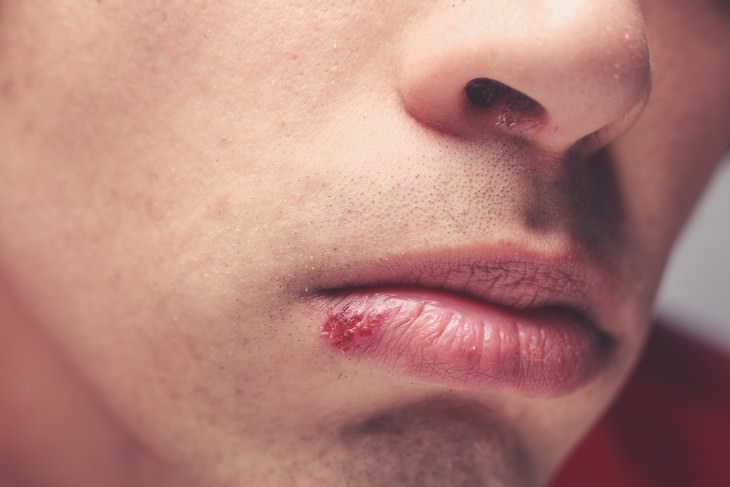
Skin rashes and the re-emergence of dormant conditions, such as the herpes virus or shingles is also common among people who experience stress or a traumatic event. As we mentioned earlier, stress can depress your immune system, and when your immunity is low, the different chronic conditions, including the herpes virus that's causing cold sores seize the chance to show themselves. If you happen to get cold sores more often than you used to, it can be a sign that you're under too much stress. 
 
11. Feeling Angry, Irritable, or Anxious
Emotional and psychological symptoms are hallmarks of chronic stress, with people who are under a lot of stress also suffering from anxiety or depression. When you're stressed out, you're also more likely to react harshly, be angry and more irritable than usual, likely because of other symptoms, such as tiredness and insomnia in particular, but also due to hormonal fluctuations in the brain. 
 
When it comes to depression sufferers specifically, stress can increase the likelihood of getting a major depressive episode, as suggested in studies both in adolescents and adults, so make sure to compensate for stressful situations if you're suffering from depression.


12. Digestive issues
We've written about the gut-brain axis many a time, which is essentially a tight link between your gut microbiome and the brain. When you're stressed out, the balance of microbes that live in your digestive tracts is upset, which manifests itself in bloating, diarrhea, constipation, and even heartburn. IBS, in particular, has been linked to stress. The fact that we often tend to eat fast food when we're stressed out doesn't help our digestive system either, of course.
 
13. Acne, Scalp Issues and Hair Loss
signs stress is harming your health woman with acne
Chronic stress is practically synonymous with chronic inflammation because high cortisol levels have a very similar effect to an actual infection, as discussed above. These high levels of inflammation in the body combine with hormonal issues do often result in hormonal breakouts, which are more common among women, especially around their period. In addition, high cortisol levels also increase oil production in the pores, as suggested by the American Academy of Dermatology, which also causes acne. The same can also cause scalp issues, such as dandruff. 
 
Hair loss can likewise be caused by stress. Traumatic life events can trigger temporary hair loss up to 3 months after the event itself. It was even observed that chronically stressed people, on average, have thinner hair than those with lower stress levels. 
 
14. Clenching Your Teeth at Night
signs stress is harming your health man with a toothache
Do you often wake up with a tight or painful jaw in the morning? Many people with higher stress levels are known to suffer from bruxism - an often painful condition that occurs when you grind or clench your teeth. This condition can result in jaw pain, headaches, and even damaged teeth. 
 
If you notice any signs of bruxism, it's necessary to discuss the issue with your dentist, as they can help you prevent tooth damage. Stress and anxiety management is the main preventative methods of bruxism.

This is only for your information, kindly take the advice of your doctor for medicines, exercises and so on.   

https://gscrochetdesigns.blogspot.com. one can see my crochet creations  
https://gseasyrecipes.blogspot.com. feel free to view for easy, simple and healthy recipes    
https://kneereplacement-stickclub.blogspot.com. for info on knee replacement
https://cancersupportindia.blogspot.com  for infor on cancer and health related topics
https://GSiyers home remedies.blogspot.com   is the latest addition to my blogs. I'm going to add posts there, do give me your valuable feed back on my blogs. Thanks a lot, take care, be healthy and be happy.

Labels: , , , , , , , ,

Friday, May 07, 2021

Skipping Breakfast Linked to Higher Risk of Heart Disease

Breakfast, lunch, and dinner are all important meals to keep our bodies nourished and energized throughout the day but one meal has long been enjoying a reputation as ‘the most important meal of the day.' Yes, we’re talking about breakfast. Ever since childhood, we are warned not to skip breakfast, and this notion is rooted in truth. Repeatedly skipping breakfast has been found to slow down metabolism, increase cortisol levels, and cause difficulty in concentration.

A recent meta-analysis - a statistical analysis that combines the results of multiple scientific studies - published in the Journal Clinical Nutrition further solidified the importance of breakfast, when it revealed a clear correlation between skipping breakfast and heart disease. After analyzing more than 221,730 participants, the researchers found that passing on breakfast elevated the risk of cardiovascular disease by 22 percent.

These results confirm the findings of a similar meta-analysis conducted in 2019. The previous study, which was published in the Journal of Cardiovascular Development and Disease analyzed the data of four different studies from the US and Japan and found that those who regularly skipped breakfast were 21 percent more likely to experience cardiovascular disease than participants who regularly ate breakfast. 
 
Moreover, people who skip breakfast were also shown to be more likely to die from heart-related issues and a heart attack in particular. Another study from the same year looked at the eating habits of 113 heart attack patients and found that those who tended to skip breakfast and eat dinner near bedtime were four to five times more likely to die, suffer another heart attack, or experience angina within 30 days after being discharged from the hospital.

Why does breakfast have such a drastic effect on our heart health? 
The word breakfast literally means breaking the fasting period of the prior night. When we don’t eat breakfast, we prolong that period, and later when we do eat we tend to “feast” on heavier, higher-calorie meals to ‘make up' for it. It’s been proven that eating large portions of food in long intervals can result in high cholesterol and elevated blood pressure and blood sugar, compared with nibbling smaller meals more often. Unfortunately, all three of these complications are risk factors for heart disease. They are caused by the extra strain on the body during the few times a person does eat, according to Eric Rimm, associate professor of nutrition at Harvard School of Public Health. 
 
The type of food that a person consumes during breakfast might also be a factor. Typically, the morning is when most people tend to eat a healthy meal. "By skipping a meal that usually features fiber or fruit or yogurt, you're missing out on an occasion where people can get healthy nutrients," said Rimm.

Given the heart health risk, and the other health benefits breakfast offers, it’s clear that it is an essential meal, and most people are aware of that. A survey conducted in 2009 found that 93 percent of Americans agree that breakfast is the most important meal of the day. However, there is an apparent gap between people’s beliefs and their actions. A 2019 survey found that the average American eats breakfast only three times a week, while 13 percent of the participants said they rarely, if ever, eat breakfast. 
 
Given all this information, we urge you to make eating breakfast a habit, if it isn’t already one.

This is only for your information, kindly take the advice of your doctor for medicines, exercises and so on.     

https://gscrochetdesigns.blogspot.com. one can see my crochet creations  
https://gseasyrecipes.blogspot.com. feel free to view for easy, simple and healthy recipes    
https://kneereplacement-stickclub.blogspot.com. for info on knee replacement

Labels: , , , , , , , , , ,