Sunday, March 30, 2025

Do Women React To Stress Differently Than Men?

It certainly feels terrible to be stressed, but the effects of this terrible malady on the body are so much more than just unpleasant. The physiological effects of stress on the human body range from hair loss to serious health conditions like hypertension and depression, no wonder psychologists and doctors alike take it so seriously. 
 
But you probably knew all that already. What you might have not known, however, is that stress manifests itself differently in men and women. In this article, we will focus on the symptoms of stress in women, and then we will discuss how to treat it without going to therapy or taking antidepressants. 
 
How Is Stress Different In Women? 
We know that stress is our body’s reaction to danger, both immediate and chronic. A 2000 study revealed that women and men may have a different reaction and sensitivity to stress. 
 
While men usually react to stress by the “fight or flight” response, women tend to do the opposite: instead of fleeing from the dangerous situation, they try to react to the dangerous situation by forming bonds with other people, which got the nickname “tend or befriend” response. 
 
This difference in sexes is suggested to be an evolutionary development, as in the distant past, women were the primary caregivers and had to provide for their children first, whereas men were the hunters who usually had to react fast in a dangerous situation. 
 
Whether or not this theory is true, we know that, on average, women are more stressed than men, which suggests that they are more susceptible to the adverse effects of stress.
These adverse effects are both physiological and mental, and can be categorized into the following 7 categories: 
 
1. Stomach Issues
stress in women stomach issues
Many women report that they either lose appetite or start eating more (usually junk and comfort foods) when they’re stressed. This may change, too: one situation can upset your stomach, whereas another can make you eat more.

Irrespective of the changes in diet, the most common stomach issues caused by stress are:

Bloating
cramps 
Heartburn
Changes in weight
 
A 2017 study in the journal Frontiers in System Neuroscience even suggested that stress can cause irritable bowel syndrome (IBS).

2. Heart problems
Chronic stress raises the amount of adrenaline and cortisol in blood, both of which are hormones associated with hypertension. This can have a negative effect on the cardiovascular system and may contribute to stroke and heart attack.

Also, some studies associate stress with changes in blood clotting, which also increases the risk of a heart attack.

3. Skin reactions
Your skin, hair and nails are especially sensitive to stress. This is likely because of the hormonal changes due to stress, and every woman who ever had a hormonal breakout knows very well what hormones can do to the skin. The most-common skin reactions include: 
 stress in women skin problems
Acne 
Rosacea and psoriasis flare-ups 
Hives or rash
Hair loss 
Brittle nails 
 
Luckily, the symptoms of these conditions tend to subside when the stressful period is over, but do take into account that you will have to take better care of your skin and use gentle and non-irritating skin care products when you know you're stressed.
4. Disrupted Sleep
Consistently high levels of cortisol in the blood, a signature feature of chronic stress, affect the so-called HPA loop, which is a relationship between the hypothalamus, the pituitary gland, and the adrenal gland. 
 
Unfortunately, the same loop controls our sleep cycles, so when you're stressed and the HPA loop is too active, you often feel tired, yet unable to fall asleep. Furthermore, even the quality of sleep decreases as the transition between the various sleep cycles is disrupted. 
 
5. Emotional Disturbances 
Chronic stress can cause a variety of emotional disturbances and even mental illness: 
 
Anxiety 
Depression 
Irritability 
Mood swings 
Compulsive behavior (such as addiction). 
 
As alarming as it may sound, there is even a study that showed that higher levels of anger are commonly linked to both mental stress and even the likelihood of a stress-related heart attack. stress in women depression

6. Difficulty Concentrating and Memory Issues  
Researchers found that certain hormones secreted after a stressful event can potentially impair memory and concentration. Also, an animal study found that stressed rats had more memory issues than the non-stressed control group. 
 
The same is suggested to occur in humans, as many patients report that they have difficulties focusing or remembering important information when they're stressed. 
 
7. Lowered Immunity  
The American Psychological Association suggests that stressful events and negative emotional experiences can take a toll on your immune system, which can make you more susceptible to a cold, but also to any other infectious disease. 
 
They conclude that managing stress is crucial for you to regain your ability to fight off germs. The next section is exactly about that, the most basic lifestyle change you can make to be less stressed. B


How To Deal With Stress 
 
Therapy and medications can certainly get you through a stressful period in your life, but the following changes in lifestyle can also significantly improve your stress symptoms: 
 
1. Improve your diet 
When you’re stressed out and you have no time to do anything, you’re more likely to settle for a snack or junk food instead of a healthy and nutritious meal. 
 
You have to resist this urge and try to improve your diet, include more leafy greens and colorful vegetables in your diet, as in the past years there is more and more scientific evidence suggesting that a healthy diet can help you fight anxiety and depression, and, certainly, stress.
2. Make time for exercise  
When you exercise and spend more time outdoors, your brain releases chemicals associated with happiness and wellbeing, such as the neurochemical oxytocin, the levels of which drop dramatically during stressful periods in your life. 
 
So, lift your mood while you’re getting in shape by normalizing your oxytocin levels. 
 
3. Find fun ways to relax 
Women often seek connection and meaning in life when they feel stressed, and what your gut tells you is exactly what you should do, in this case. 
 
Distracting yourself by doing activities that require a lot of concentration is another effective method of fighting off stress, as reported in the journal Frontiers in Psychiatry in 2017. 
 
So, find or rediscover your old hobby, participate in engaging conversations with family and friends and just do something meaningful.

4. Hugs

 Let’s end our list of recommendations on a happy note and with a non-trivial tip. It turns out that hugs, especially long hugs lasting up to 20 seconds, may have the same effect on your brain as a morning jog, as reported in a 2018 study. Like exercise, hugs raise the levels of oxytocin in blood, which may just be enough to compensate for that stressful day at work.


This is only for your information, kindly take the advice of your doctor for medicines, exercises and so on.   


Labels: , , , , , , , , ,

Tuesday, August 03, 2021

What to do if you develop an allergic reaction after the first COVID-19 vaccine shot?

What to do if you develop an allergic reaction after the first COVID-19 vaccine shot?

Developing some side-effects with the coronavirus vaccine shot is considered to be normal. However, there's a small percentage of people who end up developing serious, or allergic reactions to the vaccines and need attention.

While beneficiaries are asked to be abreast of common and uncommon vaccination symptoms, developing an allergy to the shot can quickly take a turn for serious, and lead to severe complications. Hence, it's important to know how to spot the signs of trouble and know when to seek help. Having said that, what really happens if you get an allergic reaction after the first shot? Can you still take the second dose?

Here's all you need to know about the same if you are lined up to receive your vaccination dose:

What defines an allergic reaction? How common is it?

An allergic reaction to the COVID-19 vaccine, or any vaccine occurs when a person who is sensitive to one or the other ingredients present in the vaccine develop an unpleasant reaction that leads to anaphylaxis. While it's not easy to determine who might get it post-vaccination, a person with a prior history (or such as having an egg allergy) have a higher risk of developing unpleasant reactions.

Allergic reactions with vaccines, even though serious are considered to be a rare side-effect. Not everybody gets it, and the clinical precedence of the same as well as evaluations have been found to be on the lower side.

Since allergic reactions require attention at once, it's crucial that those who have received the vaccine are monitored for their side-effects, and the waiting time period of 30 minutes is maintained.

Is it different from an adverse reaction?

While both the side-effects are of serious nature and require medical help, allergic reactions are a bit different from adverse reactions.

An adverse reaction to the vaccine is defined as a serious reactogenic, often life-threatening side-effect when one is administered the vaccine shot. To simplify, what differentiates an adverse reaction from an allergy is the reaction itself. While an allergy is mediated by immediate immune response, a side-effect is 'expected'. Blood clots, or myocarditis, for example, are termed as 'serious' reactions and can be witnessed in a span of 7-20 days post vaccination.

Allergic reactions usually are of two types- severe and non-severe. Immediate reactions, which may not always require severe care are categorized as non-severe and can be treated with some interventions.

The timing also differs. While allergies usually come up minutes following vaccination, adverse, serious reactions take a while. 

What should a vaccinated person do if they develop an allergy?

Since the timing and occurrence of allergic reactions to the vaccination can't really be predicted, it's important that all beneficiaries stay aware of possible symptoms.

However, if you do happen to develop some unpleasant reaction minutes after getting vaccinated, alert healthcare providers at once. An immediate allergic reaction can strike as late as 4 hours post-vaccination. So, it's helpful to be alert.

As for the reactions themselves, be alert for the type of reaction you get. If you get a rash at the spot where you got the vaccine or COVID arm, tell your provider about the same. Some antihistamines and allergic medications may be taken for the same. If there's a severe reaction, such as anaphylaxis (which can cause you to faint, sweat), healthcare workers may rush you to the nearest hospital, where evaluations may continue to happen for at least several hours.

It should be remembered that although concerning, allergic reactions can be well-managed if diagnosed in time. 

What are the symptoms you should be looking for?

-Skin reactions (Hives, blisters, redness, swelling etc.)

-Hypertension

-Sweating

-Weak, rapid pulse, dizziness and fainting

-Nausea and vomiting

-Confusion and headaches

-Wheezing, nasal congestion, difficulty breathing, coughing

-Sudden cardiac arrest (very rare)

Are there any risk factors?

Some people might be more at risk of developing adverse reactions and serious allergic reactions from vaccines including:

-Those who have had a prior anaphylactic reaction

-History of asthma and allergies

-Sensitive to one or the other ingredients present in vaccines.

Can you still be eligible for the second shot in time?

Developing an allergy may make many hesitant or scared to get the second shot, especially if they get a severe one after the first shot. However, the need or avoidance of the second shot may depend on some factors. If you get a non-serious reaction, you may still be advised to get the shot, with extra precautions in hand. With serious reactions, a second shot may sometimes be refused, depending on the person's history and sensitivity.

Anti-allergic medications may also be advised for someone who undergoes an allergic reaction if they are bound to get the scheduled shot. Having said that, a person with a prior history shouldn't stop or pause taking the medicines before the appointment, and keep their doctor in the loop of all that’s happening.

If there's a specific vaccine that is to blame or the reason behind the reaction, the person may be requested to get a different vaccine. It's important to consult a healthcare provider to seek more details on the same and curb unnecessary hesitancy.

readmore

Labels: , , , , , , , , , , , ,

Thursday, February 06, 2020

The Common Symptoms & Management Of Stress In Women

It certainly feels terrible to be stressed, but the effects of this terrible malady on the body are so much more than just unpleasant. The physiological effects of stress on the human body range from hair loss to serious health conditions like hypertension and depression, no wonder psychologists and doctors alike take it so seriously.

But you probably knew all that already. What you might have not known, however, is that stress manifests itself differently in men and women. In this article, we will focus on the symptoms of stress in women, and then we will discuss how to treat it without going to therapy or taking antidepressants.


 How Is Stress Different In Women?
We know that stress is our body’s reaction to danger, both immediate and chronic. A 2000 study revealed that women and men may have a different reaction and sensitivity to stress.


While men usually react to stress by the “fight or flight” response, women tend to do the opposite: instead of fleeing from the dangerous situation, they try to react to the dangerous situation by forming bonds with other people, which got the nickname “tend or befriend” response.


This difference in sexes is suggested to be an evolutionary development, as in the distant past, women were the primary caregivers and had to provide for their children first, whereas men were the hunters who usually had to react fast in a dangerous situation.

Whether or not this theory is true, we know that, on average, women are more stressed than men, which suggests that they are more susceptible to the adverse effects of stress.

These adverse effects are both physiological and mental, and can be categorized into the following 7 categories:
1. Stomach Issues
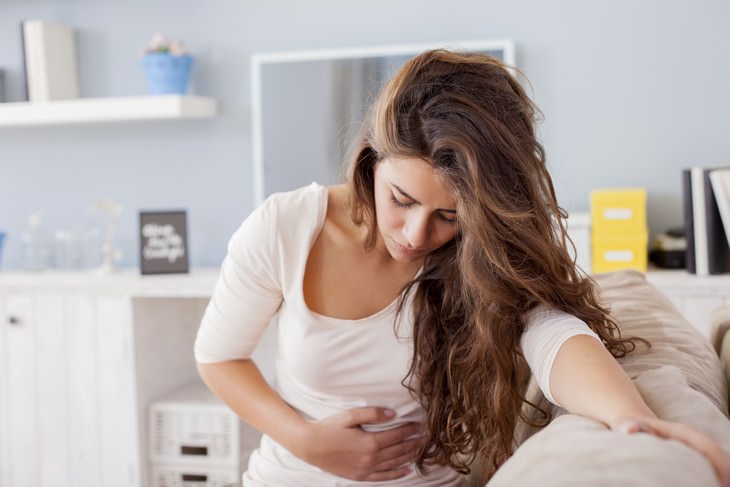
Many women report that they either lose appetite or start eating more (usually junk and comfort foods) when they’re stressed. This may change, too: one situation can upset your stomach, whereas another can make you eat more.


Irrespective of the changes in diet, the most common stomach issues caused by stress are:

    Cramps
    Bloating
    Heartburn
    Changes in weight

A 2017 study in the journal Frontiers in System Neuroscience even suggested that stress can cause irritable bowel syndrome (IBS).


2. Heart Problems
Chronic stress raises the amount of adrenaline and cortisol in blood, both of which are hormones associated with hypertension. This can have a negative effect on the cardiovascular system and may contribute to stroke and heart attack.
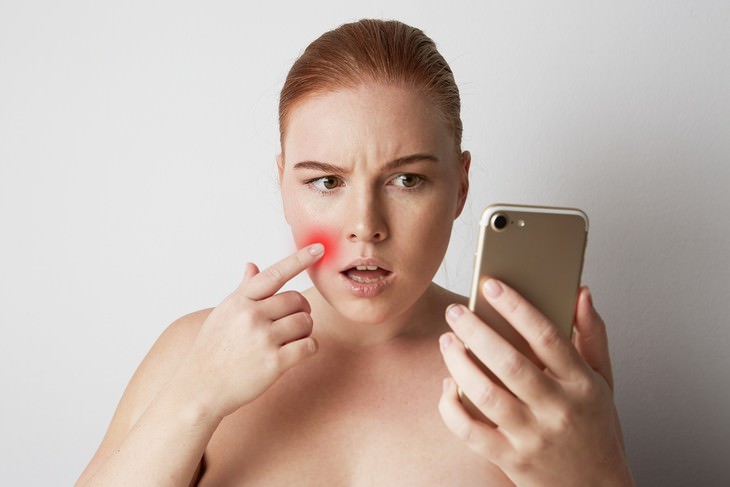
Also, some studies associate stress with changes in blood clotting, which also increases the risk of a heart attack.


3. Skin Reactions
Your skin, hair and nails are especially sensitive to stress. This is likely because of the hormonal changes due to stress, and every woman who ever had a hormonal breakout knows very well what hormones can do to the skin. The most-common skin reactions include:
    Acne
    Rosacea and psoriasis flare-ups
    Hives or rash
    Hair loss
    Brittle nails


Luckily, the symptoms of these conditions tend to subside when the stressful period is over, but do take into account that you will have to take better care of your skin and use gentle and non-irritating skin care products when you know you're stressed.


4. Disrupted Sleep
Consistently high levels of cortisol in the blood, a signature feature of chronic stress, affect the so-called HPA loop, which is a relationship between the hypothalamus, the pituitary gland, and the adrenal gland.
Unfortunately, the same loop controls our sleep cycles, so when you're stressed and the HPA loop is too active, you often feel tired, yet unable to fall asleep. Furthermore, even the quality of sleep decreases as the transition between the various sleep cycles is disrupted.


5. Emotional Disturbances
Chronic stress can cause a variety of emotional disturbances and even mental illness:

    Anxiety
    Depression
    Irritability
    Mood swings
    Compulsive behavior (such as addiction).

As alarming as it may sound, there is even a study that showed that higher levels of anger are commonly linked to both mental stress and even the likelihood of a stress-related heart attack.


6. Difficulty Concentrating and Memory Issues
Researchers found that certain hormones secreted after a stressful event can potentially impair memory and concentration. Also, an animal study found that stressed rats had more memory issues than the non-stressed control group.
The same is suggested to occur in humans, as many patients report that they have difficulties focusing or remembering important information when they're stressed.


7. Lowered Immunity
The American Psychological Association suggests that stressful events and negative emotional experiences can take a toll on your immune system, which can make you more susceptible to a cold, but also to any other infectious disease.


They conclude that managing stress is crucial for you to regain your ability to fight off germs. The next section is exactly about that, the most basic lifestyle change you can make to be less stressed.


How To Deal With Stress

Therapy and medications can certainly get you through a stressful period in your life, but the following changes in lifestyle can also significantly improve your stress symptoms:


1. Improve your diet
When you’re stressed out and you have no time to do anything, you’re more likely to settle for a snack or junk food instead of a healthy and nutritious meal.


You have to resist this urge and try to improve your diet, include more leafy greens and colorful vegetables in your diet, as in the past years there is more and more scientific evidence suggesting that a healthy diet can help you fight anxiety and depression, and, certainly, stress. 


2. Make time for exercise
When you exercise and spend more time outdoors, your brain releases chemicals associated with happiness and well-being, such as the neurochemical oxytocin, the levels of which drop dramatically during stressful periods in your life.


So, lift your mood while you’re getting in shape by normalizing your oxytocin levels.


3. Find fun ways to relax
Women often seek connection and meaning in life when they feel stressed, and what your gut tells you is exactly what you should do, in this case.


Distracting yourself by doing activities that require a lot of concentration is another effective method of fighting off stress, as reported in the journal Frontiers in Psychiatry in 2017.

So, find or rediscover your old hobby, participate in engaging conversations with family and friends and just do something meaningful.


4. Hugs
Let’s end our list of recommendations on a happy note and with a non-trivial tip. It turns out that hugs, especially long hugs lasting up to 20 seconds, may have the same effect on your brain as a morning jog, as reported in a 2018 study. Like exercise, hugs raise the levels of oxytocin in blood, which may just be enough to compensate for that stressful day at work.

In this specific article, we mentioned just some selected treatments of stress. We have a separate dedicated article on stress and anxiety management, which highly recommend to read as well.


This is only for your information, kindly take the advice of your doctor for medicines, exercises and so on.     
https://gscrochetdesigns.blogspot.com. one can see my crochet creations  
https://gseasyrecipes.blogspot.com. feel free to view for easy, simple and healthy recipes    
https://kneereplacement-stickclub.blogspot.com. for info on knee replacement
 

Labels: , , , , , , , , , , , , ,

Tuesday, November 19, 2019

Using Bleach Sparingly May Still Endanger Your Health

Using gloves while handling bleach is a must, we all know that, but it turns out that gloves may not be enough to protect you from the harmful effects of bleach, as the toxic gases products containing bleach emit may get into the lungs and even the bloodstream. This is especially true about mixed cleaning products that contain both bleach and limonene, a cleaning agent and fragrance with a lemon scent commonly used in cleaning products. To learn how bleach-based cleaners can affect one’s health and how to protect yourself from the negative effects of bleach, continue reading.
When used separately, limonene and bleach are not overtly dangerous, although even then, it would be a stretch to say that these compounds are completely safe to use. Both chemicals can cause skin irritation and allergic skin reactions, but apart from that, using bleach to clean dishes and do laundry in hot water can emit toxic carcinogenic compounds, such as chloroform and carbon tetrachloride.
Limonene, on the other hand, is one of the most common volatile organic compounds (VOCs) that linger indoors, which are a group of organic chemicals emitted from everyday home items that can cause eye, throat and lung irritation and may have long-term negative health effects as well.
When combined, the two compounds can become even more harmful to one’s health, which is extremely alarming, as hundreds of cleaning brands use both ingredients in their products. The mixture of limonene and bleach exposed to light creates secondary organic aerosols (SOAs) that are released in the air.
This has been proven experimentally, with one recent study mixing the two chemicals in a controlled indoor environment and finding SOAs in far greater than normal concentrations in the air shortly after. SOAs are toxic gases that are also part of smog, and they have been long known to contribute to lung and heart disease in the long run.
Regular exposure to SOAs is extremely dangerous, as the particles of these gases are so small they can travel directly into your bloodstream through your lungs and cause difficulty breathing, coughing and even heart attacks. This is especially dangerous in an indoor environment that doesn’t typically get enough air circulation. The study mentioned above is the first of its kind to explore the interactions between fragrance compounds and other cleaning agents, and the authors point out that other fragrances, too, can potentially produce SOAs when mixed with bleach.
To avoid the negative impact of cleaning products containing bleach, consider the following tips:
  • Use natural cleaners, such as baking soda or vinegar solutions instead of bleach.
  • If you insist on using bleach to clean your home, opt for pure bleach and avoid scented products that contain bleach, as these are far more likely to create SOAs.
  • Air out your home regularly, especially right after cleaning.
  • Use a sanitary mask and gloves when using bleach.
  • Avoid using bleach in hot water.
  • Opt for fragrance-free cleaners altogether, as the VOCs can linger in the air or stick to furniture and textiles.

this is only for your information, kindly take the advice of your doctor for medicines, exercises and so on.     
https://gscrochetdesigns.blogspot.com. one can see my crochet creations  
https://gseasyrecipes.blogspot.com. feel free to view for easy, simple and healthy recipes    
https://kneereplacement-stickclub.blogspot.com. for info on knee replacement


Labels: , , , , , , , , , , , , , ,