14 Silent Signs That You’re Under Too Much Stress
Living under constant stress is never good
for you, but sometimes, the chronic stress you’re experiencing might
emerge in surprising ways, slowly chipping away at your physical and
emotional well-being. Unhealthy food habits, clenching jaw muscles at
night, acne, irritability, and many other more serious health issues can
all be a sign that you’re under too much stress, and it’s time to
prioritize your health and dial down the stress in your life for a
little while. Here 14 of such signs, some of which are guaranteed to
surprise you.
1. Difficulty Remembering Things
Both short- and long-term stress can affect
your cognitive capabilities, with memory being one of them. People who
live under excessive stress often report having difficulty retrieving
important information and even more issues with memorizing new things.
Why this happens isn't certain, but it is suggested that the memory
problems have both a psychological and a neurological cause.
On one hand, high cortisol (the stress
hormone) levels in the brain were linked to short-term memory loss in
seniors, so the hormone might be to blame. On the other hand, anxiety
and depression, as well as sleep issues stressed people often experience
likewise increase forgetfulness, so these, too, likely contribute to
the issue. In any case, relaxing your body and mind may help you restore
your true memory.
2. Cravings for Junk Food

Stress eating is not a myth, it's a real
phenomenon, one that's more dangerous than you'd think, too. When stress
levels rise, the delicate hormonal balance can be upset, and often, the
levels of hunger hormones are affected, too. This is why some people
will not be able to eat while they're stressed, whereas others will tend
to overeat and indulge in junk food.
The result - a terrible habit that contributes to weight gain and other
health issues, as well as an emotional attachment to food.
3. Wrinkles and Gray Hairs
Increased hair and skin aging can be the
result of chronic stress, and it's not only because we tend to do less
self-care when we're stressed out. Studies have shown that high-stress
levels decreased collagen production in the skin, and collagen is the
building block of our skin cells and the substance that makes skin plump
and youthful-looking.
As for gray hairs, the neurotransmitter
called norepinephrine that's secreted during a stressful moment in the
sympathetic nervous system seems to be to blame, as revealed in a recent
study. As a result of the so-called fight or flight response to stress,
norepinephrine drains the pigment from melanocyte cells in your hair,
causing gray hairs.
Needless to say, stress is not the only cause of wrinkles and gray
hairs, as is the case with many other signs on this list, but it is
certainly one of the major factors contributing to these signs and
symptoms.
4. You Catch the Cold and Flu More Often
Immune suppression is one of the most
dangerous and least understood effects of stress on the human body.
Several studies have shown that chronic stress affects the immune
system, with one notable paper finding that people experiencing a lot of
stress typically suffer 70% more respiratory infections and suffer from
cold and flu symptoms for 61% longer than those who experience low
levels of stress.
Some researchers believe that this is because people who suffer from
stress are less sensitive to cortisol since they have higher levels of
the hormone as a result of stress, and so their immune cells fail to
activate when cortisol levels rise in response to an infection. Still,
the precise mechanism is poorly understood, but you should definitely
take extra care in protecting yourself from infections if you're under a
lot of stress.
5. Rapid Heartbeat and Hypertension
A famous symptom of the fight or flight
response is a rapid heartbeat, which is rather useful when your cortisol
levels rise in response to a physical stimulus, like a rapidly
approaching car when you're crossing the street, as it will help your
muscles get more oxygen and will make running away from the dangerous
situation easier.
Unfortunately, running away from most
issues people face these days isn't a solution, but our bodies still
react to emotional and work-related stress the same way, pumping up the
heartbeat, and as a result, contributing to hypertension. Combine this
with a stress eating habit, and you have a recipe for a cardiovascular
disaster, so please watch your stress levels and diet to avoid heart
issues and hypertension.
6. Difficulty Concentrating
Another cognitive symptom of stress is
difficulty concentrating, or brain fog. While this symptom is often
temporary, in some people, difficulty maintaining focus due to stress
can significantly impair their work or school performance. These
difficulties, in turn, can raise your stress levels even more and cause
anxiety or depression, all of which are bound to further worsen your
cognitive health.
If you're experiencing this symptom, try mental relaxation techniques,
such as meditation, and try to maintain a healthy sleep schedule and
activity levels to break the cycle.
7. Changes in Libido
During times of intense stress, your
libido, too, can and often does take a hit. This is because stress is a
complex neuropsychological response that alters one's hormone levels and
affects your emotional well being.
Stress, anxiety, and depression (the latter two can be caused by stress
as well) can lower your sex hormone levels, with studies finding a
correlation between low testosterone levels and stress, which can and
probably does contribute to the sex drive impairment in both sexes.
De-stressing and focusing on your emotional health is key to prevent and
deal with these libido changes.
8. Shortness of Breath

Breathing problems, such as shortness of
breath and even asthma are significantly more common among people who
experience a lot of stress. These issues can also become worse if you're
under stress, as your chest muscles and diaphragm can tighten in
response to stress, making you breathe faster. As a result, this can
cause anxiety, which fastens the breathing and heartbeat even further.
In cases like these, it's important to make yourself breathe slowly and
deeply to stop the vicious cycle.
Interestingly, in one study, researchers
also found that women who were stressed out during pregnancy were a lot
more likely to give birth to kids with asthma and other breathing
difficulties, so stress can have very far-reaching health effects.
9. Fatigue and Sleep Issues
Chronic stress is among the main causes of
insomnia, but trouble falling asleep is not the only sleep condition
that can be caused by stress, as some people tend to be even more sleepy
when they're stressed out. Irrespective of the condition, the majority
of people experiencing sleep issues will also feel more tired throughout
the day.
The causes of stress-related sleep issues are both hormonal and
psychological, with high cortisol levels and the activation of the
sympathetic nervous system (both hallmarks of the stress response)
meddling with sleep hormone levels and one's ability to relax. Fatigue
can also occur without sleep issues in people experiencing stress, as
reported in a 2011 study.
This type of fatigue can become constant if stress persists, developing
into a condition known as chronic fatigue syndrome.
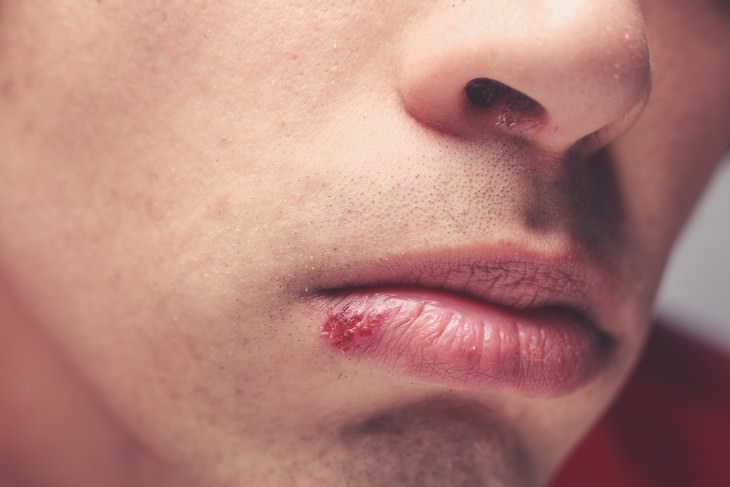
10. Having Cold Sores Often
Skin rashes and the re-emergence of dormant
conditions, such as the herpes virus or shingles is also common among
people who experience stress or a traumatic event. As we mentioned
earlier, stress can depress your immune system, and when your immunity
is low, the different chronic conditions, including the herpes virus
that's causing cold sores seize the chance to show themselves. If you
happen to get cold sores more often than you used to, it can be a sign
that you're under too much stress.
11. Feeling Angry, Irritable, or Anxious
Emotional and psychological symptoms are
hallmarks of chronic stress, with people who are under a lot of stress
also suffering from anxiety or depression. When you're stressed out,
you're also more likely to react harshly, be angry and more irritable
than usual, likely because of other symptoms, such as tiredness and
insomnia in particular, but also due to hormonal fluctuations in the
brain.
When it comes to depression sufferers specifically, stress can increase
the likelihood of getting a major depressive episode, as suggested in
studies both in adolescents and adults, so make sure to compensate for
stressful situations if you're suffering from depression.
12. Digestive issues
We've written about the gut-brain axis many
a time, which is essentially a tight link between your gut microbiome
and the brain. When you're stressed out, the balance of microbes that
live in your digestive tracts is upset, which manifests itself in
bloating, diarrhea, constipation, and even heartburn. IBS, in
particular, has been linked to stress. The fact that we often tend to
eat fast food when we're stressed out doesn't help our digestive system
either, of course.
13. Acne, Scalp Issues and Hair Loss
Chronic stress is practically synonymous
with chronic inflammation because high cortisol levels have a very
similar effect to an actual infection, as discussed above. These high
levels of inflammation in the body combine with hormonal issues do often
result in hormonal breakouts, which are more common among women,
especially around their period. In addition, high cortisol levels also
increase oil production in the pores, as suggested by the American
Academy of Dermatology, which also causes acne. The same can also cause
scalp issues, such as dandruff.
Hair loss can likewise be caused by stress. Traumatic life events can
trigger temporary hair loss up to 3 months after the event itself. It
was even observed that chronically stressed people, on average, have
thinner hair than those with lower stress levels.
14. Clenching Your Teeth at Night
Do you often wake up with a tight or
painful jaw in the morning? Many people with higher stress levels are
known to suffer from bruxism - an often painful condition that occurs
when you grind or clench your teeth. This condition can result in jaw
pain, headaches, and even damaged teeth.
If you notice any signs of bruxism, it's necessary to discuss the issue
with your dentist, as they can help you prevent tooth damage. Stress and
anxiety management is the main preventative methods of bruxism.