Friday, October 29, 2021

Suffering from the flu? Top ways to recover faster

Caught the flu? Here's how you can speed up your recovery

Amidst an active threat of COVID-19, flu cases are rising rampantly. And unlike previous seasons, this year's influenza season is severe, lingering on for longer for those who do contract it. Studies have also found that there's a high likelihood of developing long flu , much like long COVID.

Now, while flu may be a routine illness which we have been routinely exposed to, and does not have a strict isolation norm like COVID requires, it's still very much important that we treat flu symptoms seriously, and do not delay any diagnosis or symptoms of concern. 

How long are you contagious when you have the flu? Till when do the symptoms last?

Flu is a major respiratory infection wherein symptoms start to come up 2-5 days post contraction. Now, while most of the symptoms are very similar to that of a cold, allergies, or even COVID-19, the symptoms in itself could linger on for 5-7 days. In more severe cases, wherein an individual might be suffering from a pre-existing, immunosuppressant condition, it could take considerably longer to fight the infection. In most cases, a full recovery happens within 2 weeks. However, one can still continue to reel from some symptoms, or feel weak or drained, even if the infection has been successfully fought off.

Having said that, while a usual recovery plan relies on symptomatic treatment, rest and recovery, here are a few helpful ways to recover faster from the flu, and relieve symptoms:

Firstly, stay home and do not venture out

Now, while we do stress that flu is relatively less contagious than COVID-19, it's still advisable to stay at home , and avoid stepping out till the time the infection symptoms have reduced considerably. Staying home, ample rest and sleep are the best strategies to fight the flu naturally.

Simply said, when you are recuperating from the flu, the body's very fragile, and if you do step out or engage in routine tasks, not only do you risk spreading the symptoms onto others, but also would feel a lot weaker, and stressed, which can ultimately prolong recovery. It's also advisable that when you do interact with others, or have respiratory symptoms like the cough or cold, a mask is used to reduce transmission risk.

Hydrate yourself well

Dehydration can be a complication which can stem from fighting a flu, especially when you are not too careful about your diet or your hydration levels. Therefore, one way to hasten up your recovery is to have ample of drinks- nourishing, soothing and hydrating drinks, which would also feel relieving for the throat and clear sinuses up.

During your recovery, ensure that you have at least 1-2 litres of water without fail, and increase your intake of ORS fluids as well. However, do keep your consumption of caffeinated beverages to the bare minimum since they can further dehydrate you.

Take flu medications wisely

While battling the flu can be a very routine illness, we also have a lot of easily available OTC medications to fight the flu. However, the medications can greatly differ, and it's important not to self-medicate upon getting sick. Take medications according to what your current symptoms are, and only after checking with a doctor.

There are also a lot of antivirals available to fight the flu, which can be consulted before use. The need for antivirals also greatly vary, and depend on a case-by-case basis.

Attend to pre-existing conditions, if any
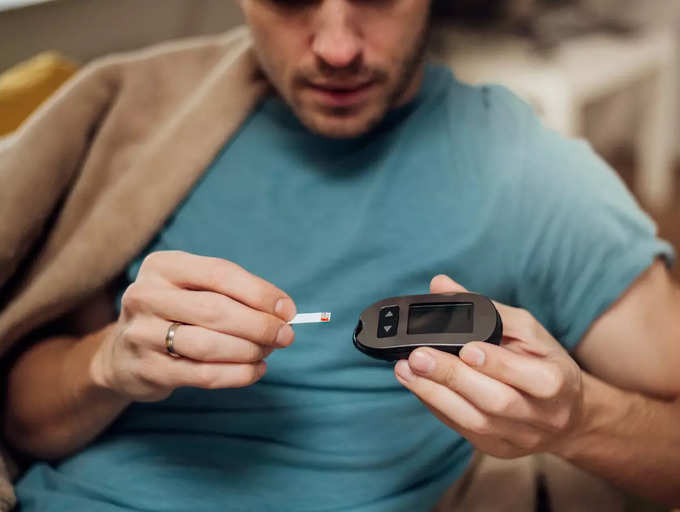
Flu can prove to be a bigger threat if you already suffer from a condition like diabetes, high B.P. or heart disease. While such risk factors require more precise care, a viral infection could also disturb vital health parameters, spike up blood sugar levels or raise cholesterol levels (because of the foods you eat, or missing medications). Hence, it's always advised that someone who has diabetes or high B.P. keep monitoring their vitals even more frequently when they have the flu, take all necessary medications. The more you are in control over your preconditions, the better and easier it would be to fight the flu.

Add moisture in the room
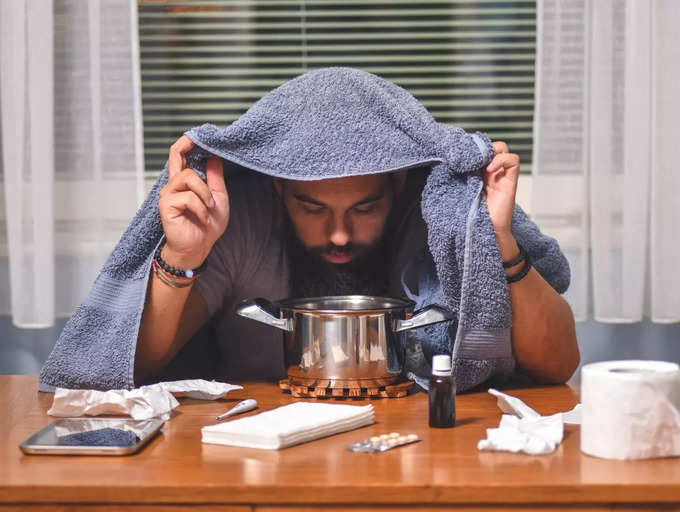
When you have the flu, it can be quite uncomfortable to have a blocked nose, sinus issues which could make it difficult to breathe properly. To avoid such problems, it's advisable to add some form of moisture to the room you're resting in. Try taking a hot shower, doing steam inhalation, using a humidifier to do so. While sleeping, doctors also advise adding a pillow to take the pressure off the sinuses, which will also provide more rest.

Have foods which are easy on your stomach

Encountering digestive troubles when you are fighting the flu can be very common, and most times, when you have a terrible case of the flu, proper eating habits go for a toss. It's important to thus have meals and foods which are light and easy on the stomach, and equally nourishing. Traditional staples like oatmeal, soup, khichdi, dal are all easy and healthy. What you should also be concentrating on is filling up on nutrients which can assist the immune system in speedier recovery. Therefore, try to take in as much Vitamin C, antioxidants, zinc and protein through your meals (fruits, veggies , pulses and legumes) to recover faster.

Avoid these foods when you are sick

Anything oily, greasy, spicy, fried or processed is best kept away when you are fighting the flu. What you eat plays a very essential role, and loading up on unhealthy, or foods which are heavier for your body to digest may not bode well. Also avoid having too much of sugary drinks, and if you are a diabetic, be careful to look over at the medications and cough syrups, since there could be extra sugar hiding in them.

What are some signs of infection worsening to be careful of?

While a flu infection tends to get better in a week or ten days for most people, the infection can also turn severe for people and worsen without notice. The flu actually has a high rate of mortality. Therefore, those with a weak immune system should be careful and be on the lookout for these signs and symptoms of worsening health:

-Dehydration

-Dizziness, confusion, delirium

-Abdominal pain

-Swelling and rashes

-Nausea , blood with vomiting

readmore

This is only for your information, kindly take the advice of your doctor for medicines, exercises and so on.   

https://gscrochetdesigns.blogspot.com. one can see my crochet creations  
https://gseasyrecipes.blogspot.com. feel free to view for easy, simple and healthy recipes    
https://kneereplacement-stickclub.blogspot.com. for info on knee replacement


Labels: , , , , , , , , , , , , , , , , ,

Tuesday, August 17, 2021

8 Ways Aloe Vera Gel Can Benefit Your Skin, According to Dermatologists

close-up of sliced aloe vera plant 

When you skimp on the sunscreen (unintentionally, of course) and end up with a monster sunburn, chances are you turn to aloe vera gel to soothe your scorched skin. Because it brings so much relief during the healing process—almost like a gooey superhero—you’ve probably wondered what else aloe vera gel is capable of.

“Aloe vera is a cactus-like plant known for its healing and medicinal properties,” says Joel Schlessinger, M.D., Omaha-based board-certified dermatologist and cosmetic surgeon. “Its stems store water, creating a clear, gel-like substance in the leaves, which contains vitamins, antioxidants, minerals, and amino acids.” The gel from aloe has been used throughout history to treat a variety of skin conditions, such as burns, frostbite, psoriasis, and cold sores, research shows.

So does all the hype surrounding aloe vera gel mean you should make it a permanent fixture in your skin care routine? While research is currently limited on the benefits of aloe vera gel specifically, it does contain many well-studied vitamins and minerals, such as vitamins C and E, leading experts to believe that it may offer an assist to the products already in your arsenal.

Curious about its uses? Read on to discover all of the skin-saving benefits of aloe vera.

What is Aloe Vera Gel, Exactly?

Each triangular leaf of the aloe vera plant is composed of three layers, with the innermost layer containing a clear gel that’s made up of 99% water and roughly 75 potentially active ingredients, according to a review published in the International Journal of Research and Medical Sciences. The inner leaf juice is removed from the rind, either by machine or hand, and is cold-pressed to keep the active ingredients, well, active.

When it comes to solving specific skin issues, there’s not a lot of conclusive evidence on aloe vera’s efficacy, but “the biochemistry of aloe vera does have some anti-viral, anti-fungal, and cell-regenerative properties, so applying it to the skin in addition to other medications or remedies may prove to be helpful,” says Dr. Schlessinger.

What makes aloe vera gel so tricky to study is the fact that it contains oodles of promising ingredients that can improve the skin—so many, that it’s hard to hone in on the exact compounds and mechanisms involved. Plus, each study uses its own aloe vera composition, making it difficult to compare and contrast the research that’s completed.

But even though aloe vera gel won’t correct your skin issues on its own, when used in conjunction with other products, it may help speed the process along.

The Skincare Benefits of Aloe Vera

Soothe sunburn

Aloe vera gel contains compounds called polysaccharides that encourage skin repair and new skin cells to set up shop, says Kenneth Mark, M.D., New York-based board-certified dermatologist and Mohs skin cancer surgeon. The gel also contains a pain reliever called carboxypeptidase, which may be why aloe vera is so soothing.

Relieve skin irritation

Inflammation underlies many skin conditions (think: psoriasis, eczema, and lichen planus), says Jennifer Gordon, M.D., board-certified dermatologist at Westlake Dermatology in Austin, Texas. Aloe vera gel contains compounds, such as acemannan, that suppress inflammation by showing the enzymes that trigger it who’s boss. (Make sure to do a patch test before putting it on inflamed skin, as aloe vera can cause allergic contact dermatitis in some people.)

Add moisture

Because aloe vera gel is mostly water, it helps to hydrate the skin without that post-application greasy feeling, says Dr. Schlessinger. It helps lock moisture into the skin, while also acting as a glue that makes the top layer of skin cells stick together, ultimately smoothing and softening your skin.

Fight acne

Besides having serious antibacterial skills, aloe vera gel contains salicylic acid, which is an exfoliant that helps to unclog pores, making it especially helpful if you deal with pimples and blackheads. Bonus: It also acts as an anti-inflammatory on the oil glands that cause acne, says Dr. Mark.

Treat cold sores

“Aloe vera is an antiseptic, containing six agents known to help inhibit fungi, bacteria, and viruses, including salicylic acid, phenols, and sulfur,” says David Lortscher, M.D., California-based board-certified dermatologist and CEO of Curology. It may help speed up the healing process too, by creating antibodies the immune system can use to fight the cold sore virus.

Slow signs of aging

Aloe stimulates fibroblast activity, says Dr. Mark, which creates an uptick in collagen production and elastin fibers that make the skin less wrinkled and more elastic. Meanwhile, zinc acts as an astringent to tighten pores, and antioxidants, such as vitamins C and E, help prevent the formation of free radicals (aka, molecules that can do a number on your cells).

Prevent (and maybe even fade) dark spots

Aloe vera gel prevents tyrosinase, the enzyme responsible for skin discoloration, from doing its thing, essentially suppressing UV-induced hyperpigmentation and the skin-damaging effects of sunburns, says Dr. Gordon. This mechanism may also help in the prevention of dark spots, while the various antioxidants it contains (such as glutathione peroxide) may fade sun damage that’s already formed.

Lightly exfoliate

The salicylic acid aloe vera contains acts as an exfoliator, helping to gently slough off dead skin cells, says Dr. Mark. It also contains lignin, a substance which can enhance the penetrative effect of other ingredients into the skin.

How to Choose the Best Aloe Vera Gel

Keep these tips from dermatologists in mind before you commit to a bottle of aloe.

The higher the percentage, the better.

“Purest aloe is always best, without anything added, such as other ingredients to supposedly make it ‘better,’” says New York-based board-certified dermatologist Gary Goldenberg, M.D.

Dr. Gordon agrees: “If the percentage of aloe vera is low, that means it contains many other additives, such as thickeners, preservatives, colors, and fragrance.”

These additional (and unnecessary) ingredients may make the aloe vera less effective. Although some preservation is necessary—hence why there’s no such thing as 100% aloe vera gel—try to find one that has the least number of ingredients, and the highest percentage of aloe vera.

Watch out for tricky wording.

When the label says “100 percent gel,” that means that it’s pure gel, not pure aloe vera. Always make sure the label reads something like, “99 percent pure aloe vera,” or make sure that aloe vera is first on the ingredients list—the more ingredients that come before aloe on the list, the less aloe is in the product.

Check the expiration date.

“To be sold in many outlets, often there must be some type of preservative to extend shelf-life and protect from microbes,” says Dr. Gordon, but aloe vera gels that are labeled as having a shorter shelf-life might mean a cleaner product.

Avoid aloe vera gels that contain alcohol, fragrance, and color.

Alcohol denat and cetyl alcohol, for example, can be irritating to the skin, says Dr. Lortscher. The same goes for fragrance, even those from essential or natural oils, which are often a culprit of contact dermatitis. Finally, aloe vera should be clear—there’s no reason for it to be green.

This is only for your information, kindly take the advice of your doctor for medicines, exercises and so on.   

https://gscrochetdesigns.blogspot.com. one can see my crochet creations  
https://gseasyrecipes.blogspot.com. feel free to view for easy, simple and healthy recipes    
https://kneereplacement-stickclub.blogspot.com. for info on knee replacement

Labels: , , , , , , , , , , ,