Saturday, January 28, 2023

This Underrated Oil Has Many Terrific Uses for Your Health

In a world that’s becoming rapidly oversaturated with artificial products, many of us start looking for natural items that can be just as beneficial for our health. Today, we will show you one such amazing natural product that has endless health benefits - Moringa Oil.
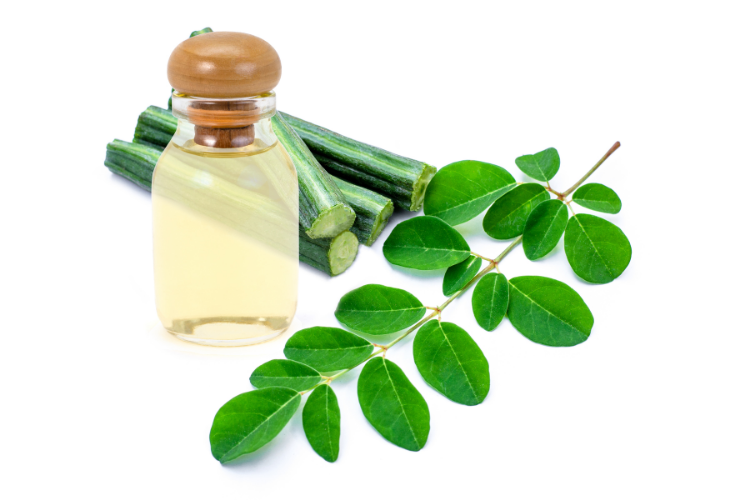
 moringa oil

Derived from the seeds of Moringa oleifera, a small tree native to the Himalayan Mountains, moringa oil is filled with various helpful nutrients. It has been a staple of Ayurveda for centuries and has been utilized for its wonderful medicinal properties. In fact, it’s one of the most nutrient-dense plants on the planet. Every single part of the moringa tree, including stems, seeds, pods, fruits, bark, and root, are known to have precious medicinal values. It’s for this reason that the tree has been called “the Miracle Tree,” “the Tree of Life” and “Mother's Milk.” 
 
While this tree is native to northern India, moringa oil is now produced in all parts of the world. It has many benefits for the skin and overall health, including healthy aging, better hair, and strengthening the skin barrier. Intrigued? Let’s find out more about this magical tree oil.   
 
The composition of moringa oil
Moringa seeds have a high oil content and are comprised of countless nutrients. They also contain powerful antioxidants and essential fatty acids. 
 
Here’s a look at the composition of moringa oil: 
Oleic acid 
Palmitoleic acid 
Linoleic acid 
Amino acids 
Gadoleic acid 
Stearic acid 
Vitamin A 
B-vitamins 
 Vitamin C 
Vitamin E 
Monounsaturated fats 
Proteins 
Sterols 
Tocopherols. 
 
To produce the oil, the seeds are first extracted from the moringa flowers and fruits. The seeds are then dried and crushed. After several industrial processes, including solvent extraction and cold-pressing, the oil is ready to be bottled and sold. Moringa oil is usually available in two forms: as an essential oil and as a cooking oil. Both of them are beneficial for your health.

1. Acts as a natural moisturizer  
One of the most prominent benefits of moringa oil is that it is a ‘dry’ oil, meaning that when you apply it to your skin, it penetrates deeply in just a few seconds and leaves the skin dry instead of making it greasy. More importantly, its oleic acid (a fatty acid that's found in a lot of plant and vegetable oils) content can be terrific for the skin when used topically as a cleansing agent or simply as a moisturizer. Using it regularly can ensure that that the skin remains hydrated even when exposed to pollution. Just rub 2-3 drops of moringa oil on your palms and gently dab it onto a clean face.
 
2. Has anti-inflammatory properties
This powerhouse oil consists of numerous bioactive compounds that have beneficial antioxidant and anti-inflammatory features. Some of these compounds include tocopherols, catechins, quercetin, ferulic acid, and zeatin. You can avail of their benefits through moringa oil both topically or by ingesting it directly. Additionally, the oil also contains vitamin E, which has antibacterial as well as anti-inflammatory properties. 
 
3. It strengthens the skin barrier 
Moringa oil is made up of 40% monounsaturated fatty acids. 70% of that is oleic acid. Dermatologists say that this combination makes the oil great for supporting the skin barrier. A strong skin barrier will help protect the skin against environmental elements like sunlight, pollution, and free radicals while keeping moisture in. The better your skin barrier, the more chances you will have of maintaining healthy and hydrated skin. Do note, however, that if you have sensitive skin, don’t overuse moringa oil. Limit use to about twice a week and mix it with some gentle oil like almond oil.
 
4. Repairs skin from damage and can help with inflammation 
 Thanks to the omega fatty acids and antioxidants present in moringa oil, it can help soothe damaged skin and inflammation. Skin experts say that the vitamins E, A, and C in this tree oil can be particularly useful to repair active lesions, cuts, and burns. One 2018 study discovered that nanofibers with moringa extracts had better wound-healing properties than those without. 
 
5. Works as an anti-aging oil
The high content of vitamin E in moringa oil means it has potent antioxidant properties which can be useful for keeping those premature wrinkles and protects against free radical damage. Also, moringa oil contains plant hormones called cytokinins that influence cell growth and prevent the destruction of skin tissues associated with aging. In addition, its vitamin C content promotes collagen and elastin production for youthful skin. 
 
A 2014 study found that moringa leaf extract promotes facial revitalization and has anti-aging skin effects.
 
 6. Helps fight acne and dark spots
Studies have shown that moringa oil has excellent antibacterial, antifungal, and antimicrobial properties. Research has also shown that the oil regulates sebum production by keeping skin hydrated, thus resulting in less oily skin by preventing dirt and bacteria from getting clogged into the pores. Add to it its non-greasy moisturizing effects, and you have an oil that's perfect for fighting acne and other skin issues like dark spots and eczema. 
 
Just add 3-4 drops of moringa oil to a little amount of almond oil and apply the mixture to acne, dark spots, and scrapes, for quick healing. 
 
7. Promotes hair growth
Moringa oil doesn’t just work wonders for the skin, it also has many benefits for the hair. This nutrient-dense oil is great for fending off scalp irritation, provides enhancing shine, facilitating hair growth, and keeps strands moisturized without weighing them down. This isn’t all. Its essential vitamins and minerals are said to rejuvenate the hair in the long term. Applying moringa oil regularly on your hair will protect it against color depletion while also safeguarding it against the drying and damaging effects of the sun’s rays. 
 
Furthermore, moringa oil can regulate sebum production in the scalp. What’s more, it's a potent fighter of scalp infections, dandruff, scalp acne, scalp psoriasis, and scalp eczema! So how do you use it for your hair? Simply massage the oil from root to tip, and wash your hair after half an hour or so. For added sheen and hydration, leave on overnight and shampoo and condition in the morning. 
 
8. Provides relief from pain and helps in relaxation 
Adding a few drops of moringa oil to a warm bath will provide relief from tiredness and pain. Bathing with this water is said to relieve stress while removing fatigue and boosting relaxation. If you have pain or discomfort in the joints, massaging those areas with a few drops of moringa oil can help in alleviating the aches, thanks to the oil's anti-inflammatory properties. 
 
9. Can help in cholesterol management 
Food-grade or edible moringa oil contains sterols - a group of substances made in plants that are most commonly used for lowering cholesterol levels. Studies have shown that sterols can be especially useful to lower LDL or “bad” cholesterol. High levels of LDL cholesterol in the blood have been linked to coronary heart disease and stroke. Hence, using moringa oil in your diet may help in cholesterol management, although more research is needed to confirm these claims.

The Bottom Line 
Moringa oil is loaded with skin and hair benefits. As an essential oil, it’s great for moisturizing and cleansing the skin and can even help improve skin conditions like acne and dark spots. Applying it routinely on your skin can bring out its natural glow. 
 
You can also add moringa oil to your diet to obtain many health benefits, as it’s loaded with vitamins, phytonutrients, protein, and other compounds. Add a few drops to your smoothies or simply cook with it. Just ensure the label says it's food-grade.


This is only for your information, kindly take the advice of your doctor for medicines, exercises and so on.   

https://gscrochetdesigns.blogspot.com. one can see my crochet creations  
https://gseasyrecipes.blogspot.com. feel free to view for easy, simple and healthy recipes    
https://kneereplacement-stickclub.blogspot.com. for info on knee replacement

https://GSiyers home remedies.blogspot.com     is my latest addition to my blogs. I'm going to add posts there, do give me your valuable feed back on my blogs. Thanks a lot, take care, be healthy and be happy.


Labels: , , , , , , , , , , , , , ,

Tuesday, August 17, 2021

8 Ways Aloe Vera Gel Can Benefit Your Skin, According to Dermatologists

close-up of sliced aloe vera plant 

When you skimp on the sunscreen (unintentionally, of course) and end up with a monster sunburn, chances are you turn to aloe vera gel to soothe your scorched skin. Because it brings so much relief during the healing process—almost like a gooey superhero—you’ve probably wondered what else aloe vera gel is capable of.

“Aloe vera is a cactus-like plant known for its healing and medicinal properties,” says Joel Schlessinger, M.D., Omaha-based board-certified dermatologist and cosmetic surgeon. “Its stems store water, creating a clear, gel-like substance in the leaves, which contains vitamins, antioxidants, minerals, and amino acids.” The gel from aloe has been used throughout history to treat a variety of skin conditions, such as burns, frostbite, psoriasis, and cold sores, research shows.

So does all the hype surrounding aloe vera gel mean you should make it a permanent fixture in your skin care routine? While research is currently limited on the benefits of aloe vera gel specifically, it does contain many well-studied vitamins and minerals, such as vitamins C and E, leading experts to believe that it may offer an assist to the products already in your arsenal.

Curious about its uses? Read on to discover all of the skin-saving benefits of aloe vera.

What is Aloe Vera Gel, Exactly?

Each triangular leaf of the aloe vera plant is composed of three layers, with the innermost layer containing a clear gel that’s made up of 99% water and roughly 75 potentially active ingredients, according to a review published in the International Journal of Research and Medical Sciences. The inner leaf juice is removed from the rind, either by machine or hand, and is cold-pressed to keep the active ingredients, well, active.

When it comes to solving specific skin issues, there’s not a lot of conclusive evidence on aloe vera’s efficacy, but “the biochemistry of aloe vera does have some anti-viral, anti-fungal, and cell-regenerative properties, so applying it to the skin in addition to other medications or remedies may prove to be helpful,” says Dr. Schlessinger.

What makes aloe vera gel so tricky to study is the fact that it contains oodles of promising ingredients that can improve the skin—so many, that it’s hard to hone in on the exact compounds and mechanisms involved. Plus, each study uses its own aloe vera composition, making it difficult to compare and contrast the research that’s completed.

But even though aloe vera gel won’t correct your skin issues on its own, when used in conjunction with other products, it may help speed the process along.

The Skincare Benefits of Aloe Vera

Soothe sunburn

Aloe vera gel contains compounds called polysaccharides that encourage skin repair and new skin cells to set up shop, says Kenneth Mark, M.D., New York-based board-certified dermatologist and Mohs skin cancer surgeon. The gel also contains a pain reliever called carboxypeptidase, which may be why aloe vera is so soothing.

Relieve skin irritation

Inflammation underlies many skin conditions (think: psoriasis, eczema, and lichen planus), says Jennifer Gordon, M.D., board-certified dermatologist at Westlake Dermatology in Austin, Texas. Aloe vera gel contains compounds, such as acemannan, that suppress inflammation by showing the enzymes that trigger it who’s boss. (Make sure to do a patch test before putting it on inflamed skin, as aloe vera can cause allergic contact dermatitis in some people.)

Add moisture

Because aloe vera gel is mostly water, it helps to hydrate the skin without that post-application greasy feeling, says Dr. Schlessinger. It helps lock moisture into the skin, while also acting as a glue that makes the top layer of skin cells stick together, ultimately smoothing and softening your skin.

Fight acne

Besides having serious antibacterial skills, aloe vera gel contains salicylic acid, which is an exfoliant that helps to unclog pores, making it especially helpful if you deal with pimples and blackheads. Bonus: It also acts as an anti-inflammatory on the oil glands that cause acne, says Dr. Mark.

Treat cold sores

“Aloe vera is an antiseptic, containing six agents known to help inhibit fungi, bacteria, and viruses, including salicylic acid, phenols, and sulfur,” says David Lortscher, M.D., California-based board-certified dermatologist and CEO of Curology. It may help speed up the healing process too, by creating antibodies the immune system can use to fight the cold sore virus.

Slow signs of aging

Aloe stimulates fibroblast activity, says Dr. Mark, which creates an uptick in collagen production and elastin fibers that make the skin less wrinkled and more elastic. Meanwhile, zinc acts as an astringent to tighten pores, and antioxidants, such as vitamins C and E, help prevent the formation of free radicals (aka, molecules that can do a number on your cells).

Prevent (and maybe even fade) dark spots

Aloe vera gel prevents tyrosinase, the enzyme responsible for skin discoloration, from doing its thing, essentially suppressing UV-induced hyperpigmentation and the skin-damaging effects of sunburns, says Dr. Gordon. This mechanism may also help in the prevention of dark spots, while the various antioxidants it contains (such as glutathione peroxide) may fade sun damage that’s already formed.

Lightly exfoliate

The salicylic acid aloe vera contains acts as an exfoliator, helping to gently slough off dead skin cells, says Dr. Mark. It also contains lignin, a substance which can enhance the penetrative effect of other ingredients into the skin.

How to Choose the Best Aloe Vera Gel

Keep these tips from dermatologists in mind before you commit to a bottle of aloe.

The higher the percentage, the better.

“Purest aloe is always best, without anything added, such as other ingredients to supposedly make it ‘better,’” says New York-based board-certified dermatologist Gary Goldenberg, M.D.

Dr. Gordon agrees: “If the percentage of aloe vera is low, that means it contains many other additives, such as thickeners, preservatives, colors, and fragrance.”

These additional (and unnecessary) ingredients may make the aloe vera less effective. Although some preservation is necessary—hence why there’s no such thing as 100% aloe vera gel—try to find one that has the least number of ingredients, and the highest percentage of aloe vera.

Watch out for tricky wording.

When the label says “100 percent gel,” that means that it’s pure gel, not pure aloe vera. Always make sure the label reads something like, “99 percent pure aloe vera,” or make sure that aloe vera is first on the ingredients list—the more ingredients that come before aloe on the list, the less aloe is in the product.

Check the expiration date.

“To be sold in many outlets, often there must be some type of preservative to extend shelf-life and protect from microbes,” says Dr. Gordon, but aloe vera gels that are labeled as having a shorter shelf-life might mean a cleaner product.

Avoid aloe vera gels that contain alcohol, fragrance, and color.

Alcohol denat and cetyl alcohol, for example, can be irritating to the skin, says Dr. Lortscher. The same goes for fragrance, even those from essential or natural oils, which are often a culprit of contact dermatitis. Finally, aloe vera should be clear—there’s no reason for it to be green.

This is only for your information, kindly take the advice of your doctor for medicines, exercises and so on.   

https://gscrochetdesigns.blogspot.com. one can see my crochet creations  
https://gseasyrecipes.blogspot.com. feel free to view for easy, simple and healthy recipes    
https://kneereplacement-stickclub.blogspot.com. for info on knee replacement

Labels: , , , , , , , , , , ,