Sunday, October 18, 2026

5 Ways to Get Rid of Blackheads at Home the Right Way

 Funny greeting cards Solve Puzzles Humor Blackheads and whiteheads can be extremely annoying, as the unsightly dots can become inflamed and cause full-blown acne, which can take a serious toll on one's confidence. They can appear everywhere - on the face, neck, and even on the back. But worst of all, people of all ages are susceptible to these pesky little skin problems. In this article, we'll teach you to get rid of these annoying spots by using 5 easy and effective at-home methods, as well as provide you with other important tips and information about blackheads.

Is it blackheads or something else?
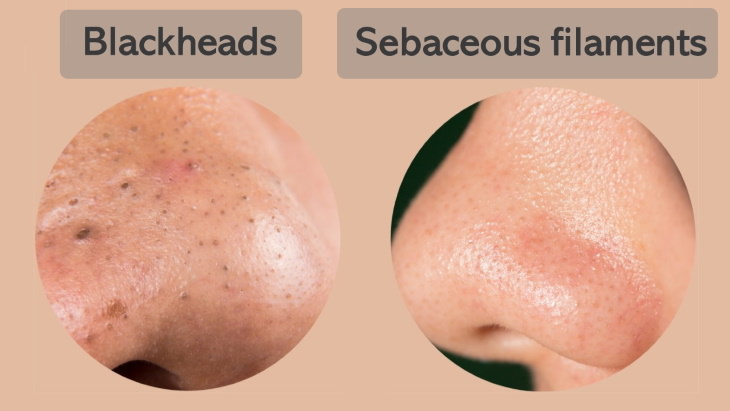
 Blackhead Removal blackheads sebaceous filaments

 We’re used to calling any pimple and sometimes just any enlarged pore a blackhead, but not all clogged or enlarged pores are blackheads. Blackheads are a type of acne that appears as dark spots that stretch out and clog up the pores, and their cousins are whiteheads - essentially the same spots, but located deeper in the pore. There are many causes of blackheads and whiteheads, ranging from poor diet, skin that's producing too much oil, hormonal changes, and even sebum (skin oil) oxidation by the sun. Importantly, blackheads should not be confused with other skin conditions that should be treated differently to blackheads, such as: 

Comedones - skin-colored bumps on the skin common on the forehead. 

Acne vulgaris - large red bumps or pus-filled pimples. 

Sebaceous filaments - small transparent or slightly greyish dots on the skin that are normal and should not be removed to prevent acne formation. 

Dermatologists and estheticians suggest easier to prevent blackheads by maintaining a basic skincare routine than treat them once they appear, namely: 

1. Cleansing the face daily or twice a day if you have combination or oily skin. 

2. Using products that contain AHA or BHA (e.g. salicylic acid, glycolic acid, lactic acid, azelaic acid, and mandelic acid) on the skin twice or 3 times a week. 

3. Moisturizing the skin daily each time you wash the face. 

4. Wearing sunscreen daily to prevent the oxidation of sebum. 

That being said, there are several extra at-home treatments you can do to get rid of and prevent blackheads (and whiteheads). Below, we featured 5 excellent natural treatments that use common household ingredients like green tea, turmeric, ice, and more. If you're struggling with clogged pores, whiteheads, or blackheads, we recommend you try out any of these useful and effective DIY recipes: 

1. Green Tea Rinse
Green tea is an excellent ingredient for the skin: its anti-oxidant, antimicrobial, and anti-inflammatory benefits are known to reduce the amount of oil in the skin, hence reducing blackheads and whiteheads, and calm down any redness or inflammation in the skin, making it beneficial for acne overall. If used regularly, you can even brighten the overall complexion with green tea. 

When putting green tea on the face, make a stronger brew than you normally would, putting 3-4 teaspoons of tea or 3 teabags per glass of hot water. Let the tea cool down, the colder the better, before putting it on the face, as the cold will make your pores look smaller. You can either splash some of the tea directly onto your face or apply some using a cotton pad. It's important to wash your face before using the green tea rinse. 

For best results, use daily, and follow up with a moisturizer. You can store this homemade green tea toner in the refrigerator for up to 3 days. 

2. Tea Tree Oil Spot Treatment
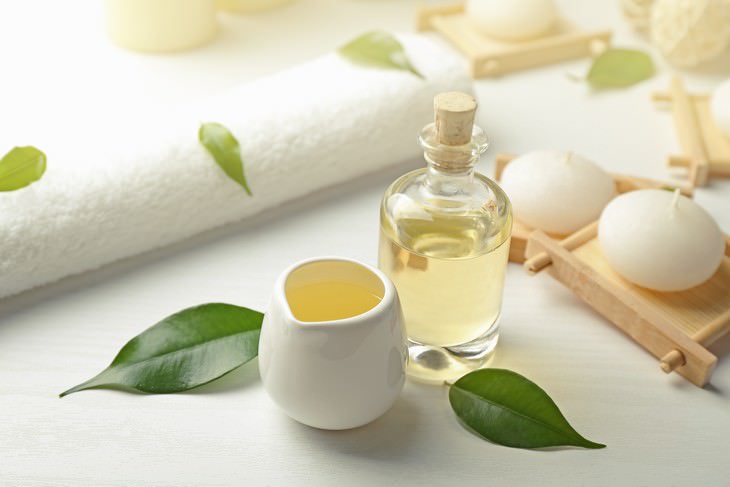
Blackhead Removal tea tree oil
Similarly to green tea, tea tree oil has anti-inflammatory and antimicrobial properties, and it's even used to treat fungal skin and nail infections, psoriasis, dandruff, and promotes wound healing. The same properties make tea tree oil an excellent treatment for acne, blackheads, and whiteheads as well, and many people do manage to treat these issues with tea tree oil. 

Do keep in mind, though, that tea tree oil is an essential oil, which means that it's extremely concentrated and so needs to be diluted with a carrier oil to avoid skin burns. The best way to use tea tree oil is as a spot treatment, applying it directly onto the blackheads. To do so, mix 1 tablespoon of any base oil of your choice (e.g. jojoba oil, rosehip oil, sunflower seed oil, grapeseed oil, but NOT coconut oil because it can further clog up the pimple) with 5 drops of tea tree oil and apply this mixture to spot 1-2 times a day.

3. Clay mask
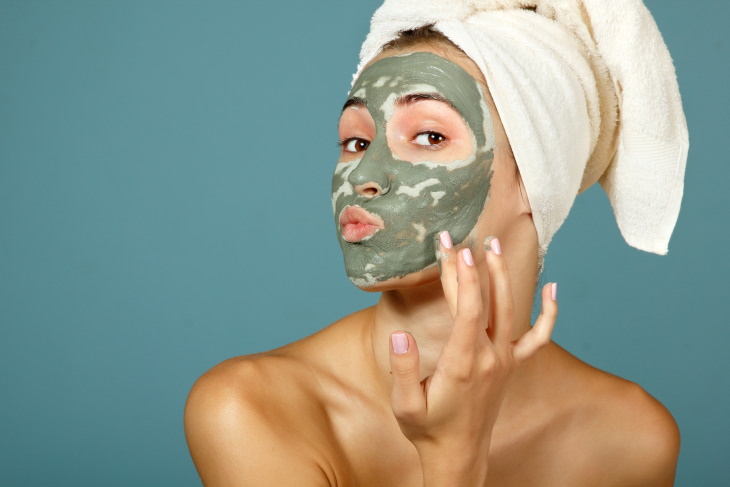
 Blackhead Removal Clay Mask

Clay is another super ingredient when it comes to acne and blackhead and whitehead removal and prevention, as it acts like a sponge, absorbing the excess oils from your skin and giving your pores a deep clean. Any type of clay will do the job, with kaolin clay being possibly the most popular for the skin. 

To make a clay mask, all you'll need to do is mix the clay with a tiny amount of water so that the clay powder forms a thick paste, and then apply the mask on clean skin. You can keep the mask on for about 10-15 minutes, keeping it on for any longer will dry out your skin. Wash off the mask completely with lukewarm water, and follow up with a moisturizer. 

If you have combination, normal, or dry skin, you can only apply the clay mask to the area where you have blackheads or where your skin gets oily, typically the T-zone or just the nose, and keep the other areas bare not to dry out your skin. You can do this mask 1-2 times a week. 

4. Facial Oil Massage

People who have blackheads or oily skin are typically afraid to use oils on their face, but they really shouldn't, as oils can really help them erase the blackheads from their skin for good. Do keep in mind, however, that you shouldn't use coconut oil on your face, since it can be comedogenic for some people, meaning that it can be pore-clogging. 

Instead, use neutral oils like grapeseed oil, jojoba oil, rosehip oil, sunflower seed oil, or others on the skin. We have previously written about oils beneficial for the skin, so to see more oil options and read about the benefits of each oil, follow this link: 6 Beauty Oils That Reverse the Signs of Skin Aging.

For this specific method, you will be washing off the oil and cleansing your face afterward, so no need to use an expensive facial oil, any oil cleanser or inexpensive carrier oil will do the job. All you will have to do is apply the oil on the skin and start massaging the face in small circular motions, focusing on the areas where you have clogged pores and blackheads. Massage for several minutes until you see small black lines - oil plugs and blackheads - start emerging from the skin. When all of these are gone, wash off the oil with warm water and a cleanser. Follow up with a moisturizer. 

5. Turmeric and Oatmeal Mask

We hardly need to remind you of the amazing anti-inflammatory and antioxidant properties of turmeric, but when it comes to the use on the skin, it has one drawback - it can stain. However, some beauty experts point out that one specific variety, namely Kasturi turmeric, doesn't stain the skin. We'd still be careful if we were you, though, so we recommend wearing gloves and clothes you don't mind staining when applying this mask. 

The second ingredient in this mask is a calming and anti-inflammatory ingredient as well - oatmeal. In addition, the ground oatmeal will provide a gentle exfoliation on the skin, which also benefits clogged pores. 

To make this mask, combine 1 tablespoon of ground oatmeal, half a teaspoon of Kasturi turmeric powder, and about 1 teaspoon of water to create a thick paste. If necessary, add more water. Apply the mask on the entire face or just the area that's prone to blackheads and whiteheads and leave on for about 7-10 minutes. Wash the face before and after using this mask and follow up with a moisturizer.


This is only for your information, kindly take the advice of your doctor for food, medicines, exercises and so on.   


Labels: , , , , , , , ,

Friday, September 25, 2026

Polyendocrine Metabolic Ovarian Syndrome (PMOS)

 Polyendocrine metabolic ovarian syndrome (PMOS) is a common condition that affects your hormones. It causes irregular menstrual periods, excess hair growth, acne and infertility. Treatment for PMOS depends on if you wish to become pregnant. People with PMOS may be at higher risk for certain health conditions, like diabetes and high blood pressure.

What Is Polyendocrine Metabolic Ovarian Syndrome (PMOS)?

 Polycystic Ovary compared to Normal Ovary.PMOS can involve enlarged ovaries with many small cysts around the edge.

Polyendocrine metabolic ovarian syndrome (PMOS) — formerly known as polycystic ovary syndrome (PCOS) — is a hormonal imbalance that occurs when your ovaries (the organ that produces and releases eggs) create excess hormones. If you have PMOS, your ovaries produce unusually high levels of hormones called androgens. This causes your reproductive hormones to become imbalanced. As a result, people with PMOS often have irregular menstrual cycles, missed periods and unpredictable ovulation. Small follicle cysts (fluid-filled sacs with immature eggs) may be visible on your ovaries on ultrasound due to lack of ovulation (anovulation). However, you don’t need to have cysts on your ovaries to have PMOS.

PMOS is one of the most common causes of female infertility. It can also increase your risk of other health conditions. Your healthcare provider can treat PMOS based on your symptoms and if you wish to become pregnant.

What age does PMOS start?

Females can get PMOS any time after puberty. Most people are diagnosed in their 20s or 30s when they’re trying to get pregnant. You may have a higher chance of getting PMOS if you have obesity or if other people in your biological family have PMOS.

How common is PMOS?

PMOS is very common — up to 15% of females of reproductive age have PMOS.

Symptoms and Causes

What are the signs of polyendocrine metabolic ovarian syndrome (PMOS)?

The most common signs and symptoms of PMOS include:

  • Irregular periods: Abnormal menstruation involves missing periods or not having a period at all. It may also involve heavy bleeding during periods.
  • Abnormal hair growth: You may grow excess facial hair or experience heavy hair growth on your arms, chest and abdomen (hirsutism). This affects up to 70% of people with PMOS.
  • Acne: PMOS can cause acne, especially on your back, chest and face. This acne may continue past your teenage years and may be difficult to treat.
  • Obesity: Between 40% and 80% of people with PMOS have obesity and have trouble maintaining a weight that’s healthy for them.
  • Darkening of the skin: You may get patches of dark skin, especially in the folds of your neck, armpits, groin (between the legs) and under your breasts. This is known as acanthosis nigricans.
  • Cysts: Many people with PMOS have ovaries that appear larger or with many follicles (egg sac cysts) on ultrasound.
  • Skin tags: Skin tags are little flaps of extra skin. They’re often found in your armpits or on your neck.
  • Thinning hair: People with PMOS may lose patches of hair on their head or start to bald.
  • Infertility: PMOS is the most common cause of female infertility. Not ovulating regularly or frequently can result in not being able to conceive.

Can I have PMOS but not have any symptoms?

Yes, it’s possible to have PMOS and not have any symptoms. Many people don’t even realize they have the condition until they have trouble getting pregnant or are gaining weight for unknown reasons. It’s also possible to have mild PMOS, where the symptoms aren’t severe enough for you to notice.

What is the main cause of PMOS?

The exact cause of PMOS is unknown. There’s evidence that genetics play a role. Several other factors, most importantly obesity, also play a role in causing PMOS:

  • Higher levels of androgens: High androgen levels prevent your ovaries from releasing eggs, which causes irregular menstrual cycles. Irregular ovulation can also cause small, fluid-filled sacs to develop on your ovaries. High androgen also causes acne and excess hair growth in females.
  • Insulin resistance: An increase in insulin levels causes your ovaries to make and release male hormones (androgens). Increased male hormones suppress ovulation and contribute to other symptoms of PMOS. Insulin helps your body process glucose (sugar) and use it for energy. Insulin resistance means your body doesn’t process insulin correctly, leading to high glucose levels in your blood. Not all individuals with insulin resistance have elevated glucose or diabetes, but insulin resistance can lead to diabetes. Having overweight or obesity can also contribute to insulin resistance. An elevated insulin level, even if your blood glucose is normal, can indicate insulin resistance.
  • Low-grade inflammation: People with PMOS tend to have chronic low-grade inflammation. Your healthcare provider can perform blood tests that measure levels of C-reactive protein (CRP) and white blood cells, which can indicate the level of inflammation in your body.

Can PMOS cause a miscarriage?

Having PMOS may increase your risk for certain pregnancy complications, although most people with PMOS are able to successfully carry a pregnancy. Other complications of PMOS related to pregnancy include increased risk of:

Diagnosis and Tests

How is polyendocrine metabolic ovarian syndrome (PMOS) diagnosed?

In most cases, your healthcare provider can diagnose PMOS after an examination and discussing your symptoms. They may order blood tests or perform an ultrasound to help with the diagnosis.

Your healthcare provider will:

  • Talk to you about your symptoms and medical history.
  • Ask about your biological family’s medical history.
  • Take your weight and blood pressure.
  • Perform a physical exam, looking specifically for excess facial hair, hair loss, acne, discolored skin and skin tags.
  • Perform a pelvic exam to look for other causes of abnormal bleeding.
  • Order blood tests to check hormone levels and glucose levels.
  • Perform a pelvic ultrasound to look at your ovaries, check the thickness of your uterine lining and look for other causes of abnormal bleeding.

What are the three symptoms to diagnose PMOS?

Typically, healthcare providers diagnose PMOS if you have at least two of the three symptoms:

  • Irregular or missed periods. Some people with PMOS have very heavy bleeding when they do have a period.
  • Signs of excess androgens such as acne or excessive hair growth. Or a blood test confirming high androgen levels.
  • Enlarged ovaries or polycystic appearance of ovaries on ultrasound. Many people don’t develop cysts.

Management and Treatment

How is PMOS treated?

Your healthcare provider will determine treatment based on your symptoms, medical history and other health conditions, and if you want to get pregnant. Treatments can include medications, lifestyle changes or a combination of both.

If you don’t plan to become pregnant, treatments include:

  • Hormonal birth control: Options include birth control pills, patches, shots, a vaginal ring or an intrauterine device (IUD). Hormonal birth control helps to regulate your menstrual cycle, some forms will also improve acne and help with excess hair growth.
  • Insulin-sensitizing medicine: Metformin is a drug used to treat diabetes. It works by helping your body process insulin. Once insulin is under control, some people with PMOS see improvements in their menstrual cycles.
  • Medications to block androgens: Some medications can block the effect of androgens. This helps control acne or hair growth. Talk to your healthcare provider about whether such treatment is right for you.
  • Lifestyle changes: Eating a nutritious diet and maintaining a body weight that’s healthy for you can have a positive effect on insulin levels.

If you want to become pregnant now or in the future, treatment for PMOS includes:

  • Drugs to induce ovulation (releasing an egg): A successful pregnancy begins with ovulation. Certain drugs have been proven to induce ovulation in people with PMOS. The medications clomiphene and letrozole are taken orally, while gonadotropins are given by injection.
  • Surgery: A surgical procedure can help restore ovulation by removing tissue in your ovaries that produces androgen hormones. With newer medications available, surgeons rarely perform this procedure.
  • In vitro fertilization (IVF): This is an option for people with PMOS when medication doesn’t help with ovulation. Your provider fertilizes your egg with your partner’s sperm in a lab before transferring it to your uterus.

Does PMOS ever go away?

While there isn’t a cure for PMOS, your healthcare provider can help you manage your symptoms. The effects of PMOS may change over time so that you become less aware of the condition. However, there isn’t a treatment that permanently cures it.

Can you be in menopause and have PMOS?

The hormone changes you experience during menopause often resolve the symptoms of PMOS. It doesn’t matter how old you are — if your symptoms affect your quality of life, talk to your healthcare provider.

Can I get pregnant if I have PMOS?

Yes, you can get pregnant if you have PMOS. PMOS can make it hard to conceive while also increasing your risk for certain pregnancy complications, but many people with PMOS do get pregnant on their own. Your healthcare provider will work with you to develop a treatment plan to help you ovulate. Your treatment plan could include medication or assisted reproductive technologies like in vitro fertilization (IVF).

Talk to your healthcare provider to make sure you understand your treatment plan and how you can increase your chances of a healthy pregnancy.

Outlook / Prognosis

Does PMOS put me at risk for other health conditions?

Research shows PMOS may raise your risk for several health conditions, including:

Talk to your healthcare provider to make sure you understand your risk for developing these conditions.

Prevention

Can I prevent PMOS or its effects?

There’s no proven way to prevent PMOS, but you can take small steps to reduce your symptoms. For example, eating nutritious foods, exercising regularly and managing a healthy weight for your body can help you avoid the effects of PMOS.

Living With

How do I cope with PMOS?

One of the best ways to cope with PMOS is to maintain a healthy bodyweight, eat nutritious foods and exercise regularly. These changes to your lifestyle can affect hormone levels, in turn regulating your menstrual cycle and easing your symptoms.

If excess hair growth or acne is hurting your confidence, cosmetic treatments or working with a dermatologist might be helpful.

Finally, if you’re trying to conceive and have PMOS, know that you’re not alone. Nearly 1 in 10 people have PMOS. Your healthcare provider will work with you to help you get pregnant if that’s what you want.

When should I see my healthcare provider?

Contact a healthcare provider if you suspect you have PMOS. Some signs that may point to PMOS include:

  • An irregular menstrual cycle. Menstrual cycles are often long (longer than 40 days between periods).
  • Excess hair growth, acne or other signs of excess androgen hormones.
  • Difficulty getting pregnant.

Additional Common Questions

Is PMOS genetic?

Researchers are learning more about the causes of PMOS. However, some evidence shows PMOS has a genetic or hereditary component. This means if your biological parent has PMOS, you may be more likely to have it, too.

What hormones affect PMOS?

People with PMOS have a hormonal imbalance that disrupts their menstrual cycle, ovulation and possibly, conception. These hormones are like an intricate web and the function of your reproductive system relies heavily on its balance. The hormones that play a role in PMOS are:

What's the difference between PMOS and endometriosis?

PMOS and endometriosis are different conditions, but both can cause ovarian cysts and infertility. Endometriosis is a condition where the lining of your uterus (endometrium) grows in other places like your ovaries, vagina or fallopian tubes. It typically causes pelvic pain or severe menstrual cramps. People with PMOS have irregular periods, unpredictable ovulation and other physical side effects due to excess male hormones.

A note from Cleveland Clinic

PMOS is a common condition that affects your menstrual cycle and causes other symptoms. Talk to your healthcare provider about your symptoms if you suspect you have PMOS. Lifestyle changes and medical treatments can help you manage the symptoms, lower your risk of other health conditions and help you get pregnant (if pregnancy is your goal).


This is only for your information, kindly take the advice of your doctor for food, medicines, exercises and so on.   


Labels: , , , , , , , , , , , , , ,