Wednesday, February 04, 2026

13 Great Ways You Can Use Apple Cider Vinegar

Apple Cider Vinegar is often used for salad dressings, marinades, vinaigrettes, and chutneys, but that’s not all: It’s also known to prolong the feeling of satiety after eating, it has well-documented anti-glycemic effects, and quite a few other uses that everyone should know about.

1. Detox tea
 apple-cider-vinegar

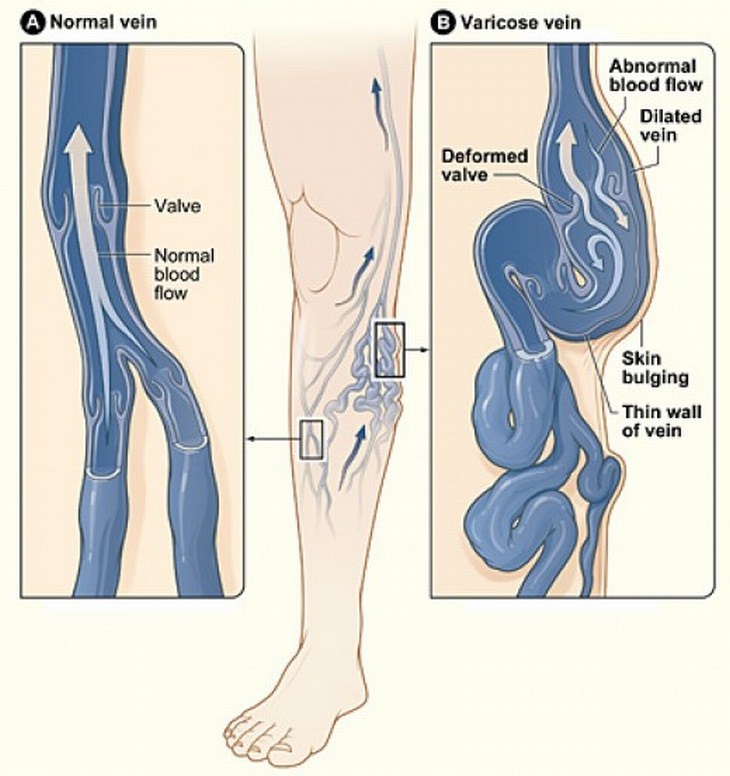
2. Varicose vein remover

apple-cider-vinegar Rub apple cider vinegar onto your veins twice a day, and drink a teaspoon once a day. 

  
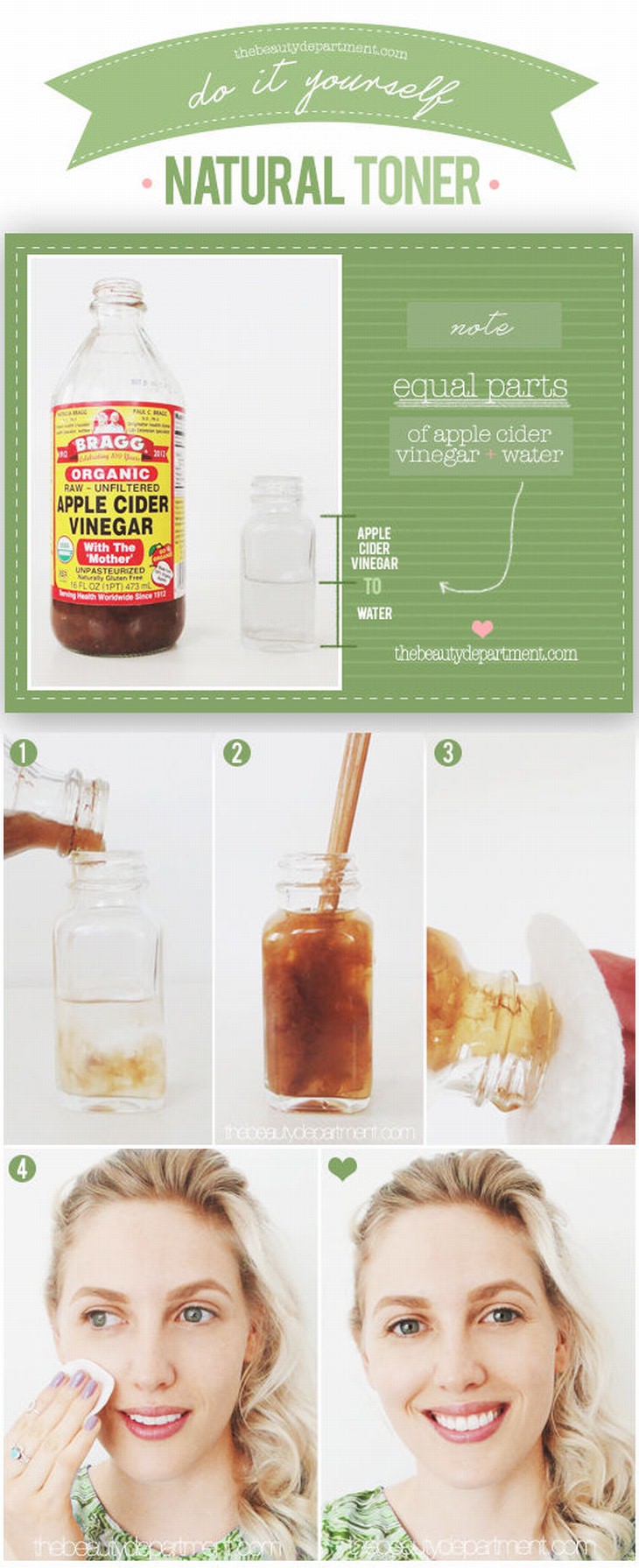
3. All-Natural Toner
 apple-cider-vinegar
  
 
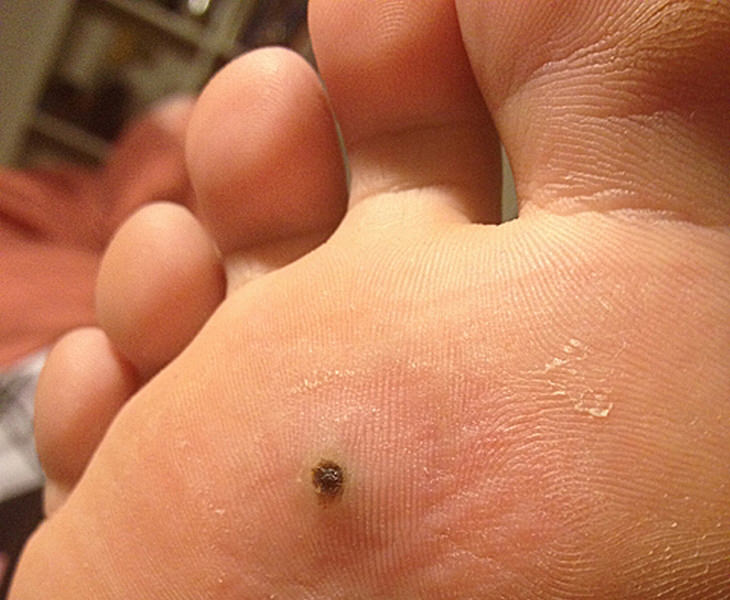
4. Get rid of warts
 apple-cider-vinegar

What you need: 
Apple cider vinegar 
Cotton wool 
Medical tape 
 
What you do:  
1. Clean the area. 
2. Fully soak the cotton wool with apple cider vinegar. 
3. Place the soaked wool on the wart and cover with medical tape (or bandage). 
4. Repeat daily until the wart dries out and falls off (should take up to a week). 
 
 
5. Treat Nail Fungus

Soak your toenail in a 1:2 solution of vinegar and water for 15 minutes a day. 
 
6. Chemical-Free Flea and Tick Repellent
Make a 1:1 solution of water and organic apple cider vinegar in a spray bottle, and spray the dog once a week. If your dog doesn't like being sprayed, use a soaked washcloth instead. You can also add a teaspoon of organic apple cider vinegar to the dog's water twice a week for similar results. Be sure to use organic ACV, as the more processed kind is not good for dogs. 
 
7. Say "Bye Bye" to Moles
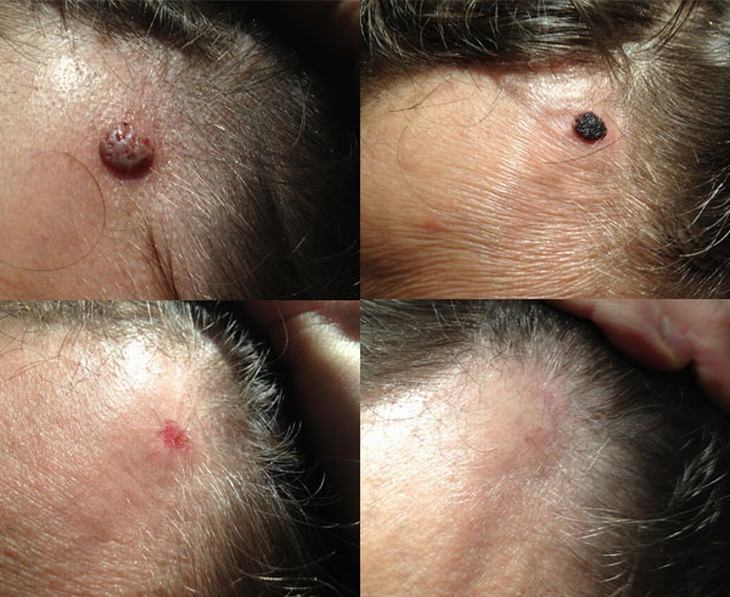
 
apple-cider-vinegar
What you need: 
Organic apple cider vinegar 
Sterile needle (use rubbing alcohol or fire to sterilize it) 
Cotton wool 
 
What to do: 
1. Clean the area. 
2. Use the sterile needle to poke a few holes in the mole. (There are no nerves, so it won't hurt). 
3. Apply an ACV-soaked piece of cotton to the mole for 20-30 minutes. 
4. Repeat daily until the mole falls off. (Should be within a week). 
 
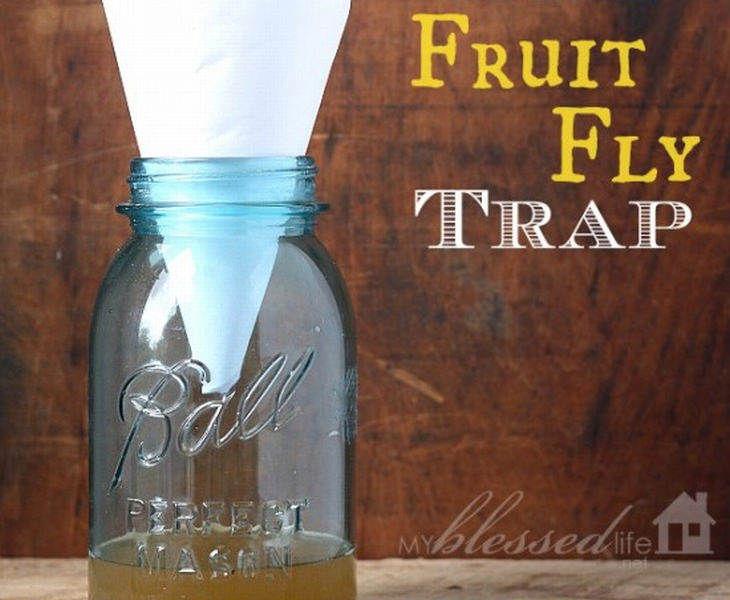
8. Effective Fruit Fly Trap
 
apple-cider-vinegar
What you need:  
A jar Raw apple cider vinegar Small piece of paper Liquid dish detergent 
 
What to do: 
1. Mix 2/3 cup of apple cider vinegar and about a tablespoon of dish detergent in a jar.
2. Create a cone out of the piece of paper and put it in the jar, as shown in the picture. 
3. Leave the jar where the fruit flies are and let the mix work its magic. 
 
9. Homemade Weed Killer
apple-cider-vinegar

Mix ½ gallon (2 liters) of apple cider vinegar, ¼ cup salt, and ½ teaspoon of liquid dish detergent. Put in a spray bottle and spray any weed you want to get rid of. 
 
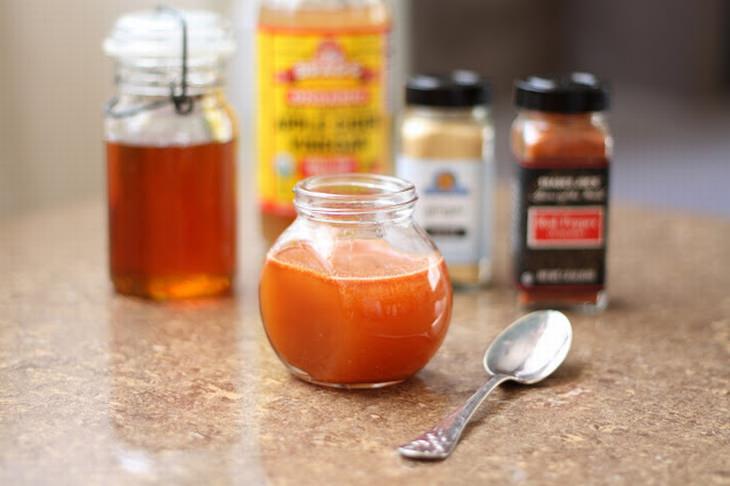
10. Homemade Cough Remedy
 
apple-cider-vinegar

What you need: 
 2 tablespoons of apple cider vinegar 
 2 tablespoons of honey 
2 tablespoons of water 
¼ teaspoon of cayenne pepper 
¼ teaspoon of ground ginger 
 
What to do: Mix all the ingredients in a jar and shake well. Take a teaspoon for a child aged 2-9 years, and a tablespoon for ages 10 and up. 
 
11. Better Hair Care With Baking Soda and ACV

What you need: 
Apple cider vinegar 
Baking soda 
Water Squeeze bottle 
 
What to do: Hair wash:  
1. Mix 4-5 tablespoons of baking soda with 1 cup of water and pour into a squeeze bottle.
 2. Wet your hair, then pour the mixture on it. Make sure to get it on all of your hair. 
3. Let it sit for about a minute, then rinse thoroughly. 
 
Conditioning: 
1. Make a mixture of 1:4 ACV and water. 
 2. Squeeze any excess water from your hair. 
3. Cover your hair with the mixture and rub it in as you would with regular conditioner. 
4. Thoroughly rinse your hair.

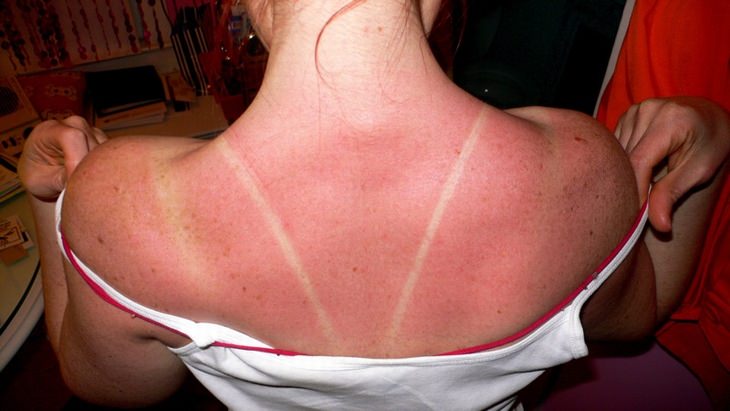
12. Soothe and heal a sunburn
 apple-cider-vinegar
 
 
Apply straight to the burn, or you can dilute it with a bit of water if it stings too much. Use a towel or washcloth and keep it on the affected area for 20-30 minutes. 
 
13. Heal Eczema
Mix ¼ cup of apple cider vinegar with 3 cups of water and lightly apply on the affected area. Caution – it may sting.

This is only for your information, kindly take the advice of your doctor for medicines, exercises and so on.   


Labels: , , , , , , , , , , , , ,

Saturday, October 04, 2025

Are My Nipple Bumps Normal or Something to Worry About?

You likely know that lumps and bumps on your boobs are generally worth talking to a doctor about, especially if they feel worse over time or simply don’t go away. But they’re not always a sign of something serious (if your mind immediately jumps to the Big C, remember there are other early symptoms of breast cancer.

So what’s the deal? Here, experts break down the possible reasons why you have nipple bumps, how to treat them if they’re bugging you, and when it’s time to check in with a doctor.

There are lots of things that can cause bumps on your nipples, and, thankfully, they’re usually NBD.

First, a little anatomy refresher: The nipple is the nub that often sticks out of the breast (sometimes it’s pretty flat or even points inward). It’s where milk comes out if you’re breastfeeding. The areola, on the other hand, is the circle of pigmented skin around the nipple. Bumps can form on both your nipples and areolae, so for the sake of ease, we’ll refer to all of these as “nipple bumps” and get more specific when we need to.

Montgomery glands

If you’re realizing those small bumps on your nipples are actually sprinkled across your areolae, you’re likely noticing your Montgomery glands. These little bumps are sebaceous glands. They make oily secretions known as sebum, and this substance keeps your areolae and nipples lubricated, a breast cancer surgeon in Los Angeles and Glendale, California, tells SELF. The exact reason why this lubrication matters isn’t entirely clear, but it likely supports breastfeeding by keeping the area moisturized, Dr. Holmes says. There’s also a theory that the scent of the sebum may even help stimulate a newborn’s appetite, he adds.

Everyone has Montgomery glands,  a breast surgical oncologist at Stamford Health Medical Group in Connecticut, tells SELF. And as with every other part of your body, there’s a lot of variation in the Montgomery-gland department. Some people may have large, obvious bumps, while others have small ones that are barely visible.

Pregnancy

Despite their theoretical role in breastfeeding, Montgomery glands are there whether you get pregnant or not. That said, you might notice them more when your boobs swell during pregnancy and after you give birth. (Also, just like your nipples may perk up when it’s cold, a temperature change can potentially make your Montgomery glands show up a little more, Dr. Holmes says.)

Ingrown hairs

You might have hair on your breasts, including on or around your nipples, which is totally normal. And wherever hair grows on your body, the possibility of ingrown hair follows (especially if you’ve been tweezing, shaving, or waxing near the area). These tender bumps form when strands of hair curl in on themselves and back into the skin rather than emerging out as they should. Ingrowns can look like pimples because they tend to fill up with pus and cause hyperpigmentation, but one major difference is that you can sometimes see a little loop of hair with each end embedded into the skin, a board-certified dermatologist and founding director in Maryland, tells SELF. You may also feel some pain, burning, and itchiness around ingrowns too.

Acne

Speaking of pimples…. You can get acne anywhere on your skin, including your nipples. “They can look like red, inflamed, or pus-filled bumps, similar to what can be seen with acne [elsewhere on your body],”  an assistant professor of dermatology at the Rutgers Robert Wood Johnson Medical School in New Jersey, tells SELF. They may feel a little tender to the touch or be visible but not feel irritating at all, Dr. Rodney adds.

Eczema

Eczema can make surprise appearances on seemingly random parts of your skin too. “The nipples can become more prone to eczema because of rubbing against bras or clothing,” Dr. Wassef says. If you’re breastfeeding, the repeated wetness and dryness from your baby’s mouth (as well as their saliva on its own) can also trigger flare-ups.

Eczema on your nipples can look like a dry, flaky, or scaly rash or tiny bumps like acne that ooze fluid. You might notice some discoloration in the area (like red, brown, or, gray patches depending on your skin tone), as well as lots of itchiness and potential stinging or burning.

If you think your " dry, bumpy skin could be eczema—particularly if it persists or flares up in waves—it’s crucial to see your doctor for a proper diagnosis so you know what you’re dealing with.

Hidradenitis suppurativa (HS)

HS is an inflammatory condition that causes deep, painful lumps or cysts to form, usually where skin touches skin (like the armpits, groin, or under the breasts)—but they can also appear on the nipples for some people. The bumps can look like pimples or boils at first, then develop into abscesses that break open and leak blood and pus. You shouldn't squeeze at these spots to avoid potential complications, like scarring or infection, so checking in with a doctor is your best move.

How to get rid of nipple bumps

If what you’ve been thinking of as “questionable” nipple bumps are just your Montgomery glands, they’re a perfectly normal part of your anatomy that requires no treatment.

But if you’ve spotted what looks like an ingrown hair, soften the skin by applying a warm compress or exfoliate by gently washing the area with a warm washcloth using a circular motion for several minutes, Dr. Rodney says. This can help encourage the hair to break free on its own. (The same advice applies if you think you have a plugged Montgomery gland; try taking a warm shower or using a warm compress to try to loosen the sebum plug.) To treat acne, reach for the same mild acne cleanser you’d use on your face (these usually contain 1-2% salicylic acid or benzoyl peroxide) when you suds up in the shower. Just keep an eye out for dryness or itchiness, Dr. Rodney says; if your nips are getting irritated, scale back on how often you use the cleanser.

For mild eczema, Dr. Rodney recommends slathering on a body cream that's safe for sensitive skin, ideally within a few minutes of stepping out of the shower to lock in the hydration. A petroleum jelly product is also a great option because it acts as a protective barrier. “A lot of times people will moisturize skin on other areas of their body and neglect their nipples and breasts—but they’re covered in skin that needs hydration too,” she says. If OTC remedies aren’t cutting it, talk to your doctor about whether you might benefit from a stronger Rx cream or ointment. (The same goes for HS or other chronic skin conditions; they can’t always be cured, but you can manage your symptoms with prescription topical or oral medications.)

Keep in mind that your breasts, particularly your nipples, can be sensitive, so resist the urge to be too rough or pick at your skin. The experts we spoke with strongly advise against squeezing any bumps on your nipples, even if it’s just a little whitehead: “You’ll just traumatize the skin, which can lead to more inflammation and swelling,” Dr. Rodney says. You can also accidentally introduce bacteria this way, increasing your risk of an infection.

When to see a doctor about nipple bumps (or other symptoms in that zone)

According to Dr. Cate, if you develop a sudden rash on or near your nipples, swelling in the area, redness or other discoloration, skin that feels warm to the touch, a fever, or a hard mass that forms quickly and sticks around for at least a few weeks, it’s time to see a health care professional.

In rare cases, itchy breasts or skin irritation that lingers for more than a month could be a sign of Paget's disease of the breast, a type of breast cancer that extends through the milk ducts and surface of the skin, Dr. Holmes says. Paget’s disease usually impacts people over the age of 50, and though it typically starts in the nipple before spreading, it is rarely limited to the nipple alone.

With Paget’s disease, you might have symptoms like itching, tingling, or redness in the nipple and/or areola, flaking and crustiness of the skin on or around the nipple, and a flattened nipple. You might also notice nipple discharge that’s yellowish or bloody. Paget’s disease is often asymmetric, too. So if you notice any of these changes on just one nipple, you may want to see a doctor sooner rather than later.

All of this is to say: If your nipples are looking or feeling different from your normal and certain symptoms are stressing you out, don’t hesitate to see a doctor. Usually, it’s nothing major or can be treated easily, but a quick appointment is worth the peace of mind.


This is only for your information, kindly take the advice of your doctor for medicines, exercises and so on.   


Labels: , , , , , , , , , , , ,

Saturday, July 12, 2025

Natural Hair and Skin Remedy Everyone Should Have At Home

Jojoba oil has been known as one of the most powerful natural hair, skin and nail treatments in existence. Its efficacy is supported both by plenty of scientific evidence and a long-standing Native American tradition of using it to treat wounds and bruises. 
 
And while jojoba oil may not be as multitasking as olive or coconut oil, as it’s not suitable for cooking, thanks to its unique chemical makeup it is much better at moisturizing, balancing and healing the skin, hair and nails than any other oil. Learn when and how to use this miracle worker in detail below.

jojoba oil in a bottle

What You Need to Know About Jojoba Oil  
The oil is derived from the nuts of the jojoba plant (seen on the picture below), which is native to the southwestern United States and Mexico. Jojoba oil has a pale golden color, a slightly nutty smell and a lightweight texture. 
 
Jojoba oil is a common ingredient in many skincare products, but pure undiluted jojoba oil can be used and is widely available. 
 
Jojoba oil can be used as a base oil and mixed with other essential oils to create custom oil blends targeting different skin and hair concerns. 
 
The chemical makeup of jojoba oil is very similar to the natural oils our skin produces, which is why it is very hypoallergenic and well-tolerated by sensitive skins.

jojoba oil plant

1. Use Jojoba Oil to Relieve Psoriasis and Eczema  
Uncomfortable and often uncontrollable skin conditions associated with dry and flaking skin, such as psoriasis and eczema, usually improve after applying jojoba oil. This is because of anti inflammatory and healing properties of the oil. 
 
Apart from that, jojoba oil coats the problematic regions with a protective layer and relieves the itching and dryness associated with both conditions. Other skin conditions, such as rosacea and even diaper rash can also be treated with jojoba oil, as it is hypoallergenic and completely natural.

How to: Simply apply a small amount of oil on top of the area, no rubbing or massaging needed, be as gentle as possible. 
 
2. Pure Jojoba Oil Can Be Used For Anti-Aging
 
jojoba oil anti aging
Jojoba oil is a miracle ingredient for aging skin because it alone can do things to your skin that otherwise would require a whole skincare regimen. Namely, it had been shown to: 
 
reduce the appearance of fine lines and wrinkles 
 
treat hyperpigmentation 
 
promote the production of collagen. 
 
 Hyperpigmentation, wrinkles and loss of volume and elasticity due to slow collagen production are the main causes of skin aging. Researchers believe this amazing effect is likely attributed to the abundance of antioxidants the oil contains. 
 
How to: To use jojoba oil for anti-aging, apply just a few drops of oil on top of your usual skincare regimen, or simply on dry clean skin in the evening. Spread the oil evenly on your face, neck, decollete area and hands.

3. Treat Cuts, Sunburns and Bruises With Jojoba Oil  
The wound healing properties of jojoba oil have been known for centuries, and it was used by Native Americans for centuries to dress wounds, get rid of bruises and scarring. The sun-shielding capabilities of jojoba oil have been discovered more recently, but today, jojoba oil is one of the key ingredients in many natural sunscreens. 
 
Studies suggests that antioxidants combined with vitamin E, both of which are contained in jojoba oil, can shield the skin from the sun. Combine this with the healing and antibacterial properties of jojoba oil we mentioned, and you will have a great treatment for sunburns. 
 
How to: If the treated are is large, spread just enough oil to coat the region. If you're dealing with a scar, a small cut, a stubborn zit or a bruise, you can douse a small piece of fabric or cotton in the oil and cover the clean, dry and disinfected area with the DIY bandage we made. To fixate the bandage, use a band-aid. 


4. Use Jojoba Oil to Treat Acne and Oiliness
 
jojoba oil oiliness
As counterintuitive as it may sound, applying jojoba oil to oily and acne-prone skin is a good idea. This is because jojoba oil mimics the natural oils in your skin, tricking your body into believing that it already produced enough oil. The results are less unwanted oily shine, but also clearer skin, as pores clogged with excess oil is one of the leading causes of acne. 
 
Apart from that, jojoba oil has anti-inflammatory and soothing properties that will also calm down angry pimples and soothe your skin without causing any irritation like many chemically-derived acne products, such as benzoyl peroxide. 
 
How to: In the evening, apply a few drops of oil either as the last step of your skincare routine, or alone. Spread it all over your face, neck and any other problem areas. You can also mix a few drops of the oil in your usual moisturizer.

5. Jojoba Oil Is An Excellent Lip Balm  
One has to be very careful with lip products, as parts of your lipsticks and lip balms may easily penetrate your body through your mouth. That’s why it’s best to use a natural and non-irritating product, like jojoba oil, that will both moisturize your lips without compromising your health. 
 
How to: Simply apply a tiny amount of jojoba oil on your lips, et voila, you have a discrete and healthy-looking lip balm on. 
 
6. Jojoba Oil Is Great For Shaving and Treating Razor Burn
 
jojoba oil shaving

The oil has an interesting waxy texture, which makes the razor glide smoothly during shaving, which assures that you minimize the likelihood of developing razor burn or getting nicks or cuts. And even when that does happen, cuts tend to heal faster and leave no scars because of the antibacterial and healing properties of the oil. Apart from that, you will need very little product compared to shaving cream. 
 
How to: Pour a small amount of oil into your palms and spread it around the area you’d like to shave. The skin should be dry and no water is needed for the shaving process. Continue as usual and simply wash off the oil when you’re done. 
 
 
7. Use Jojoba Oil As a Moisturizer for Dry Skin
 
jojoba oil dry skin
Like most base oils, jojoba oil is a good moisturizing agent. Apart from simply moisturizing your skin, however, it is very effective at sealing the moisture in your skin, which is why it is especially beneficial when used on top of your usual skincare routine. 
 
This doesn’t mean that it cannot be used on its own, as it has been found to soften even the hardest and stubbornly dry skin areas, such as dry heels and elbows. 
 
How to: Since your skin is dry, we suppose you’re already using creams and other skincare to treat it. Just add a drop of jojoba oil to your moisturizer to make it richer and apply as usual. You can also apply the oil on top of your skincare routine in the evening. If you have dry heels, apply the oil and wear socks, this will seal in the moisture in your skin.


8. You Can Take Off Your Makeup and Cleanse Your Skin 
With Jojoba Oil Unlike many harsh cleansers or makeup wipes, heavily-laden with detergents and foaming agents that irritate and age your skin, jojoba oil is effective, safe, noncomedogenic and gentle. You can use jojoba oil to remove makeup and wash your face, including the eye area. 
 
After washing your face with jojoba oil, your skin will feel soft and hydrated, and not oily or dry. Using jojoba oil as a universal cleanser will not only make your skin look healthier and younger in the long run, but you will also buy less products, as you will need only jojoba oil to remove the makeup from your face, eyes and to clean your face. 
 
How to: To use jojoba oil as a cleanser, simply apply a few drops of oil on a dry face and massage it gently with your hands until you see that your makeup has melted off, then rinse. If necessary, repeat.

 
9. Can Be Used to Treat Dry, Brittle Nails and Cuticles
Many women and men use jojoba oil to keep their nails healthy and strong. The vitamin E combined with the moisturizing and antibacterial properties of jojoba oil promotes nail growth, makes your nails less brittle and prevents breakage. 
 
How to: Either massage a few drops of jojoba oil into your nails and cuticles, or apply it with a nail polish brush, just don’t forget the back of the nails.


10. Use Jojoba Oil to Prevent Dandruff and Grow Healthy and Long Hair
A dry and itchy scalp is a common symptom of dandruff, but so is hair loss. Many hair products that target dandruff can help you get rid of the flakes, but they are too drying for your scalp, which can exacerbate the problem. 
 
Jojoba oil is rich in vitamin E, zinc and selenium, all of which are known to fight dandruff, but it is protective and soothing for your skin as well, so it won’t dry out your scalp and hair. Finally, jojoba oil can moisturize your scalp, which will promote hair growth and decrease the amount of hair breakage. 
 
How to: There are a few ways to use jojoba oil on your hair. The most common and effective way is to use it as a mask by heating the oil a little bit, and then applying to a dry scalp. Leave the mask on for at least 15 minutes, and then wash your hair as usual. Finally, you can add jojoba oil to your usual shampoo and conditioner.


This is only for your information, kindly take the advice of your doctor for medicines, exercises and so on.   

Labels: , , , , , , , , , , , , , , ,