Monday, February 28, 2022

14 Super-Simple Home Remedies For Cracked Heels

Cracked heels, or heel fissures, are a common condition in which the skin begins to break along the outer edge of the heel. The skin there becomes very dry, hard and flaky, which causes the fissures to occur. Some of these fissures may even lead to painful bleeding. But there's no need to lose hope, because there are excellent home remedies to treat this condition. Let's review some of them. 
 
What Causes Cracked Heels? 
Cracked heels can happen to anyone for a variety of reasons, but here are some of the most commonly found responsible factors: 
Walking barefoot for extended periods of time 
Regular use of sandals 
Living in dry climates 
Wearing open-backed shoes 
Thick, hard and inflexible skin around the heels 
Walking or standing on your heels for a long time 
Pregnancy 
Lack of proper support from footwear around the heel 
Prolonged standing on hard floors 
Inactive sweat glands 
Poor foot hygiene 
Being obese or overweight 
Athlete's Foot, eczema or other skin conditions 
Deficiency in minerals, vitamins, or zinc 
Thyroid problems or Diabetes 
Flat feet or high arched heels 
 
How Can You Treat Cracked Heels?  
One of the most important habits to adopt if you have cracked heels, or have had it in the past, is to keep your feet moisturized at all times. Use a soft foot file on your cracked heels to reduce the development of fissures and to remove dry and dead skin cells. Remember, getting rid of cracked heels can be a bit of a process, and the condition will not disappear overnight.  
 
1. Use Oils

Hydrogenated vegetable oil is said to be very good at treating cracked heels. Other oils that are good for treating the condition are: sesame, coconut, olive and vegetable oils. First, clean your feet with soap and water and pat them dry. If you already have cracks in your heels, rub your feet down for a few minutes with a pumice stone to get rid of the dry skin. Then, clean the area with a tissue and apply the oils to any cracks or sores on your heels. Rub the oils in liberally and leave on your feet overnight. For effective results, apply oil each night for a week and you will experience a dramatic improvement in your cracked heels. 
 
2. Ripe Bananas
Bananas can be an excellent moisturizer if they are used correctly. Mash up the banana and apply the mixture to your dry and cracked heels. Leave it on your feet for 15 minutes, then wash the mixture off with warm water. Later, use cold water to wash off the remainder and to refresh your feet.

3. Paraffin Wax
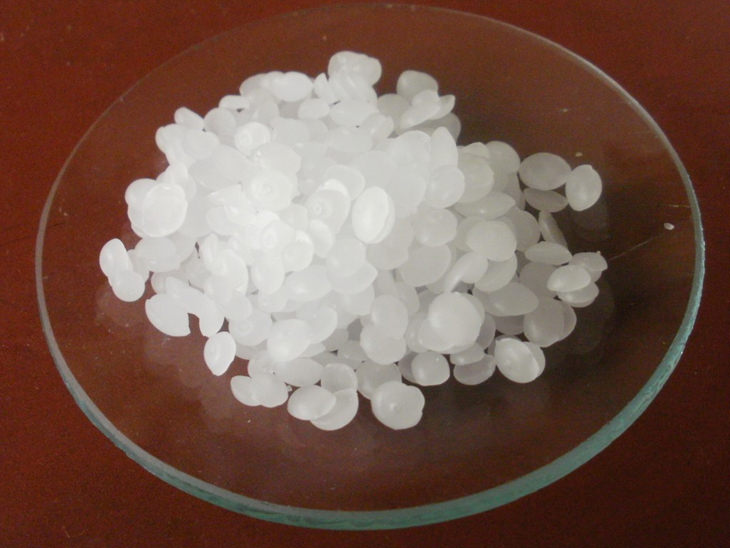
If you experience pain from cracked heels, paraffin wax can give you almost instant relief. Mix the paraffin with coconut or mustard oil and then heat it up until the wax melts. Use the resulting liquid and apply it to your feet to be left overnight and wash it off in the morning. You'll be amazed at the results!  
 
4. Lemon Juice
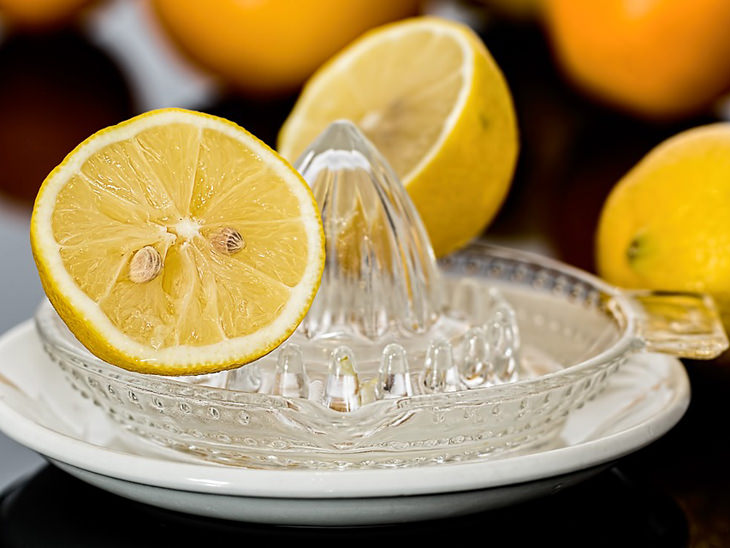
Applying lemon juice to cracked heels will soften the skin as lemon has acidic properties. Stick your feet in a bucket of lukewarm water and lemon juice for 10 to 15 minutes to hydrate your feet. Once you finish, clean your feet with a pumice stone and pat your feet dry.  
 
5. Rice Flour With Honey and Vinegar
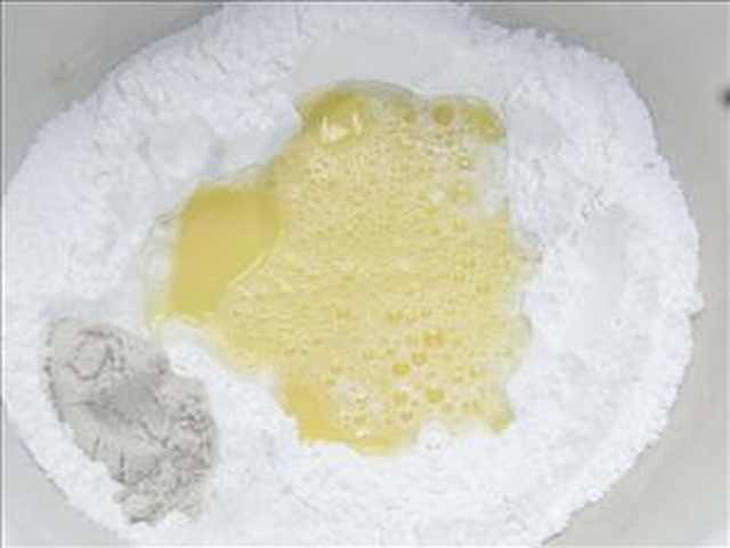
This is a great natural scrub for removing dead skin cells. To make the scrub, take 2 tablespoons of rice flour and mix it with 2-3 tablespoons of honey and vinegar. This should make a thick paste. Then, soak your feet in warm water for 10 minutes, apply the scrub on your heels and wash it off with warm water once it's dry.  
 
6. Honey
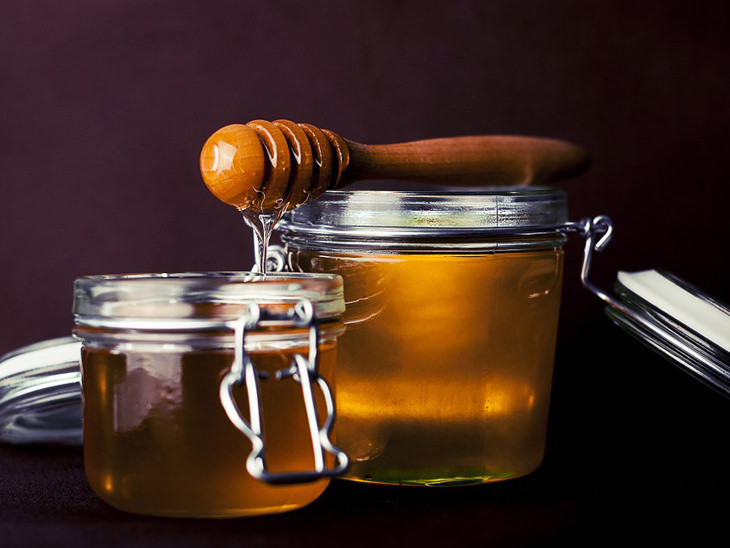
Using just honey alone can also aid your cracked heels because it has antibacterial and moisturizing properties. When you soak your feet, mix 2-3 tablespoons of honey into the warm water and soak for 15 minutes. This will leave your feet feeling moist and supple.  
 
7. Salt Water
Believe it or not, this is an excellent remedy for dry and cracking heels, and it may be why most of the beach bums you know have soft, baby-like feet. Place your feet into a bucket of salty warm water and leave them there for 15 minutes. Now remove your feet and place them in a bucket of cold water for 10 minutes. This will improve the blood circulation to your feet. 
 
8. Indian Lilac or Neem Leaves

If you are able to purchase this herb fresh or have a paste available to you at your natural foods store, this solution is most effective in the ridding of cracked heels for an extended period of time. Apply a mixture of neem leaf powder and turmeric powder to the cracked area of your heels. Leave the mixture there for 30-45 minutes and wash away the paste when you are done. Pat your feet dry. You should see results in only a few days  
 
9. Petroleum Jelly
If you regularly scrub your cracked heels with a pumice stone, and then apply petroleum jelly, this will help you get rid of the dryness. After you have scrubbed your feet with a pumice stone, apply petroleum jelly to them before you go to bed. You will wake with softer and mostly crack-free heels. 
 
10. Rosewater and Glycerin
Mix together equal amounts of rosewater and glycerin and rub the mixture over your cracked heels. If any of the fissures are open or bleeding, this could sting as a result of the glycerin (it contains alcohol). This should keep your skin soft for hours, and the mixture can be easily applied before you put on sandals or walk around barefoot outside. 
 
11. Drinking Water 
It is important to keep your body hydrated, as this will prevent your feet from going dry. You should drink 12-15 glasses of water a day to give your heels the necessary elasticity so they won't crack in the future. 
 
12. Watch Your Calcium Intake 
 To improve the state of your cracked heels, you need to watch your calcium intake. Add foods like yogurt, milk, and cheese, broccoli or fish to your diet. 
 
13. Vitamin E and Iron By adding Vitamin E to your diet, you will significantly aid in the healing of cracked heels. Foods like vegetable oils, green vegetables, nuts and whole grains are great sources of vitamin E that you should try to incorporate into your diet. Iron is also important for curing cracked heels, so make sure that you are eating enough meat, chicken, and fish. 
 
14. Omega 3 Fatty Acids  
Foods like flaxseeds, flaxseed oil, and cold water fish are known to be rich sources of Omega 3, which helps reduce the effect of cracked heels. If you suffer from cracked heels, try some of these natural and home-made remedies, and you are sure to have soft, supple feet.


This is only for your information, kindly take the advice of your doctor for medicines, exercises and so on.   

https://gscrochetdesigns.blogspot.com. one can see my crochet creations  
https://gseasyrecipes.blogspot.com. feel free to view for easy, simple and healthy recipes    
https://kneereplacement-stickclub.blogspot.com. for info on knee replacement


Labels: , , , , , , , , , , , , , ,

Tuesday, August 10, 2021

6 Homemade Shampoos For Various Hair Types and Conditions

Shampoo is one of those essential items most of us pick up at the store without giving it a second thought. Making homemade shampoo sounds like a tedious task for some people, but the ability to control and customize the exact ingredients that go into your shampoo has many benefits. It allows you to create a custom-made product that’s perfectly suited for your hair and scalp using natural ingredients at a budget price. This article offers guidance to those who want to start making their own shampoo at home.

Who will benefit from homemade shampoo? 
Anyone who isn’t happy with their current shampoo can try making homemade shampoo. Like store-bought shampoo formulas, homemade shampoo concoctions have different properties: some nourish and moisturize the hair whereas others clarify the scalp or relieve an itchy and irritated scalp. People sensitive to harsh chemical ingredients may actually find that homemade shampoo makes their hair healthier and shinier than store-bought shampoo.

If you’re usually using a medicated shampoo that keeps a specific skin or hair issue at bay, it’s important that you consult a dermatologist to make sure that using homemade shampoo is right for you. Patch testing any shampoo on a small skin area will help prevent adverse skin reactions. Note that preparing liquid homemade shampoo usually yields a runnier consistency because store-bought shampoos usually have special thickening agents added. 
 
Most of the ingredients we feature in this article contain Castille soap as the main lathering ingredient. The recipe for this soap was first made in the Castile region of Spain. Castille soap is a natural, biodegradable soap made from vegetable oils. This natural soap is great at gently clarifying and has a very low risk of scalp sensitivity, but it may make hair dye fade a bit faster because it has a slightly higher pH level. 
 
To learn more about the uses of Castile soap, read my next post titled Not Using Castile Soap Yet? Here Are 10 Reasons You Must. Generally speaking, though, homemade shampoo is a good choice for any hair type, even though it may take a few weeks for some hair types to adjust to the new, natural hair care routine. 
 
Homemade Shampoo Recipes 
 
The basis for any homemade shampoo is a lathering ingredient, water, and a few drops of natural oil. It’s best to use distilled or boiled water because it will allow you to extend the shelf life of a liquid shampoo to about 2 weeks if kept refrigerated. Depending on your hair type and hair care needs, you’ll need a different balance of these three basic ingredients. 
 
Certain hair types will also benefit from essential oils and plant-based ingredients. Essential oils will also extend the shelf-life of your homemade shampoo, and allow you to customize the scent of your shampoo. Below, we list 6 shampoo recipes that address different hair concerns, such as an oily scalp, thinning hair, or brittle and dry hair.  
 
1. Stimulating shampoo for volume and growth
Homemade Shampoos aloe
If your hair is looking a bit flat or limp, or your goal is to stimulate hair growth, it’s useful to customize the formula with peppermint oil, aloe, and carrot seed oil. Peppermint oil and aloe have a pleasant cooling sensation that stimulates the scalp without irritating it, whereas carrot seed oil has been shown to stimulate hair growth and gently cleanse the scalp due to its antifungal properties. This recipe also contains green tea and honey, which are beneficial for cleansing and nourishing the scalp.  
 
Ingredients: 
- ¼ cup castile soap 
- ½ cup strong green tea 
- 1 teaspoon aloe vera juice (or aloe gel)
- 1 tablespoon honey 
- 7 drops carrot seed oil
- 10 drops of peppermint essential oil
- Bottle. 
 
Instructions:  
1. Brew a strong cup of green tea and let it cool. 
2. Whisk in the remaining ingredients and transfer them to a bottle. Shake well before use.

2. Moisturizing shampoo for dry and brittle hair
Homemade Shampoos bottle
If you have brittle, dry, curly, or color-treated hair, using Castille soap every wash may be a bit too much for your hair. If that is the case, you can easily alternate between a stronger shampoo and this moisturizing version that’s free of Castille soap. This shampoo doesn’t lather and it contains plenty of restorative and moisturizing ingredients like honey and coconut milk. 
 
Ingredients: 
- ½ can coconut milk 
- 1 tablespoon vinegar 
- 1 tablespoon honey 
- ½ teaspoon jojoba oil 
- ½ teaspoon castor oil 
- ½ teaspoon vanilla essential oil 
- Bottle.  
 
Instructions: 
1. Combine all the ingredients in a bowl, blending them together in an even mixture. 
2. Transfer into a bottle. Make sure to shake the mixture well before use.

3. Tea tree and rosemary shampoo for itchy scalps
Homemade Shampoos rosemary
Both tea tree oil and rosemary have potent antimicrobial and restorative properties. This shampoo will fit any hair type, but it’s especially soothing for an itchy or slightly flaky scalp. 
 
Ingredients: 
- ½ cup water 
- ¼ cup liquid unscented Castile soap 
- ½ teaspoon grapeseed or sweet almond oil 
- 3 stalks of lemongrass (or 1 tablespoon of lemongrass powder) 
- 3 sprigs of rosemary (or 1 tablespoon dried rosemary) 
- 2 teaspoons tea tree oil 
- 1 teaspoon vanilla essential oil 
- Bottle. 
 
Instructions: 
 
1. Bring the water to a boil, add the rosemary and lemongrass, and boil at low heat for 20-30 minutes. 
2. Let the mixture cool down, then strain the leaves. You should be left with about ¼ cup of liquid. 
3. Transfer the liquid into your shampoo bottle and add in all the remaining ingredients. Use as you would any shampoo, store in a cool place. 
 
4. Chamomile shampoo for sensitive scalp
Homemade Shampoos chamomile
Castille soap is quite a nice soothing ingredient on its own, but you can boost its calming properties with chamomile and lavender essential oil. Lastly, this homemade shampoo contains glycerin, a wonderfully soothing, softening, and conditioning ingredient.  
 
Ingredients: 
- ¼ cup water 
- ¼ cup Castille soap 
- 2 chamomile tea bags 
- 2 teaspoons glycerin 
- Bottle.  
 
Instructions: 
1. Bring the water to a boil, add the chamomile teabags, and step for 20-30 minutes. 
2. Discard the tea bags and let the liquid cool to room temperature. 
3. In a bottle, combine all ingredients and shake well to blend in the glycerin.
 
5. Clarifying rinse 
Clarifying rinses and shampoos are used to remove product and mineral buildup from the hair. If you use hair styling products or live in an area with hard water, it’s beneficial to use a clarifying shampoo or rinse once every two weeks to restore a healthy shine to your hair. 
 
If you have a store-bought clarifying shampoo, you can use it in place of your usual shampoo. But you can make your own clarifying rinse with just 2 ingredients that you can use after washing and conditioning your hair. 
 
Ingredients: 
- 2 cups water 
- 3-4 tablespoons vinegar 
- Bottle.  
 
Instructions: 
1. Shake to combine ingredients. Use as the last step of your hair washing routine. 
 
6. DIY shampoo bar
 
Not all homemade shampoo recipes are liquids. Shampoo bars are becoming increasingly popular these days, as they're more portable, last for a long time, and are more environmentally friendly since they don't require any packaging. Here is a basic solid shampoo recipe suitable for all hair types. The recipe uses a Castile melt-and-pour soap base that can be easily purchased online. 
 
Ingredients: 
- 1 cup Castile melt-and-pour soap base, cut into cubes 
- 1 teaspoon sweet almond oil 
- ½ teaspoon castor oil 
- 15 drops rosemary or vanilla essential oil 
- 1 soap mold (you can also use any plastic container or a yogurt cup).  
 
Directions: 
1. In a double boiler or any metal bowl in a bigger pan half-filled with water, melt the soap base on low heat. 
2. Stir continuously and add in the almond and castor oils. 
3. Take the mixture off the heat and let it cool only slightly. Then add in the essential oils. 
4. Pour the mixture into your mold and let cool for a day. Then store in a cool dry place for up to 2-3 months.

This is only for your information, kindly take the advice of your doctor for medicines, exercises and so on.   

https://gscrochetdesigns.blogspot.com. one can see my crochet creations  
https://gseasyrecipes.blogspot.com. feel free to view for easy, simple and healthy recipes    
https://kneereplacement-stickclub.blogspot.com. for info on knee replacement


Labels: , , , , , , , , , , , , , , ,