Tuesday, August 10, 2021

6 Homemade Shampoos For Various Hair Types and Conditions

Shampoo is one of those essential items most of us pick up at the store without giving it a second thought. Making homemade shampoo sounds like a tedious task for some people, but the ability to control and customize the exact ingredients that go into your shampoo has many benefits. It allows you to create a custom-made product that’s perfectly suited for your hair and scalp using natural ingredients at a budget price. This article offers guidance to those who want to start making their own shampoo at home.

Who will benefit from homemade shampoo? 
Anyone who isn’t happy with their current shampoo can try making homemade shampoo. Like store-bought shampoo formulas, homemade shampoo concoctions have different properties: some nourish and moisturize the hair whereas others clarify the scalp or relieve an itchy and irritated scalp. People sensitive to harsh chemical ingredients may actually find that homemade shampoo makes their hair healthier and shinier than store-bought shampoo.

If you’re usually using a medicated shampoo that keeps a specific skin or hair issue at bay, it’s important that you consult a dermatologist to make sure that using homemade shampoo is right for you. Patch testing any shampoo on a small skin area will help prevent adverse skin reactions. Note that preparing liquid homemade shampoo usually yields a runnier consistency because store-bought shampoos usually have special thickening agents added. 
 
Most of the ingredients we feature in this article contain Castille soap as the main lathering ingredient. The recipe for this soap was first made in the Castile region of Spain. Castille soap is a natural, biodegradable soap made from vegetable oils. This natural soap is great at gently clarifying and has a very low risk of scalp sensitivity, but it may make hair dye fade a bit faster because it has a slightly higher pH level. 
 
To learn more about the uses of Castile soap, read my next post titled Not Using Castile Soap Yet? Here Are 10 Reasons You Must. Generally speaking, though, homemade shampoo is a good choice for any hair type, even though it may take a few weeks for some hair types to adjust to the new, natural hair care routine. 
 
Homemade Shampoo Recipes 
 
The basis for any homemade shampoo is a lathering ingredient, water, and a few drops of natural oil. It’s best to use distilled or boiled water because it will allow you to extend the shelf life of a liquid shampoo to about 2 weeks if kept refrigerated. Depending on your hair type and hair care needs, you’ll need a different balance of these three basic ingredients. 
 
Certain hair types will also benefit from essential oils and plant-based ingredients. Essential oils will also extend the shelf-life of your homemade shampoo, and allow you to customize the scent of your shampoo. Below, we list 6 shampoo recipes that address different hair concerns, such as an oily scalp, thinning hair, or brittle and dry hair.  
 
1. Stimulating shampoo for volume and growth
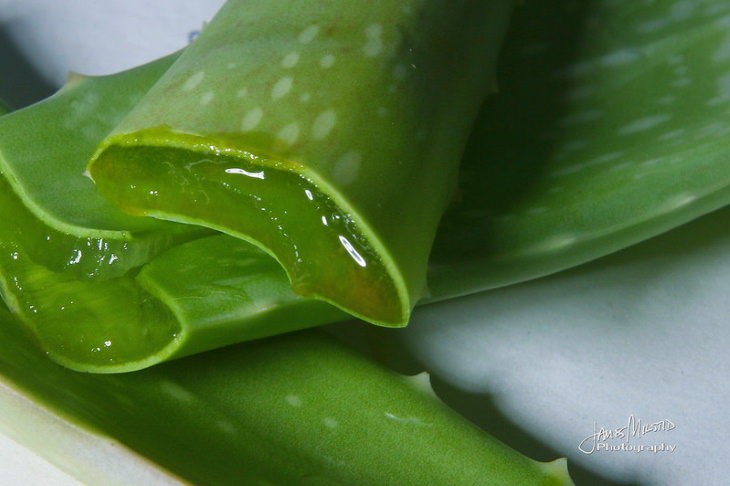
Homemade Shampoos aloe
If your hair is looking a bit flat or limp, or your goal is to stimulate hair growth, it’s useful to customize the formula with peppermint oil, aloe, and carrot seed oil. Peppermint oil and aloe have a pleasant cooling sensation that stimulates the scalp without irritating it, whereas carrot seed oil has been shown to stimulate hair growth and gently cleanse the scalp due to its antifungal properties. This recipe also contains green tea and honey, which are beneficial for cleansing and nourishing the scalp.  
 
Ingredients: 
- ¼ cup castile soap 
- ½ cup strong green tea 
- 1 teaspoon aloe vera juice (or aloe gel)
- 1 tablespoon honey 
- 7 drops carrot seed oil
- 10 drops of peppermint essential oil
- Bottle. 
 
Instructions:  
1. Brew a strong cup of green tea and let it cool. 
2. Whisk in the remaining ingredients and transfer them to a bottle. Shake well before use.

2. Moisturizing shampoo for dry and brittle hair
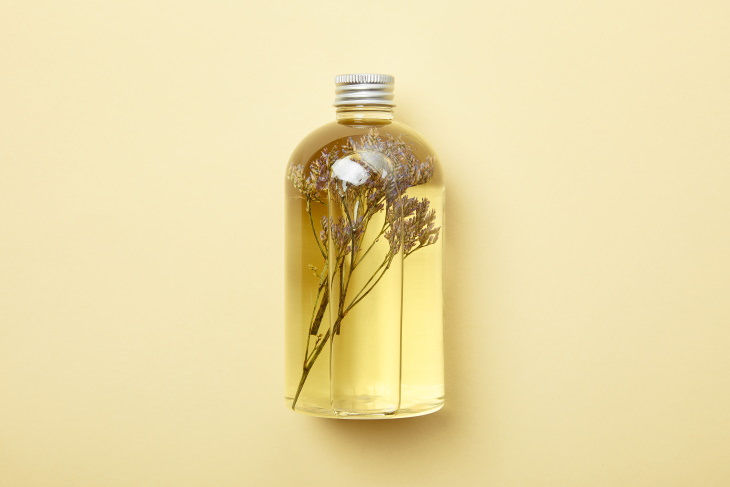
Homemade Shampoos bottle
If you have brittle, dry, curly, or color-treated hair, using Castille soap every wash may be a bit too much for your hair. If that is the case, you can easily alternate between a stronger shampoo and this moisturizing version that’s free of Castille soap. This shampoo doesn’t lather and it contains plenty of restorative and moisturizing ingredients like honey and coconut milk. 
 
Ingredients: 
- ½ can coconut milk 
- 1 tablespoon vinegar 
- 1 tablespoon honey 
- ½ teaspoon jojoba oil 
- ½ teaspoon castor oil 
- ½ teaspoon vanilla essential oil 
- Bottle.  
 
Instructions: 
1. Combine all the ingredients in a bowl, blending them together in an even mixture. 
2. Transfer into a bottle. Make sure to shake the mixture well before use.

3. Tea tree and rosemary shampoo for itchy scalps
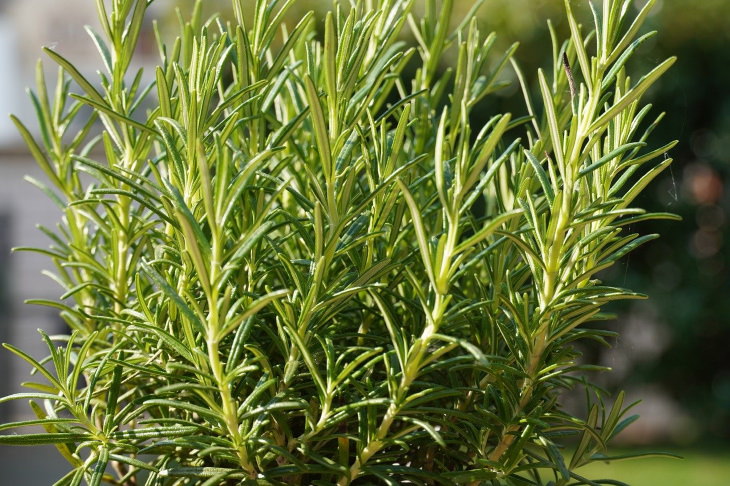
Homemade Shampoos rosemary
Both tea tree oil and rosemary have potent antimicrobial and restorative properties. This shampoo will fit any hair type, but it’s especially soothing for an itchy or slightly flaky scalp. 
 
Ingredients: 
- ½ cup water 
- ¼ cup liquid unscented Castile soap 
- ½ teaspoon grapeseed or sweet almond oil 
- 3 stalks of lemongrass (or 1 tablespoon of lemongrass powder) 
- 3 sprigs of rosemary (or 1 tablespoon dried rosemary) 
- 2 teaspoons tea tree oil 
- 1 teaspoon vanilla essential oil 
- Bottle. 
 
Instructions: 
 
1. Bring the water to a boil, add the rosemary and lemongrass, and boil at low heat for 20-30 minutes. 
2. Let the mixture cool down, then strain the leaves. You should be left with about ¼ cup of liquid. 
3. Transfer the liquid into your shampoo bottle and add in all the remaining ingredients. Use as you would any shampoo, store in a cool place. 
 
4. Chamomile shampoo for sensitive scalp
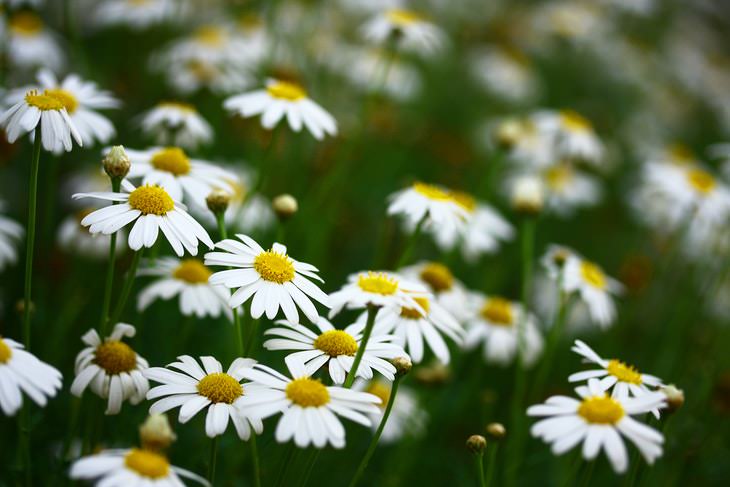
Homemade Shampoos chamomile
Castille soap is quite a nice soothing ingredient on its own, but you can boost its calming properties with chamomile and lavender essential oil. Lastly, this homemade shampoo contains glycerin, a wonderfully soothing, softening, and conditioning ingredient.  
 
Ingredients
- ¼ cup water 
- ¼ cup Castille soap 
- 2 chamomile tea bags 
- 2 teaspoons glycerin 
- Bottle.  
 
Instructions: 
1. Bring the water to a boil, add the chamomile teabags, and step for 20-30 minutes. 
2. Discard the tea bags and let the liquid cool to room temperature. 
3. In a bottle, combine all ingredients and shake well to blend in the glycerin.
 
5. Clarifying rinse 
Clarifying rinses and shampoos are used to remove product and mineral buildup from the hair. If you use hair styling products or live in an area with hard water, it’s beneficial to use a clarifying shampoo or rinse once every two weeks to restore a healthy shine to your hair. 
 
If you have a store-bought clarifying shampoo, you can use it in place of your usual shampoo. But you can make your own clarifying rinse with just 2 ingredients that you can use after washing and conditioning your hair. 
 
Ingredients: 
- 2 cups water 
- 3-4 tablespoons vinegar 
- Bottle.  
 
Instructions: 
1. Shake to combine ingredients. Use as the last step of your hair washing routine. 
 
6. DIY shampoo bar
 
Not all homemade shampoo recipes are liquids. Shampoo bars are becoming increasingly popular these days, as they're more portable, last for a long time, and are more environmentally friendly since they don't require any packaging. Here is a basic solid shampoo recipe suitable for all hair types. The recipe uses a Castile melt-and-pour soap base that can be easily purchased online. 
 
Ingredients: 
- 1 cup Castile melt-and-pour soap base, cut into cubes 
- 1 teaspoon sweet almond oil 
- ½ teaspoon castor oil 
- 15 drops rosemary or vanilla essential oil 
- 1 soap mold (you can also use any plastic container or a yogurt cup).  
 
Directions
1. In a double boiler or any metal bowl in a bigger pan half-filled with water, melt the soap base on low heat. 
2. Stir continuously and add in the almond and castor oils. 
3. Take the mixture off the heat and let it cool only slightly. Then add in the essential oils. 
4. Pour the mixture into your mold and let cool for a day. Then store in a cool dry place for up to 2-3 months.

This is only for your information, kindly take the advice of your doctor for medicines, exercises and so on.   

https://gscrochetdesigns.blogspot.com. one can see my crochet creations  
https://gseasyrecipes.blogspot.com. feel free to view for easy, simple and healthy recipes    
https://kneereplacement-stickclub.blogspot.com. for info on knee replacement


Labels: , , , , , , , , , , , , , , ,

Sunday, July 14, 2019

Make Your Own Natural Tick Deterrent

Bugs are fine as long as they're outside the house and don't bite us. But sadly, they somehow manage to find their way inside the house and bite us for their meal ! Worst time for bugs and insects are when the weather gets warm and humid.

Insect repellents are a must-have in spring and summer. Unfortunately, these come packed with dangerous chemicals that do more harm than good. Bug sprays cause skin irritations, respiratory issues, coughing, upset stomach and other side effects.

Now is the time to make your own bug spray. You need a few simple ingredients, and they are commonly added to homemade all-purpose cleaners, laundry detergents, fabric softeners, tile scrubs and other combinations.
Beware of the ticks! You read that right. In this article we will also give you a few advices on how to make your own tick repellent. Stop using products filled with DEET. Try the following product instead of using toxins on your skin.

Homemade tick repellent
Ingredients:

  • 1 part tea tree oil
  • 2 parts water
That’s all. Add the ingredients to a spray bottle and shake well. Use it on your shoes, socks and pant cuffs. Ticks will stay away from you for sure.

Caution: Do not use tea tree oil if you have pets. Instead of this oil, use peppermint, myrrh, cedarwood, marjoram, chamomile, lavender, or clary sage.

Homemade all-purpose bug spray
Ingredients:
  • 10 drops lavender
  • 1-15 oz. bottle witch hazel
  • 10-12 drops citronella
  • 10-12 drops eucalyptus
  • 10-12 drops lemongrass
Split the witch hazel between two small bottles. Keep one of them in your bag, and leave the other at home. Add the oils, and shake well. Shake the content before every use.

This repellent smells great, and you can use it everywhere around the home. Mosquitoes hate it!
Be careful, if you have pets, you may want to change the ingredients.

You will love this repellent, and we believe that your friends and family will love it, too. Avoid using chemical-packed products, and keep bugs away by using natural ingredients. Essential oils do wonders.

If your home and garden are invaded by mosquitoes, plant some lavender, marigolds or peppermint. They will leave your home immediately!


THIS IS ONLY FOR INFORMATION, ALWAYS CONSULT YOU PHYSICIAN BEFORE HAVING ANY PARTICULAR FOOD/ MEDICATION/EXERCISE/OTHER REMEDIES.                                    PS- THOSE INTERESTED IN RECIPES ARE FREE TO  VIEW MY BLOG-                                                                                           https://gseasyrecipes.blogspot.com/                                                                                                                                                FOR INFO ABOUT KNEE REPLACEMENT, YOU CAN VIEW MY BLOG-                                                  https:// kneereplacement-stickclub.blogspot.com/                                                                      FOR CROCHET DESIGNS                                                                                                                                                                                     https://gscrochetdesigns.blogspot.com

 source- healthyfoodhouse.com

Labels: , , , , , , , , , , , ,

Monday, July 01, 2019

Essential Oils to Boost Thyroid Health

Do you struggle with low energy, brain fog, and difficulty losing weight – despite eating a healthy diet and exercising? An underactive thyroid could be to blame.

Whether you’ve been diagnosed with a thyroid condition  such as hypothyroidism, or suspect a low thyroid is behind your symptoms, there are certain essential oils that can stimulate thyroid hormone production and help relieve symptoms naturally.

Before we get into which essential oils hold the most thyroid healing potential, it helps to understand the role of the adrenal glands in thyroid function. This is because most of the research done on essential oils discusses their benefits for the adrenal glands, which directly benefit the thyroid.

The Adrenal and Thyroid Connection and Why Essential Oils Can Help


The adrenals are best known for helping you cope with stress (via the “fight or flight” response) by releasing stress hormones, such as adrenaline and cortisol . When these hormones are released in response to stress, they tell your body to shut down any function that isn’t immediately helpful in that moment in order to deal with the stressful situation at hand. This includes digestion, immune system function, and hormone production. In fact, studies show the production of T3 and T4 (the primary thyroid hormones) declines during periods of stress .

Inflammation as a result of chronic stress also suppresses thyroid function, as well as dietary and environmental factors such as heavy metals, consuming processed foods, and not getting enough fiber from plant based foods .

For this reason, we can see that adrenal function due to chronic stress is an underlying cause of an overactive or underactive thyroid.

Additionally, when you’re under periods of prolonged stress, your adrenal glands can also become exhausted. This can lead to feeling mentally and emotionally burnt out, as well as a condition called  adrenal fatigue. Not surprisingly, many symptoms of adrenal fatigue mirror the symptoms of an underactive thyroid, such as mid-section weight gain, brain fog, fatigue, anxiety and depression .

While one of the main benefits to using essential oils is their ability to calm the mind and body, some plant extracts also contain active compounds that support endocrine and immune system function, which can be absorbed through the skin . According to research, here are the essential oils that work best for improving thyroid health.

Lemongrass

Lemongrass-Essential-Oil-with-Lemongrass.jpg
Forget the caffeine, lemongrass is known for having an invigorating aroma, which can instantly boost your energy levels and reduce fatigue. While lemongrass essential oil can help manage the symptoms of low thyroid function, research also shows that lemongrass has powerful anti-inflammatory benefits and helps reduce oxidative stress, which suggests it can support immunity and the body’s overall healing process .

Myrrh

Myrrh-Essential-Oil-on-the-Wooden-Board.jpg
Myrrh has been used for thousands of years to heal all kinds of ailments, and is still commonly used to improve health conditions today, especially in Traditional Chinese Medicine (TCM). This is because myrrh is rich in a class of antioxidant compounds called terpenoids, which can help reduce inflammation and support the immune system .

The immune supportive action of terpenoids may also be helpful for managing symptoms of both Grave’s disease and Hashimoto’s disease, an autoimmune condition where the immune system attacks the thyroid gland. Studies also show that terpenoids can protect against hormone related cancers, which suggests myrrh may play a role in supporting overall hormonal health .

Rosemary

Natural-Rosemary-Essential-Oil-for-Beauty-and-Spa.jpg
There’s nothing like the smell of fresh rosemary when you’re making dinner, but this festive herb may also be helpful for managing symptoms of hypothyroidism, including digestive issues, and hair loss . In fact, some studies have shown that rosemary can help stimulate hair growth in those with androgenic alopecia (male pattern baldness), which can be caused by autoimmune conditions, and chronic stress .

Clary Sage

Flowering-Sage-and-Fragrant-Oil.jpg
One study done on clary sage oil and its effect on depression, showed that it was actually able to reduce the thyroid stimulating hormone (TSH) . High levels of TSH in your blood indicate that your body is trying to produce more of the thyroid hormones, T3 and T4, which suggests your thyroid may be underactive .

The same study also showed that clary sage has an antidepressant-like effect, which makes it even more beneficial to use for managing symptoms of low thyroid function.

Black Spruce

Spruce-Essential-Oil-in-a-Bottle.jpg
Spruce essential oil has an earthy scent that promotes a deep sense of grounding and relaxation, which is one reason why it’s commonly found in essential oil blends for stress relief, and supporting the adrenal glands. On a physiological level, black spruce contains antioxidant compounds called monoterpenes, which have been shown to have “anti-stress” action in the brain, and reduce the body’s response to negative stress.

One study showed that rats who were administered monoterpenes and exposed to non-pathological stress, were significantly less disturbed, retained more focus and concentration, and displayed fewer signs of stress in general . The anti-stress action of black spruce suggests it’s helpful for reducing inflammation, which is needed to support thyroid health.

How to Use Essential Oils to Improve Thyroid Health


While studies show that inhaling the aroma of essential oils initiates healing in the body, applying them topically allows their nutrients to absorb through your skin, which may be more beneficial for improving thyroid function. Simply rub 1 drop of essential oil diluted with a carrier oil (like coconut oil or jojoba oil) at the front base of your neck where the thyroid gland is located, as well as your lower back (right above your kidneys), where your adrenals are.

You may also want to do a little reflexology at home by rubbing essential oils on both of your big toes, and the middle of the soles of your feet. These are the reflexology points for the thyroid and the adrenal glands. (Reflexology may also help improve sleep, which makes it an ultimate wellness nighttime ritual.)

When choosing essential oils for your thyroid, be sure to use 100% organic, pure essential oils, which will ensure you’re getting the most health benefits from pure, quality ingredients. While many essential oils are safe to apply topically, some of them are extremely potent and powerful, which can burn the skin. Always be sure to dilute essential oils with a carrier oil before using.

Essential oils are a generally safe and effective way to improve thyroid health naturally. While these essential oils have properties that can benefit the thyroid specifically, any essential oil that helps you feel calm and relaxed will support thyroid function by lowering your stress response.

THIS IS ONLY FOR INFORMATION, ALWAYS CONSULT YOU PHYSICIAN BEFORE HAVING ANY PARTICULAR FOOD/ MEDICATION/EXERCISE/OTHER REMEDIES.                                    PS- THOSE INTERESTED IN RECIPES ARE FREE TO  VIEW MY BLOG-                                                                                           https://gseasyrecipes.blogspot.com/                                                                                                                                                FOR INFO ABOUT KNEE REPLACEMENT, YOU CAN VIEW MY BLOG-                                                  https:// kneereplacement-stickclub.blogspot.com/                                                                      FOR CROCHET DESIGNS                                                                                                                                                                                     https://gscrochetdesigns.blogspot.com

Labels: , , , , , , , , , , , , ,