Monday, February 28, 2022

14 Super-Simple Home Remedies For Cracked Heels

Cracked heels, or heel fissures, are a common condition in which the skin begins to break along the outer edge of the heel. The skin there becomes very dry, hard and flaky, which causes the fissures to occur. Some of these fissures may even lead to painful bleeding. But there's no need to lose hope, because there are excellent home remedies to treat this condition. Let's review some of them. 
 
What Causes Cracked Heels? 
Cracked heels can happen to anyone for a variety of reasons, but here are some of the most commonly found responsible factors: 
Walking barefoot for extended periods of time 
Regular use of sandals 
Living in dry climates 
Wearing open-backed shoes 
Thick, hard and inflexible skin around the heels 
Walking or standing on your heels for a long time 
Pregnancy 
Lack of proper support from footwear around the heel 
Prolonged standing on hard floors 
Inactive sweat glands 
Poor foot hygiene 
Being obese or overweight 
Athlete's Foot, eczema or other skin conditions 
Deficiency in minerals, vitamins, or zinc 
Thyroid problems or Diabetes 
Flat feet or high arched heels 
 
How Can You Treat Cracked Heels?  
One of the most important habits to adopt if you have cracked heels, or have had it in the past, is to keep your feet moisturized at all times. Use a soft foot file on your cracked heels to reduce the development of fissures and to remove dry and dead skin cells. Remember, getting rid of cracked heels can be a bit of a process, and the condition will not disappear overnight.  
 
1. Use Oils

Hydrogenated vegetable oil is said to be very good at treating cracked heels. Other oils that are good for treating the condition are: sesame, coconut, olive and vegetable oils. First, clean your feet with soap and water and pat them dry. If you already have cracks in your heels, rub your feet down for a few minutes with a pumice stone to get rid of the dry skin. Then, clean the area with a tissue and apply the oils to any cracks or sores on your heels. Rub the oils in liberally and leave on your feet overnight. For effective results, apply oil each night for a week and you will experience a dramatic improvement in your cracked heels. 
 
2. Ripe Bananas
Bananas can be an excellent moisturizer if they are used correctly. Mash up the banana and apply the mixture to your dry and cracked heels. Leave it on your feet for 15 minutes, then wash the mixture off with warm water. Later, use cold water to wash off the remainder and to refresh your feet.

3. Paraffin Wax
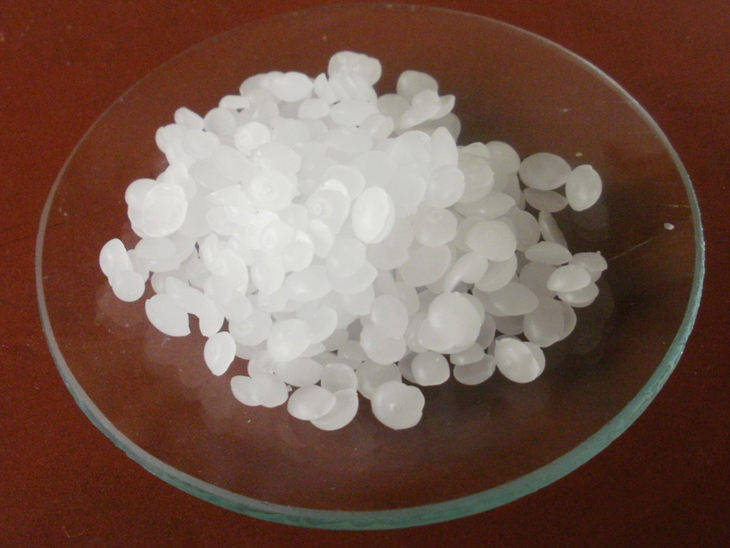
If you experience pain from cracked heels, paraffin wax can give you almost instant relief. Mix the paraffin with coconut or mustard oil and then heat it up until the wax melts. Use the resulting liquid and apply it to your feet to be left overnight and wash it off in the morning. You'll be amazed at the results!  
 
4. Lemon Juice
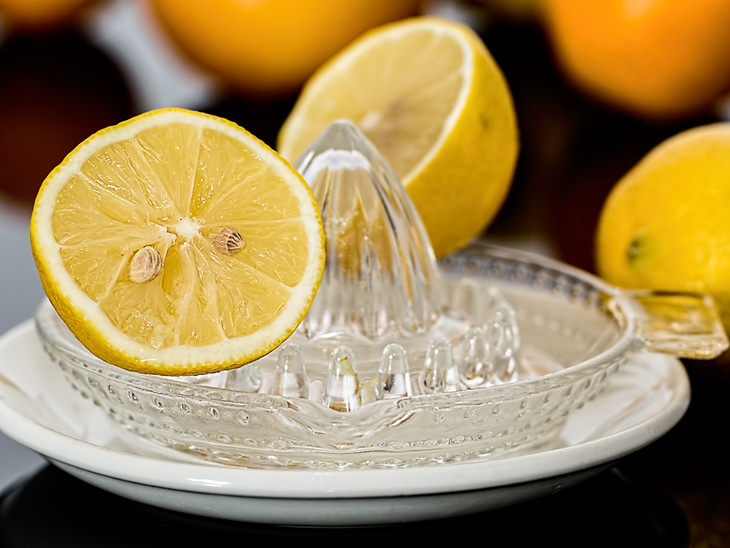
Applying lemon juice to cracked heels will soften the skin as lemon has acidic properties. Stick your feet in a bucket of lukewarm water and lemon juice for 10 to 15 minutes to hydrate your feet. Once you finish, clean your feet with a pumice stone and pat your feet dry.  
 
5. Rice Flour With Honey and Vinegar
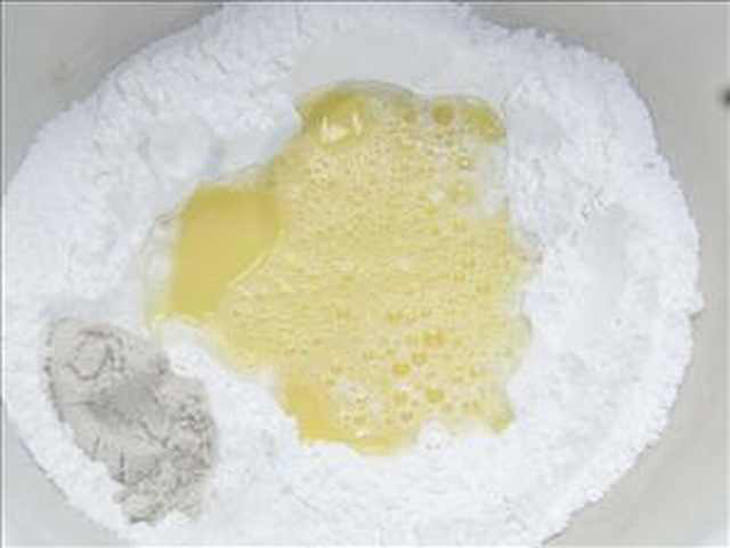
This is a great natural scrub for removing dead skin cells. To make the scrub, take 2 tablespoons of rice flour and mix it with 2-3 tablespoons of honey and vinegar. This should make a thick paste. Then, soak your feet in warm water for 10 minutes, apply the scrub on your heels and wash it off with warm water once it's dry.  
 
6. Honey
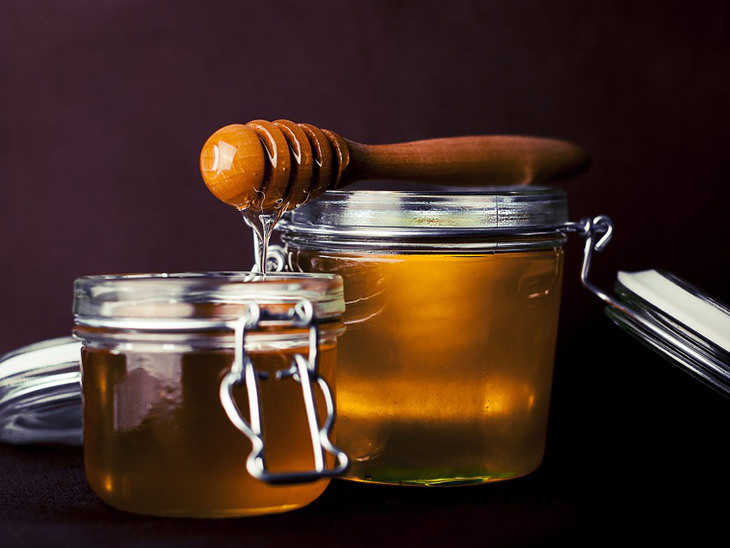
Using just honey alone can also aid your cracked heels because it has antibacterial and moisturizing properties. When you soak your feet, mix 2-3 tablespoons of honey into the warm water and soak for 15 minutes. This will leave your feet feeling moist and supple.  
 
7. Salt Water
Believe it or not, this is an excellent remedy for dry and cracking heels, and it may be why most of the beach bums you know have soft, baby-like feet. Place your feet into a bucket of salty warm water and leave them there for 15 minutes. Now remove your feet and place them in a bucket of cold water for 10 minutes. This will improve the blood circulation to your feet. 
 
8. Indian Lilac or Neem Leaves

If you are able to purchase this herb fresh or have a paste available to you at your natural foods store, this solution is most effective in the ridding of cracked heels for an extended period of time. Apply a mixture of neem leaf powder and turmeric powder to the cracked area of your heels. Leave the mixture there for 30-45 minutes and wash away the paste when you are done. Pat your feet dry. You should see results in only a few days  
 
9. Petroleum Jelly
If you regularly scrub your cracked heels with a pumice stone, and then apply petroleum jelly, this will help you get rid of the dryness. After you have scrubbed your feet with a pumice stone, apply petroleum jelly to them before you go to bed. You will wake with softer and mostly crack-free heels. 
 
10. Rosewater and Glycerin
Mix together equal amounts of rosewater and glycerin and rub the mixture over your cracked heels. If any of the fissures are open or bleeding, this could sting as a result of the glycerin (it contains alcohol). This should keep your skin soft for hours, and the mixture can be easily applied before you put on sandals or walk around barefoot outside. 
 
11. Drinking Water 
It is important to keep your body hydrated, as this will prevent your feet from going dry. You should drink 12-15 glasses of water a day to give your heels the necessary elasticity so they won't crack in the future. 
 
12. Watch Your Calcium Intake 
 To improve the state of your cracked heels, you need to watch your calcium intake. Add foods like yogurt, milk, and cheese, broccoli or fish to your diet. 
 
13. Vitamin E and Iron By adding Vitamin E to your diet, you will significantly aid in the healing of cracked heels. Foods like vegetable oils, green vegetables, nuts and whole grains are great sources of vitamin E that you should try to incorporate into your diet. Iron is also important for curing cracked heels, so make sure that you are eating enough meat, chicken, and fish. 
 
14. Omega 3 Fatty Acids  
Foods like flaxseeds, flaxseed oil, and cold water fish are known to be rich sources of Omega 3, which helps reduce the effect of cracked heels. If you suffer from cracked heels, try some of these natural and home-made remedies, and you are sure to have soft, supple feet.


This is only for your information, kindly take the advice of your doctor for medicines, exercises and so on.   

https://gscrochetdesigns.blogspot.com. one can see my crochet creations  
https://gseasyrecipes.blogspot.com. feel free to view for easy, simple and healthy recipes    
https://kneereplacement-stickclub.blogspot.com. for info on knee replacement


Labels: , , , , , , , , , , , , , ,

Sunday, May 24, 2020

16 Healthy Staples You Need in Your Pantry


1) Canned Tuna, Salmon, and/or Sardines
For a fast protein- and essential omega-3 fatty acids-packed meal, canned tuna, salmon, and sardines are a no-brainer. Pick up cans that are packed in water and low in sodium and choose brands that are wild- and sustainably-caught and low in heavy metals (e.g., mercury) to make sure you always have a quick, healthy option on hand.

2) Canned and/or Dried Beans (Chickpeas, Kidney, Black, Pinto, Fava, Aduki, and more)
Another protein-packed option that’s also loaded with fiber are beans. They can be added to almost any recipe, including salads, stews and soups, and even breads and muffins. If you choose canned, rinse them well before cooking, especially if they contain added sodium.

If you choose dried beans, an Instant Pot® or other pressure cooker allows you to prepare beans in much less time than you may think. For example, prep time with an Instant Pot is just 5 minutes and cook time is only 1.5 hours with no soaking required. Simply rinse off 1 pound of dried beans, drain them well, and add them to your Instant Pot with 8 cups of water, and you’ll have the equivalent of 5 cans of beans in no time. Admittedly, 5 cans are more than most of us can eat in a few days; fortunately, cooked beans do freeze well. And you can always make just what you need.

3) Lentils
You can’t go wrong with red or green lentils. They’re faster and easier to cook than beans (they’re done in just about 15 to 20 minutes) and don’t need to be soaked. They’re also rich in fiber and protein and taste delicious when mixed with rice or added to soups and salads.

4) Protein Powder
High-protein diets have been shown to boost metabolism, increase feelings of fullness, and improve appetite control — along with a host of other benefits. One of the easiest, most cost-effective, and convenient ways to boost your protein intake is by incorporating a quality protein powder—like those from BioTrust—into your nutrition plan. From a morning smoothie to an afternoon treat (when mixed with Greek yogurt, for example) to a nighttime snack to your favorite baked goods, you’ll find protein powders are a great addition to your healthy pantry.

5) Nuts and Seeds
For a super-fast, easy, and delicious snack, it doesn’t get much simpler than a small handful of nuts. Some options to rotate through include almonds, cashews, pecans, hazelnuts, pine nuts, pecans, pistachios, and even the common peanut. They can also be added to salads and even soups. Seeds to keep on hand to add to smoothies and other healthful recipes include chia and flax (although the latter is more nutritious when it’s ground). Seeds for snacking include pumpkin, hemp, and sunflower seeds, which also go great on a salad to add texture and flavor.

6) Oils
While most people have some oils — often olive oil as a staple — there are many other options that can add not only a variety of flavors to your meals but different levels of nutrients as well. Some other oils to consider are walnut, hazelnut, hemp, avocado, coconut, sesame, and flaxseed. Look for oils in darker, smaller bottles as oils can quickly go rancid over time when exposed to light and heat. Choose organic and cold-pressed whenever possible. It’s often better to cook with water as oils can be damaged so easily by heat, but for cooking oils, coconut, olive, avocado, and macadamia are often the most recommended.

7) Rice and Other Grains
Is it just me, or do you have a tough time deciding which grain will go best with which recipe? There’s the old standby of brown rice, of course, but then you also have amaranth, barley, black and wild rice (or even rice medleys), buckwheat, millet, and wheat berries to choose from. Although grains sometimes get a bad rap (whether it’s due to their carb content, gluten, or various anti-nutrients), when consumed in their whole forms, they pack a significant nutritional punch. Most grains also contain some prebiotic fibers, and as such, they help support a healthy gut microbiome. In addition, research has shown the wider the range of foods we eat, the more diverse our microbiome, which appears to lead to greater overall health and potentially longevity.

8) Quinoa
You may wonder why quinoa (pronounced “keen-wah”) wasn’t included as a grain (after all, it has the taste, texture, and mouthfeel of a grain). Quinoa is actually considered a seed. What’s more, it provides double the protein as brown rice along with more fiber. What’s most notable is that it is the only grain-like food with the full spectrum of amino acids, so it’s a complete protein. With its delicious nutty flavor and chewy texture, it definitely earns its place as a pantry staple.

9) Oats
Go ahead and replace all of your sugary cereals with one of the healthiest grains on earth: oats (steel-cut or rolled oats are most common). But don’t stop there: oats can be used in muffins, baked breads, and homemade granola bars. They’re loaded with vitamins, minerals, antioxidants, and fiber – notably, the “heart healthy” soluble fiber beta-glucan. Yet they’re also higher in protein than many other grains. They’ve been shown to support weight loss, stabilize blood sugar levels, and even to reduce the risk of heart disease. And like the other grains mentioned above, they also support a healthy microbiome (i.e., gut bacteria) population by providing prebiotic fiber and resistant starch, which also help you feel full longer.

10) Flour
You’ll likely want to forego the traditional white all-purpose flours and instead choose flours that pack a bit (or a lot) more nutrition. Some of the best choices include almond flour, coconut flour, Teff, quinoa flour, amaranth flour, millet flour, oats and oat bran, which will allow you to enjoy baked goods that are higher in nutrition, protein, and fiber.

11) Pasta
What? This one might be a bit unexpected, but there are numerous types of pasta out there. Sure, you can search for rice pasta, whole-wheat pasta, and others, but the ones to stock up on are the bean pastas. Trader Joe’s Organic Black Bean Rotini, for example, has one single ingredient: organic black bean flour. Other options include Explore Cuisine organic black bean spaghetti, Banza penne made from chickpeas, and Tolerant Red Lentil penne—all of them higher in protein and fiber than typical grain-based pastas. Pastas made from sprouted grains are also healthier options.

12) Pasta sauce
You come home and, gasp, you have nothing planned or prepped for dinner. What can you do? You already have your pasta, now all you have to do is grab your pasta sauce out of the pantry, heat it up as the pasta boils, and voilà, dinner is served. Of course, quality matters. While canning your own homemade sauce may be the best option, there are some tasty organic options on the market that aren’t loaded with added sugars and preservatives. A few good ones to choose from include Cucina Antica Tomato Basil or Garlic Marinara, Amy’s Organic Light in Sodium Marinara, and Newman’s Own Organics Marinara.
While you’re in the grocery store aisle, pick up a couple of cans of tomato paste as well since it’s so versatile, adding flavor and depth to everything from curries to stir-fry recipes, and grab some diced, no-salt-added tomatoes too. As a bonus, even canned tomatoes provide a great dose of lycopene.

13) Broths and Stocks
Bone broth is a growing nutrition trend due to the benefits of collagen. And you can certainly make your own and store it in the freezer. You can also purchase broths and stocks at your grocery store for a fast and ready base for soups and stews as well as to add flavor to rice, vegetables, meat dishes, and many more. (Just remember to refrigerate them after opening.)

14) Sugar Substitutes
Especially if you enjoy baking, you likely have a large bag of sugar in your pantry. But with all of the natural, lower calorie options available now, you may be able to eliminate sugar altogether or at least get rid of the need to have that large bag on hand. But don’t go for the newer diet chemical concoctions that are so prevalent as they can disrupt health (especially the gut microbiome) faster than Thanos can snap his fingers. Fortunately, nature has our back, and we can still enjoy sweet flavors without the side effects of artificial sweeteners or the blood sugar disruption and empty calories from sugar. Stevia leaf extract, xylitol, and erythritol can be used instead. In addition, don’t forget about other sugars that, though still calorie-dense, provide at least a little nutrition as well, including coconut sugar, honey, maple syrup, and molasses.

15) Vinegar
Loaded with flavor, there are so many vinegars to choose from: apple cider, rice wine, balsamic, white wine, red wine, sherry, and various fruit flavors. Mixed half and half with one of the numerous oil choices above, you’ll be able to quickly and easily create a delicious salad dressing. Vinegars also work well in numerous recipes from baked beans to salads to meat dishes.

16) Herbs and Spices
Don’t forget to load up your pantry with a delightful variety of herbs and spices. These can be used to kick up the flavor of any of the foods listed above while providing their own unique health benefits at the same time. If your pantry is rather bare right now, start with just a few of the basics — like cinnamon, garlic, ginger, and turmeric — and continue to build up as you find new flavor combinations.

Healthy Pantry Staples: A Recap
With just a little time and effort, you can transform your “SAD” old pantry into one that truly supports your efforts to build a stronger, leaner, and healthier body. And when you combine these staple foods with fresh fruits, vegetables, and quality proteins, you’ll have everything you need to enjoy a wide variety of delicious meals!

This is only for your information, kindly take the advice of your doctor for medicines, exercises and so on.     

https://gscrochetdesigns.blogspot.com. one can see my crochet creations  
https://gseasyrecipes.blogspot.com. feel free to view for easy, simple and healthy recipes    
https://kneereplacement-stickclub.blogspot.com. for info on knee replacement


Labels: , , , , , , , , , , , , , , ,