IRRITABLE BOWEL SYNDROME
What Is Irritable Bowel Syndrome?
Irritable bowel syndrome (IBS), also known as "spastic colon," is a common disorder. While most people experience digestive troubles once in a while, what sets IBS apart is belly pain and diarrhoea or constipation that comes back again and again.
Symptoms of IBS
The main symptoms of IBS are abdominal pain accompanied by a change in bowel habits. This can include constipation, diarrhoea, or both. Gas and a visibly bloated belly are also common. The condition does not damage the digestive system, but persistent pain and frequent trips to the bathroom can interfere with everyday life.
Causes of IBS
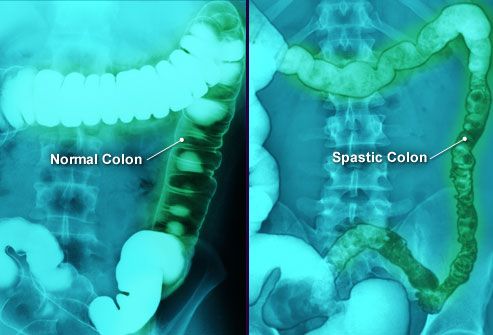
Doctors don't know the exact cause of IBS. One theory is that the signals between the brain and intestines are somehow disrupted. This miscommunication may cause abnormal intestinal muscle contractions (seen on the right) that result in cramping, pain, and fluctuations in the speed of digestion. Patients have no sign of inflamed or damaged tissue or structural abnormalities in the digestive tract.
Who can get IBS?
Anyone can get IBS, but the condition is twice as common in women as in men. It's also more likely to affect people who have a family history of IBS. Symptoms usually begin when people are in their late 20s. It's uncommon for people over 50 to develop IBS for the first time. IBS sometimes co-exists with depression or anxiety.
Diagnosis
There is no standard test to check for IBS. Doctors usually make a diagnosis based on a patient's description of the symptoms. For this reason, it's important to be candid and specific about the problems you are having. Your doctor may order tests to rule out other causes of your symptoms.
Effects of IBS on Daily Life
IBS may not put your life at risk, but it can take a significant toll on your lifestyle. During episodes of frequent, urgent diarrhoea you may find it difficult to commute to work or travel by air. You may find it necessary to map out bathrooms before going any place new. In severe cases, patients may become hesitant to eat out, see a movie, or socialize.
IBS and Stress
Whether you have IBS or not, you're probably familiar with the "butterflies in the stomach" that accompany public speaking, a college final, or other high-stakes events. Stress may trigger or worsen symptoms of IBS. This means that stress can be particularly problematic for people with IBS. IBS symptoms can cause stress, and stress can make the symptoms worse, leading to a vicious cycle.
What Triggers IBS?
The first step toward managing IBS is to identify what makes your symptoms worse. Besides stress, common triggers include eating a meal, hormonal changes, and certain medications. It's important to note that no specific foods have been universally linked to IBS symptoms. But keeping a food diary may help you pinpoint which foods are a problem for you.
How Diet Changes Helps
Your treatment strategy will depend on your specific symptoms and triggers, but many people start with diet changes. You may find it helpful to avoid caffeine, alcohol, and fatty foods. Getting more fibre or water may also improve symptoms. Suspicious foods can be eliminated one at a time. It may take some trial and error to discover which changes provide the most relief.
Probiotics
Probiotics are friendly bacteria that help reduce the growth of harmful organisms in the digestive tract. There are many kinds of probiotics, but the best known is the type found in yoghurt -- look for a label that says "active cultures." Some studies suggest probiotics may reduce the occurrence of diarrhoea but more research is needed to determine whether this includes symptoms caused by IBS.
Antidepressants and Antispasmodics
If a doctor prescribes antidepressants for IBS, this does not suggest your symptoms are "all in your head" or caused by depression. Antidepressants act on the chemical messengers in the digestive tract and can ward off pain and cramping. Antispasmodics may also be useful if cramping is a major symptom. Most medications have side effects, so be sure to discuss the pros and cons with your doctor.
Peppermint Oil
If you prefer a natural remedy, peppermint oil is worth a try. Studies suggest that it may be effective in relieving IBS symptoms. In fact, it performed better than a placebo at relieving symptoms in some people with IBS. Look for enteric-coated capsules, which are less likely to cause heartburn -- and check with your doctor first if you're taking other medications.
Psychotherapy
Because stress is known to make IBS worse, stress management can be highly beneficial. Cognitive-behavioural therapy is a form of psychotherapy that helps you replace negative thoughts with more positive or realistic ones. This can reduce stress, which in turn, reduces the pain and digestive symptoms associated with IBS. Therapy can also help you learn coping strategies for when your symptoms do flare up.
Biofeedback
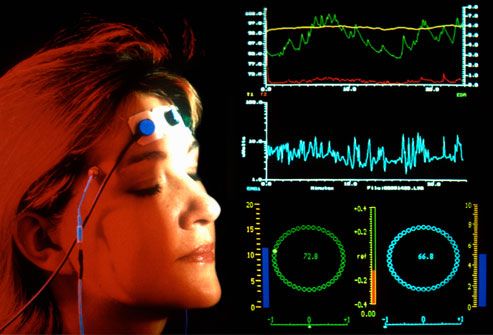
Biofeedback teaches patients to recognize and change their body's response to stress. After a few sessions, many people are able to slow down their heart rate and enter a more relaxed state. This can be useful in relieving both the stress and symptoms of IBS.
Relaxation Therapy
Many people can learn to calm themselves through meditation, guided imagery, deep breathing, or other relaxation therapies. Studies suggest these techniques can help with a variety of IBS symptoms, including pain, diarrhoea and constipation. With practice, it's possible to use relaxation techniques just about anywhere.
Long-Term Prognosis
IBS is a chronic condition, and patients may experience quieter periods followed by flare-ups. Keeping a personal diary of food, feelings, and symptoms can help uncover hidden triggers when people are first diagnosed -- and if IBS begins to interfere with daily life again. Over time, the symptoms of IBS typically do not get worse. IBS is not life-threatening and does not lead to more serious conditions, such as inflammatory bowel disease or cancer.
ps- this is only for information, always consult you physician before having any particular food/ medication/exercise/other remedies.
Irritable bowel syndrome (IBS), also known as "spastic colon," is a common disorder. While most people experience digestive troubles once in a while, what sets IBS apart is belly pain and diarrhoea or constipation that comes back again and again.
Symptoms of IBS
The main symptoms of IBS are abdominal pain accompanied by a change in bowel habits. This can include constipation, diarrhoea, or both. Gas and a visibly bloated belly are also common. The condition does not damage the digestive system, but persistent pain and frequent trips to the bathroom can interfere with everyday life.
Causes of IBS
Doctors don't know the exact cause of IBS. One theory is that the signals between the brain and intestines are somehow disrupted. This miscommunication may cause abnormal intestinal muscle contractions (seen on the right) that result in cramping, pain, and fluctuations in the speed of digestion. Patients have no sign of inflamed or damaged tissue or structural abnormalities in the digestive tract.
Who can get IBS?
Anyone can get IBS, but the condition is twice as common in women as in men. It's also more likely to affect people who have a family history of IBS. Symptoms usually begin when people are in their late 20s. It's uncommon for people over 50 to develop IBS for the first time. IBS sometimes co-exists with depression or anxiety.
Diagnosis
There is no standard test to check for IBS. Doctors usually make a diagnosis based on a patient's description of the symptoms. For this reason, it's important to be candid and specific about the problems you are having. Your doctor may order tests to rule out other causes of your symptoms.
Effects of IBS on Daily Life
IBS may not put your life at risk, but it can take a significant toll on your lifestyle. During episodes of frequent, urgent diarrhoea you may find it difficult to commute to work or travel by air. You may find it necessary to map out bathrooms before going any place new. In severe cases, patients may become hesitant to eat out, see a movie, or socialize.
IBS and Stress
Whether you have IBS or not, you're probably familiar with the "butterflies in the stomach" that accompany public speaking, a college final, or other high-stakes events. Stress may trigger or worsen symptoms of IBS. This means that stress can be particularly problematic for people with IBS. IBS symptoms can cause stress, and stress can make the symptoms worse, leading to a vicious cycle.
What Triggers IBS?
The first step toward managing IBS is to identify what makes your symptoms worse. Besides stress, common triggers include eating a meal, hormonal changes, and certain medications. It's important to note that no specific foods have been universally linked to IBS symptoms. But keeping a food diary may help you pinpoint which foods are a problem for you.
How Diet Changes Helps
Your treatment strategy will depend on your specific symptoms and triggers, but many people start with diet changes. You may find it helpful to avoid caffeine, alcohol, and fatty foods. Getting more fibre or water may also improve symptoms. Suspicious foods can be eliminated one at a time. It may take some trial and error to discover which changes provide the most relief.
Probiotics
Probiotics are friendly bacteria that help reduce the growth of harmful organisms in the digestive tract. There are many kinds of probiotics, but the best known is the type found in yoghurt -- look for a label that says "active cultures." Some studies suggest probiotics may reduce the occurrence of diarrhoea but more research is needed to determine whether this includes symptoms caused by IBS.
Antidepressants and Antispasmodics
If a doctor prescribes antidepressants for IBS, this does not suggest your symptoms are "all in your head" or caused by depression. Antidepressants act on the chemical messengers in the digestive tract and can ward off pain and cramping. Antispasmodics may also be useful if cramping is a major symptom. Most medications have side effects, so be sure to discuss the pros and cons with your doctor.
Peppermint Oil
If you prefer a natural remedy, peppermint oil is worth a try. Studies suggest that it may be effective in relieving IBS symptoms. In fact, it performed better than a placebo at relieving symptoms in some people with IBS. Look for enteric-coated capsules, which are less likely to cause heartburn -- and check with your doctor first if you're taking other medications.
Psychotherapy
Because stress is known to make IBS worse, stress management can be highly beneficial. Cognitive-behavioural therapy is a form of psychotherapy that helps you replace negative thoughts with more positive or realistic ones. This can reduce stress, which in turn, reduces the pain and digestive symptoms associated with IBS. Therapy can also help you learn coping strategies for when your symptoms do flare up.
Biofeedback
Biofeedback teaches patients to recognize and change their body's response to stress. After a few sessions, many people are able to slow down their heart rate and enter a more relaxed state. This can be useful in relieving both the stress and symptoms of IBS.
Relaxation Therapy
Many people can learn to calm themselves through meditation, guided imagery, deep breathing, or other relaxation therapies. Studies suggest these techniques can help with a variety of IBS symptoms, including pain, diarrhoea and constipation. With practice, it's possible to use relaxation techniques just about anywhere.
Long-Term Prognosis
IBS is a chronic condition, and patients may experience quieter periods followed by flare-ups. Keeping a personal diary of food, feelings, and symptoms can help uncover hidden triggers when people are first diagnosed -- and if IBS begins to interfere with daily life again. Over time, the symptoms of IBS typically do not get worse. IBS is not life-threatening and does not lead to more serious conditions, such as inflammatory bowel disease or cancer.
ps- this is only for information, always consult you physician before having any particular food/ medication/exercise/other remedies.
ps- those interested in recipes are free to view my blog-
http://gseasyrecipes.blogspot.com/
for info about knee replacement, you can view my blog-
http://Knee replacement-stick club.blogspot.com/
for crochet designs
http://My Crochet Creations.blogspot.com/
I've not given details about designs, but those interested are free to mail me for the same.
http://gseasyrecipes.blogspot.com/
for info about knee replacement, you can view my blog-
http://Knee replacement-stick club.blogspot.com/
for crochet designs
http://My Crochet Creations.blogspot.com/
I've not given details about designs, but those interested are free to mail me for the same.
Labels: anti-depressant, anti-pasmodics, bio-feedback, constipation, Depression, diarrhoea, digestive tract cancer, irritable bowel syndrome(IBS), oil, Peppermint, probiotics, psychotherapy, relaxation, stress
posted by G S Iyer at 10:33 PM
0 comments