Saturday, October 02, 2021

These Foods Will Help Improve Your Mood

Anxiety and depression are two of the most common mental disorders in the US, affecting over 40 million adults. While they are easy to manage and treat, only 36.9% of those suffering receive treatment. Studies have shown that the food that we eat can alter our moods and bring about some positive changes in our lives. 
 
Below you’ll find a list of foods that you should eat and those that you should avoid in order to stay happy and positive. These can easily be found at your local stores, so you can add them to your weekly meal plan, giving yourself a much-needed boost of happiness.  
 
1. Potato Chips vs. Popcorn
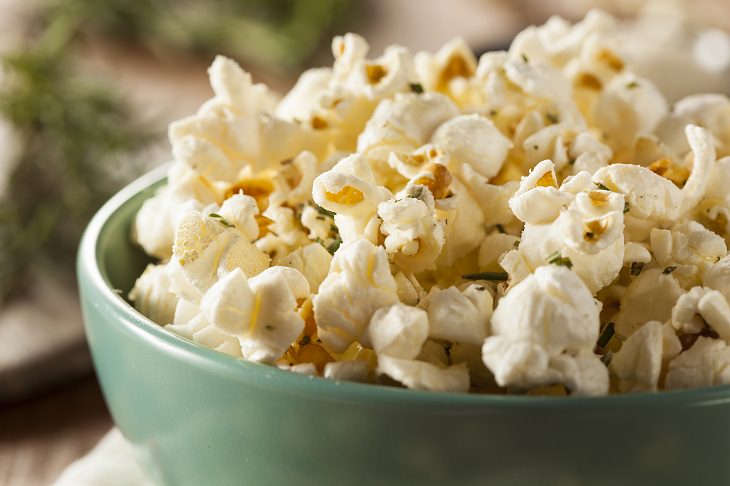
Foods to Improve Your Mood
It’s no secret that potato chips are an unhealthy choice of snack – they’re fried in saturated oil full of omega-6 fatty acids. These acids can make you feel low by blocking mood-enhancing omega-3 fatty acids. For happy feelings, you should snack on popcorn. It’s rich in carbohydrates which causes your serotonin levels to soar, making you feel happy and relaxed.

2. Milk Chocolate vs. Dark Chocolate 
Dark chocolate contains anandamide, a compound that helps make you feel calm and relaxed. It’s also known to block feelings of sadness and pain. For the best results, consume chocolate that contains at least 72% cacao and less than 5 grams of sugar. Research has shown that after enjoying some dark chocolate, people are more likely to help others.  
 
3. Non-Organic Bananas vs Organic Bananas
Bananas are full of mood-enhancing elements such as dopamine and vitamin B6. Eating one in the morning will ensure that you’re happy throughout the day. However, make sure that the banana is organic as the pesticides that are often sprayed on non-organic fruit contains neurotoxins which can adversely affect your mood. 
 
4. Soft Drinks vs. Green Tea 
We are all aware that soft drinks aren’t good for our health, but they’re also not good for our mood either. These drinks contain a high concentration of carbohydrates which can instantly boost your mood, but your raised sugar levels come crashing down faster than they go up, giving you a giant mood swing. As an alternative, drink green tea. The theanine present in green tea helps to fight anxiety and makes you feel more relaxed. 
 
5. Ham vs. Salmon
Processed meat often comes from animals that are not fed healthy food. Furthermore, they’re often injected with preservatives, dyes, and nitrates which are known to cause depression and mood swings. Opt for salmon instead as it contains vitamin D and omega-3 fatty acids, two nutrients that have been shown to increase levels of the feel-good neurotransmitter, serotonin. 
 
 6. Sugar vs. Honey 
While the health conscious among us might avoid adding sugar to our tea or coffee, it often still finds its way into our diets. Consuming sugar will momentarily provide us with a lot of joy, but when the initial rush wears off, it can lead to anxiety and depression. Honey is a great healthy alternative to sugar. It contains kaempferol and quercetin that help prevent depression by reducing inflammation in the brain.  
 
7. Salted Nuts vs. Cherries
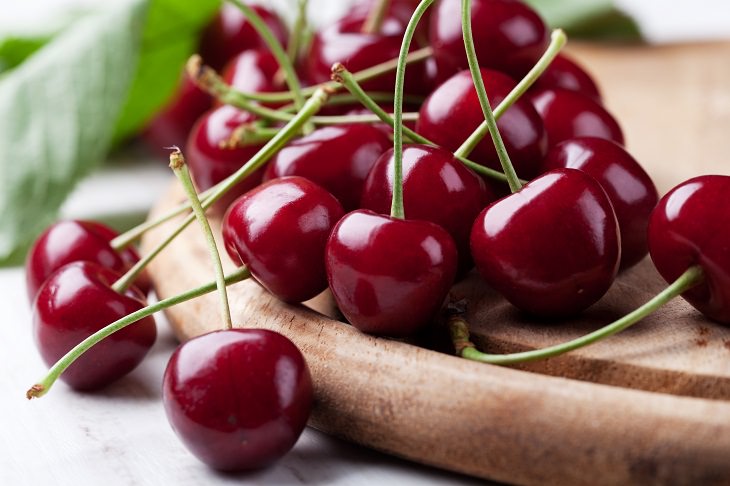
Foods to Improve Your Mood
Cherries are a great source of melatonin, a hormone that helps you sleep well. Furthermore, cherries are natural painkillers and can help make you feel relaxed. Therefore, instead of feasting on store-bought peanuts which often contain high levels of monosodium glutamate and sodium that are known to cause headaches and mood swings, eat some tasty cherries. 
 
8. Deli Meat vs. Turkey 
Cold cuts might seem like an easy and tasty option, but the colorings, preservatives, and additives that are in them can leave you with headaches and mood swings. Even though it’s much more time consuming, it’s much better to cook a turkey and slice it up yourself. 
 
9. Soy Yogurt vs. Spinach
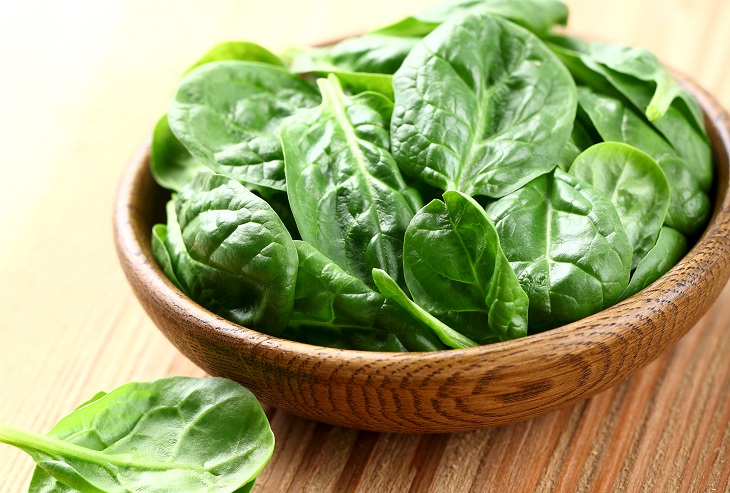
Foods to Improve Your Mood
Soy yogurt is made by adding bacteria to soy milk. It can help your digestive system, but the omega-6 fatty acids present in it blocks the mood enhancing omega-3 fatty acids. On the other hand, spinach is rich in omega-3 and folates which regulate our mood by boosting the levels of serotonin in the body. 
 
10. Salt vs. Black Pepper Powder 
Eating too much salt can increase our blood pressure, which, in turn, can lead to depression and bad moods. Black pepper powder is another seasoning that can be added to your food, but unlike salt, it won’t make you depressed or put you in a bad mood. In fact, black pepper contains the compound piperine, which has been found to fight depression and increase the cognitive function of the brain.


This is only for your information, kindly take the advice of your doctor for medicines, exercises and so on.   

https://gscrochetdesigns.blogspot.com. one can see my crochet creations  
https://gseasyrecipes.blogspot.com. feel free to view for easy, simple and healthy recipes    
https://kneereplacement-stickclub.blogspot.com. for info on knee replacement

Labels: , , , , , , , , , , , , , , , ,

Saturday, September 28, 2019

10 Surprising Health Benefits and Uses of Sabja Seeds (Basil Seeds) for Hair, Skin and Weight Loss

Many of us in the modern times are not aware of the uses, nutritional facts and medicinal values of basil seeds. Whenever you get time, especially in the summer season, visit your grandmother place and ask her about the importance of Sabja seeds. She will tell you or make delicious basil seeds recipes. I also come across to one of the yummy Sabja seeds recipes when I visited to my dearest friend’s house in the scorching heat of June. It was none other than basil seeds Lemonade drink. How can I express the luscious taste of the drink? It was refreshing, succulent and tendency of filling the stomach. After quenching my thrust, I got to know the ingredients of this appetizing recipe from my friend’s mother. It was quite simple that can be made within 10-15 minutes by using cold water, lemon juice, sugar and Sabja seeds. I vow to try the recipe at my place. Since then, it is the regular drink at my home in the summer season.Health benefits of Basil Seeds

Wonder benefits of basil seeds

As far as health benefits are concerned, the seeds are full of fiber and known for many surprising health benefits. These seeds are used in making falooda, sherbet, milkshakes and other popular health drinks. It is known worldwide as one of the ingredients for sweet Asian drinks. However, like Chia seeds, it is comparatively less tasty.
  1. Basil seeds for weight loss: Sabja seeds can be used for weight management purposes. It is full of fiber that makes your stomach full and don’t feel hunger to a certain period of time. After soaking into water, it has the ability to expand 30 times of its original sides thus reduces longing for eating more.
  2. Sabja seeds for hair: The seeds contain adequate amount of vitamin K, protein and iron. These nutrients are helpful to make your hair healthy and shining. So, it is suggested to include it in your daily diet requirements to skip embarrassment from hair loss and baldness.
  3. Basil seeds for healthy skin: The mix of Sabja seeds and coconut oil is effective to ward off many skin related diseases. Method: Take 100 ml of coconut oil and 1tsp of crush basil seeds. Now heat the mixture for 5 minutes. Strain and apply it over your skin to cure skin related problems like psoriasis, eczema, etc.
  1. Basil seeds for acidity: Acidity problems are very common these days due to faulty lifestyle and wrong dietary pattern. Sabja seeds are having cooling and soothing effects on the stomach. Method: Take milk (1 cup) and basil seeds (1tsp), stir it well and drink the same to reduce burning sensation in your stomach.
  2. Sabja seeds for diabetes treatment: The seeds are good in curing of type 2 diabetes by lowering down the sugar in blood. Method: Take soaked basil seeds (1tsp), toned milk (1 glass) and vanilla for flavor. It helps to give you energy sans sugar.
  3. Relieves constipation: The soaked Sabja seeds when eaten helps to cleanse the inner stomach. It ensures easy bowel movement and helps to flush out toxin from the stomach. It is also taken with milk before going to bed to ease constipation.
  4. Acts as coolant: These seeds are used to lower body heat that’s why as one of the important ingredients in summer for a number of cool drinks such as falooda, rooh afza, nimbu pani and sherbet.
  5. Nutritional values of basil seeds: The seeds contain many phyto-chemicals and polyphenolic flavonoids like Orientin, vicenin and other antioxidants. The leaves are rich in essential oils like eugenol, citronellol, limonene, citral and terpineol. It contains beta carotene, lutein, zeaxanthin, vitamin A and vitamin K. It also contains important minerals like potassium, manganese, copper, calcium, folates, and magnesium.
  6. Sabja Seeds recipes: Rooh afza, milkshake, Indian lemonade, paan gulkand milkshake, strawberry falooda, mango falooda, mango sherbet, rose milk recipe, nimbu panni, Shikanji, nannari sharbat, bel sharbat, etc. are some of the important healthy recipes of it
  7. Medicinal values: Medicinally, it can be used to treat digestion problems, cure constipation, removes skin infection, respiratory disorder, sore throats and stress relief
Common names of basil seed
The scientific name of Sabja seeds is Ocimum basilicum. The different common names of basil seed are Sabja seeds, Falooda, Arabic falooda seeds, Sabja ginjalu, Thai holy basil, Selashi Tukmaria, Sabja Vethai, Hazbo, Tuk malanga, Basilic cultive, Basilien Kraut, and sweet basil seeds. These seeds are the product of rudra jada plant that comes under Tulsi family but shouldn’t be mistaken with holy basil or Tulsi.
Side-effects of Sabja seeds
The children and elderly people should avoid to take it as the seeds may choke due to improper imbalance of water and seeds. Pregnant mother should skip it as the seeds lower down the level of estrogen.

this is only for your information, kindly take the advice of your doctor for medicines, exercises and so on.   
https://gscrochetdesigns.blogspot.com. one can see my crochet creations 
 

https://gseasyrecipes.blogspot.com. feel free to view for easy, simple and healthy recipes    
https://kneereplacement-stickclub.blogspot.com. for info on knee replacement


Labels: , , , , , , , , , , ,

Friday, December 09, 2016

Extremely Healthy Common Herbs & Spices

Chives
 Low in calories (100 grams of it contain only 30 calories), chives are rich in dietary fiber, with 100 grams containing 7% of your daily intake. Chives are also rich in antioxidants, such as allicin, which is shown to reduce cholesterol production and has anti-fungal, anti-bacterial and anti-viral properties. Allicin also helps reduce blood pressure and helps prevent strokes, coronary artery disease, and peripheral vascular diseases.

Chives also contain vitamin A and antioxidants, such as carotenes, zea-xanthin, and lutein, which together offer the human body protection from lung and oral cancer. Furthermore, chives are one of the best sources for vitamin K in nature, which helps limit neuronal damage in the brain and is essential for the treatment of Alzheimer’s.

Packed with minerals such as copper, iron, manganese, zinc and calcium, these leafy greens contain several vital vitamins such as B-6, B-5, B-3, B-2, and B-1 in healthy proportions.

Cilantro
 
Cilantro contains many antioxidants, essential oils, vitamins and dietary fibers that help reduce bad cholesterol (LDL) and raise good cholesterol (HDL). The leaves and seeds contain oils such as borneol, linalool, cineole, cymene, terpineol, dipentene, phellandrene, pinene, and terpinolene, and the stems are rich in polyphenolic flavonoids (such as quercetin, kaempferol, rhamnetin, and epigenin).

Cilantro is a good source of minerals like potassium, calcium, manganese, iron and magnesium, which help control heart rate and blood pressure. It is also rich in many vitamins like folic acid, B-2, B-3, vitamin A, beta-carotene and vitamin C (all are essential to your health). Some 100 grams of cilantro leaves provide you with 30% of the daily recommended levels of vitamin C (a powerful antioxidant).

Vitamin A is required for maintaining skin and mucous membrane health. It is also essential for vision, and like chives, cilantro is also rich in vitamin K.

Basil

Basil contains oils such as eugenol, citronellol, linalool, citral, limonene and terpineol, which have anti-inflammatory and anti-bacterial properties. Basil is very rich in beta-carotene, vitamin A, cryptoxanthin, lutein and zea-xanthin. These help protect against free radicals (that play a role in aging and various disease processes). Zea-xanthin was found to filter harmful UV rays and protect your eyes' retinas.

Basil contains a good amount of minerals like potassium, manganese, copper, and magnesium. All help to control heart rate and blood pressure. Basil leaves are an excellent source of iron - a component of hemoglobin inside your red blood cells.

Dill
Dill sprigs and seeds contain many essential oils (d-carvone, dillapiol, DHC, eugenol, limonene, terpinene and myristicin) and have been used as a local anesthetic and anti-septic. Dill was also found to reduce blood sugar levels in people with diabetes. Oil extracted from the seeds has anti-spasmodic, carminative, digestive, disinfectant and sedative properties, and is rich in B-9, B-2, B-3, vitamin A, beta-carotene and vitamin C.

Dill is a great source of minerals such as copper, potassium, calcium, manganese, iron, and magnesium. Copper is essential for many of the body's vital enzymes (like cytochrome c-oxidase and superoxide dismutase).

Zinc is an essential component in many enzymes that regulate the body's growth and development, sperm production, digestion and nucleic acid synthesis. Potassium is important for cell and body fluids that assist with controlling heart rate and blood pressure. Manganese is essential for the antioxidant enzyme, superoxide dismutase.

 
Thyme
Thyme has disease-preventing and health-promoting properties. It contains thymol, an essential oil, which has been found to have antiseptic and anti-fungal characteristics. Thyme contains flavonoid phenolic antioxidants, like zea-xanthin, lutein, pigenin, naringenin, luteolin, and thymonin.

Thyme leaves are one of the best sources of potassium, iron, calcium, manganese, magnesium, and selenium, and are a rich source of many important vitamins such as B-complex vitamins, beta-carotene, vitamin A, vitamin K, vitamin E, vitamin C and B-9.

Thyme provides about 27% of our recommended daily intake of vitamin-B-6 - a beneficial neurotransmitter for the brain, that helps with reducing stress. Fresh thyme is one of the richest in antioxidant among all herbs.

Turmeric
Turmeric has been in use since ancient times. Known for its anti-inflammatory, carminative and anti-microbial properties, it also contains essential oils such as termerone, curlone, curumene, cineole, and p-cymene. ​
Curcumin is the pigment that gives turmeric its orange color. Studies suggest that curcumin may have anti-tumor, anti-oxidant, anti-arthritic, anti-amyloid, anti-ischemic, and anti-inflammatory properties. Turmeric is rich in antioxidants and dietary fiber, which help control bad cholesterol levels.

Turmeric is a rich source of many vitamins such as B-6, choline, B-3, B-2 and more. B-6 is used in the treatment of CBS deficiency, anemia and even radiation sickness. B-3 helps prevent dermatitis, and B-2 helps the body convert carbohydrates into sugar, which in turn gives us energy.

Fresh turmeric root contains high levels of vitamin C, which helps the body develop immunity against infections and remove harmful free radicals. Turmeric also contains healthy amounts of minerals like calcium, iron, potassium, manganese, copper, zinc and magnesium.

Rosemary
Rosemary leaves contain certain phytochemicals that are known to have disease-preventing and health-promoting properties. The herb parts, (especially the flower tops) contain phenolic antioxidant rosmarinic acid, as well as numerous oils that are beneficial to human health, such as cineol, camphene, borneol, bornyl acetate, alpha-pinene, and more. These compounds are known to reduce irritations and inflammations, as well as for having anti-fungal, antihistaminic and antiseptic properties

Rosemary contains very good amounts of vitamin A, and is exceptionally rich in many B-complex groups of vitamins, such as B-9, B-5, B-6, and B-2. It also contains high levels of folates, which are important for DNA synthesis.

Fresh rosemary leaves are a good source of vitamin C, which is required for collagen synthesis in the body (collagen is required for maintaining the integrity of blood vessels, skin, organs, and bones). Regular consumption of foods rich in vitamin C protects the body from scurvy, boosts its immunity and helps clear it of free radicals.

Fresh or dried, rosemary is a rich source of minerals like potassium, calcium, iron, manganese, copper, and magnesium, and it is an excellent source of iron (a component of hemoglobin inside red blood cells, which determines the oxygen-carrying capacity of the blood).

Parsley
Parsley contains essential oils like myristicin, limonene, eugenol, and alpha-thujene, as well as flavonoids, including apiin, apigenin, crisoeriol, and luteolin. Many of these (particularly myristicin) have been shown to inhibit the formation of tumors in the lungs. ​
Myristicin also activates the enzyme glutathione-S-transferase, which helps attach the molecule glutathione to oxidized molecules that can be very harmful to the body. The oils in parsley qualify it as a "chemoprotective" food, meaning it can help neutralize particular types of carcinogens.

The flavonoids in parsley (especially luteolin) function as antioxidants, halting the damage that free radicals cause to the body. Additionally, extracts from parsley will help increase antioxidant capacity in the blood.

Parsley is an excellent source of vitamin A and vitamin C, and is helpful with preventing recurrent ear infections and colds.

Beta-carotene (another important antioxidant in parsley), is known to reduce risk of the development and progression of certain conditions, such as diabetes, atherosclerosis and colon cancer. It may also help with reducing asthma attacks and some forms of arthritis.


 this is only for your information, kindly take the advice of your doctor for medicines, exercises and so on.

https://gscrochetdesigns.blogspot.com. one can see my crochet creations
https://gseasyrecipes.blogspot.com. feel free to view for easy, simple and healthy recipes 
https://kneereplacement-stickclub.blogspot.com. for info on knee replacement

Labels: , , , , , , , , , , , , , , , , , , ,