Can Coconut Oil Be Used to Help Promote Weight Loss?
If you're looking to lose that last ten pounds or maintain the weight
you're at, using coconut oil in your diet can be just the thing to help
you lose weight. Initially, coconut oil hadn't been favored by health
advocates because of its high saturated fat content. Though it has since
been deemed healthier and can successfully help people shed a couple of
pounds over time.
Coconut oil may consist of 90% saturated fat, though scientists state
that its fat is largely made up of lauric acid - a medium-chain
saturated fatty acid (MCT) that has a better effect on the heart than
other saturated fats. 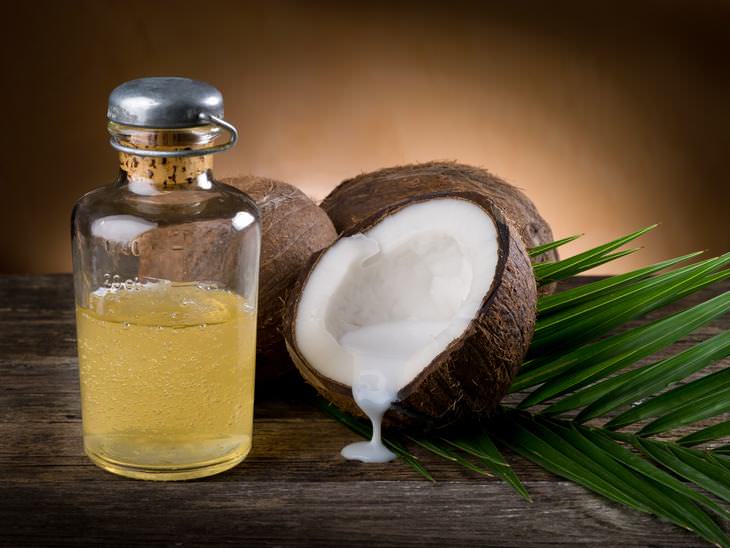 Coconut oil is comprised of 90% saturated fat, though scientists say
that its fat is mostly made up of lauric acid, a medium-chain saturated
fatty acid (MCT) which has a better effect on the heart than other
saturated fats. So, in order to promote better health and lose weight,
it's better to use coconut oil.
Coconut oil is comprised of 90% saturated fat, though scientists say
that its fat is mostly made up of lauric acid, a medium-chain saturated
fatty acid (MCT) which has a better effect on the heart than other
saturated fats. So, in order to promote better health and lose weight,
it's better to use coconut oil.
To support these claims, countries like India and the Philippines whose
diets prominently feature coconuts and coconut products have conducted
reports. It was found that citizens from such countries tend to have
fewer weight issues and also have minimal rates for cardiac diseases in
comparison to individuals from the developed world.
But how can coconut oil, be beneficial for weight loss?
According to studies, when it comes to losing weight, your metabolism
plays a big role. So, the faster you can get your metabolism to rise,
the more calories your body will burn. Coconut oil is also different
from most other fats we consume in our diet. While most oils mostly
contain long-chain fatty acids (LCT), coconut oil consists predominantly
of medium chain fatty acids (MCT). However, when it comes to these
medium chain fatty acids (MCTs) they are generally metabolized
differently than the longer chain fats. Reduced chain lengths mean that
MCTs are absorbed by the body quicker, and are therefore metabolized
(burned) as fuel. Consequently, a quicker metabolism is established.
Therefore, as opposed to fat being stored, the calories in MCTs are very
efficiently converted into fuel for immediate use by organs and muscles
in our body.
In one particular study, it was found that the effects of MCT oil on
weight when compared between rats who were overfed with either long
chain or medium chain fats, found that the rats fed the medium chain
fats gained 20% less weight and 23% less body fat. In addition, coconut
oil has also been considered 'thermogenic'. This essentially means that
when you eat it, it tends to increase the amount of fat burning going on
in your body more so than the other oils you could be consuming.
Other studies about MCT oil and weight loss found that relatively low-to-moderate intact of MCT (15-30g per day) as part of a person's diet may play a role in controlling human body composition by enhancing daily energy expenditure by 5% which equates to 120 calories per day. In another study conducted on obese women, it was found that long-term consumption of MCT enhances energy expenditure when compared to long chain fatty acids consumption. Other studies also discovered that coconut oil helps reduce appetite. In fact, in the Journal of Nutrition, animal studies of rats fed on MCT. The rats felt more satisfied, which lead to a reduction in calorie intake.
In another smaller study, this time conducted on men, it was found that
consuming high amounts of MCTs caused them to automatically consume
fewer calories per day. Another study found that men who ate MCTs at
breakfast delayed their need for lunch. It was also found that their
lunch was significantly smaller compared to the low-fat breakfast.
How to Use Coconut Oil for Weight Loss
Essentially, there are two types of coconut oil - virgin and refined. Virgin coconut oil is made from pressing coconut meat, milk or milk residue. Refined coconut oil is made from the coconut copra or dried kernel and may be chemically treated. For this reason, it's always best to use virgin coconut oil because it is prepared with no chemicals in the process. You can use coconut oil in several ways, these include:
1. Nut butters: Nuts are healthy for the body and nut butter is good for your health and weight loss. To prepare this, grind two cups of cashews or almonds with two tablespoons of coconut oil until smooth and buttery. For added taste, you can add some honey, ground coffee, cinnamon or maple syrup to add more flavor. Then you can spread over toast, English muffins, or bagels - making a delicious and healthy breakfast.
2. Baked foods: Coconut oil can be used under high temperatures and can be used to replace butter when baking foods like cookies, muffins, cakes, and brownies. It can also be used to substitute other oils (as well as butter) in nearly all baking recipes. To bake with coconut oil, all you need to do is replace the oil in the other recipe with coconut oil using a 1:1 ratio. Virgin coconut oil has a long shelf life and takes a few years to go off.
3. Roasted vegetables: Vegetables like zucchini, beets, sweet potatoes, and butternut squash can be brushed with a mixture of thyme, lemon juice, coconut oil, salt, and pepper giving them a desirable coconut flavor. you can saute them using coconut oil or brushing them with it and cooking them on the grill.
4. Popcorn: Coconut oil can be used to pop corn-kernels instead of the normal vegetable fat. Just hold off on the butter to maximize your weight loss regimen.
5. Smoothies: Coconut oil can be added to your smoothies and other
beverages including your morning coffee.
General guidelines when using coconut oil
1. When you use coconut oil you may notice that after some time, it has solidified. This is due to the fact that the oil usually solidifies at 76 degrees Fahrenheit. In its solid state, it is completely safe to use.
2. If you wish to consume coconut oil by tablespoon, the recommendation is to take up to 3 tablespoons daily per adult.
3. Be aware that coconut oil is fat. It contains 9 calories per gram. So, if you want to use coconut oil to lose weight you need to take into consideration the added calorie intake of the coconut oil, especially if you consume a fixed amount of calories.
4. If you don't count calories, adding coconut oil to your diet will reduce your appetite and make you eat less.
5. What is recommended is that you replace some of your other cooking
fats with coconut oil.