Wednesday, May 20, 2026

Be Careful of These 8 Home Items Around the Kids

 While raising children can be one of the most joyous times in our lives, we have a primal urge to keep them safe and happy. However, there are a number of products that have been proven to increase the incidence of childhood injuries, and in some more dangerous cases, fatalities. So, in order to help raise awareness and keep our children safe, here's a list of products that require an increased level of caution.

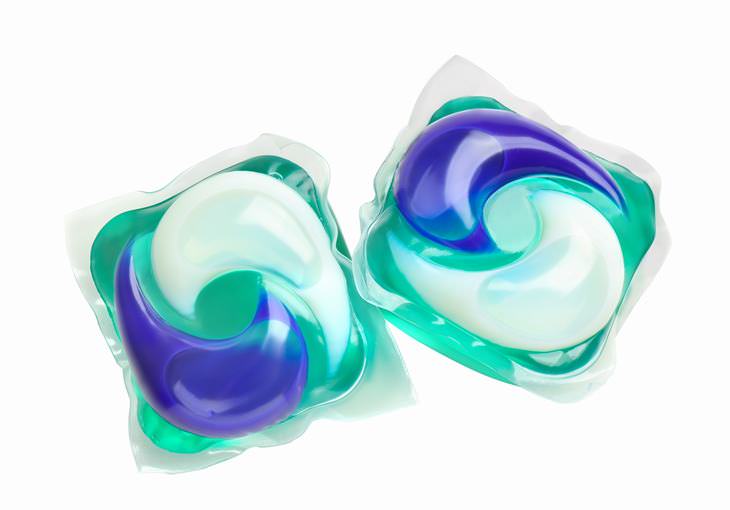
1. Laundry detergent pods
 items dangerous for kids

If swallowed, laundry pods can cause poisoning and burns to the mouth, throat, and stomach. Other than ingestion, if the liquid leaks or is squeezed from the pod, it can cause severe skin and eye irritation and burns. It can also damage the lungs if your child breathes it in. If you suspect that your child has ingested or had some form of contact with an open detergent pod, call a doctor immediately. 

2. Balloons and other small objects 

Balloons are a great way to brighten up a party. But, they cause more childhood deaths than any other toy. Balloons, especially those made of latex, conform to the shape of the narrow windpipe in children. This leads to choking. Other small objects like batteries, magnets, marbles and bottle caps can also lead to occlusions of the windpipe. If you notice your child choking, give them several firm blows to the upper back while they are in a forward position. Be sure to call an ambulance.

3. Pet food items dangerous for kids

Pet food, though not poisonous to humans can cause children to become sick after ingesting dry cat or dog food. The most dangerous is dry food pellets, usually given to large dogs. This can result in a choking hazard for kids. 

4. Toys with propellers 

Small, hand-operated drones cause an increased risk of injury. In one situation, a child had his eye cut out by a drone propellor. While they can indeed be fun toys to play with, do follow the safety precautions. 

5. Trampolines
While trampolines can be a fun addition to the backyard, they do come with a number of risks. According to the EU Injury Database, approximately 51,000 children aged 0-14 require an emergency department visit every year due to injuries sustained from using a trampoline. In the United States, that number is closer to 250,000 

6. Toy Chests 

If you keep your child's toys in a chest with a heavy lid, it's probably best to remove the lid or to use open storage boxes. Heavy lids pose an injury risk if the toddler were to have a body part reaching into the open lid and it wasn't secured. Reported incidents have also noted cases of suffocation when a child has become trapped within the box. Most modern toy chests have added safety elements to help prevent injury. Alternatively, open boxes and play areas can be a safer alternative. 

7. Certain houseplants

 
items dangerous for kids

While houseplants can be aesthetically pleasing for your home and garden, some can be quite toxic and lethal if eaten. Philodendron, oleander, and peace lilies are three common examples. Should an incident occur, call an ambulance. 

8. Candy 

 Candy can be a real choking hazard, depending on the age of the child. Be especially aware of sour hard candies, like Warheads, which have been reported to have caused burns and erosion to children's mouths. So either proceed with caution or avoid them altogether.


This is only for your information, kindly take the advice of your doctor for food, medicines, exercises and so on.   


Labels: , , , , , , , ,

Tuesday, May 12, 2026

Foods Children Are More Likely to Choke On

Warnings are forever being issued to parents about which household items and toys are choking hazards to small children. We carefully read the labels, listen to news reports, and do our best to be vigilant about what the little ones are sticking in their mouths.

This should also include food. Since their airways are still small, young children are at greater risk of swallowing bits of food that are too large, which can lead to choking. Whether you’re feeding them, or they’re eating by themselves, accidents can easily happen. 

According to the American Academy of Pediatrics, food accounts for half of choking incidents in small children. To help prevent this, they’ve highlighted which foods pose the biggest risk to children under the age of 4: 

1. Nuts Foods Children Are More Likely to Choke On
Nuts can easily get caught in a child’s airway due to their size. To add to this, tiny teeth might not be able to handle chewing whole nuts, so avoid giving them nuts altogether. Sometimes, the shells from the nuts can restrict airways too. Before giving your child nuts, you should wait until they’re well over the age of 4, can sit while eating, and have learned how to chew their food completely.

2. Candy 

Besides leading to cavities, hard candy such as lollipops send thousands of kids to the ER every year. Even a small piece can get stuck in a child’s throat. Avoid giving hard candy and marshmallows to your child until they’re over the age of 5 and can chew thoroughly. 

3. Grapes 

 Due to their size and slippery texture, grapes are a major choking hazard. Doctors suggest a no-grape policy for kids under 4 or cutting them into quarters before serving them to children. Similarly shaped foods like cherries should also be avoided at this age.

4. Hot Dogs

According to John Hopkins, one of the biggest threats to kids under the age of 3 is hot dogs - even if you cut them up. Choking on a small piece of hot dog can lead to hospitalization if you’re not careful. If you still want to give a small child hot dogs, make sure to cut them into thin strips. 

5. Meat and Cheese Chunks 

Like hot dogs, chunks of cheese and meat are difficult for growing toddlers to chew. Food should be diced so that it’s no larger than ½ inch, and your child should be supervised at all times while eating these foods. 

6. Peanut Butter 

 Nut butters can get stuck to the roof of the mouth and the throat. For kids under 2, skip the globs of peanut butter and other nut butters. When serving to toddlers, spread a thin layer of it onto bread or crackers. 

7. Gum 

Chewing gum can cause dangerously sticky situations for small children. They’re prone to trying to swallow it or accidentally inhaling it while chewing. Don’t give gum to small children at all. 

8. Veggies and Fruits
Vegetables should be cooked until soft, and cut into small pieces that are no larger than ½ inch in size. It’s suggested to avoid stringy veggies such as celery or string beans altogether. Chunks of raw vegetables or fruits, such as carrots or apples, should be avoided until the children have learned to chew. 

9. Popcorn 

Popcorn shouldn’t be given to children until they’re at least 4. Many toddlers and infants have to visit the ER each year due to kernels getting lodged in their airways.


This is only for your information, kindly take the advice of your doctor for medicines, exercises and so on.   


Labels: , , , , , , , ,