Saturday, June 20, 2026

10 Superfoods That You Should Eat This Summer

Summer is upon us now, so my thoughts have turned to the healthiest and most scrumptious superfoods that we all should be enjoying during the hottest months of the year. Here are 10 superfoods that you should eat this summer: auto skip 

1. Basil
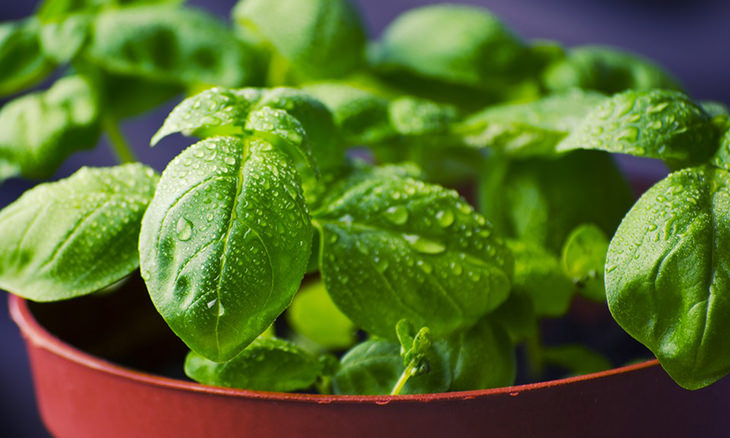
summer-superfoodsThis fragrant herb can add a little something to any summer dish, but it’s not often recognized for its amazing nutritional value. “If you have a garden full of basil, savor it for more than its flavor! Basil has antioxidant properties and provides almost 25 percent of the vitamin K a woman needs in a day,” says Marisa Moore, RDN, a dietitian in Atlanta, Georgia. You can add it to a salad or a marinade, sprinkle it over berries and ice cream, or stick it in a delicious cocktail. 

2. Grapes
summer-superfoods

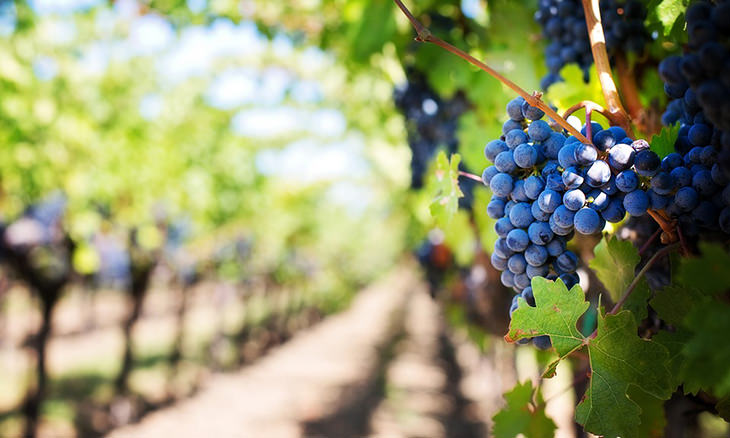
Packed with antioxidants, not to mention tasting delicious, grapes are increasingly being thought of as superfoods. They’re a great source of vitamin K, which can ease blood clots and strengthen bones. What’s more is that a recent study found that consuming grapes twice daily for six months protected participants’ brains from metabolic decline in a region that’s associated with early Alzheimer’s disease. Consuming grapes twice daily over the course of six months has also been shown to enrich metabolic activity in the areas of the brain related to memory and attention.

3. Strawberries
 summer-superfoods

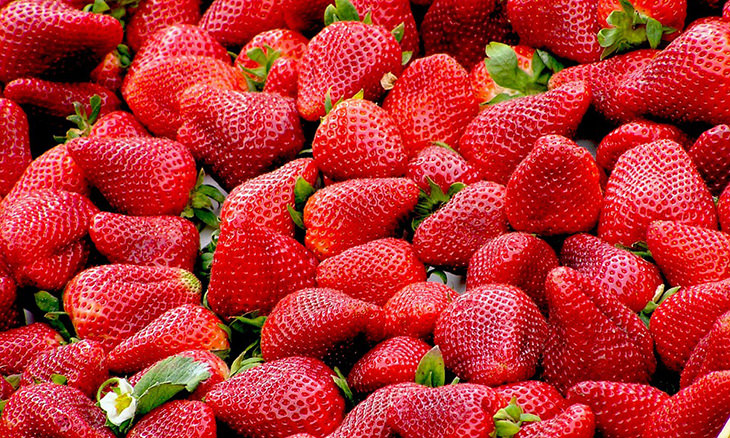
Strawberries are full of fiber, folate and potassium. Eating just 10 of them per day will give you your daily recommended amount of vitamin C. Research has also shown that consuming strawberries three times a week can cut the risk of suffering a heart attack by more than one-third. 

4. Sweetcorn

Although people tend to focus on arguing whether sweetcorn is a vegetable or a grain more than anything else, it also happens to be pretty amazing for human health. It contains protein and fiber, as well as magnesium and vitamin B6. 

5. Avocado
summer-superfoods
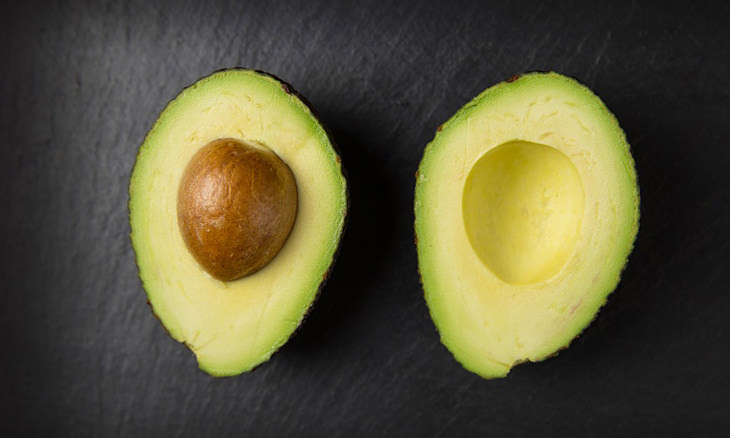
Delicious avocados are chock-full of healthy fats, which help the body to absorb vitamins such as E and A, and they also happen to have high fiber content to keep you feeling fuller for longer. Try adding avocado to a salad or salsa, use it instead of mayonnaise in a sandwich, or just drizzle with lemon juice and enjoy! 

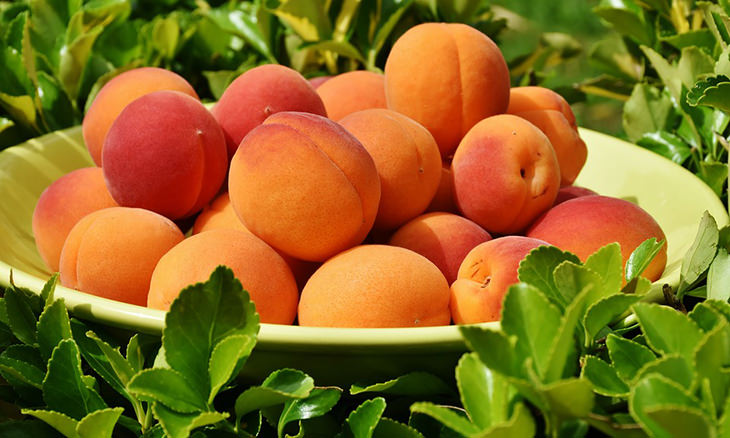
6. Peaches
summer-superfoods
You get a healthy dose of antioxidants, vitamins A and C and potassium every time you bite into a juicy peach. Potassium is important for regulating blood pressure and is also believed to help muscle recovery after a workout. 

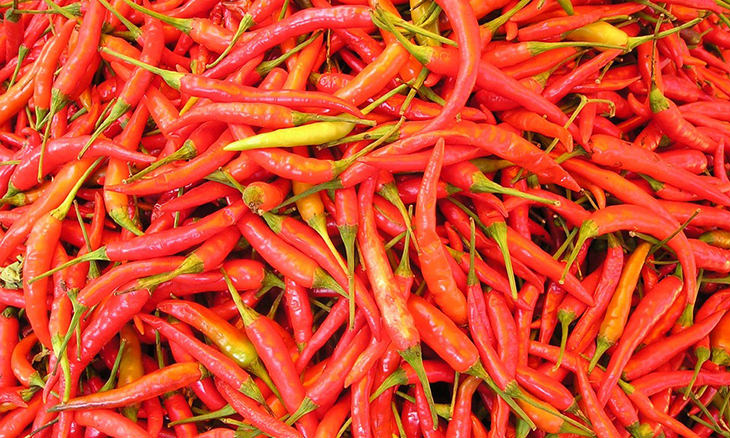
7. Chili peppers
summer-superfoods
Summer is definitely the season for salsa lovers, and if you’re one, you’ll be able to reap the benefits that chili peppers have to offer. Capsaicin, which makes chili peppers hot to eat, is also excellent for curbing appetite and boosting metabolism. Chili peppers are also believed to help people consume less sodium. Try them in salads, salsas, or with scrambled eggs. 

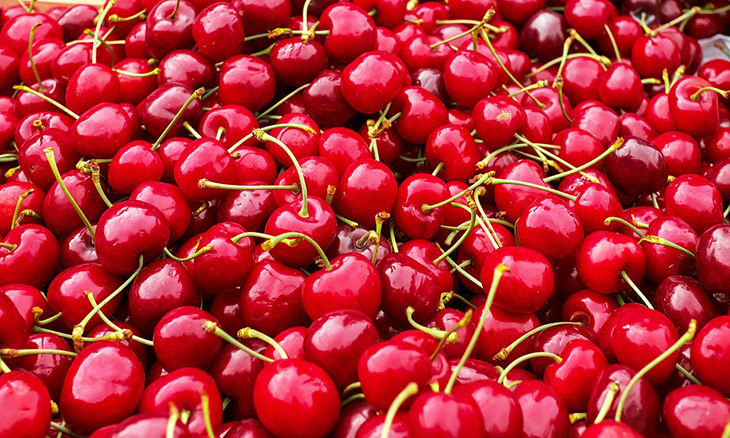
8. Cherries
summer-superfoods
Cherries are synonymous with summer, but they’re also packed with antioxidants that protect the heart and prevent arthritic pain. The redder the cherry, the more nutritious it is – the pigment in their skin is what actually gives them their ability to help fight disease. 

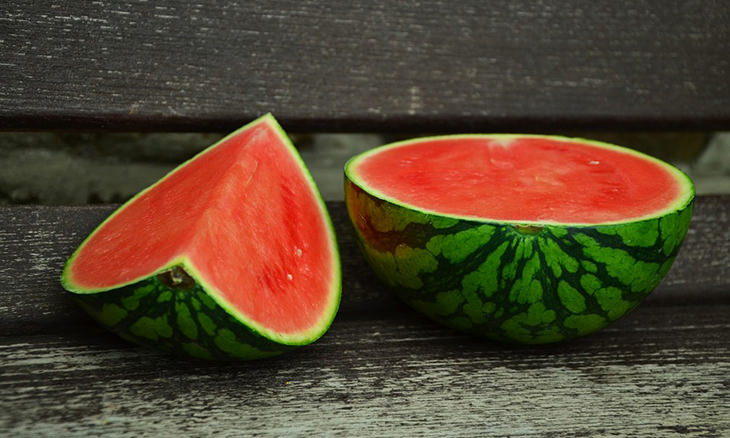
9. Watermelon
summer-superfoods

Another signature summer fruit is the delicious watermelon, which is a good source of immune-boosting vitamin C and a powerful antioxidant named lycopene. There’s a very good reason why watermelons are so refreshing, too – they consist of about 90% water! Eating watermelon is a great way of keeping yourself hydrated when it’s really hot outside. 

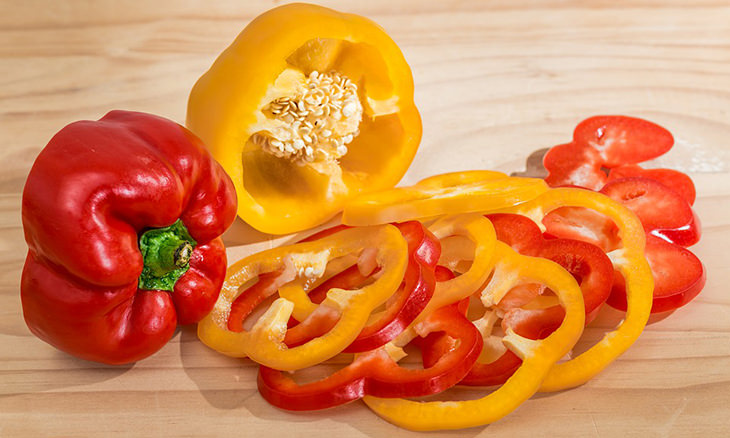
10. Bell peppers
summer-superfoods

Bell peppers of any color are great sources of vitamin C, as well as fiber and vitamin B6. Red bell peppers in particular also contain beta-carotene, lycopene and twice the amount of vitamin C that you’d get from eating an orange.


This is only for your information, kindly take the advice of your doctor for food, medicines, exercises and so on.   


Labels: , , , , , , , , , , , , , , , ,

Tuesday, June 09, 2026

Top five-a-day foods new study says your heart needs

Eating very specific types of fresh food each day - not just any five portions of fruit and vegetables - could help keep your heart healthy, a study suggests.

Not all five-a-days are equal, researchers claim, meaning people may not be getting enough important nutrients called flavanols in their diets.

Eating blueberries, plums, blackberries, broad beans and cherries, washed down with green tea, is an ideal way to top them up, they say.

In a study of 30,000 people from the US and UK - even in some who regularly ate five portions of fruit and veg a day - these were often lacking.

Other experts are more cautious, saying it is unclear if boosting flavanol levels would prevent heart problems.

According to new research in the journal Food and Function, fewer than one in five people get enough flavanols (500mg) into their bodies every day.

These antioxidants, found in certain foods, can support heart health, circulation and blood vessel elasticity by reducing inflammation, it says.

The study tracked people's diets and used biomarkers in the participants' urine to monitor intake. 

Lead investigator Dr Javier Ottaviani said some simple food switches could "make a real difference" to how much of these beneficial compounds are absorbed.

"Most people assume that eating plenty of fruit and vegetables covers this, but what this research shows is that the specific choices you make matter far more than the total amount."

Investigator Prof Gunter Kuhnle, from the University of Reading, said while five-a-day was still the right message, we may need to think more carefully about which five.

"Different fruits and vegetables offer very different nutritional benefits beyond vitamins and minerals," he said.

"As our understanding of these compounds grows, there is a real opportunity to make dietary guidance more specific and more effective."

The NHS does not set a recommended daily flavanol level to hit, but around 500mg a day seems to be beneficial for heart health, according to the US Academy of Nutrition and Dietetics.

Foods with the higher flavanol content per portion, based on the researchers' tests, include:

  • plums (one 500g punnet) - 450mg
  • cranberries (250g punnet) - 300mg
  • blackberries (200g punnet) - 250mg
  • green tea (one 250ml cup) - 200mg
  • broad beans (a small 80g handful) - 140mg
  • cherries (400g punnet) - 130mg
  • apple (one medium, skin on) -110mg
  • strawberries (200g punnet) - 90mg
  • blueberries (150g punnet) - 80mg
  • pinto beans (two tablespoons) - 70mg

The researchers have been doing flavanol studies with the chocolate manufacturing giant Mars Inc, which is investigating cocoa flavanol supplements.

The British Heart Foundation (BHF) says the actual amount of flavanols in commercial chocolate - and indeed other foods - varies a lot.

Dark chocolate is often seen as a healthier choice than milk chocolate, because it contains less sugar and more cocoa, which is a source of flavanols.

Two or three squares of dark chocolate might contain between 22-73mg of flavanols, while a few chunks of milk chocolate will have 3-7mg.

Heart expert Prof Naveed Sattar, from the University of Glasgow, said although some small trials had shown some favourable effects on blood pressure, there was no real evidence yet showing actual reductions in heart disease outcomes.

He said more trials were needed before they could be recommended as a way "to reduce cardiovascular events", such as heart attacks and strokes.

Prof Ana Rodriguez-Mateos, an expert in nutrition at King's College London, said the levels of flavanol in fruit and vegetables can vary widely, as they also do in fibre content, and that this should be explored further.

Dell Stanford, from the BHF, says how much flavanol is contained in different products depends on where the food is grown, the climate, its ripeness, and how it is stored or processed - and also on who is eating it.

 "Small amounts are absorbed directly. Our gut bacteria help break down flavanols into forms the body can use, but everyone's gut bacteria are different, so the benefits people get from flavanols may vary too."

The BHF and the British Nutrition Foundation say the best way to support your heart health is to follow established advice to eat a balanced diet containing a wide variety of fruit and vegetables.


This is only for your information, kindly take the advice of your doctor for food, medicines, exercises and so on.   


Labels: , , , , , , , , , , ,