Saturday, June 20, 2026

10 Superfoods That You Should Eat This Summer

Summer is upon us now, so my thoughts have turned to the healthiest and most scrumptious superfoods that we all should be enjoying during the hottest months of the year. Here are 10 superfoods that you should eat this summer: auto skip 

1. Basil
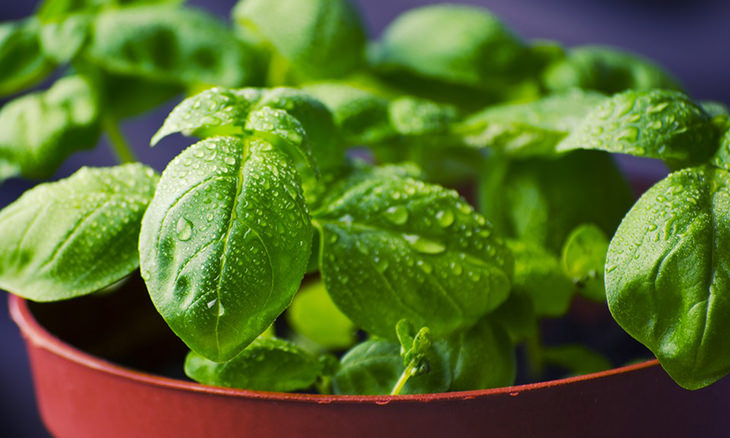
summer-superfoodsThis fragrant herb can add a little something to any summer dish, but it’s not often recognized for its amazing nutritional value. “If you have a garden full of basil, savor it for more than its flavor! Basil has antioxidant properties and provides almost 25 percent of the vitamin K a woman needs in a day,” says Marisa Moore, RDN, a dietitian in Atlanta, Georgia. You can add it to a salad or a marinade, sprinkle it over berries and ice cream, or stick it in a delicious cocktail. 

2. Grapes

summer-superfoods

Packed with antioxidants, not to mention tasting delicious, grapes are increasingly being thought of as superfoods. They’re a great source of vitamin K, which can ease blood clots and strengthen bones. What’s more is that a recent study found that consuming grapes twice daily for six months protected participants’ brains from metabolic decline in a region that’s associated with early Alzheimer’s disease. Consuming grapes twice daily over the course of six months has also been shown to enrich metabolic activity in the areas of the brain related to memory and attention.

3. Strawberries
 summer-superfoods

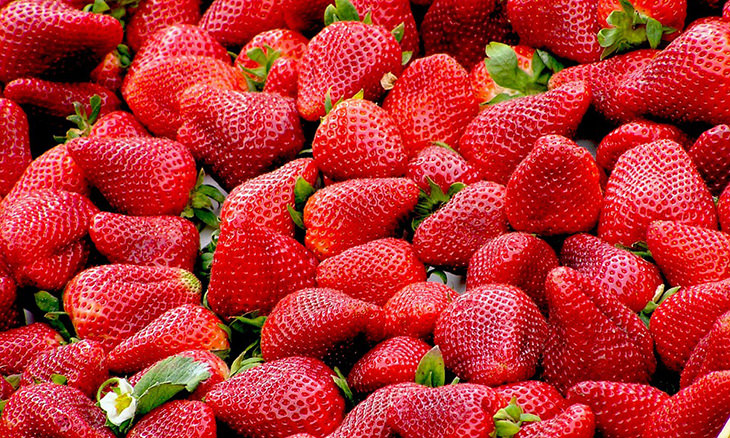
Strawberries are full of fiber, folate and potassium. Eating just 10 of them per day will give you your daily recommended amount of vitamin C. Research has also shown that consuming strawberries three times a week can cut the risk of suffering a heart attack by more than one-third. 

4. Sweetcorn

Although people tend to focus on arguing whether sweetcorn is a vegetable or a grain more than anything else, it also happens to be pretty amazing for human health. It contains protein and fiber, as well as magnesium and vitamin B6. 

5. Avocado
summer-superfoods
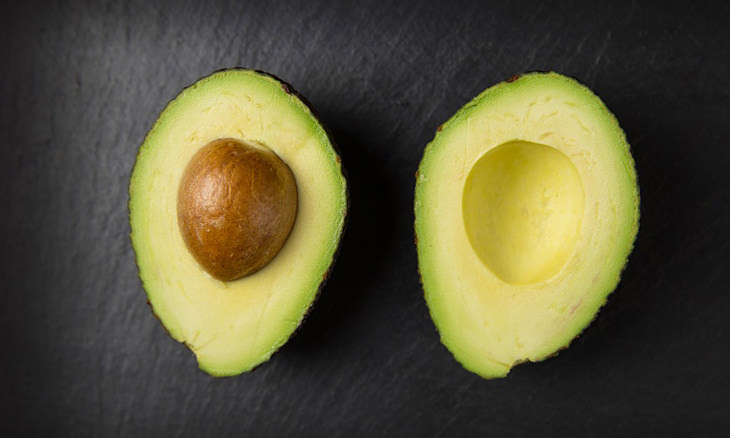
Delicious avocados are chock-full of healthy fats, which help the body to absorb vitamins such as E and A, and they also happen to have high fiber content to keep you feeling fuller for longer. Try adding avocado to a salad or salsa, use it instead of mayonnaise in a sandwich, or just drizzle with lemon juice and enjoy! 

6. Peaches
summer-superfoods
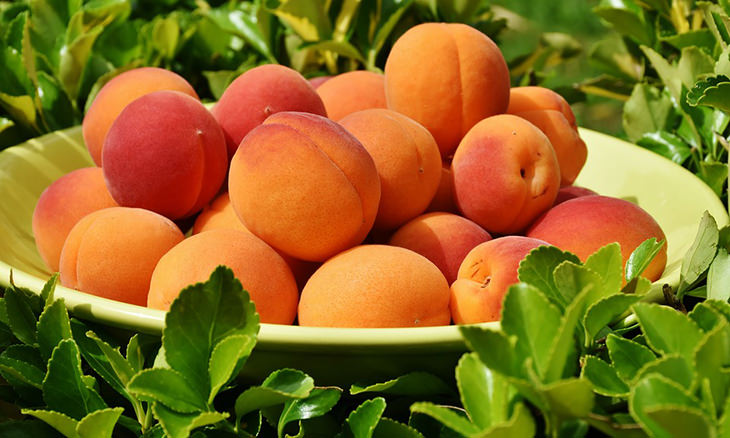
You get a healthy dose of antioxidants, vitamins A and C and potassium every time you bite into a juicy peach. Potassium is important for regulating blood pressure and is also believed to help muscle recovery after a workout. 

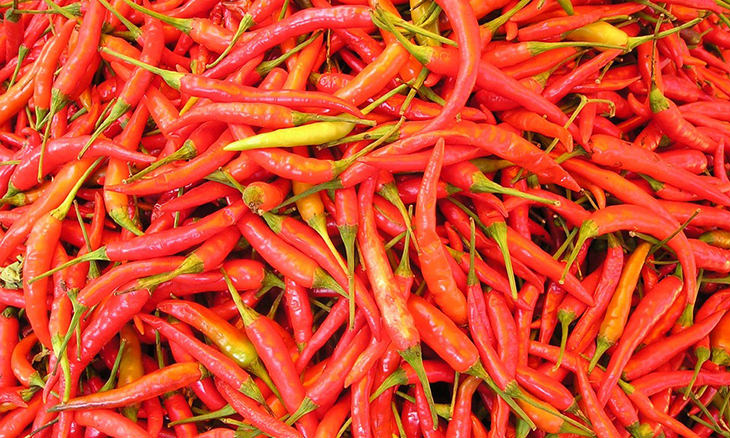
7. Chili peppers
summer-superfoods
Summer is definitely the season for salsa lovers, and if you’re one, you’ll be able to reap the benefits that chili peppers have to offer. Capsaicin, which makes chili peppers hot to eat, is also excellent for curbing appetite and boosting metabolism. Chili peppers are also believed to help people consume less sodium. Try them in salads, salsas, or with scrambled eggs. 

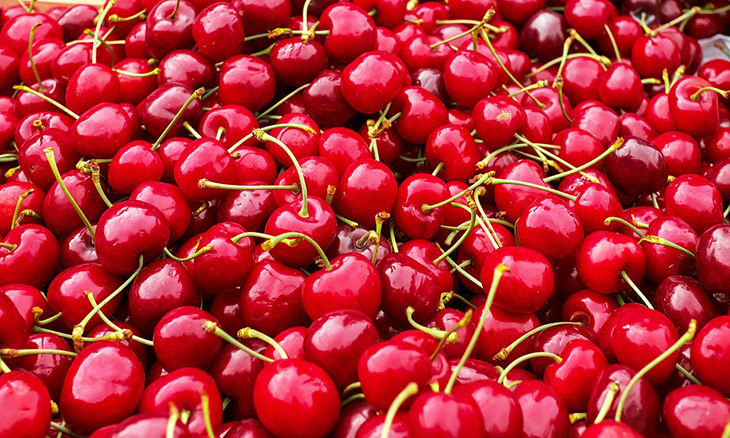
8. Cherries
summer-superfoods
Cherries are synonymous with summer, but they’re also packed with antioxidants that protect the heart and prevent arthritic pain. The redder the cherry, the more nutritious it is – the pigment in their skin is what actually gives them their ability to help fight disease. 

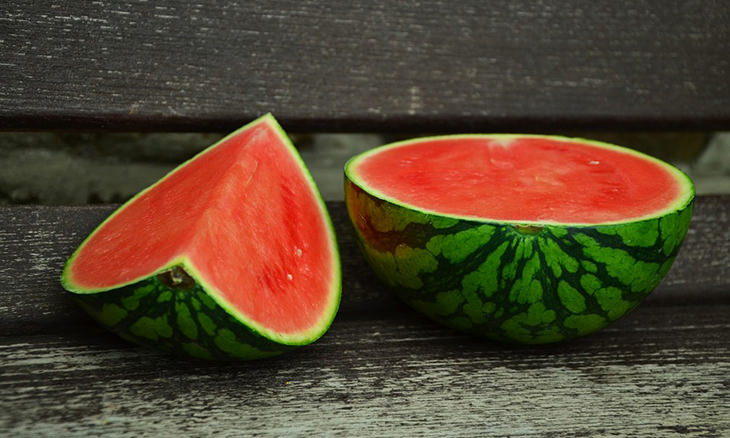
9. Watermelon
summer-superfoods

Another signature summer fruit is the delicious watermelon, which is a good source of immune-boosting vitamin C and a powerful antioxidant named lycopene. There’s a very good reason why watermelons are so refreshing, too – they consist of about 90% water! Eating watermelon is a great way of keeping yourself hydrated when it’s really hot outside. 

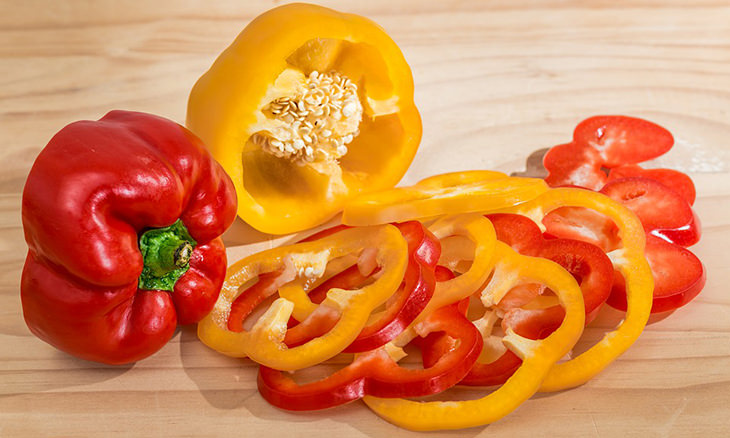
10. Bell peppers
summer-superfoods

Bell peppers of any color are great sources of vitamin C, as well as fiber and vitamin B6. Red bell peppers in particular also contain beta-carotene, lycopene and twice the amount of vitamin C that you’d get from eating an orange.


This is only for your information, kindly take the advice of your doctor for food, medicines, exercises and so on.   


Labels: , , , , , , , , , , , , , , , ,

Sunday, November 10, 2024

Kidney Health Made Easy: 13 Superfoods That Will Supercharge Your Function

When it comes to taking care of your body, you probably don't think about your kidneys. But this pair of organs does more for your health than you realize. They remove wastes from the body while ensuring that the water, salts and minerals are balanced in your blood. The kidneys also make hormones that create red blood cells, control your blood pressure and maintain your bone health.

Roughly one in seven American adults has chronic kidney disease, which can cause waste and fluid buildup in your body. Your risk for CKD is partly tied to the foods you eat. Eating the wrong foods can increase your risk while filling your diet with nutrient-rich foods can safeguard your kidney health. 

These are the 13 foods to eat to make sure your kidneys are healthy. While you're at it, see which foods can protect your heart, nourish your mind and make you happy.

1. Fatty fish 

Fish delivers protein, and when you choose a fatty fish like tuna, salmon or trout, you're also getting omega-3 fatty acids. Omega-3 fats may help reduce fat levels (triglycerides) in the blood and may also lower blood pressure, according to the National Kidney Foundation.

If you have CKD, you may need to keep an eye on the phosphorus and potassium levels of the fish you choose. The National Kidney Foundation has a chart you can use to determine levels in specific types of fish. Although, it's best to consult with your doctor.

2. Cabbage 

This nutrient-dense vegetable is low in both potassium and sodium while packing in fiber, vitamins C and K and more. 

Plus, cabbage is versatile. You can use it in salads and slaws, but you can also use it as a wrap for tacos, sandwiches and more. 

3. Bell peppers 

 Red bed pepper on cutting board with hands and knife slicing it

Like cabbage, bell peppers pack in lots of good nutrients with low levels of potassium. With them, you get vitamins B6, B9, C and K, plus fiber. They deliver antioxidants too.

You can slice them and eat them with dips or roast them and add them to dinner.


4. Cranberries 

Cranberries help to prevent urinary tract infections. These usually stay in your bladder, they can travel up to your kidney, making kidney problems worse. Fortunately, regularly consuming cranberries can help you avoid this unwelcome situation. 

Plus, cranberries have antioxidants that can help fight inflammation, and they can boost your heart and digestive health. It turns out, these tart berries aren't just for the Thanksgiving table. 

5. Blueberries 

We've talked about some of the best foods for kidneys, but you can take it a step further. The question is: What foods help repair kidneys? Blueberries deliver. 

With high levels of antioxidants and loads of vitamin C and fiber, blueberries are all-around healthy. They can also help to reduce inflammation and support bone health, reversing some of the issues that can come with CKD. 

6. Dark, leafy greens 

There are plenty of reasons to turn to dark, leafy greens like spinach or kale. They deliver so many nutrients that they can help you get key vitamins and minerals, plus immunity-boosting benefits. 

Be advised that greens can come with a decent amount of potassium. If you have CKD, talk to your doctor before adding more of these to your diet. 

7. Olive oil

Rich in antioxidants and healthy fatty acids, olive oil can boost your overall wellness. A study from Harvard University found that olive oil may lower cholesterol levels and the risk of cardiovascular disease, dementia and some types of cancer.

Beyond all this, it can help you add flavor to dishes without turning to salt or butter. 

To get more antioxidants, choose unrefined or cold-pressed olive oil that's virgin or extra virgin. 

8. Garlic 

Another antioxidant-rich, inflammation-fighting food, garlic also contains a specific compound called allicin. For people with CKD, allicin -- an active compound found in garlic -- worked just as effectively to help protect kidney health as a prescription drug. If you're looking for the best foods for your kidneys, garlic has to make the list

Plus, it's an excellent way to add flavor when you're skimping on salt. 

9. Onions 

From the same family as garlic, onions give you another excellent and salt-free way to add flavor (bonus points if you saute them in olive oil). Onions also deliver important nutrients like vitamins B6 and C, manganese and copper. 

They also contain quercetin, a chemical that can help your body fight cancer, and organic sulfur compounds that can reduce your risk of high blood pressure, stroke and heart disease. 


10. Cauliflower 

Green, white and purple cauliflowers on cutting board

Cauliflower brings the crunch, paired with plenty of vitamins C, B6, B9 and K, along with fiber. It also contains compounds your body can use to neutralize certain toxins -- a big help when your kidneys aren't doing their best filtration work. 

Cauliflower does contain some potassium and phosphorus, though, so while it makes the list of foods good for kidneys, people with CKD may want to moderate their intake.


11. Egg whites 

Egg whites are specifically recommended for people with kidney problems. They give you a way to increase your protein levels -- which can be important with later-stage CKD, especially if you're on dialysis. 

12. Arugula 

Arugula is packed with nutrients your body needs like magnesium, iron, calcium and vitamins A, B9, C and K. Plus, it's antioxidant-rich and has glucosinolates, which can help your body protect itself against a range of cancer types. 

You can eat arugula raw (it's a great salad base), but you can also sprinkle it over whatever you're whipping up. It's great on pizzas, in omelets and with pasta, for example. 

13. Apples 

Apples deliver the cancer-fighting quercetin and fiber that can help to keep your cholesterol and blood sugar at healthy levels. They've got plenty of antioxidants.

Better yet, they're easy to work into your diet. Leave a bowl of apples on your counter and you'll have a kidney-healthy, grab-and-go snack whenever you need one. 


Labels: , , , , , , , , , , , , ,

Monday, July 29, 2024

12 Foods that Help Our Kidneys

The kidneys play a crucial role in our urinary system by filtering waste materials and urine from our blood. It is essential to keep our kidneys healthy as they are susceptible to various diseases when not functioning correctly. Eating a balanced diet is known to promote overall health. Some foods are particularly beneficial to specific organs, including the kidneys. Whether you want to maintain a healthy urinary system or have kidney disease, incorporating these 12 foods into your diet can help promote healthy kidneys and a healthy body.

kidneys

1. Beans  
To start, beans are a great source of protein and fiber, making them an excellent addition to any healthy diet. A type of bean known as the Kidney Bean is named after the organ due to its similar shape. The consumption of these beans can help reduce the risk of kidney disease, especially for individuals with high blood pressure and diabetes. The beans are also rich in fat-free proteins, which can balance blood pressure and provide necessary amino acids. However, those with low kidney function values should exercise caution before consuming large quantities of beans. 
 
2. Peppers
 peppers
If you are worried about the condition of your kidneys, one of the best foods for you is the simple pepper: red, green or yellow. Peppers have a low amount of potassium as well as concentrations of vitamins A, C and B6 that make them a recommended addition of color, texture and health to your menu. Although potassium is an essential substance for the body, for those suffering from abnormal kidney functions, an excess of potassium is not a desirable situation, so such foods are an important part of a nutritional regime that protects them

3. Cabbage 
Cabbage is rich in chemical compounds and antioxidants from the plant, which together with a high amount of vitamin K, and C and dietary fiber help it maintain normal kidney activity. Cabbage has a low amount of potassium, and various studies indicate its ability to protect our heart and blood vessels from diseases, and not just the kidneys. Also, cabbage is a very common vegetable that can be cooked in many ways, including steaming, baking, and even microwave preparation. 
 
4. Garlic 
One of the most well-known superfoods in the world, garlic, does wonders for our entire body and the kidneys are no exception. A high amount of antioxidants and anti-inflammatory substances found in it protect our body, and its ability to lower the cholesterol level in the blood and protect vital systems from cancer, are especially important benefits that protect the kidneys. It is important to note that if you are trying to follow a healthy diet for your kidneys, it is recommended to replace the salt you sprinkle over the food with natural garlic powder, thus avoiding excessive sodium consumption.


5. Apples 
A simple apple is a snack or dessert with many health benefits, many of which have a positive effect on our digestive system and blood. Anti-inflammatory properties and the amount of antioxidants found in it help protect the liver as well. While many doctors do not support liver "cleansing" diets that consist only of such foods, eating one apple a day is still a highly recommended action as part of a balanced diet.

6. Onion 
The onion is a versatile and popular food that can be easily incorporated into a variety of dishes. It is also a great source of flavonoids, which are organic compounds that act as natural antioxidants and have potent anti-inflammatory and antibacterial properties. These properties make the onion beneficial in fighting a range of illnesses and diseases, from common colds to cancer. Additionally, the onion contains chromium, a trace mineral that helps to regulate the body's metabolism and balance insulin and fat levels in the blood. 
 
7. Cranberries 
Cranberries are a type of superfood that can aid in preventing infections and inflammations in the urinary tract and kidneys. These berries make the urine more acidic, which allows them to provide these benefits. Drinking half a glass of natural cranberry juice per day is a great way to introduce more fluids, vitamins, and important nutrients into your body while enjoying a delightful taste. While dried cranberries also contain these essential substances, it is recommended to consume them in liquid form by nutritionists. 
 
8. Olive oil 
Olive oil is considered one of the healthiest types of oil in Israel. In addition to its contributions to decreasing the risk of heart disease, many experts believe that its ability to prevent infections and the oleic acid found in it is crucial for maintaining healthy kidneys and preventing oxidation processes that could harm them.


9. Strawberries 
Strawberries are a nutritious food that contains various antioxidants and vitamin C. Recent studies conducted in California have shown that they can also have a positive effect on the kidney condition of diabetics by treating kidney damage. However, it's important to note that consuming large amounts of strawberries, like with any food, may cause harm if you have advanced kidney disease. It's best to consult with your doctor before making any significant changes to your diet.


10. Fish 
Fish are an excellent source of protein, especially those that have omega-3 fatty acids. To maintain a healthy and smart diet, the American Heart, Diabetes and Kidney Associations all recommend consuming fish two or three times per week. Omega-3 fatty acids are beneficial for the heart and kidneys, as they decrease bad cholesterol (LDL) and increase good cholesterol (HDL). Egg whites are also an important source of protein that contain essential amino acids. Unlike other sources of protein, egg whites are low in phosphorus, which can cause kidney damage if consumed excessively. 
 
 
11. Egg whites 
Egg whites are a noteworthy source of high-quality protein, providing all nine essential amino acids that the human body cannot produce. These amino acids are crucial for tissue repair, hormone production, and immune function. However, unlike other protein sources such as red meat or dairy, egg whites are low in phosphorus. While this mineral is necessary for various bodily functions, excessive consumption can lead to kidney damage, particularly in individuals with chronic kidney disease. Thus, egg whites present a balanced protein option, offering the necessary amino acids without the risk of phosphorus overload. This makes them a particularly valuable dietary inclusion for those needing to manage phosphorus intake.
 
 
12. Cauliflower 
Another representative of the cruciferous vegetable groups on this list, in addition to cabbage, is cauliflower, which is rich in folic acid and vitamin C. In addition to its nutritional value, cauliflower helps the liver to neutralize toxic substances for the body, and thus it is much easier for the kidneys to deal with them as part of the blood circulation. Despite this, it is important to note that eating too much cauliflower can contribute to the formation of kidney stones, so if you suffer from such a diagnosed disease, you should consult your doctor about the recommended dose for you.
 
 
 An important addition 
Just as there are factors that positively affect the function and condition of our kidneys, there are also factors that cause damage. In your medicine cabinet, there are many pills that can be bought without a doctor's prescription, which can cause serious damage to the kidneys.


This is only for your information, kindly take the advice of your doctor for medicines, exercises and so on.   

https://gscrochetdesigns.blogspot.com. one can see my crochet creations  
https://gseasyrecipes.blogspot.com. feel free to view for easy, simple and healthy recipes    
https://kneereplacement-stickclub.blogspot.com. for info on knee replacement
https://cancersupportindia.blogspot.com  for infor on cancer and health related topics
https://GSiyers home remedies.blogspot.com   is the latest addition to my blogs. I'm going to add posts there, do give me your valuable feed back on my blogs. Thanks a lot, take care, be healthy and be happy.

Labels: , , , , , , , , , , ,

Friday, November 05, 2021

Low platelet count? Foods to increase your platelet count after dengue

Foods that can increase the blood platelet count

A spike in dengue cases across the country has increased the demand for platelets, cellular components found in the blood that play a vital role in clotting and bleeding. In dengue fever, there is increased destruction of platelets and reduction in the formation of new ones that decrease the platelet count in the blood and increase the risk of internal bleeding and rashes. Those with a blood platelet count below the normal range (between 1.5 and 4 lakh per microlitre) are usually transfused with it to avoid any kind of complications. However, transfusion runs the risk of transmitted infections. So, this method of treatment should not be opted for frequently, unless absolutely necessary. The platelet count could be increased naturally by eating some specific food items. Here we have listed some natural ways to increase your platelet count.

Vitamin B 12

Vitamin B12 also known as cobalamin, is a water-soluble vitamin mostly found in animal-based food items. It has numerous roles to play in the functioning of the body including increasing the platelet count and keeping the cells healthy. Even the deficiency of this crucial B vitamin can also lower the count of platelet in the blood. An average person requires 2.4 mcg of vitamin B-12 daily and for pregnant and breastfeeding women it is up to 2.8 mcg. Some common sources of Vitamin B12 are eggs, meat, fish and chicken.

​Folate

Folate is also a B type vitamin required for the growth of healthy cells. Also known as Vitamin B9 and folacin, the vitamin can help elevate platelet levels, help tissues grow and improve cognitive functioning. Along with Vitamin C, this nutrient can help to break and create new protein. Another functioning of this vitamin includes the formation of red blood cells. Some common sources of folate are black eyed-peas, peanuts, oranges and kidney beans.

​Vitamin C

Vitamin C rich food is popular for its immune-boosting properties, but it also plays a vital role in increasing the platelet count. The vitamin mostly present in citric fruit also enhance the body’s ability to absorb iron, which is another essential nutrient to increase platelets count. Increasing the intake of the particular nutrient also helps to cut down the risk of cold and flu during winters. The only thing that needs to be kept in mind is that heat can destroy vitamin C. So, it is best to consume vitamin C-rich foods raw. Broccoli, oranges, grapefruits, bell peppers and strawberries are some common sources of this vitamin.

Iron

Deficiency of iron in the body often leads to anaemia, a condition in which red blood cells that carry adequate oxygen to your body's tissues decreases. Taking a sufficient amount of iron can increase the level of red blood cells and also the platelet count. A healthy amount of blood components can boost your immunity and keep you fit during the winter season. White beans and kidney beans, lentils, pumpkin seeds, spinach are some excellent sources of iron.

​What not to have

While some foods can increase the blood platelet count, some can lower it. When your platelet count is low then you must not have some specific foods and beverages like:

Alcohol

Cranberry juice

Cow’s milk


readmore

Labels: , , , , , , , , , , , , , ,