Tuesday, September 22, 2026

10 Mighty Tips to Ensure Your Bones Stay in Top Condition

Bone mineral density refers to the amount of minerals in our bones, which indicates their strength and density. Bone mineral density that is below the normal levels, but is not low enough to be classified as osteoporosis, is known as osteopenia.

Osteopenia usually doesn't cause pain or other symptoms, but it is very important to understand how it can be prevented as it can progress to osteoporosis (where the bones become so weak that they fracture extremely easily).

Aging is a common cause of low bone mineral density. Other factors that contribute to osteopenia include eating disorders, metabolism problems, exposure to radiation, chemotherapy, family history, lack of physical activity, smoking, regular consumption of sodas, and excessive alcohol consumption. There are no obvious symptoms of osteopenia. Therefore, you should take a bone density test every few years after you have turned 35.

Here are 10 top ways to prevent the loss of bone mineral density.

1. Consume Adequate Calcium 
 Bone - Density - Tips
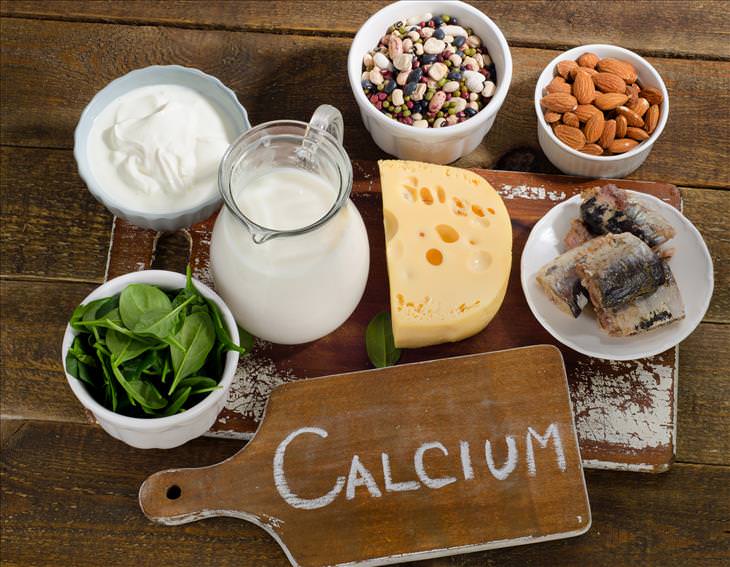
Calcium is one of the most important nutrients for improving your bone density. Our bones are made of calcium, so this nutrient is essential for preventing any bone-related diseases. People between the ages of 19 and 50 should consume around 1,000 mg of calcium per day. Women, who are at a higher risk of contracting bone diseases, should consume 1,200 mg of calcium a day. 
You can get your daily requirement from sardines, dark green vegetables, organic dairy products, blackstrap molasses, dried fruits, and fortified soy products such as tofu. If you do not have a balanced diet, you should speak to your doctor about taking calcium supplements

2. Boost Your Vitamin D Intake
 
Vitamin D is another essential nutrient that improves bone health and reduces the risk of osteopenia. Furthermore, vitamin D also helps your body utilize calcium better. You can get vitamin D into your body by eating eggs, salmon, swordfish, sardines, and fortified foods such as cereal and orange juice. Our bodies also produce vitamin D when exposed to the sun, so take the time to enjoy 10-15 minutes of early morning sun exposure each day. 
3. Stay Active
Regular exercise is great for overall health and bone health is no exception to this rule. Our bones form and remodel in response to physical stress, thus regular physical activity is a great way to prevent the loss of bone mineral density. For good bone health, aim for around 30 minutes of weight-bearing activities most days of the week. Activities like walking, hiking, and dancing are all great choices. 
4. Quit Smoking
Smoking is bad for our overall health, especially bone health. Smoking prevents the body from efficiently absorbing calcium, thus decreasing bone mass. In fact, smokers are at a much higher risk of fractures than non-smokers. Therefore, you should try to quit smoking as soon as possible. You can get help from professionals as well as family members and friends. 
5. Consume Less Caffeine 
Coffee does have some health benefits when consumed in limited amounts, but too much caffeine in any form is no good for your bones. Excess caffeine intake can interfere with the body's ability to absorb calcium, which is vital for good bone health. 
 6. Eat Foods Rich in Vitamin K 
Vitamin K will give a boost to your bone mineral density level. This particular vitamin helps the body make proteins for healthy bones and reduces the amount of calcium that is excreted by the body. Vitamin K rich foods include kale, Brussels sprouts, turnip greens, fermented dairy products, broccoli, and prunes.

7. Reduce Your Sodium Intake 
 Salt causes excessive calcium excretion through the kidneys. In fact, too much salt appears to be a risk factor for bone fragility. To improve your bone health, it's essential that you limit your salt intake. The American Heart Association suggests consuming less than 1,500 mg of salt a day. 
8. Pump Up Your Potassium Level
Potassium is known to be important for muscle health, but it is also beneficial for bone health. This mineral neutralizes acids that remove calcium from the body. The recommended daily intake of potassium for adults is 4700 mg. The best sources of potassium are avocados, bananas, strawberries, kiwis, mangos, apricots, carrots, dates, sweet potatoes, spinach, broccoli, and red peppers. 
9. Eat Magnesium-Rich Foods 
To improve bone health and reduce the risk of getting osteopenia, you should eat magnesium-rich foods every day. Magnesium is needed in over 325 enzyme systems in the body that control thousands of chemical interactions and it's also vital for bone health. It stimulates the hormone calcitonin, which preserves bone structure by drawing calcium out of the blood and soft tissues and back into the bones. Great sources of magnesium are almonds, avocados, beans, bananas, pumpkin seeds, tofu, soy milk, pecans, walnuts, potatoes with skin, yogurt, whole grains, and green leafy vegetables. 
10. Eat Foods Rich in Vitamin C
 Vitamin C can also help prevent loss of bone mineral density. Collagen is the main protein in bones, and vitamin C plays a major role in collagen synthesis. To get vitamin C into your diet, eat fruit and vegetables such as bell peppers, oranges, broccoli, strawberries, Brussels sprouts, kiwi, pineapple, and cauliflower. You can also take vitamin C supplements, but please consult your doctor first.

This is only for your information, kindly take the advice of your doctor for food, medicines, exercises and so on.   

Labels: , , , , , , , ,

Wednesday, December 15, 2021

5 natural remedies to lower blood pressure

5 ways you can control your blood pressure

High blood pressure or hypertension is a dangerous condition that affects millions of people across the globe. It is a state in which the blood pressure against the wall of arteries rises to a dangerous level, which over time can damage the heart and give way to heart problems like stroke and heart attack. Once detected, the condition should not be left untreated, else it can turn fatal. Luckily, there are numerous ways to control the blood pressure level. Medication is just one way, and others are natural remedies that can help to control the pressure in the long term. Here are 5 ways you can control your blood pressure.

​Reduce sodium intake

Several studies have linked high blood pressure with excess sodium intake. Sodium can also be a reason for stroke. Even a small reduction in the daily amount of sodium intake can lower the pressure by 5 to 6 mm Hg in case of high blood pressure. The effects of sodium intake varied from person to person. Even in general, people should limit the intake of salty processed foods to stay healthy. Normal individuals must not have more than 2,300 milligrams (mg) of salt in a day.

​Increase potassium intake

Potassium is an essential nutrient for all those suffering from high blood pressure. This trace mineral required by the body in small amounts helps to get rid of excess sodium and eases pressure on blood vessels. The processed and packed foods are mostly loaded with sodium and to balance it you need to add more potassium-rich food to the diet. Some foods that you may include are:

Vegetables: Leafy greens, tomatoes, potatoes, and sweet potatoes

Fruit: Melons, bananas, avocados, oranges, and apricots

Others: Nuts and seeds, milk, yoghurt, tuna and salmon

Exercise regularly

Regular exercise is crucial for every individual. Studies suggest that every individual must exercise for 30 to 45 minutes regularly to stay healthy and reduce the risk of chronic diseases. It is even more essential for all those suffering from the problem of high blood pressure. Regular exercising can make your heart stronger, help them pump blood more efficiently and lower the pressure on the arteries. Even walking daily for 40 minutes is enough to keep you healthy and safe.

​Limit alcohol intake and quit smoking

Cigarettes and alcohol both can contribute to high blood pressure. Research suggests that alcohol can contribute to 16 per cent of high blood pressure cases across the globe. Alcohol and nicotine both can temporarily increase the blood pressure level and damage the blood vessels. Since both things are known to harm your health. It is better to quit them once for good.

Cut down refined carbs

Recent reports suggest that even refined carbs and added sugar in foods can also contribute to high blood pressure. Reducing the intake of these two food items can help to manage the level of blood pressure naturally. Foods like bread and white sugar convert rapidly to sugar in your bloodstream and may cause problems. People with high blood pressure levels are advised to go on a low-carb diet to shed kilos. Instead of refined flour have whole grain and white sugar can be replaced with jaggery or honey.

This is only for your information, kindly take the advice of your doctor for medicines, exercises and so on.   

https://gscrochetdesigns.blogspot.com. one can see my crochet creations  
https://gseasyrecipes.blogspot.com. feel free to view for easy, simple and healthy recipes    
https://kneereplacement-stickclub.blogspot.com. for info on knee replacement


Labels: , , , , , , ,