Thursday, September 03, 2026

Horse Gram Health Benefits
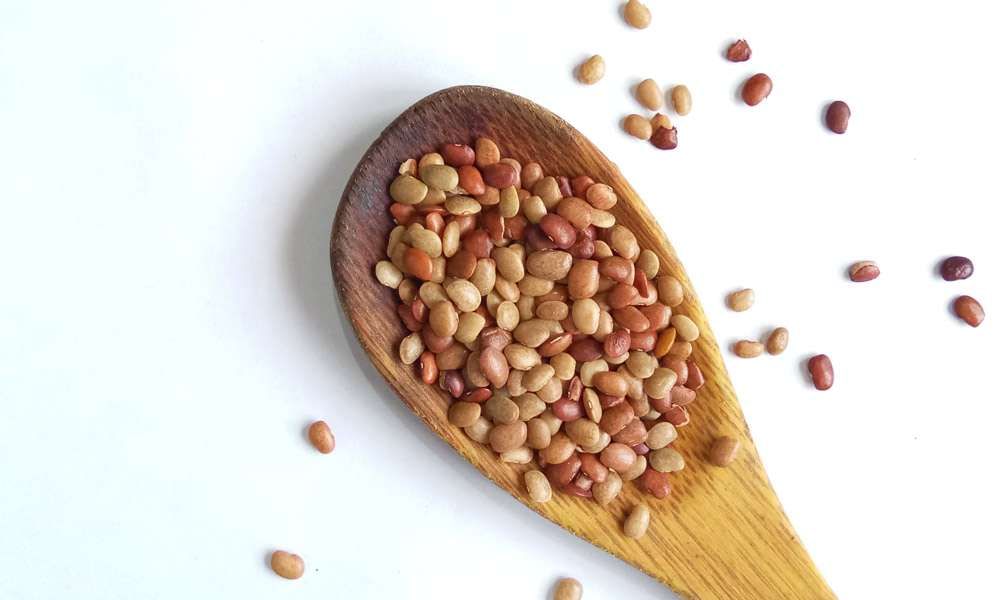
 Horse Gram in a wooden spoon 

 Find out everything about horse gram, the miracle pulse. A traditional elixir for ailments like diabetes, heart disease, kidney stones, asthma, obesity, cold and many more, horse gram is highly protein-rich, high in calcium, low in fat and full of antioxidants. Here are 11 horse gram benefits that are sure to convince you to try it out. Plus, there is a recipe in here too!

What is Horse Gram?

Horse gram is the most protein-rich lentil found on the planet. It is very high-powered. That is why race horses are fed with this gram, which is called horse gram in the market.

This important and under-utilized tropical crop is grown mostly in dry agricultural lands and keeps a rather low profile nowadays, but is ready to expand its reputation! Here’s why.

Horse Gram Health Benefits
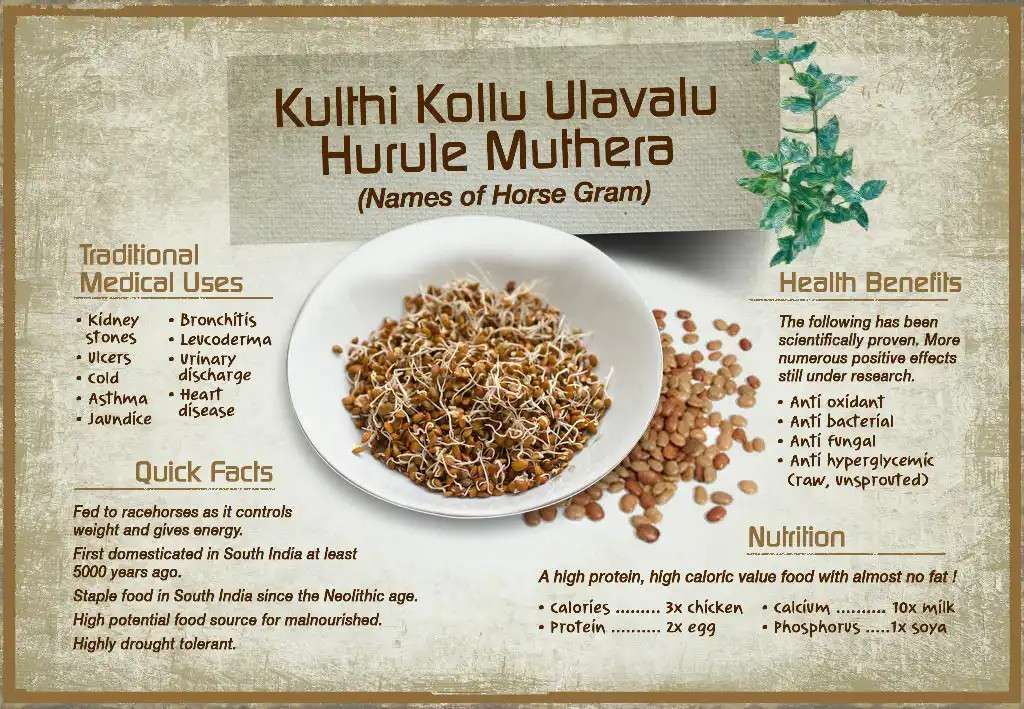
 Horse Gram health benefits 


1 Insulin Resistance

Scientists from the Indian Institute of Chemical Technology have found that unprocessed, raw horse gram seeds have the ability to reduce high blood sugar following a meal, by slowing down carbohydrate digestion and reducing insulin resistance by inhibiting protein-tyrosine phosphatase 1β. This makes it an extra diabetic-friendly food. 

#2 Full of Antioxidants

Horse gram seeds are rich in polyphenols, flavonoids and proteins – the major antioxidants present in fruits that makes them so healthy. In this article published in the Journal of Agricultural and Food Chemistry, researchers from the Department of Grain Science and Technology at the Central Food Technological Research Institute at Mysuru found abundant antioxidant activity in horse gram, in addition to reducing power and ferrous ion-chelating potency. 

#3 Helps Urinary Discharge

In Ayurveda, horse gram is a well-known diuretic and is reputed to be effective in increasing urine flow. For this purpose, horse gram can soup can be consumed twice a day for four weeks to show visible results. 

#4 Prevents Kidney Stones

Due to its diuretic properties, horse gram is very effective in assisting in the removal of kidney stones. In addition, making horse gram a part of your regular diet will aid in avoiding the formation of stones in the kidneys, as horse gram contains certain compounds that make these stones soluble. 

#5 Heals Ulcers

Lipids in horse gram have been shown to have anti-ulcer activity due to the presence of phytosterol esters. Researchers from the Department of Surgery at Royal Free and University College of Medical School, London  found that horse gram is highly beneficial in healing peptic and mouth ulcers. 

#6 Asthma Relief

A common Ayurvedic prescription for asthmatic patients is to consume the paste of boiled horse gram and pepper, which aids in reducing cough, cold and congestion. Although not a cure for asthma, it has been known to provide immediate relief and help manage breathing problems. 

#7 Keeps Heart Disease at Bay

According to established medical science, oxidative damage caused by free radicals plays a causative role in ageing and leads to diseases including several heart diseases. However, the human body is capable of minimizing this damage with the right nutrients and antioxidants. Raw horse gram is particularly rich in polyphenols, flavonoids and proteins, the major antioxidants. It is also low in fat and high in carbohydrate content, making it healthier for the heart. 

#8 Is Horse Gram Good for Weight Loss?

Eating plenty of horse gram can actually help in the management of obesity as it has the ability to attack fatty tissue, thanks to its high phenol content. The effectiveness of horse gram is so well known in Tamil tradition that there is a Tamil saying, “Ellachavanukku Ella Kudu, Kozhuthavanakku Kolla Kudu,” which translates to, “For a frail person, sesame seeds and for an obese person, horse gram.” 

#9 Keeps You Warm in Winter

Horse gram – especially in the form of soup – has the ability to generate heat and energy in the system and therefore keeps you warm on a cold winter day. 

#10 Good for the Bones

Horse gram is high in iron, calcium and protein. In fact, horse gram has the highest calcium content among pulses and is one of the richest vegetarian sources of protein.

#11 Controls Menstrual Problems

Horse gram contains iron in high levels, which helps to cure irregular menstrual cycles. It also increases your blood hemoglobin due to its high iron content.

Horse Gram Nutritional Values

100 gm of horse gram contains:

Protein

22 gm

Mineral

3 gm

Fiber

5 gm

Carbohydrates

57 gm

Iron

7 mg

Calcium

287 mg

Phosphorus

311 mg

Horse Gram Side Effects

Horse gram contains phytic acid which is an anti-nutrient – that means it can stop your body from absorbing all that nutrient goodness. But all is not lost because if you soak, sprout or cook horse gram seeds before putting them in your food, the phytic acid content is significantly reduced, according to research.

Here is what Sadhguru has to say about horse gram side effects: “Consuming horse gram generates heat in the body. You know that it is causing excessive heat when you notice that your eyeballs are hot or that you want to pee, your bladder is full but it does not come out and it hurts. That means there is excess heat. If such a thing happens, you just drink some ash gourd juice or take some castor oil and apply it either inside the navel or the Anahata, Vishuddhi, Agna and at two particular spots behind the ears. If you apply castor oil on these points, the system will cool down within five minutes. When you go to the bathroom, everything will happen without effort. You can also balance the excess heat by eating green gram. Sprouted green gram will cool the system.”

For horse gram soups & kheer, please view in my recipe blog. Thanks


This is only for your information, kindly take the advice of your doctor for food, medicines, exercises and so on.   

Labels: , , , , , , , , , , , ,

Friday, June 11, 2021

5 Delicious Teas for Asthma Relief and Respiratory Health

Shortness of breath, coughing, and wheezing are the hallmarks of asthma, a common chronic condition that affects the airways and makes breathing and physical activities more difficult. But allergy sufferers, those recovering from the flu or those suffering from any other acute or respiratory condition will also likely experience similar symptoms. While medical treatments intended can address the respiratory issue you or your loved one is experiencing, it’s certainly also useful to supplement them with healthy lifestyle habits, such as breathing exercises.

Another excellent way to support the health of your respiratory system is through drinking tea, as certain herbs contain active natural compounds known to improve asthma symptoms and breathing difficulties. Below, we have listed the 5 best tea varieties shown scientifically to bring relief to respiratory issues and asthma symptoms specifically.  
 
1. Licorice Tea (Glycyrrhiza glabra)
Teas for Asthma Relief  Licorice Tea (Glycyrrhiza glabra)
Licorice tea is made of dried and ground up licorice root, a powerful herbal remedy that's known to promote cardiovascular health, offer pain relief, and has been used to diminish asthma symptoms for centuries. The sweet and aromatic root naturally contains a compound called glycyrrhizin, which has been shown in animal model studies and human research to improve symptoms of asthma and potentiate conventional asthma treatments. 
 
How to make licorice tea:  
Bring 8 oz (240 ml) water to a boil, and then add 2 teaspoons of dried licorice root, chopped up into small pieces. Remove from the heat, cover with a lid, and let the tea steep for 5 minutes. Strain and enjoy warm or cold. 
 
Avoid drinking more than 1 cup (240 ml) of licorice root a day, as excessive daily consumption may increase your blood pressure and have other adverse side effects. If you have cardiovascular issues or other pre-existing conditions, ask a health professional if licorice tea is safe for you.  
 
2. Green and Black Tea (Camellia sinensis)
Both black and green tea come from the same plant, and both are rich in caffeine, antioxidants, and other plant compounds known to improve breathing and clear out the airways, as well as lower your risk of numerous diseases and aid weight loss. More specifically, the antioxidants present in green tea may address the cause of asthma and other respiratory conditions - inflammation, whereas caffeine provides temporary relief, as it is capable of relaxing the airways for up to 4 hours after absorption. Additionally, one large Korean study also found that drinking 2 cups of green tea a day made participants have a much better lung function in general compared to those who didn't drink tea. How to prepare black and green tea will depend on the brand and variety of tea, so it's best to consult the instructions printed on the packaging of the tea you have at home.

3. Mullein Tea (Verbasscum thapus)
Teas for Asthma Relief  Mullein Tea (Verbasscum thapus)
Another herb known for its remarkable respiratory health benefits is the common mullein, the leaves of which are dried and used to prepare a yellow-colored tea with a refreshing and subtly sweet taste. This tea has been used in traditional medicine specifically as a remedy for respiratory issues ranging from a wet cough to bronchitis and asthma. 
 
Studies support the use of mullein for respiratory issues and asthma, suggesting it may help symptoms like coughing and wheezing. The herbal tea may also reduce inflammation and relax the muscles in your respiratory system, which can help with the feeling of tightness in the chest and shortness of breath. 
 
 How to prepare mullein tea: 
Add in 1 teaspoon of dried mullein leaves into 1 cup (240 ml) of boiling water. Then, steep the tea for 15-30 minutes, subsequently straining out the leaves and drinking as is.

4. Ginger Tea (Zingiber officinale)
Teas for Asthma Relief Ginger Tea (Zingiber officinale)
It seems that there are very few health concerns Ginger Tea can't help with, which isn't surprising given that ginger root is such a powerful anti-inflammatory substance. The antioxidants present in ginger, such as gingerols and shogaols, reduce the inflammation in the airways, which may ultimately alleviate respiratory symptoms, breathing distress, and asthma symptoms. 
 
One study even reported that asthma patients who took 450 mg of ginger extract every day noticed 20% less wheezing and 52% less chest tightness compared to the placebo group after 2 months of taking ginger. 
 
How to make ginger tea: Finely grate a one-inch (2.5 cm) piece of peeled ginger and add to 1 cup (240 ml) of boiling water. Depending on how spicy you like your ginger tea, steep the tea from 10-20 minutes, then strain and enjoy as is or with some lemon and honey. 
 
5. Eucalyptus Tea (Eucalyptus globulus)
Teas for Asthma Relief  Eucalyptus Tea (Eucalyptus globulus)
The last, but certainly not the least item on our list is eucalyptus tea, which is made from dried eucalyptus leaves. Make sure NOT to prepare this tea with eucalyptus essential oil instead of dried leaves, as the essential oil is highly concentrated and toxic when ingested, whereas the leaves of the plant are safe to brew into a tea. 
 
Studies have confirmed that an ingredient called eucalyptol naturally present in the leaves of the plant is capable of decreasing inflammation, expanding the airways in your lungs, and reducing mucus production. One article even reported that taking 600 mg of eucalyptol every day reduced asthma patients' need in medication by 29% compared to placebo. 
 
How to make eucalyptus tea: 
Steep 1.5 teaspoons of dried eucalyptus leaves in 1 cup (240 ml) of boiling water for 10 minutes. Strain the leaves before drinking and enjoy cold or warm.

This is only for your information, kindly take the advice of your doctor for medicines, exercises and so on.   

https://gscrochetdesigns.blogspot.com. one can see my crochet creations  
https://gseasyrecipes.blogspot.com. feel free to view for easy, simple and healthy recipes    
https://kneereplacement-stickclub.blogspot.com. for info on knee replacement

Labels: , , , , , , , ,