Sunday, March 17, 2024

6 Teas That Can Be Harmful If You Drink TOO Much

People are well-aware of the potent health benefits of both herbal and traditional teas. But only a small minority of regular tea drinkers are conscious of the fact that some brews are not meant to be consumed in large quantities. Moreover, several of the teas we list below are not suitable for regular use, so be mindful of what you drink and how much. When it comes to these 6 teas, a “less is more” approach is the best way to go.


1.Licorice tea
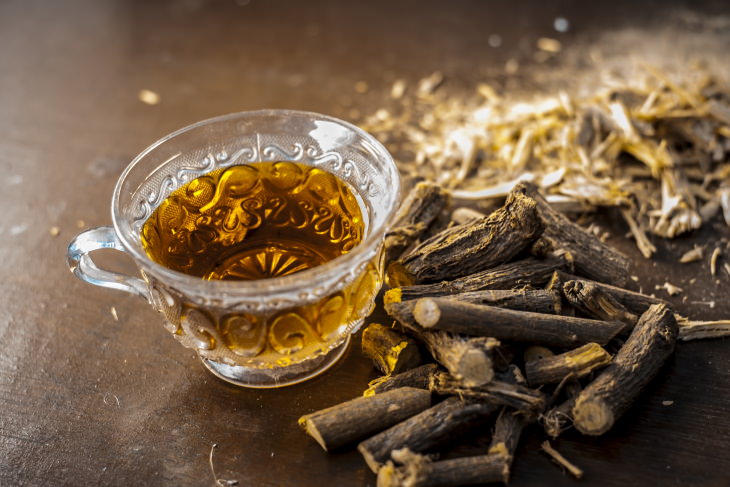
bad teas Licorice Tea

The natural sweetness and pleasant herbal aroma of licorice tea make it easy to down two or three cups every day. The added cardiovascular, anti-inflammatory, pain-relieving, and lung health benefits make this delicious tea a healthy choice for many.

But overindulging in this delicious tea or even licorice candy is not a good idea for some, because drinking more than 1 cup (240 ml) of licorice tea a day may increase one’s blood pressure and meddle with blood pressure medication. A 54-year-old man from Massachusetts sadly passed away in 2020 after eating too much licorice candy,.

If you have cardiovascular issues or other pre-existing conditions, ask a health professional if licorice tea is safe for you.


2. Lemon-flavored tea
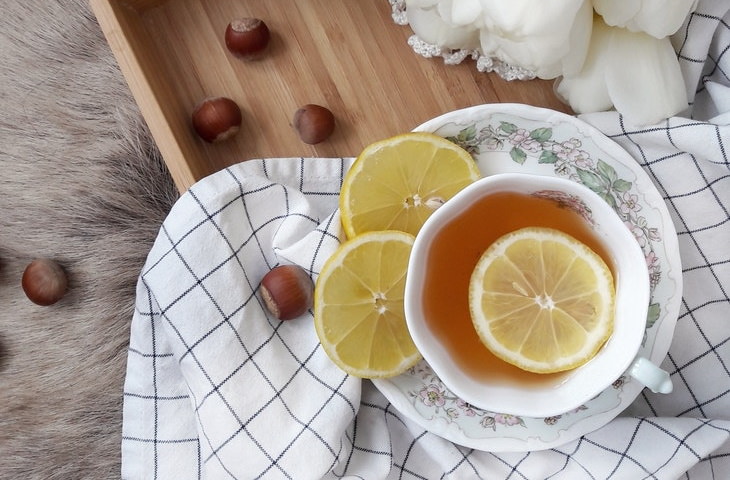
bad teas Lemon-Flavored Tea

This one may have caught you by surprise, but it’s true - drinking too much lemon-flavored tea can affect your health. No, we’re not talking about the squeeze of lemon juice you’re adding to your tea, but rather the tea packets labeled to be “lemon-flavored”.
The reason why you should opt for natural lemon juice rather than artificial lemon flavors is that the tea leaves used in these flavored teas are usually of very poor quality. According to Magdalena Jeszka-Skowron, Ph.D., of the Poznan University of Technology in Poland, these tea varieties contain "higher amounts of noxious metal than tea infusions made from whole leaves."

Among these metals is lead, which is extremely toxic. Drinking powdered and liquid iced tea is also not a good idea, as studies show that these often contain too much fluoride and acids, which promote tooth decay and canker sores.


3. Comfrey tea
bad teas Comfrey

Some teas are just ill-advised altogether, and comfrey tea seems to be one of such herbal teas. This may come as a surprise to many since this herbal tea has been used in traditional medicine to treat joint pain and heal wounds for a long time. However, research has found that taking comfrey tea through the mouth can cause liver damage, and can be carcinogenic.

Compounds called pyrrolizidine alkaloids, which are naturally-present in comfrey leaves and roots were found to damage the liver, cause cancer, and could even be fatal. In consequence, selling comfrey tea was banned by several countries in the European Union and the FDA. Some experts also believe that topical creams and ointments containing comfrey should never be used on open wounds.
 

4. Black Tea
bad teas Black Tea

Those in favor of a cup of strong black tea over the much milder taste of green tea need to know this. Drinking lots of black tea every day can be bad for your health in a few different ways. Firstly, black tea contains a high amount of oxalates, which build up in the body over time and can contribute to kidney and bladder stones, as well as joint pain. 
 
Secondly, drinking glasses and glasses of strong black tea every day can weaken the bones. According to one case study, a 47-year-old woman drank a gallon of tea (with 100 tea bags in each) every day for 20 years. She was hospitalized with severe bone pain and had all of her teeth removed because the excessive fluoride in the tea weakened her bones so much. 
 
Lastly, black tea can be quite high in caffeine, and so drinking it in excess may make you jittery or anxious, especially if you drink both coffee and tea every day.


5. Senna tea
bad teas Senna

Have you ever heard of senna tea? Many people haven’t, but you may have actually had some already if you ever tried a tea detox or weight-loss tea. This is because senna leaves are often the main ingredient in these teas due to their laxative effect. The main problem with senna is that the long-term use of it may cause laxative dependence. 
 
Needless to say, this can be quite dangerous, especially for people who already struggle with constipation. According to a recent study that included over 10,000 women, those who used laxatives for weight loss were 6 times more likely to develop an eating disorder. Therefore, it’s essential to stay away from all the “skinny teas” and “teatoxes” that have become increasingly common online.


6. Tea that was steeped for too long
bad teas teabag tea brewing

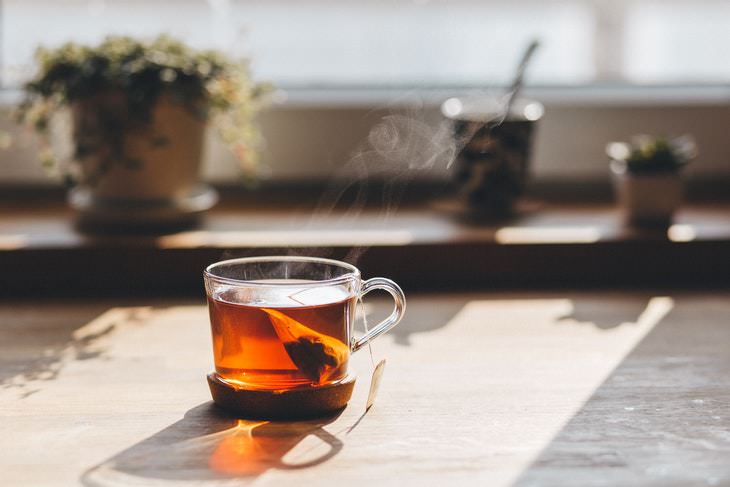
This last part doesn’t refer to a particular type of tea, but rather to the method of preparation. Many people prepare tea in the following way: they place some loose leaf tea or a tea bag into a cup, pour hot water over it, and then let the tea steep as you enjoy your brew. 
 
This method isn’t optimal, unfortunately. For one, this method will render the last few sips of your tea overly bitter, so much so that it could cause nausea or vomiting. So, if you were wondering why drinking tea was making you sick to your stomach, this can be one reason why. 
 
Brewing tea for too long can also be harmful to the body in the long-term. Certain regions of the world where tea is grown, such as China, contain high levels of metals, particularly lead and aluminum, in the soil. The longer brewing times will make more of these metals seep into your cup, which is why doctors recommend brewing tea for 3 minutes or even less.

This is only for your information, kindly take the advice of your doctor for medicines, exercises and so on.   

https://gscrochetdesigns.blogspot.com. one can see my crochet creations  
https://gseasyrecipes.blogspot.com. feel free to view for easy, simple and healthy recipes    
https://kneereplacement-stickclub.blogspot.com. for info on knee replacement
https://cancersupportindia.blogspot.com  for infor on cancer and health related topics
https://GSiyers home remedies.blogspot.com   is the latest addition to my blogs. I'm going to add posts there, do give me your valuable feed back on my blogs. Thanks a lot, take care, be healthy and be happy.

Labels: , , , , ,

Friday, June 11, 2021

5 Delicious Teas for Asthma Relief and Respiratory Health

Shortness of breath, coughing, and wheezing are the hallmarks of asthma, a common chronic condition that affects the airways and makes breathing and physical activities more difficult. But allergy sufferers, those recovering from the flu or those suffering from any other acute or respiratory condition will also likely experience similar symptoms. While medical treatments intended can address the respiratory issue you or your loved one is experiencing, it’s certainly also useful to supplement them with healthy lifestyle habits, such as breathing exercises.

Another excellent way to support the health of your respiratory system is through drinking tea, as certain herbs contain active natural compounds known to improve asthma symptoms and breathing difficulties. Below, we have listed the 5 best tea varieties shown scientifically to bring relief to respiratory issues and asthma symptoms specifically.  
 
1. Licorice Tea (Glycyrrhiza glabra)
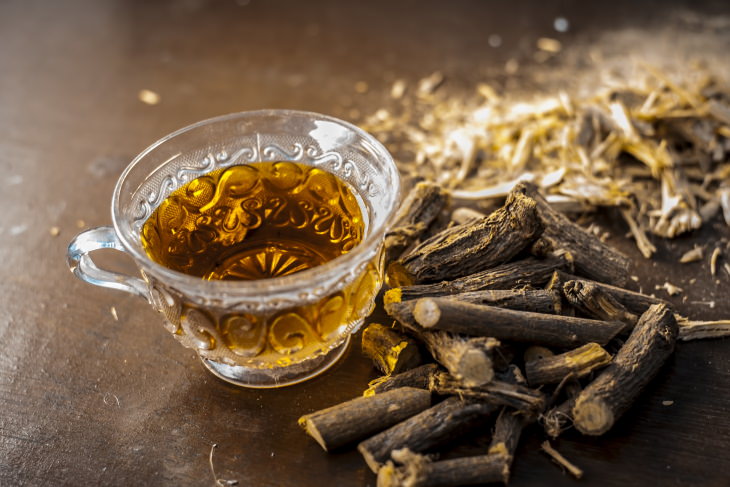
Teas for Asthma Relief  Licorice Tea (Glycyrrhiza glabra)
Licorice tea is made of dried and ground up licorice root, a powerful herbal remedy that's known to promote cardiovascular health, offer pain relief, and has been used to diminish asthma symptoms for centuries. The sweet and aromatic root naturally contains a compound called glycyrrhizin, which has been shown in animal model studies and human research to improve symptoms of asthma and potentiate conventional asthma treatments. 
 
How to make licorice tea:  
Bring 8 oz (240 ml) water to a boil, and then add 2 teaspoons of dried licorice root, chopped up into small pieces. Remove from the heat, cover with a lid, and let the tea steep for 5 minutes. Strain and enjoy warm or cold. 
 
Avoid drinking more than 1 cup (240 ml) of licorice root a day, as excessive daily consumption may increase your blood pressure and have other adverse side effects. If you have cardiovascular issues or other pre-existing conditions, ask a health professional if licorice tea is safe for you.  
 
2. Green and Black Tea (Camellia sinensis)
Both black and green tea come from the same plant, and both are rich in caffeine, antioxidants, and other plant compounds known to improve breathing and clear out the airways, as well as lower your risk of numerous diseases and aid weight loss. More specifically, the antioxidants present in green tea may address the cause of asthma and other respiratory conditions - inflammation, whereas caffeine provides temporary relief, as it is capable of relaxing the airways for up to 4 hours after absorption. Additionally, one large Korean study also found that drinking 2 cups of green tea a day made participants have a much better lung function in general compared to those who didn't drink tea. How to prepare black and green tea will depend on the brand and variety of tea, so it's best to consult the instructions printed on the packaging of the tea you have at home.

3. Mullein Tea (Verbasscum thapus)
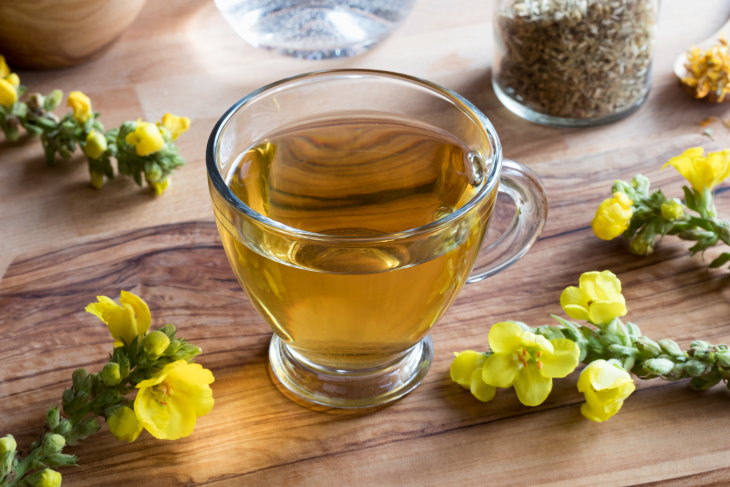
Teas for Asthma Relief  Mullein Tea (Verbasscum thapus)
Another herb known for its remarkable respiratory health benefits is the common mullein, the leaves of which are dried and used to prepare a yellow-colored tea with a refreshing and subtly sweet taste. This tea has been used in traditional medicine specifically as a remedy for respiratory issues ranging from a wet cough to bronchitis and asthma. 
 
Studies support the use of mullein for respiratory issues and asthma, suggesting it may help symptoms like coughing and wheezing. The herbal tea may also reduce inflammation and relax the muscles in your respiratory system, which can help with the feeling of tightness in the chest and shortness of breath. 
 
 How to prepare mullein tea: 
Add in 1 teaspoon of dried mullein leaves into 1 cup (240 ml) of boiling water. Then, steep the tea for 15-30 minutes, subsequently straining out the leaves and drinking as is.

4. Ginger Tea (Zingiber officinale)
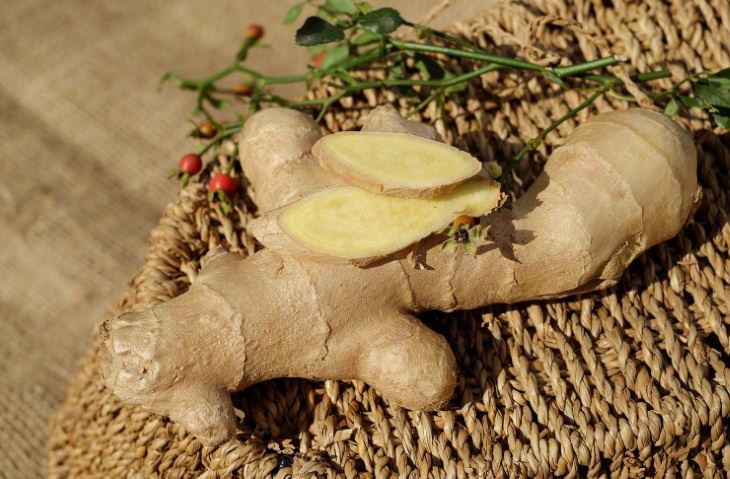
Teas for Asthma Relief Ginger Tea (Zingiber officinale)
It seems that there are very few health concerns Ginger Tea can't help with, which isn't surprising given that ginger root is such a powerful anti-inflammatory substance. The antioxidants present in ginger, such as gingerols and shogaols, reduce the inflammation in the airways, which may ultimately alleviate respiratory symptoms, breathing distress, and asthma symptoms. 
 
One study even reported that asthma patients who took 450 mg of ginger extract every day noticed 20% less wheezing and 52% less chest tightness compared to the placebo group after 2 months of taking ginger. 
 
How to make ginger tea: Finely grate a one-inch (2.5 cm) piece of peeled ginger and add to 1 cup (240 ml) of boiling water. Depending on how spicy you like your ginger tea, steep the tea from 10-20 minutes, then strain and enjoy as is or with some lemon and honey. 
 
5. Eucalyptus Tea (Eucalyptus globulus)
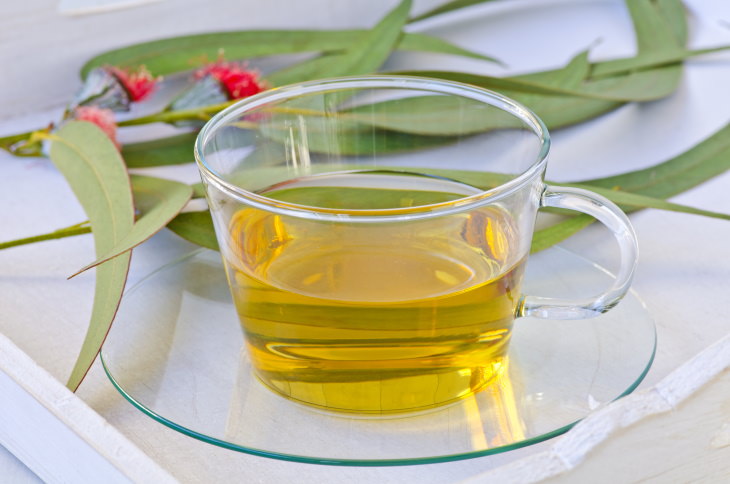
Teas for Asthma Relief  Eucalyptus Tea (Eucalyptus globulus)
The last, but certainly not the least item on our list is eucalyptus tea, which is made from dried eucalyptus leaves. Make sure NOT to prepare this tea with eucalyptus essential oil instead of dried leaves, as the essential oil is highly concentrated and toxic when ingested, whereas the leaves of the plant are safe to brew into a tea. 
 
Studies have confirmed that an ingredient called eucalyptol naturally present in the leaves of the plant is capable of decreasing inflammation, expanding the airways in your lungs, and reducing mucus production. One article even reported that taking 600 mg of eucalyptol every day reduced asthma patients' need in medication by 29% compared to placebo. 
 
How to make eucalyptus tea: 
Steep 1.5 teaspoons of dried eucalyptus leaves in 1 cup (240 ml) of boiling water for 10 minutes. Strain the leaves before drinking and enjoy cold or warm.

This is only for your information, kindly take the advice of your doctor for medicines, exercises and so on.   

https://gscrochetdesigns.blogspot.com. one can see my crochet creations  
https://gseasyrecipes.blogspot.com. feel free to view for easy, simple and healthy recipes    
https://kneereplacement-stickclub.blogspot.com. for info on knee replacement

Labels: , , , , , , , ,

Sunday, February 28, 2021

Avoid Overindulging in These 6 Teas

People are well-aware of the potent health benefits of both herbal and traditional teas. But only a small minority of regular tea drinkers are conscious of the fact that some brews are not meant to be consumed in large quantities. Moreover, several of the teas we list below are not suitable for regular use, so be mindful of what you drink and how much. When it comes to these 6 teas, a “less is more” approach is the best way to go.

1. Licorice Tea 
bad teas Licorice Tea
The natural sweetness and pleasant herbal aroma of licorice tea make it easy to down two or three cups every day. The added cardiovascular, anti-inflammatory, pain-relieving, and lung health benefits make this delicious tea a healthy choice for many. 
 
But overindulging in this delicious tea or even licorice candy is not a good idea for some, because drinking more than 1 cup (240 ml) of licorice tea a day may increase one’s blood pressure and meddle with blood pressure medication. A 54-year-old man from Massachusetts sadly passed away in 2020 after eating too much licorice candy, a case we describe in detail in the article The Most Bizarre Medical Cases of 2020. 
 
If you have cardiovascular issues or other pre-existing conditions, ask a health professional if licorice tea is safe for you. 
 
2. Lemon-Flavored Tea
bad teas Lemon-Flavored Tea
This one may have caught you by surprise, but it’s true - drinking too much lemon-flavored tea can affect your health. No, we’re not talking about the squeeze of lemon juice you’re adding to your tea, but rather the tea packets labeled to be “lemon-flavored”. 
 
The reason why you should opt for natural lemon juice rather than artificial lemon flavors is that the tea leaves used in these flavored teas are usually of very poor quality. According to Magdalena Jeszka-Skowron, Ph.D., of the Poznan University of Technology in Poland, these tea varieties contain "higher amounts of noxious metal than tea infusions made from whole leaves." 

 
Among these metals is lead, which is extremely toxic. Drinking powdered and liquid iced tea is also not a good idea, as studies show that these often contain too much fluoride and acids, which promote tooth decay and canker sores.  
 
3. Comfrey Tea 
bad teas Comfrey
Some teas are just ill-advised altogether, and comfrey tea seems to be one of such herbal teas. This may come as a surprise to many since this herbal tea has been used in traditional medicine to treat joint pain and heal wounds for a long time. However, research has found that taking comfrey tea through the mouth can cause liver damage, and can be carcinogenic. 
 
Compounds called pyrrolizidine alkaloids, which are naturally-present in comfrey leaves and roots were found to damage the liver, cause cancer, and could even be fatal. In consequence, selling comfrey tea was banned by several countries in the European Union and the FDA. Some experts also believe that topical creams and ointments containing comfrey should never be used on open wounds.
 
4. Black Tea 
bad teas Black Tea
Those in favor of a cup of strong black tea over the much milder taste of green tea need to know this. Drinking lots of black tea every day can be bad for your health in a few different ways. Firstly, black tea contains a high amount of oxalates, which build up in the body over time and can contribute to kidney and bladder stones, as well as joint pain. 
 
Secondly, drinking glasses and glasses of strong black tea every day can weaken the bones. According to one case study, a 47-year-old woman drank a gallon of tea (with 100 tea bags in each) every day for 20 years. She was hospitalized with severe bone pain and had all of her teeth removed because the excessive fluoride in the tea weakened her bones so much. 
 
Lastly, black tea can be quite high in caffeine, and so drinking it in excess may make you jittery or anxious, especially if you drink both coffee and tea every day. 
 
5. Senna Tea
bad teas Senna
Have you ever heard of senna tea? Many people haven’t, but you may have actually had some already if you ever tried a tea detox or weight-loss tea. This is because senna leaves are often the main ingredient in these teas due to their laxative effect. The main problem with senna is that the long-term use of it may cause laxative dependence. 
 
Needless to say, this can be quite dangerous, especially for people who already struggle with constipation. According to a recent study that included over 10,000 women, those who used laxatives for weight loss were 6 times more likely to develop an eating disorder. Therefore, it’s essential to stay away from all the “skinny teas” and “teatoxes” that have become increasingly common online. 
 
6. Tea that was steeped for too long
bad teas teabag tea brewing
This last part doesn’t refer to a particular type of tea, but rather to the method of preparation. Many people prepare tea in the following way: they place some loose leaf tea or a tea bag into a cup, pour hot water over it, and then let the tea steep as you enjoy your brew. 
 
This method isn’t optimal, unfortunately. For one, this method will render the last few sips of your tea overly bitter, so much so that it could cause nausea or vomiting. So, if you were wondering why drinking tea was making you sick to your stomach, this can be one reason why. 
 
Brewing tea for too long can also be harmful to the body in the long-term. Certain regions of the world where tea is grown, such as China, contain high levels of metals, particularly lead and aluminum, in the soil. The longer brewing times will make more of these metals seep into your cup, which is why doctors recommend brewing tea for 3 minutes or even less. 
 
Shorter brewing times also decrease the amount of fluoride extracted from tea leaves, so this method will also help keep your bones and teeth strong, even if you drink a lot of tea.

This is only for your information, kindly take the advice of your doctor for medicines, exercises and so on.     

https://gscrochetdesigns.blogspot.com. one can see my crochet creations  
https://gseasyrecipes.blogspot.com. feel free to view for easy, simple and healthy recipes    
https://kneereplacement-stickclub.blogspot.com. for info on knee replacement

Labels: , , , , , , ,