Sunday, January 29, 2023

Sick of Painful Leg Cramps? Here's What You Need to Do...

In addition to causing you searing pain, leg muscle cramps can wake you up in the middle of the night and disturb your sleep. Research has found that these spasms tend to increase during the warmer part of the year. Most of the time, this is caused by dehydration and the loss of electrolytes, which can lead to spasms. Toxins from smoking and heavy alcohol consumption can also affect the balance of electrolytes in your body and increase the likelihood of cramping. 
 
This terrible pain associated with leg cramps can also occur due to muscle fatigue or mechanical stress on the muscles, especially if you stand for long periods or walk on hard surfaces. Sometimes the cramping is triggered by medication such as diuretics, statins, or beta-blockers. Discuss alternative medications with your doctor to lessen this side effect. If the pain worsens and the problem continues to the point of debilitation, it’s best to consult with your physician as the condition could indicate a more serious problem.
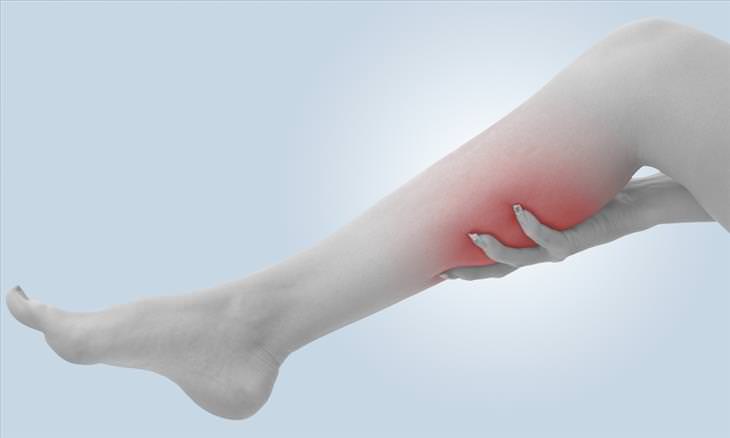
While there are prescription drugs available, if the problem isn’t persistent, you can cure these aches with some home remedies. If you prefer to turn to the pharmacy for solutions, over the counter analgesic balms or menstrual cramp medication like Midol or Pamprin are effective. One to avoid is quinine, a commonly prescribed remedy, which is extracted from the bark of Cinchona, a rainforest tree. The FDA has found serious risks with this cure as large dosages can prove fatal. 
how to treat leg cramps
1. Drink water or Gatorade before bed 
Heavy exercise and low fluid intake can cause dehydration. Doctors recommend drinking water or electrolyte filled drinks like Gatorade before retiring to sleep. Water naturally relieves cramps and hydrates the muscles, while the mineral filled drinks ensure your electrolytes, such as sodium, potassium, and calcium are not depleted. 
 
2. Place a bar of soap in bed  
This strange old wives’ tale is surprisingly effective and medical authorities even endorse it. Place a bar of soap between the mattress and bottom sheet. Experts speculate that it might be effective due to the emissions from the soap, or the gentle pressure that it puts on the muscle when you randomly toss and turn during the night. 

3. Stretching exercises  
You don’t need to do a whole workout before bed, but three minutes of stretching can prevent mid-sleep leg cramp disturbances. You can try a standing calf stretch. Place one leg in front of the other and bend the knee while extending the back leg. You should feel a relieving pull in the muscle. If you are prone to cramping in the upper leg, try a hamstring stretch. Put your feet together and do a standing forward bend at the hips. Hold this pose for 20 seconds. 
 
4. Potassium and magnesium  
When your body has a mineral deficiency, it makes it difficult for the heart to push enough blood down to your legs. Magnesium regulates the muscle and nerve functions, blood pressure and blood sugar levels; while potassium has a similar function but also plays a part in water regulation. Combined together, these two minerals can encourage effective prevention against cramping and certain foods are rich in one or the other. 
 
Bananas are an easy and healthy source of potassium while magnesium can be found in nuts, lentils, and quinoa. It should be noted that if you have kidney problems, extra magnesium can exacerbate the condition. 


This is only for your information, kindly take the advice of your doctor for medicines, exercises and so on.   

https://gscrochetdesigns.blogspot.com. one can see my crochet creations  
https://gseasyrecipes.blogspot.com. feel free to view for easy, simple and healthy recipes    
https://kneereplacement-stickclub.blogspot.com. for info on knee replacement

https://GSiyers home remedies.blogspot.com     is my latest addition to my blogs. I'm going to add posts there, do give me your valuable feed back on my blogs. Thanks a lot, take care, be healthy and be happy.

Labels: , , , , , ,

Sunday, October 17, 2021

Remedies for Muscle Spasms, Leg Cramps and Charley Horse

Muscle spasms can occur at any time of day. They can cause sudden pain, throbbing and cramping that may at times feel unbearable. If muscle pain has effected you, it may be time to make some changes to your diet, posture, fluid intake and exercise routine. But before looking at the natural treatments you can do, discover more about muscle spasms:
muscle spasms
What Are Muscle Spasms? 
 Muscle spasms are involuntary contractions of one or more muscles. During a spasm, your leg, neck or back may cramp up and tighten without you trying to move them. They tend to stay this way for a period of time and are unable to relax. 
 
The feet are the most common area for muscle spasms to occur, but it is possible to get them anywhere, including around your abdomen, ribs, hands and ankles. Muscle spasms come and go depending on what you've been eating, your sleeping patterns and even if it is that time of the month, in the case of women.

One of the most common and agonizing types of muscle spasms is the charley horse, which causes cramping in the calf muscles. The pain can be so bad that it can wake you up. Other types can kick in when you stand up, get out of bed in the morning, or just after exercising. 
 
The older you get, the more likely you are to suffer from occasional muscle spasms, primarily because we lose muscle mass each year as we age. This means that there's more pressure on our remaining muscles to support our body weight. 
 
Nevertheless, be it age or losing muscle mass or not, just about everyone experiences muscle spasms at one time or another. People who are especially prone to dealing with muscle cramps frequently include anyone with a poor diet, poor circulation, high levels of inflammation and athletes and women who are pregnant or experiencing PMS. Whatever the reason may be, here are six natural treatments for muscle spasms:

6 Natural Treatments for Muscle Spasms 
1. Prevent Electrolyte Imbalances Being deficient in potassium or magnesium can be a cause of muscle spasms. If you've been working out without refueling afterward or are beginning your menstrual cycle soon, or eat a diet that is low in fresh foods, you could be low in these two essential nutrients that help muscles contract normally. 
 
Low potassium also known as hypokalemia, develops when potassium in the blood drops below normal. It is one of the most common reasons people deal with leg cramps, including those that strike in the middle of the night. Being low in B vitamins can also increase cramps especially in your legs. Get more B vitamins by increasing your intake in eggs, grass-fed meat and wild-caught fish as well as ancient grains and legumes. 
 
2. Stretch and Massage Your Muscles  
Staying active is a great way to prevent muscle spasms. People who are physically fit maintain more muscle mass and usually have less inflammation. They also tend to be more flexible. It is important to warm-up properly and cool down before and after exercise as this can help prevent muscles from becoming overly fatigued, strained or pulled. 
 
Prior to working out, try warming up by jogging on the spot, getting your heart rate up and do dynamic movements that bring blood to your major muscles, tendons, ligaments and joints. Spend the last 10 to 15 minutes stretching your major muscle groups by holding stretches for at least 20 to 30 seconds. Focus on the vulnerable areas particularly the hamstrings, quadriceps and ankles. Furthermore, be sure to add plenty of rest for proper muscle recovery as a preventative measure. 
 
If dealing with a charlie horse, try stretching once the pain comes on. Sit down with your legs straight in front of you and pull your toes/top of your feet back toward you to stretch your hamstring. If the back of your thigh is affected, bend your affected leg and grab your foot behind you, pulling your foot up toward your back, stretching out the front of your thigh.

3. Stay Hydrated  
Dehydration may be a cause for your muscles to spasm and cramp up. Be sure to drink enough water every day based on your body size. Remember that if the weather is very hot and you are sweating, or you've been exercising or drinking alcohol, be sure to have even more than you usually do to stay hydrated. This helps prevent muscle problems caused by heat exhaustion, intense thirst or heavy sweating. 
 
4. Use Ice or Heat Packs on Sensitive Muscles  
When dealing with pain, tightness or cramping, heat relaxes the muscles. Try applying heat to the areas where you frequently get spasms by using a heating pad. A steam room or sauna may also be a good option. The same thing can be done using an ice pack, applied to swollen or painful areas several times per day. 
 
5. Adjust Your Posture 
If you are hunching over for several hours a day, or are exercising and walking with bad posture you may be putting yourself at risk of muscle pain, including back spasms or muscle spasms in the legs and neck. Kyphosis is a condition caused by rounding or forward curvature of the spine which can lead to back spasms, general back pain and overall stiffness. Slouching over can weaken your neck muscles over time and also cause strain to your back muscles. This will increase inflammation in your upper back and shoulder area. See a chiropractor for adjustments or a physical therapist if the condition becomes frequent and serious enough. 
 
6. Take a Bath with Epsom Salt  
Epsom salts are naturally rich in magnesium that seeps into your skin to reach tense muscles when added to a warm bath. They also help prevent magnesium deficiency, ease stress, soothe muscles and detoxify the body. A hot bath will also help relax the muscles and ease anxiety.


This is only for your information, kindly take the advice of your doctor for medicines, exercises and so on.   

https://gscrochetdesigns.blogspot.com. one can see my crochet creations  
https://gseasyrecipes.blogspot.com. feel free to view for easy, simple and healthy recipes    
https://kneereplacement-stickclub.blogspot.com. for info on knee replacement


Labels: , , , , , , , , , , , ,