Sunday, October 17, 2021

Remedies for Muscle Spasms, Leg Cramps and Charley Horse

Muscle spasms can occur at any time of day. They can cause sudden pain, throbbing and cramping that may at times feel unbearable. If muscle pain has effected you, it may be time to make some changes to your diet, posture, fluid intake and exercise routine. But before looking at the natural treatments you can do, discover more about muscle spasms:
muscle spasms
What Are Muscle Spasms? 
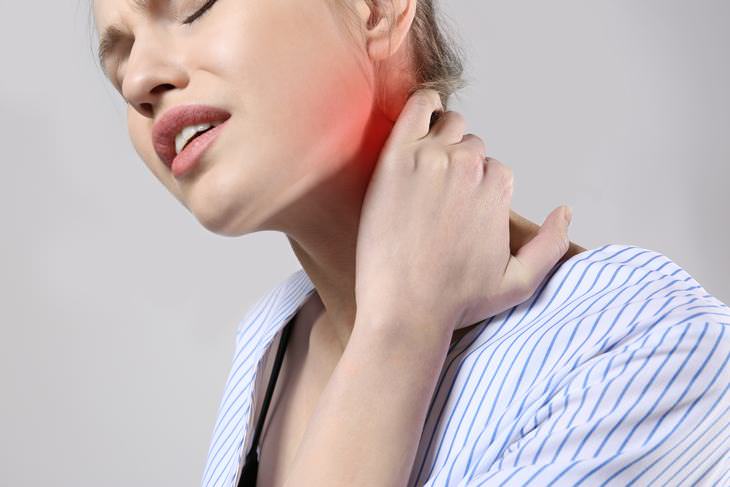
 Muscle spasms are involuntary contractions of one or more muscles. During a spasm, your leg, neck or back may cramp up and tighten without you trying to move them. They tend to stay this way for a period of time and are unable to relax. 
 
The feet are the most common area for muscle spasms to occur, but it is possible to get them anywhere, including around your abdomen, ribs, hands and ankles. Muscle spasms come and go depending on what you've been eating, your sleeping patterns and even if it is that time of the month, in the case of women.

One of the most common and agonizing types of muscle spasms is the charley horse, which causes cramping in the calf muscles. The pain can be so bad that it can wake you up. Other types can kick in when you stand up, get out of bed in the morning, or just after exercising. 
 
The older you get, the more likely you are to suffer from occasional muscle spasms, primarily because we lose muscle mass each year as we age. This means that there's more pressure on our remaining muscles to support our body weight. 
 
Nevertheless, be it age or losing muscle mass or not, just about everyone experiences muscle spasms at one time or another. People who are especially prone to dealing with muscle cramps frequently include anyone with a poor diet, poor circulation, high levels of inflammation and athletes and women who are pregnant or experiencing PMS. Whatever the reason may be, here are six natural treatments for muscle spasms:

6 Natural Treatments for Muscle Spasms 
1. Prevent Electrolyte Imbalances Being deficient in potassium or magnesium can be a cause of muscle spasms. If you've been working out without refueling afterward or are beginning your menstrual cycle soon, or eat a diet that is low in fresh foods, you could be low in these two essential nutrients that help muscles contract normally. 
 
Low potassium also known as hypokalemia, develops when potassium in the blood drops below normal. It is one of the most common reasons people deal with leg cramps, including those that strike in the middle of the night. Being low in B vitamins can also increase cramps especially in your legs. Get more B vitamins by increasing your intake in eggs, grass-fed meat and wild-caught fish as well as ancient grains and legumes. 
 
2. Stretch and Massage Your Muscles  
Staying active is a great way to prevent muscle spasms. People who are physically fit maintain more muscle mass and usually have less inflammation. They also tend to be more flexible. It is important to warm-up properly and cool down before and after exercise as this can help prevent muscles from becoming overly fatigued, strained or pulled. 
 
Prior to working out, try warming up by jogging on the spot, getting your heart rate up and do dynamic movements that bring blood to your major muscles, tendons, ligaments and joints. Spend the last 10 to 15 minutes stretching your major muscle groups by holding stretches for at least 20 to 30 seconds. Focus on the vulnerable areas particularly the hamstrings, quadriceps and ankles. Furthermore, be sure to add plenty of rest for proper muscle recovery as a preventative measure. 
 
If dealing with a charlie horse, try stretching once the pain comes on. Sit down with your legs straight in front of you and pull your toes/top of your feet back toward you to stretch your hamstring. If the back of your thigh is affected, bend your affected leg and grab your foot behind you, pulling your foot up toward your back, stretching out the front of your thigh.

3. Stay Hydrated  
Dehydration may be a cause for your muscles to spasm and cramp up. Be sure to drink enough water every day based on your body size. Remember that if the weather is very hot and you are sweating, or you've been exercising or drinking alcohol, be sure to have even more than you usually do to stay hydrated. This helps prevent muscle problems caused by heat exhaustion, intense thirst or heavy sweating. 
 
4. Use Ice or Heat Packs on Sensitive Muscles  
When dealing with pain, tightness or cramping, heat relaxes the muscles. Try applying heat to the areas where you frequently get spasms by using a heating pad. A steam room or sauna may also be a good option. The same thing can be done using an ice pack, applied to swollen or painful areas several times per day. 
 
5. Adjust Your Posture 
If you are hunching over for several hours a day, or are exercising and walking with bad posture you may be putting yourself at risk of muscle pain, including back spasms or muscle spasms in the legs and neck. Kyphosis is a condition caused by rounding or forward curvature of the spine which can lead to back spasms, general back pain and overall stiffness. Slouching over can weaken your neck muscles over time and also cause strain to your back muscles. This will increase inflammation in your upper back and shoulder area. See a chiropractor for adjustments or a physical therapist if the condition becomes frequent and serious enough. 
 
6. Take a Bath with Epsom Salt  
Epsom salts are naturally rich in magnesium that seeps into your skin to reach tense muscles when added to a warm bath. They also help prevent magnesium deficiency, ease stress, soothe muscles and detoxify the body. A hot bath will also help relax the muscles and ease anxiety.


This is only for your information, kindly take the advice of your doctor for medicines, exercises and so on.   

https://gscrochetdesigns.blogspot.com. one can see my crochet creations  
https://gseasyrecipes.blogspot.com. feel free to view for easy, simple and healthy recipes    
https://kneereplacement-stickclub.blogspot.com. for info on knee replacement


Labels: , , , , , , , , , , , ,

Friday, January 31, 2020

Top 8 Natural Treatments For Sciatic Pain

Top 8 Natural Treatments For Sciatic Pain 

The sciatic nerve is one of the largest nerves of our body. It runs all the way down from the lower spine over the buttock to both feet to provide movement, feeling, and strength in both legs.

As many as 40% of all people will suffer from sciatic pain at some point in their life. This is a condition which is often mistaken for lower back pain or leg cramps. But it actually is something that puts pressure or pinches the nerve and fires pain down your back or thigh to your legs.


Sciatic pain can vary from a mild ache or numb feeling to a sharp, burning and very painful sensation that occurs off and on through one side of your body. Most people stay in bed and take ibuprofen or other over the counter painkillers to find relief.

Here are 8 natural ways that could help you to cure the inflammation and fight sciatic pain.

1.    Acupuncture

Acupuncture is an alternative treatment were hair-fine needles are inserted at specific points of your body. It stimulates energy flow and improves nerve function. Some people get relief after just one session, but for most people it takes a few sessions.
Acupuncture is gaining more and more popularity and it can be used to treat many conditions, such as relieving migraines, stimulating lymph flow, treating stress, and even quit smoking.

2.    Chiropractor

Although the effectiveness of chiropractic adjustments shows mixed scientific results, many sciatic patients report a significant reduction in sciatic pain.
Spinal manipulation can restore the mobility, improve function, reduce inflammation, decrease the pain, and promote natural healing.

3.    Ice Packs

Ice packs (or a package of frozen peas wrapped in a towel) work great to find instant relief. Apply for 20 minutes on the affected area every two hours until pain disappears.

4.    Alternate Temperatures

Although ice packs work great to find instant relieve, the sciatic nerve lies deep within our body and ice packs won’t go down to the inner inflammation.

Apply a hot pack, just after icing or take a very hot bath. Alternate temperatures boost blood circulation and lymph flow, which can help you to reduce inner inflammation and assist the healing process.

5.    Mild (Yoga) Stretches

Moving around may be the last thing on your mind when struggling with sciatic pains, but it is important to get physically active or the pain will last longer.
Inactivity actually aggravates the problem. Some people report improvements through gentle back or yoga stretches. These exercises increase blood flow, strengthen the back muscles, and improve mobility.
Alternatively you can walk to stretch your leg and back muscles.

6.    Massage

Deep tissue massage or trigger-point therapy has shown some beneficial effects on muscle spasms, pain, and numbness of legs and toes.
Use herb infused oil or add essential oils to enhance the effect.

7.    Tennis Ball Therapy

Tennis ball therapy utilizes the principles of massage, acupressure and reflexology which help to relieve sore muscles and muscle tension.
In the case of sciatic pain, the tennis ball aims to treat the piriformis muscle which is located close to the sciatic nerve. This muscle can push the sciatic nerve against the tendons beneath it, which results in contributing to the familiar buttock and leg pain.
The tennis ball presses and treats trigger points in the piriformis muscle, reduces the muscle tension and rigidity, improves mobility and improves blood circulation to the area.

8.    Epsom Salt Bath

Epsom salts are known to relax the nervous system and draw toxins out of your body, and can be found in any local drug store.
Fill the bath with hot water and add 2 cups of Epsom salt. Soak in the bath for about 15-20 minutes. The heat of the bath will also increase circulation and reduce inflammation.
And last but not least, give your nerves and body time to heal, relax, and balance.
So get some extra sleep and rest to give your nerves the chance to rebuild and strengthen themselves.
Although most of these complementary and alternative remedies are not backed up by scientific studies, many people report significant improvements and it helps control the pain, spasm, numbness, and cramps.
If the pain and symptoms persist, it is important to visits a doctor to see if there is a dislocated vertebrate or any other condition that pinches or puts pressure on your nerves. Sometimes a surgery is needed to put everything back in place.

This is only for your information, kindly take the advice of your doctor for medicines, exercises and so on.     
https://gscrochetdesigns.blogspot.com. one can see my crochet creations  
https://gseasyrecipes.blogspot.com. feel free to view for easy, simple and healthy recipes    
https://kneereplacement-stickclub.blogspot.com. for info on knee replacement
 

 source-healthynnaturalworld

Labels: , , , , , , , , , , , , ,

Wednesday, November 14, 2018

Cuases And Treatment For Heel Pain

The toes and heels are the most load bearing components within your feet which take most of the weight when walking, running, exercising or even standing up. The heels are an especially vulnerable part of the body which can become painful either due to injuries or excessive stress put on it. Pain in your heels can also be a sign of other problems in your body.

Heel pain is an extremely common complaint, and there are several common causes. It is important to make an accurate diagnosis of the cause of your symptoms so that appropriate treatment can be directed at the precise cause of the problem. Once the source of the pain is clear, a more targeted treatment plan can help you speed your recovery. Furthermore, knowing the right cause of symptoms can help you take steps to prevent the condition from returning. If you have pain, some causes include:

Most Common Causes of Heel Pain  

Plantar Fasciitis: This is the most common condition that causes heel pain. Plantar fasciitis is due to irritation and inflammation of the tight tissue that forms the arch of the foot. Plantar fasciitis is characterized by pain on the bottom of the heel that is often felt upon weight bearing after rest, such as when taking your first steps in the morning or when standing up after prolonged sitting. There are many treatments that people use for plantar fasciitis including ice application, anti-inflammatory medications, footwear modification, stretching, and others. Often it takes time and avoidance on aggravating activities in order for the body to fully recover from this condition. The words plantar fasciitis and heel spur are often used interchangeably, and while they don't really mean the exact same thing, they often are used to describe the same problem.  

Achilles tendonitis: This type of tendonitis causes an inflammation of the Achilles tendon and is the result of overuse or trauma to the Achilles, the large cord-like tendon that attaches to the back of the heel bone. The pain is usually located at the part of the tendon that is slightly above the heel bone, although this can also cause pain directly at the insertion of the tendon on the heel bone. Achilles tendonitis often causes nagging pain that may take months or longer to resolve. Some simple treatments including ice, anti-inflammatory medications, or heel wedges can be helpful, but in more advanced situations, the foot may need to be immobilized for a time.

Other Sources of Heel Pain 

Tarsal Tunnel Syndrome:  This nerve condition causes a large nerve in the back of the foot to become pinched. Similar to carpal tunnel syndrome in the hand, tarsal tunnel syndrome can cause heel pain. In addition, other nerve symptoms such as numbness and tingling can occur in people who have this condition.

Stress Fractures::  Overuse injuries of the bone can lead to stress fractures. A stress fracture is especially concerning in athletes such as long distance runners who have heel pain. Typically these symptoms will occur gradually over time, especially when athletes or long distance runners increase their running mileage.

Heel Bursitis:  or 'Pump Bump': Bursitis is inflammation of a fluid-filled sac that lies between a tendon and bone. Retrocalcaneal bursitis causes pain deep in the back of the heel and is the result of inflammation of a bursa that lies beneath the Achilles tendon where it attaches to the back of the heel bone. Another type of  bursitis occurs from the shoe rubbing against a bony prominence on the heel bone. This results in pain, redness, and sometimes swelling on the upper part of the back of the heel.                                                                                                  

Sprains or straining the leg: Exercising is one of the most common culprits behind heel damage. Wearing the wrong shoes over prolonged periods, which can cause your balance to be shifted and will lead you to put strain on your heels and cause pain. Falling or spraining during exercising or training can also cause heel pain. 

Achilles tendon:  A common cause for heel pain, the Achilles tendon connects the calf muscle to the heel. If this is torn or damaged, it can cause pain in your heel.

Arthritis:  The deposition of uric acid crystals in parts of your body may result in arthritis; this is a fairly common cause for heel pain as well.

When to Call the Doctor

If you are unsure of the cause of your symptoms, or if you do not know the specific treatment recommendations for your condition, you should seek medical attention. Treatment of heel pain must be directed at the specific cause of your problem. Some signs that you should be seen by a doctor include:
  • Inability to walk comfortably on the affected side
  • Heel pain that occurs at night or while resting
  • Heel pain that persists beyond a few days
  • Swelling or discoloration of the back of the foot
  • Signs of an infection, including fever, redness, warmth
  • Any other unusual symptoms

Treatment

Treatment depends entirely on the cause of the problem. Therefore, it is of utmost importance that you understand the cause of your symptoms before embarking on a treatment program. If you are unsure of your diagnosis, or how severe your condition is, you should seek medical advice before beginning any treatment plan.
Some common treatments are listed here. Not all of these treatments are appropriate for every condition, but they may be helpful in your situation. 

Rest: Avoiding the precipitating activity; for example, take a few day off jogging or prolonged standing/walking. Just resting usually helps to eliminate the most severe pain, and will allow the inflammation to begin to cool down. 

Apply Ice packs: Icing will help to diminish some of the symptoms and control the heel pain. Icing is especially helpful after an acute exacerbation of symptoms. 

Exercises and stretches: Exercises and stretches are designed to relax the tissues that surround the heel bone. Some simple exercises, performed in the morning and evening, often help patients feel better quickly. 

Anti-Inflammatory Medications: Anti-inflammatory medications help to both control heel pain and decrease inflammation. Over-the-counter medications are usually sufficient, but prescription options are also available. 

Shoe Inserts: Shoe inserts are often the key to successful treatment of heel pain. The shoe inserts often permit patients to continue their routine activities.

Prevention

Preventing symptoms of heel may be a critical component to the long-term treatment of your condition. Depending on the exact source of pain, prevention strategies may slightly differ, but in general there are some steps that you can take to avoid a recurrence of heel pain symptoms. Some of these steps include:

Gradually increasing activity levels, especially athletes who were increasing their athletic activities or running mileage, progressing gradually over time, and taking breaks to ensure has opportunity to heal, can help prevent recurrent wound healing problems.

Maintaining ideal body weight: Excess body weight causes a number of medical concerns, among them is the increased burden on the lower extremities. People with excess body weight have a higher chance of developing arthritis in your joints, and place increased stress on the lower extremities, including the heel.

Wearing the right footwear: Wearing appropriate footwear for different types of weight-bearing activities is critical for prevention of many types of heel pain. Some activities require appropriate support or cushioning, and wearing the appropriate footwear for the activity can help avoid a recurrence of heel pain.

Early identification of discomfort: Usually your body will let you know when you are doing some kind that is causing an aggravation. Listening to the symptoms, especially in the early stages, can give you an opportunity to address a problem before it becomes severe. Continuing to perform an activity that is causing worsening of symptoms, can lead to a more significant problem that is harder to address.

THIS IS ONLY FOR INFORMATION, ALWAYS CONSULT YOU PHYSICIAN BEFORE HAVING ANY PARTICULAR FOOD/ MEDICATION/EXERCISE/OTHER REMEDIES.                                                                                                                                                                                                             PS- THOSE INTERESTED IN RECIPES ARE FREE TO  VIEW MY BLOG-                                                                                           https://gseasyrecipes.blogspot.com/   

FOR INFO ABOUT KNEE REPLACEMENT, YOU CAN VIEW MY BLOG-                                                                                                    https:// kneereplacement-stickclub.blogspot.com/                              

FOR CROCHET DESIGNS                                                                                                                                                                                                                                 https://gscrochetdesigns.blogspot.com

Labels: , , , , , , , , , , , ,