Wednesday, October 13, 2021

12 Natural Essential Oils for Pain Relief

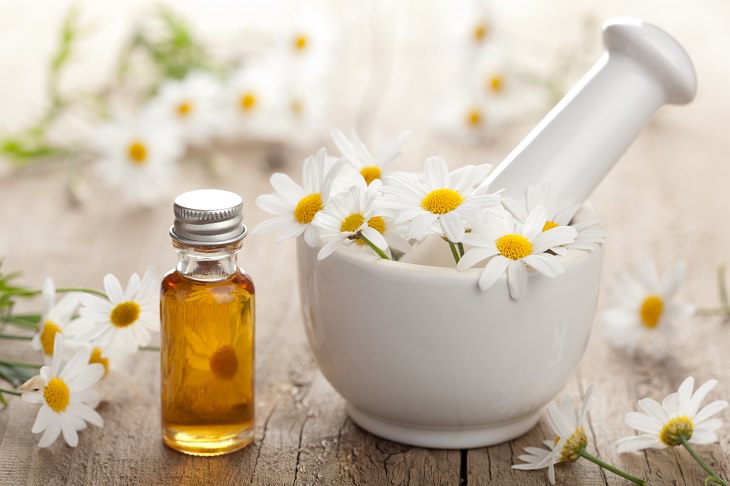
What do you do when you are suffering from a migraine, or have pulled a muscle in your shoulder? How do you deal with a chronic condition like sciatica or arthritis, on a regular basis? When pain strikes, we will generally do just about anything and everything we can to get rid of that throbbing feeling, but while painkillers may seem like an obvious choice, swapping your meds for essential oils might be a wiser choice.
How do essential oils work?  
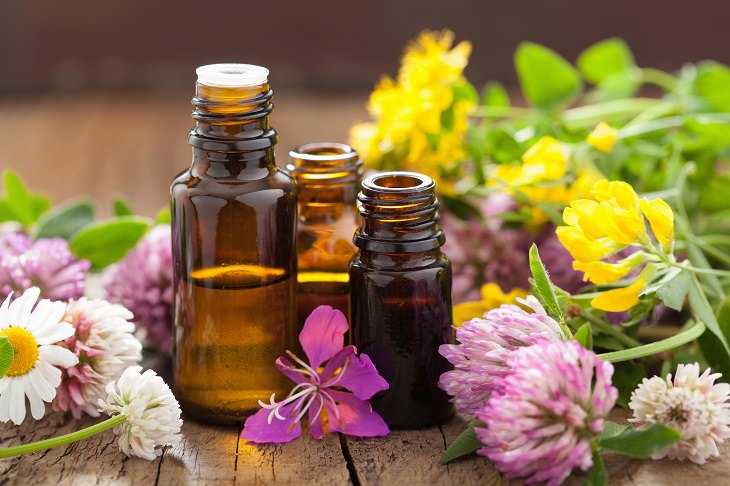
Essential oils are natural extracts from the core of a plant. They are produced as a by-product of photosynthesis (a process that converts light energy into chemical energy). Each extracted aromatic essence has its own unique chemical constituent, and each has its own specific therapeutic properties. When used correctly, the oils work to balance, harmonize and promote health of the body, mind and spirit. They work on a physiological, psychological and spiritual level, enhancing your innate healing process. 
 
The oils work on the mind and body in two ways: 
 
Through inhalation: Essential oils are volatile substances. When inhaled, the scent works its way up the nose, where thousands of receptors identify with its fragrant smell. At this point, the scent is processed by the limbic system in the brain (where emotional and psychological responses are processed) triggering a range of responses, from relaxing to stimulating. 
 
Through skin absorption: Essential oils (usually blended with a base oil - more details below) can be rubbed onto the affected area. Upon application, the oils work their way through all the layers of the skin, and into the bloodstream.

So, the next time you're in need of a little pain relief, opt for any of these 12 essential oils to help ease your aches and pains quickly. 
 
Disclaimer: Natural remedies should always be handled with care and essential oils are no exception to the rule. Essential oils should never be rubbed directly onto your skin, unless they have been diluted in a carrier oil (a cold pressed vegetable oil, such as coconut oil, sweet almond oil, avocado oil, olive oil, sesame oil, grapeseed oil or sunflower oil). 


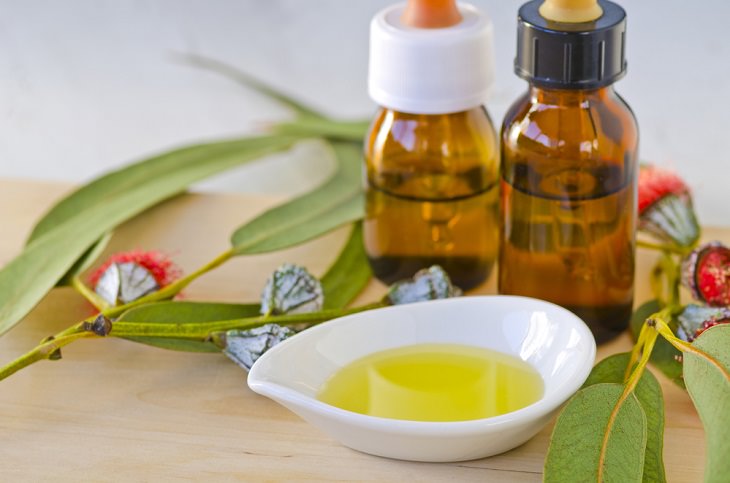
Eucalyptus Essential Oil
Properties:  
• Anti-inflammatory 
• Analgesic (pain killing) properties  
 
Benefits:  
• Eases sinuses. 
• Treats a stuffy nose (due to a cold). 
• Treats muscle aches, pains, strains and sprains. 
• Helps alleviate nerve pain.  
 
Use
• Add 6 to 10 drops in a bath, diluted in 1 tablespoon milk or honey, dispersed in water. 
 
• Add 12 drops to 1 fl. oz (30ml) carrier coil, then massage into the skin.  


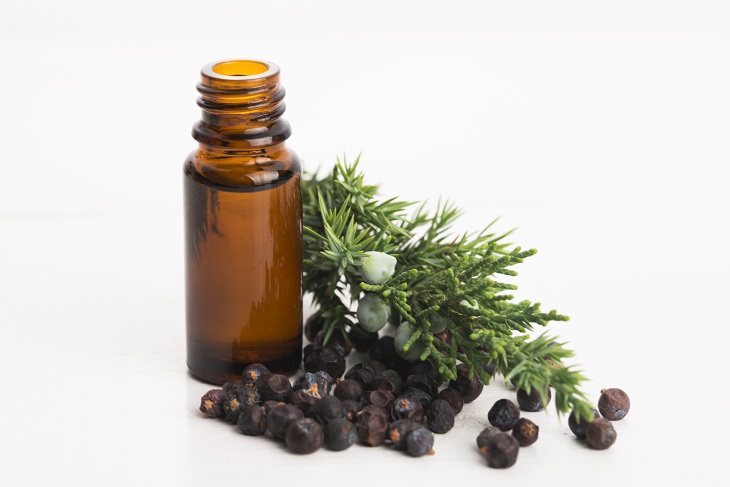
Juniper Essential Oil
Properties: 
• Antispasmodic 
• Anti-rheumatic effects (perfect for anyone with Rheumatoid Arthritis) 
 
Benefits: 
• Alleviates everyday aches and pains. 
• May help with neuropathic pain. 
• Incredibly invigorating.
• Inspires you to get things done if you're lacking motivation. 
 
Use:  
• Add 12 drops to 1fl. oz (30ml) carrier oil, massaging into the skin. 
• Due to its invigorating properties, do not use at night. 


Chamomile Essential Oil 
Properties:  
• Anti-inflammatory 
 
Benefits:  
• Relieves PMS pain. 
• Alleviates muscle pains. 
• Aids headaches. 
 
• Eases neuralgia (pain along the course of a nerve). 
• Helps combat stress. 
 
Use:  
• Best used in a warm bath. 
• Add 6 to 10 drops in a bath, diluted in 1 tablespoon milk or honey, dispersed in water. 


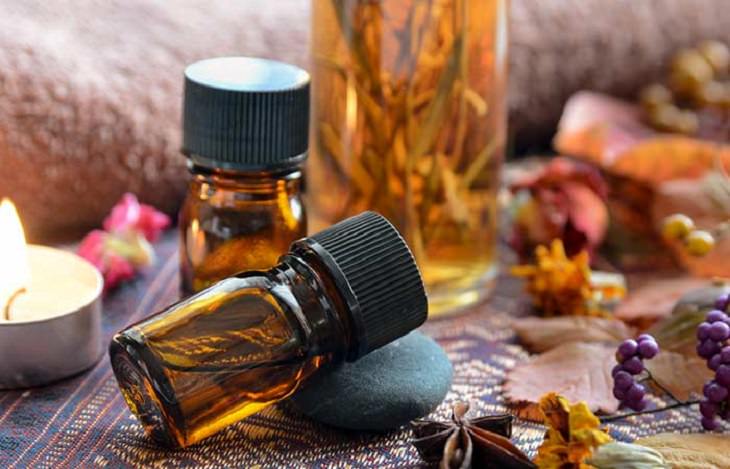
Sandalwood Essential Oil
-
Properties: 
• Anti-inflammatory 
 
Benefits: 
• Must-have oil for dealing with muscle spasms. 
• Soothes sciatica. 
• Beneficial for lymph-node congestion. 
• Supports digestive and cardiovascular system. 
• Relieves minor skin irritations. 
• Will help calm and relax you.  
 
Use:  
• 6 to 10 drops diluted with 1 tablespoon of milk or honey in a bath. 
• Or, 12 drops to 1fl. oz (30ml) carrier oil and rub on affected area, when in pain. 
• To open up a clogged lymphatic system, massage the diluted solution directly on to the spine in a slow, counter-clockwise movement toward the heart. 


Lavender Essential Oil
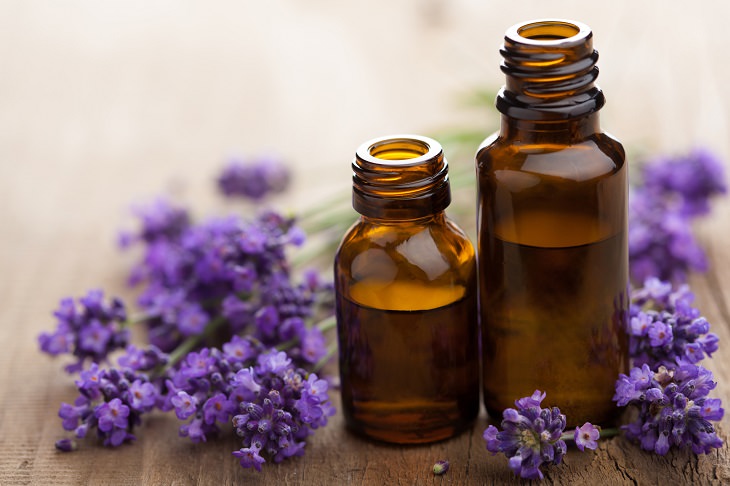
Properties: 
• Antimicrobial Benefits: 
 • Melts away tension. 
• Combats any muscle pain or tension. 
• Helps deal with insomnia episodes. 
 
 
Use
• For some much needed pain relief combine with chamomile and/or sandalwood. 
• Add 4 drops lavender, 4 drops chamomile and 4 drops sandalwood to 1fl. oz (30ml) carrier oil. 
• The cheaper variations of lavender oil are usually mixed with fragrance - and will not work as well.


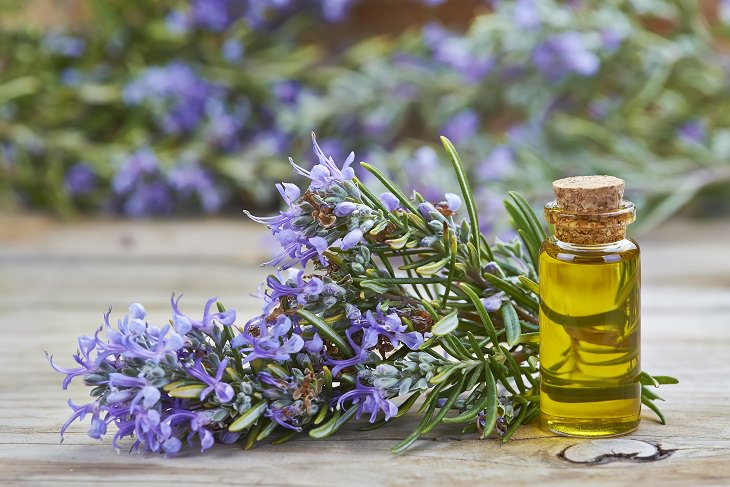
Rosemary Essential Oil
Properties: 
• Analgesic 
• Antispasmodic  
 
Benefits: 
• Relieves muscle sprains and spasms. 
• Eases joint pain. 
• Headache relief.  
 
Use:  
• Dilute 12 drops to 1fl. oz (30ml) carrier oil. 
• For headaches, apply dilution to a cotton ball and rub accordingly. 


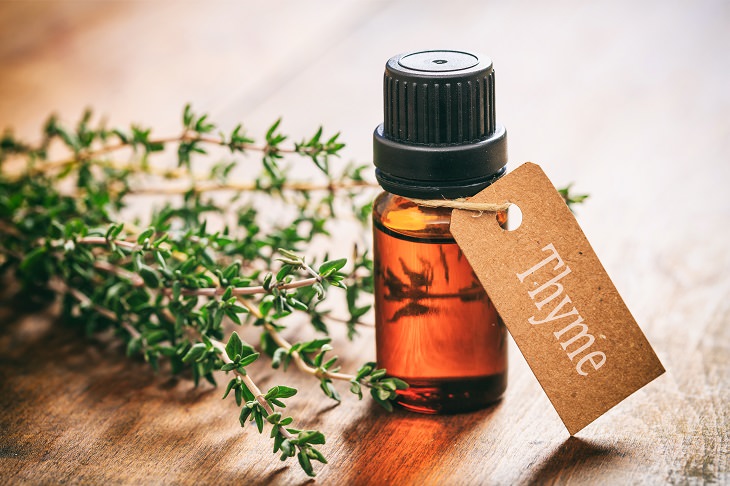
Thyme Essential Oil
Properties: 
• Antispasmodic  
 
Benefits
• Perfect for back spasms. 
• Relieves general aches and pains.  
 
Use: • Due to its potent smell, apply 12 drops to 1fl. oz (30 ml) carrier oil, using a cotton ball.


Marjoram Essential Oil
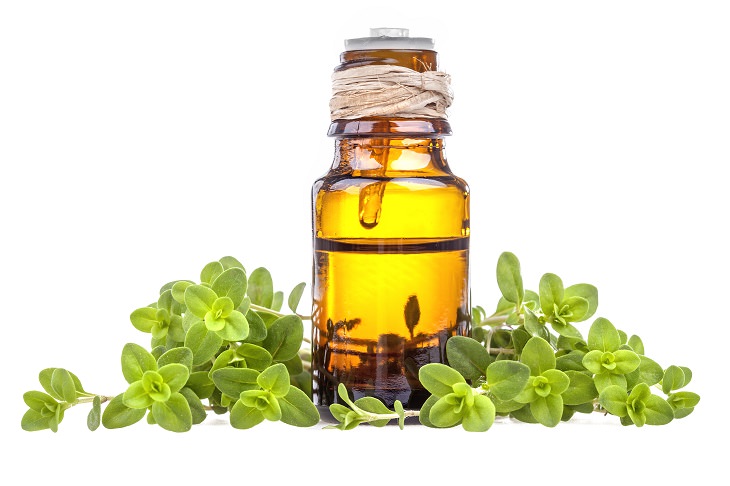
Properties: 
 • Sedative effects  
 
Benefits:  
• Relieves migraines. 
• Perfect for muscle stiffness and soreness. 
• Eases muscle spasms. 
• Alleviates pain associated with arthritis.  
 
Use: 
• Most effective when diluted with a carrier oil [12 drops to 1 fl. oz (30ml)]. 
• Use in an aromatherapy diffuser by adding 5 drops to a burner. 
• May be inhaled by adding 10 drops to 4fl. oz (100ml). 


Wintergreen Essential Oil
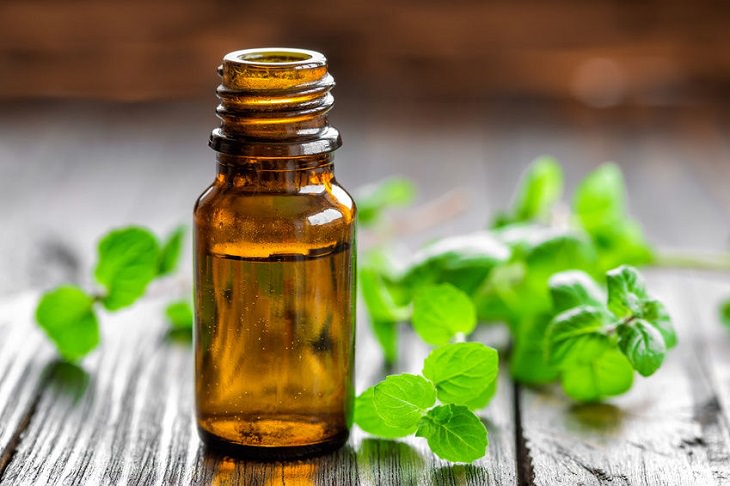
Properties: 
• Analgesic 
• Anti-inflammatory 
• Antispasmodic 
 
Benefits: 
• Combats headaches. 
• Eases back pain. 
• Alleviates stiff joints.  
 
Use: • Rub on skin where necessary [12 drops to 1fl. oz (30ml) carrier oil].  
 
 
Spruce Essential Oil
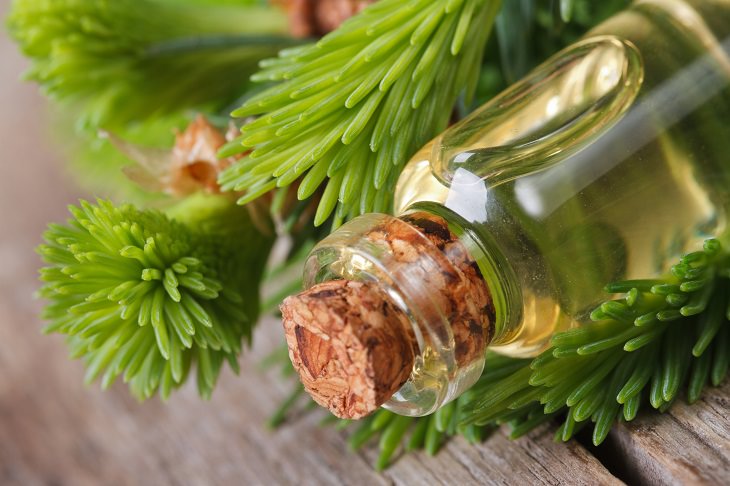
Properties: 
• A powerful immune system and adrenal glands stimulator.  
 
Benefits: 
• Reduces pain caused by arthritis. 
• Eases lower back pain.
• Aids bone pain. 
• Lessens pain associated with sciatica and Rheumatoid Arthritis. 
 
Use: 
 • Use as an aromatherapy diffuser by adding 5 drops to a burner to help calm and center your mind. 
• Rub by diluting 12 drops to 1fl. oz (30ml) carrier oil, to affected area.  
 
 
Frankincense Essential Oil
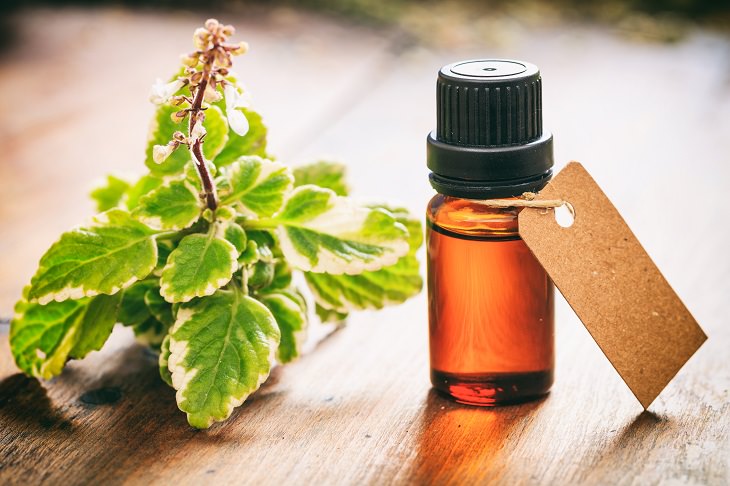
Properties:  
• One of the most powerful anti-inflammatory oils  
 
Benefits: 
• Perfect for dealing with day-to-day aches and pains associated with arthritis and migraines.  
 
Use: 
 • Most effective when rubbed on the skin [dilute 12 drops to 1fl. oz (30ml) carrier oil].
• Inhale by adding the diluted blend onto a fabric cloth.  


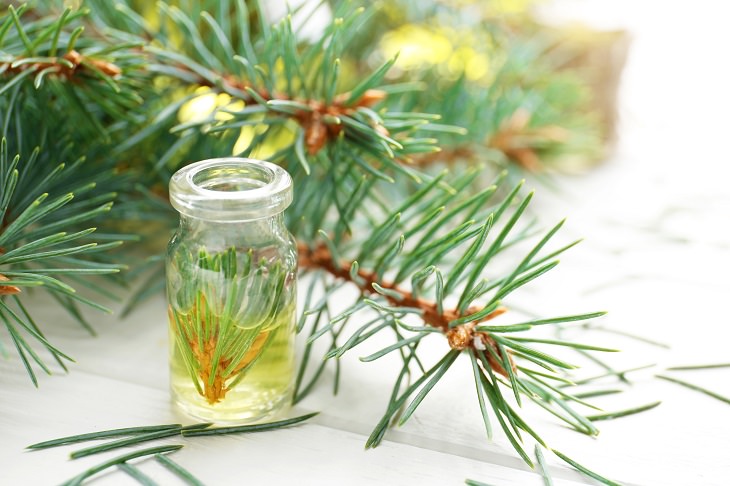
White Fir Essential Oil
Properties: 
• Anti-arthritic 
• Analgesic
• Antiseptic 
 
Benefits:  
• Use on achy muscles (particularly after a workout).  
 
Use:  
• Massage directly onto muscle pain by diluting 12 drops to 1fl. oz (30ml) carrier oil.  
 
Top Tips 
• Combinations tend to work better, though their smell can at times be a little overpowering. When combining oils together, be sure to get the right dosage. As a rule of thumb, bear in mind that you need to dilute 12 drops essential oil to 1fl. oz (30ml) carrier oil. Therefore, if combining two oils, add 6 drops of one oil and 6 of another. If using three essential oils, add four drops of each, and so forth.
 
• Get as much out of the oils as you possibly can by applying a hot compress to the affected area after the dilution has been massaged into your skin. The heat and moisture from the compress will help the oils penetrate your skin and enter the body. 
 
• Use the oils two to four times a day, depending on the intensity of your pain. If using four times a day is not enough, seek medical advice. 
 
• When purchasing essential oils, look out for oils that are all-natural and pesticide free.

This is only for your information, kindly take the advice of your doctor for medicines, exercises and so on.   

https://gscrochetdesigns.blogspot.com. one can see my crochet creations  
https://gseasyrecipes.blogspot.com. feel free to view for easy, simple and healthy recipes    
https://kneereplacement-stickclub.blogspot.com. for info on knee replacement

Labels: , , , , , , , , , , , , , , , ,

Sunday, November 18, 2018

Chinese and American Skullcap- herbs

Although one would be inclined to think of the Pope when hearing the word “skullcap”, it can also refer to two herbs, American skullcap (Scutellaria lateriflora) and Chinese skullcap (Scutellaria baicallensis).
The two plants are from the same family, but serve different purposes when it comes to medicinal uses, and have different physical characteristics. As their full names suggest, they also grow in entirely different parts of the world. The American skullcap is native to North America, but found in Europe and elsewhere, whereas the Chinese skullcap is found in China and Russia.
The plants get their name from the shape of their small blue or purple flowers, which are hooded, tube-shaped and two-lipped. The upper lips form a hood, and the lower lid has two lobes.
Growing to between 2 and 4 feet in height and having leaves that grow to some 3 inches long, the American skullcap is a slender and heavily-branched plant. On the other hand, the Chinese skullcap has single, narrow and erect stems that bear inch-long bluish-purple flowers. Its skinless and yellow root anchors the plant. Here’s all you need to know about American and Chinese skullcap:
American Skullcap
American skullcap has antioxidant properties that are believed to protect against Alzheimer’s disease, Parkinson’s disease, anxiety, and depression.
These properties have also been found to boost antioxidant activity in the liver, which is considered to be one of our organs that takes longest to recover. American skullcap boosts the liver’s efficiency, helping it to reduce toxin levels in the body and the blood. In turn, this leads to enhanced well-being.
Sedative
Seeing as it’s a nervine, American skullcap can help to treat epilepsy, hysteria, panic attacks, anxiety, and delirium tremens. What’s more is that it can induce sleep naturally, doing away with the side effects that come with over-the-counter prescription drugs and sleeping aids.
Antispasmodic
Throat infections, headaches from stress, neuralgia, and after-effects of incessant coughing can all be taken care of with American skullcap. It’s even useful for treating individuals experiencing withdrawal symptoms from tranquilizers and barbiturates. It’s also believed to be effective for treating anorexia nervosa, fibromyalgia, and mild Tourette’s syndrome.
Analgesic
Not only can American skullcap offer pain relief throughout the whole body, but it can also reduce inflammation and help the body heal from wounds and inflammation.
Chinese Skullcap
Chinese skullcap is recognized as a very strong antiviral that can work against certain viruses, and it also has antibacterial properties that can work against certain virus strains. Furthermore, it’s also good for lessening symptoms of diabetes and hypertension. With that being said, more research needs to be done in human studies.
What Is Skullcap Used For?
Although both skullcap plants are used for medicinal purposes, it’s actually different parts of each plant that are used, namely American skullcap leaves and Chinese skullcap roots. American skullcap was widely used for two centuries to treat ailments such as anxiety, nervous tension, and convulsions.
Both plants are usually available in both powder and capsule form, however, American skullcap teas and extracts are also sold nowadays.
Certain Native American tribes are known to use American skullcap to treat rabies and schizophrenia. They also used it during spiritual ceremonies to induce hallucinations and see visions.
Chinese skullcap is used to relieve the following conditions:
• Allergies
• Common cold
Headaches
• Irritability
• Inflammation
• Infections accompanied by a fever
• Urinary tract infections
• Redness of the eyes and the face
• Abdominal pain
• Nosebleed
• Jaundice
• Diarrhea
• Dysentery
• Gout
• Vaginal bleeding
How to Grow Skullcap
American skullcap is best grown in partial shade as opposed to full sunlight and thrives on grassy slopes at high altitudes. It’s usually cultivated in sandy, rocky and dry soils, as well as in planting beds. It blooms in late spring, all throughout the summer or even early fall, depending on the climate it’s being grown in.
The seeds of both plants are best sown in early spring after the risk of frost has passed. They germinate at a naturally high rate and fare better if stratified for approximately one week.
Place the seeds in a sealed plastic bag with sand or a moist paper towel. Put them in your refrigerator, and leave them there for a week.
When the week is up, tamp the seeds lightly into the soil in flats that are about a ¼ inch deep. The seeds will germinate some two weeks after. When the first leaves have developed, begin transplanting the plant outdoors, ensuring that you leave a 12-inch gap between each row that you plant.
Water the plant moderately, ensuring that the soil is well-drained. You can also propagate skullcap plants by dividing roots or cuttings. The grown plants will eventually spread and clump, and they may even grow to be resistant to major pests.
Skullcap plants should be harvested when their flowers are in full bloom. Use shears or scissors to harvest the flowers and leaves. Make sure that you leave at least 3 inches of the plant above the ground when harvesting.
One Final Thing – Potential Side Effects of Skullcap
Always consult a physician before using skullcap, because it’s known to have several side effects. It also interacts with certain herbs, supplements or other medications. The effects of the sedatives below were all found to be increased when used in combination with both American and Chinese skullcap:
• Anticonvulsants like phenytoin (Dilantin) and valproic acid (Depakote)
• Barbiturates
• Benzodiazepines like alprazolam (Xanax) and diazepam (Valium)
• Insomnia-treating drugs like zolpidem (Ambien), zaleplon (Sonata), eszopiclone (Lunesta) and ramelteon (Rozerem)
Pregnant or breastfeeding women must avoid skullcap due to potential complications that can arise. There are also certain varieties of American skullcap that are contaminated with germander, a group of plants that are thought to cause liver problems. The plant should always be bought from a reputable seller in order to avoid such issues.
Last but not least, Chinese skullcap should not be used by diabetics, especially if there’s no doctor supervision involved. The risk of hypoglycemia or low blood sugar levels can increase as a result of ingesting the herb, as well as strengthen the effect of diabetes drugs. You should also avoid Chinese skullcap if you have stomach or spleen problems. As advised above, always consult your physician prior to using either American or Chinese skullcap.

THIS IS ONLY FOR INFORMATION, ALWAYS CONSULT YOU PHYSICIAN BEFORE HAVING ANY PARTICULAR FOOD/ MEDICATION/EXERCISE/OTHER REMEDIES.                                                                                                                                                                                                             PS- THOSE INTERESTED IN RECIPES ARE FREE TO  VIEW MY BLOG-                                                                                           https://gseasyrecipes.blogspot.com/   

FOR INFO ABOUT KNEE REPLACEMENT, YOU CAN VIEW MY BLOG-                                                                                                    https:// kneereplacement-stickclub.blogspot.com/                              

FOR CROCHET DESIGNS                                                                                                                                                                                                                                 https://gscrochetdesigns.blogspot.com

Labels: , , , , , , , , , , , , , , , ,