Chinese and American Skullcap- herbs
Although one would be inclined
to think of the Pope when hearing the word “skullcap”, it can also refer
to two herbs, American skullcap (Scutellaria lateriflora) and Chinese skullcap (Scutellaria baicallensis).
The two plants are from the same family, but serve different purposes when it comes to medicinal uses, and have different physical characteristics. As their full names suggest, they also grow in entirely different parts of the world. The American skullcap is native to North America, but found in Europe and elsewhere, whereas the Chinese skullcap is found in China and Russia.
The plants get their name from the shape of their small blue or purple flowers, which are hooded, tube-shaped and two-lipped. The upper lips form a hood, and the lower lid has two lobes.
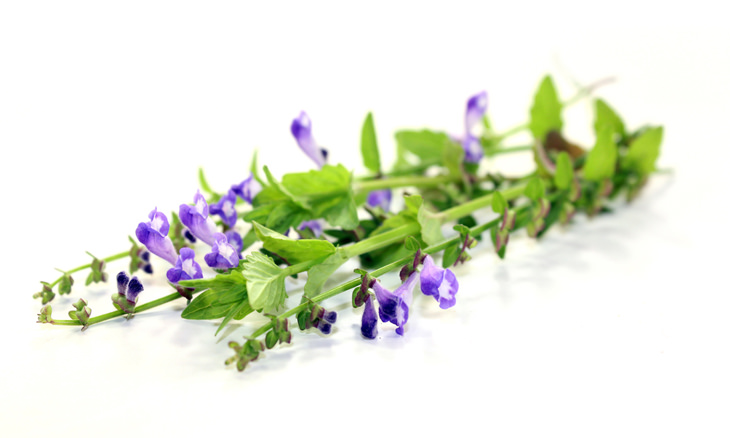 Growing to between 2 and 4 feet
in height and having leaves that grow to some 3 inches long, the
American skullcap is a slender and heavily-branched plant. On the other
hand, the Chinese skullcap has single, narrow and erect stems that bear
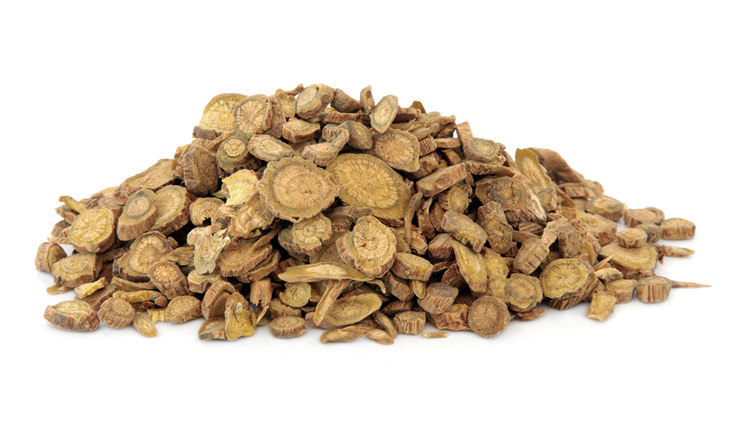
inch-long bluish-purple flowers. Its skinless and yellow root anchors
the plant. Here’s all you need to know about American and Chinese
skullcap:
Growing to between 2 and 4 feet
in height and having leaves that grow to some 3 inches long, the
American skullcap is a slender and heavily-branched plant. On the other
hand, the Chinese skullcap has single, narrow and erect stems that bear
inch-long bluish-purple flowers. Its skinless and yellow root anchors
the plant. Here’s all you need to know about American and Chinese
skullcap:
These properties have also been found to boost antioxidant activity in the liver, which is considered to be one of our organs that takes longest to recover. American skullcap boosts the liver’s efficiency, helping it to reduce toxin levels in the body and the blood. In turn, this leads to enhanced well-being.
• Sedative
Seeing as it’s a nervine, American skullcap can help to treat epilepsy, hysteria, panic attacks, anxiety, and delirium tremens. What’s more is that it can induce sleep naturally, doing away with the side effects that come with over-the-counter prescription drugs and sleeping aids.
• Antispasmodic
Throat infections, headaches from stress, neuralgia, and after-effects of incessant coughing can all be taken care of with American skullcap. It’s even useful for treating individuals experiencing withdrawal symptoms from tranquilizers and barbiturates. It’s also believed to be effective for treating anorexia nervosa, fibromyalgia, and mild Tourette’s syndrome.
• Analgesic
Not only can American skullcap offer pain relief throughout the whole body, but it can also reduce inflammation and help the body heal from wounds and inflammation.
Chinese Skullcap
Chinese skullcap is recognized as a very strong antiviral that can work against certain viruses, and it also has antibacterial properties that can work against certain virus strains. Furthermore, it’s also good for lessening symptoms of diabetes and hypertension. With that being said, more research needs to be done in human studies.
What Is Skullcap Used For?
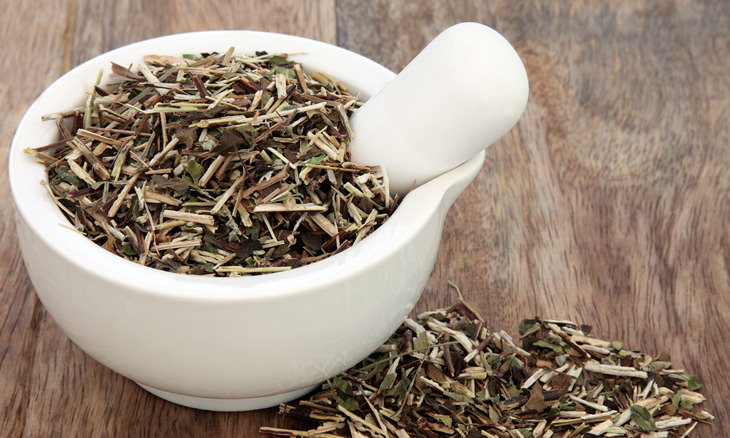 Although both skullcap plants
are used for medicinal purposes, it’s actually different parts of each
plant that are used, namely American skullcap leaves and Chinese
skullcap roots. American skullcap was widely used for two centuries to
treat ailments such as anxiety, nervous tension, and convulsions.
Although both skullcap plants
are used for medicinal purposes, it’s actually different parts of each
plant that are used, namely American skullcap leaves and Chinese
skullcap roots. American skullcap was widely used for two centuries to
treat ailments such as anxiety, nervous tension, and convulsions.
Both plants are usually available in both powder and capsule form, however, American skullcap teas and extracts are also sold nowadays.
Certain Native American tribes are known to use American skullcap to treat rabies and schizophrenia. They also used it during spiritual ceremonies to induce hallucinations and see visions.
Chinese skullcap is used to relieve the following conditions:
• Allergies
• Common cold
Headaches
• Irritability
• Inflammation
• Infections accompanied by a fever
• Urinary tract infections
• Redness of the eyes and the face
• Abdominal pain
• Nosebleed
• Jaundice
• Diarrhea
• Dysentery
• Gout
• Vaginal bleeding
How to Grow Skullcap
 American skullcap is best grown
in partial shade as opposed to full sunlight and thrives on grassy
slopes at high altitudes. It’s usually cultivated in sandy, rocky and
dry soils, as well as in planting beds. It blooms in late spring, all
throughout the summer or even early fall, depending on the climate it’s
being grown in.
American skullcap is best grown
in partial shade as opposed to full sunlight and thrives on grassy
slopes at high altitudes. It’s usually cultivated in sandy, rocky and
dry soils, as well as in planting beds. It blooms in late spring, all
throughout the summer or even early fall, depending on the climate it’s
being grown in.
The seeds of both plants are best sown in early spring after the risk of frost has passed. They germinate at a naturally high rate and fare better if stratified for approximately one week.
Place the seeds in a sealed plastic bag with sand or a moist paper towel. Put them in your refrigerator, and leave them there for a week.
When the week is up, tamp the seeds lightly into the soil in flats that are about a ¼ inch deep. The seeds will germinate some two weeks after. When the first leaves have developed, begin transplanting the plant outdoors, ensuring that you leave a 12-inch gap between each row that you plant.
Water the plant moderately, ensuring that the soil is well-drained. You can also propagate skullcap plants by dividing roots or cuttings. The grown plants will eventually spread and clump, and they may even grow to be resistant to major pests.
Skullcap plants should be harvested when their flowers are in full bloom. Use shears or scissors to harvest the flowers and leaves. Make sure that you leave at least 3 inches of the plant above the ground when harvesting.
One Final Thing – Potential Side Effects of Skullcap
Always consult a physician before using skullcap, because it’s known to have several side effects. It also interacts with certain herbs, supplements or other medications. The effects of the sedatives below were all found to be increased when used in combination with both American and Chinese skullcap:
• Anticonvulsants like phenytoin (Dilantin) and valproic acid (Depakote)
• Barbiturates
• Benzodiazepines like alprazolam (Xanax) and diazepam (Valium)
• Insomnia-treating drugs like zolpidem (Ambien), zaleplon (Sonata), eszopiclone (Lunesta) and ramelteon (Rozerem)
Pregnant or breastfeeding women must avoid skullcap due to potential complications that can arise. There are also certain varieties of American skullcap that are contaminated with germander, a group of plants that are thought to cause liver problems. The plant should always be bought from a reputable seller in order to avoid such issues.
Last but not least, Chinese skullcap should not be used by diabetics, especially if there’s no doctor supervision involved. The risk of hypoglycemia or low blood sugar levels can increase as a result of ingesting the herb, as well as strengthen the effect of diabetes drugs. You should also avoid Chinese skullcap if you have stomach or spleen problems. As advised above, always consult your physician prior to using either American or Chinese skullcap.
The two plants are from the same family, but serve different purposes when it comes to medicinal uses, and have different physical characteristics. As their full names suggest, they also grow in entirely different parts of the world. The American skullcap is native to North America, but found in Europe and elsewhere, whereas the Chinese skullcap is found in China and Russia.
The plants get their name from the shape of their small blue or purple flowers, which are hooded, tube-shaped and two-lipped. The upper lips form a hood, and the lower lid has two lobes.
American Skullcap
American skullcap has
antioxidant properties that are believed to protect against Alzheimer’s
disease, Parkinson’s disease, anxiety, and depression.These properties have also been found to boost antioxidant activity in the liver, which is considered to be one of our organs that takes longest to recover. American skullcap boosts the liver’s efficiency, helping it to reduce toxin levels in the body and the blood. In turn, this leads to enhanced well-being.
• Sedative
Seeing as it’s a nervine, American skullcap can help to treat epilepsy, hysteria, panic attacks, anxiety, and delirium tremens. What’s more is that it can induce sleep naturally, doing away with the side effects that come with over-the-counter prescription drugs and sleeping aids.
• Antispasmodic
Throat infections, headaches from stress, neuralgia, and after-effects of incessant coughing can all be taken care of with American skullcap. It’s even useful for treating individuals experiencing withdrawal symptoms from tranquilizers and barbiturates. It’s also believed to be effective for treating anorexia nervosa, fibromyalgia, and mild Tourette’s syndrome.
• Analgesic
Not only can American skullcap offer pain relief throughout the whole body, but it can also reduce inflammation and help the body heal from wounds and inflammation.
Chinese Skullcap
Chinese skullcap is recognized as a very strong antiviral that can work against certain viruses, and it also has antibacterial properties that can work against certain virus strains. Furthermore, it’s also good for lessening symptoms of diabetes and hypertension. With that being said, more research needs to be done in human studies.
What Is Skullcap Used For?
Both plants are usually available in both powder and capsule form, however, American skullcap teas and extracts are also sold nowadays.
Certain Native American tribes are known to use American skullcap to treat rabies and schizophrenia. They also used it during spiritual ceremonies to induce hallucinations and see visions.
Chinese skullcap is used to relieve the following conditions:
• Allergies
• Common cold
Headaches
• Irritability
• Inflammation
• Infections accompanied by a fever
• Urinary tract infections
• Redness of the eyes and the face
• Abdominal pain
• Nosebleed
• Jaundice
• Diarrhea
• Dysentery
• Gout
• Vaginal bleeding
How to Grow Skullcap
The seeds of both plants are best sown in early spring after the risk of frost has passed. They germinate at a naturally high rate and fare better if stratified for approximately one week.
Place the seeds in a sealed plastic bag with sand or a moist paper towel. Put them in your refrigerator, and leave them there for a week.
When the week is up, tamp the seeds lightly into the soil in flats that are about a ¼ inch deep. The seeds will germinate some two weeks after. When the first leaves have developed, begin transplanting the plant outdoors, ensuring that you leave a 12-inch gap between each row that you plant.
Water the plant moderately, ensuring that the soil is well-drained. You can also propagate skullcap plants by dividing roots or cuttings. The grown plants will eventually spread and clump, and they may even grow to be resistant to major pests.
Skullcap plants should be harvested when their flowers are in full bloom. Use shears or scissors to harvest the flowers and leaves. Make sure that you leave at least 3 inches of the plant above the ground when harvesting.
One Final Thing – Potential Side Effects of Skullcap
Always consult a physician before using skullcap, because it’s known to have several side effects. It also interacts with certain herbs, supplements or other medications. The effects of the sedatives below were all found to be increased when used in combination with both American and Chinese skullcap:
• Anticonvulsants like phenytoin (Dilantin) and valproic acid (Depakote)
• Barbiturates
• Benzodiazepines like alprazolam (Xanax) and diazepam (Valium)
• Insomnia-treating drugs like zolpidem (Ambien), zaleplon (Sonata), eszopiclone (Lunesta) and ramelteon (Rozerem)
Pregnant or breastfeeding women must avoid skullcap due to potential complications that can arise. There are also certain varieties of American skullcap that are contaminated with germander, a group of plants that are thought to cause liver problems. The plant should always be bought from a reputable seller in order to avoid such issues.
Last but not least, Chinese skullcap should not be used by diabetics, especially if there’s no doctor supervision involved. The risk of hypoglycemia or low blood sugar levels can increase as a result of ingesting the herb, as well as strengthen the effect of diabetes drugs. You should also avoid Chinese skullcap if you have stomach or spleen problems. As advised above, always consult your physician prior to using either American or Chinese skullcap.
THIS IS ONLY FOR INFORMATION, ALWAYS CONSULT YOU PHYSICIAN BEFORE HAVING ANY PARTICULAR FOOD/ MEDICATION/EXERCISE/OTHER REMEDIES. PS- THOSE INTERESTED IN RECIPES ARE FREE TO VIEW MY BLOG- https://gseasyrecipes.blogspot.com/
FOR INFO ABOUT KNEE REPLACEMENT, YOU CAN VIEW MY BLOG- https:// kneereplacement-stickclub.blogspot.com/FOR CROCHET DESIGNS https://gscrochetdesigns.blogspot.com
Labels: allergies, Alzheimer's, analgesic, antibacterial, antioxidant, antispasmodic, anxiety, delirium, Depression, epilepsy, hysteria, jaundice, Parkinson's, sedative, skull cap- hAerb, UTI, vaginal bleeding
posted by G S Iyer at 8:14 AM
0 comments

