Wednesday, October 13, 2021

12 Natural Essential Oils for Pain Relief

What do you do when you are suffering from a migraine, or have pulled a muscle in your shoulder? How do you deal with a chronic condition like sciatica or arthritis, on a regular basis? When pain strikes, we will generally do just about anything and everything we can to get rid of that throbbing feeling, but while painkillers may seem like an obvious choice, swapping your meds for essential oils might be a wiser choice.
How do essential oils work?  
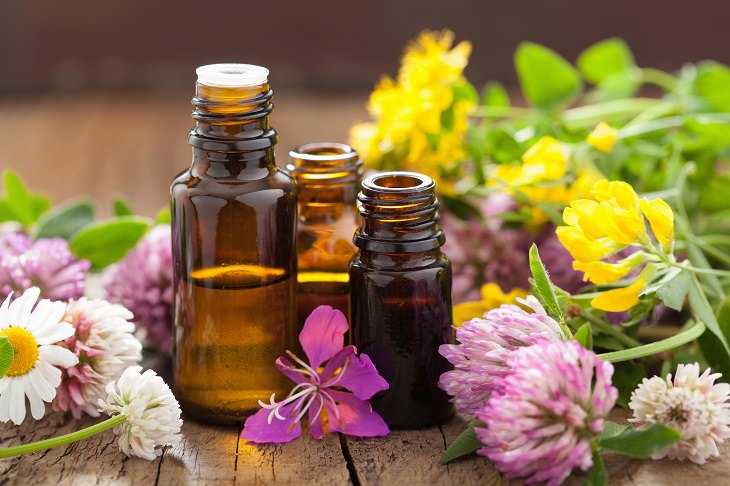
Essential oils are natural extracts from the core of a plant. They are produced as a by-product of photosynthesis (a process that converts light energy into chemical energy). Each extracted aromatic essence has its own unique chemical constituent, and each has its own specific therapeutic properties. When used correctly, the oils work to balance, harmonize and promote health of the body, mind and spirit. They work on a physiological, psychological and spiritual level, enhancing your innate healing process. 
 
The oils work on the mind and body in two ways: 
 
Through inhalation: Essential oils are volatile substances. When inhaled, the scent works its way up the nose, where thousands of receptors identify with its fragrant smell. At this point, the scent is processed by the limbic system in the brain (where emotional and psychological responses are processed) triggering a range of responses, from relaxing to stimulating. 
 
Through skin absorption: Essential oils (usually blended with a base oil - more details below) can be rubbed onto the affected area. Upon application, the oils work their way through all the layers of the skin, and into the bloodstream.

So, the next time you're in need of a little pain relief, opt for any of these 12 essential oils to help ease your aches and pains quickly. 
 
Disclaimer: Natural remedies should always be handled with care and essential oils are no exception to the rule. Essential oils should never be rubbed directly onto your skin, unless they have been diluted in a carrier oil (a cold pressed vegetable oil, such as coconut oil, sweet almond oil, avocado oil, olive oil, sesame oil, grapeseed oil or sunflower oil). 


Eucalyptus Essential Oil
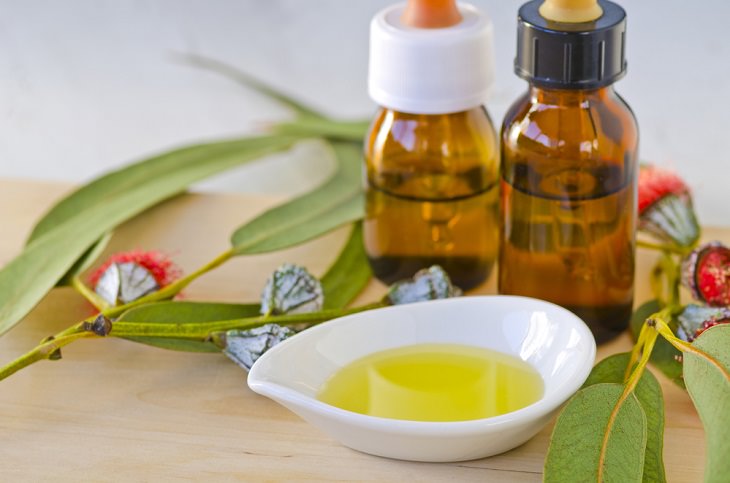
Properties:  
• Anti-inflammatory 
• Analgesic (pain killing) properties  
 
Benefits:  
• Eases sinuses. 
• Treats a stuffy nose (due to a cold). 
• Treats muscle aches, pains, strains and sprains. 
• Helps alleviate nerve pain.  
 
Use: 
• Add 6 to 10 drops in a bath, diluted in 1 tablespoon milk or honey, dispersed in water. 
 
• Add 12 drops to 1 fl. oz (30ml) carrier coil, then massage into the skin.  


Juniper Essential Oil
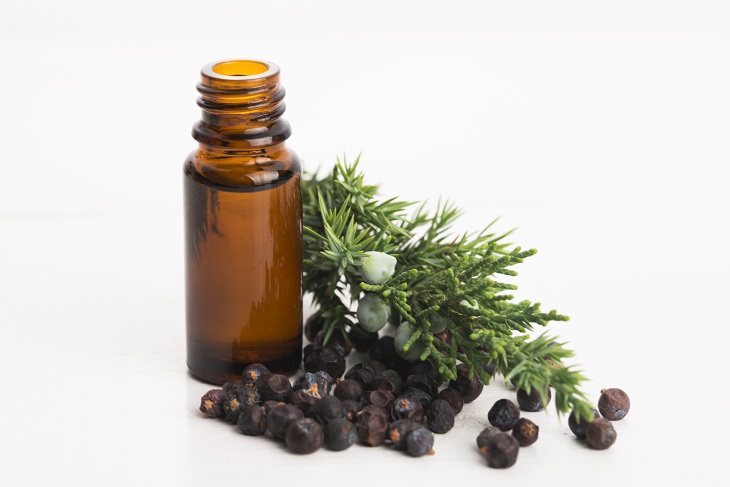
Properties: 
• Antispasmodic 
• Anti-rheumatic effects (perfect for anyone with Rheumatoid Arthritis) 
 
Benefits: 
• Alleviates everyday aches and pains. 
• May help with neuropathic pain. 
• Incredibly invigorating.
• Inspires you to get things done if you're lacking motivation. 
 
Use:  
• Add 12 drops to 1fl. oz (30ml) carrier oil, massaging into the skin. 
• Due to its invigorating properties, do not use at night. 


Chamomile Essential Oil 
Properties:  
• Anti-inflammatory 
 
Benefits:  
• Relieves PMS pain. 
• Alleviates muscle pains. 
• Aids headaches. 
 
• Eases neuralgia (pain along the course of a nerve). 
• Helps combat stress. 
 
Use:  
• Best used in a warm bath. 
• Add 6 to 10 drops in a bath, diluted in 1 tablespoon milk or honey, dispersed in water. 


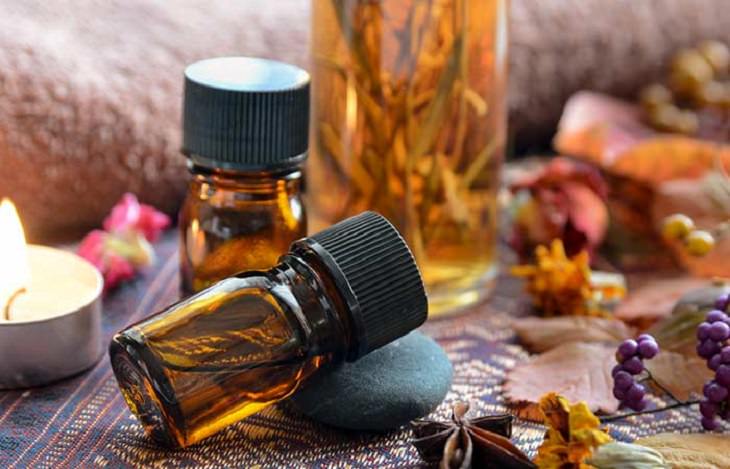
Sandalwood Essential Oil
-
Properties: 
• Anti-inflammatory 
 
Benefits: 
• Must-have oil for dealing with muscle spasms. 
• Soothes sciatica. 
• Beneficial for lymph-node congestion. 
• Supports digestive and cardiovascular system. 
• Relieves minor skin irritations. 
• Will help calm and relax you.  
 
Use:  
• 6 to 10 drops diluted with 1 tablespoon of milk or honey in a bath. 
• Or, 12 drops to 1fl. oz (30ml) carrier oil and rub on affected area, when in pain. 
• To open up a clogged lymphatic system, massage the diluted solution directly on to the spine in a slow, counter-clockwise movement toward the heart. 


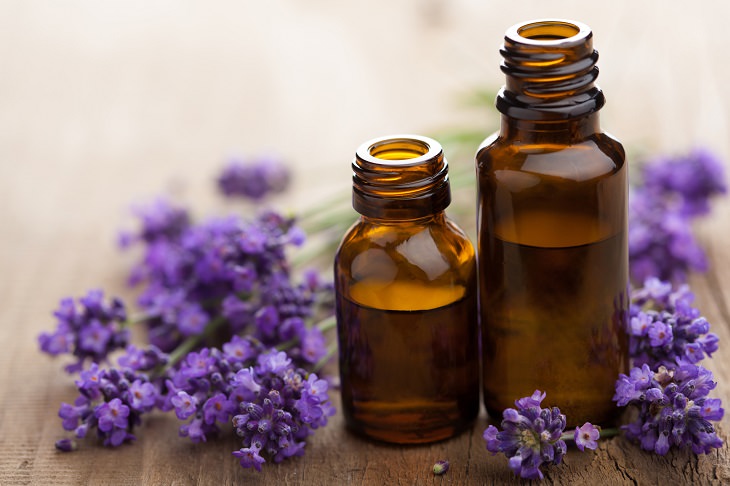
Lavender Essential Oil
Properties: 
• Antimicrobial Benefits: 
 • Melts away tension. 
• Combats any muscle pain or tension. 
• Helps deal with insomnia episodes. 
 
 
Use: 
• For some much needed pain relief combine with chamomile and/or sandalwood. 
• Add 4 drops lavender, 4 drops chamomile and 4 drops sandalwood to 1fl. oz (30ml) carrier oil. 
• The cheaper variations of lavender oil are usually mixed with fragrance - and will not work as well.


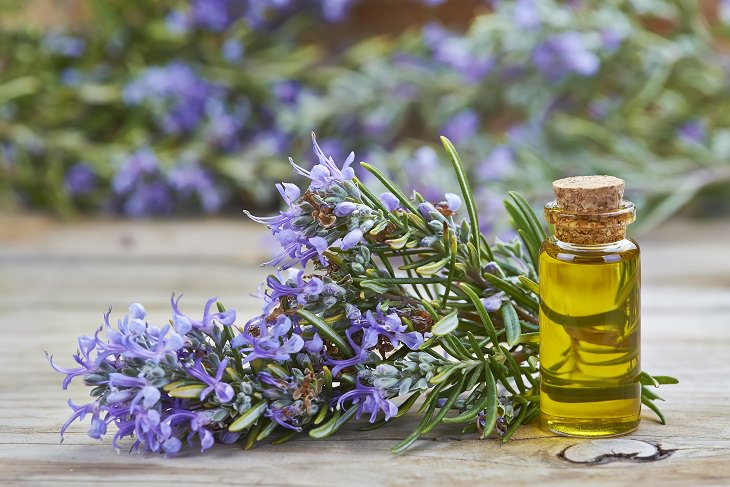
Rosemary Essential Oil
Properties: 
• Analgesic 
• Antispasmodic  
 
Benefits: 
• Relieves muscle sprains and spasms. 
• Eases joint pain. 
• Headache relief.  
 
Use:  
• Dilute 12 drops to 1fl. oz (30ml) carrier oil. 
• For headaches, apply dilution to a cotton ball and rub accordingly. 


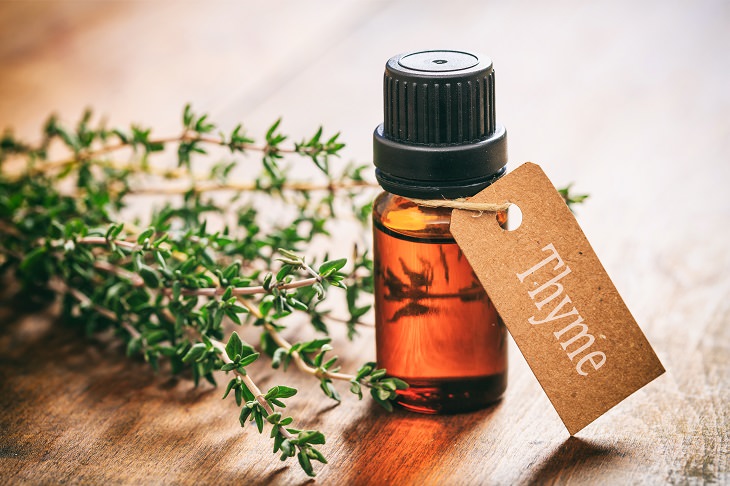
Thyme Essential Oil
Properties: 
• Antispasmodic  
 
Benefits: 
• Perfect for back spasms. 
• Relieves general aches and pains.  
 
Use: • Due to its potent smell, apply 12 drops to 1fl. oz (30 ml) carrier oil, using a cotton ball.


Marjoram Essential Oil
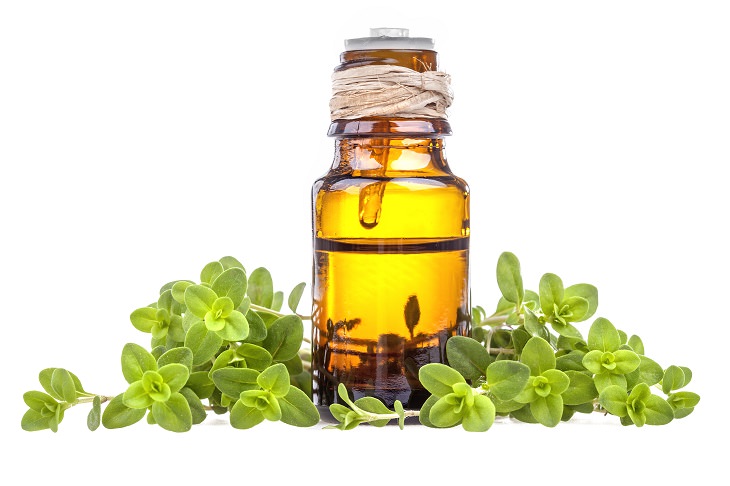
Properties: 
 • Sedative effects  
 
Benefits:  
• Relieves migraines. 
• Perfect for muscle stiffness and soreness. 
• Eases muscle spasms. 
• Alleviates pain associated with arthritis.  
 
Use: 
• Most effective when diluted with a carrier oil [12 drops to 1 fl. oz (30ml)]. 
• Use in an aromatherapy diffuser by adding 5 drops to a burner. 
• May be inhaled by adding 10 drops to 4fl. oz (100ml). 


Wintergreen Essential Oil
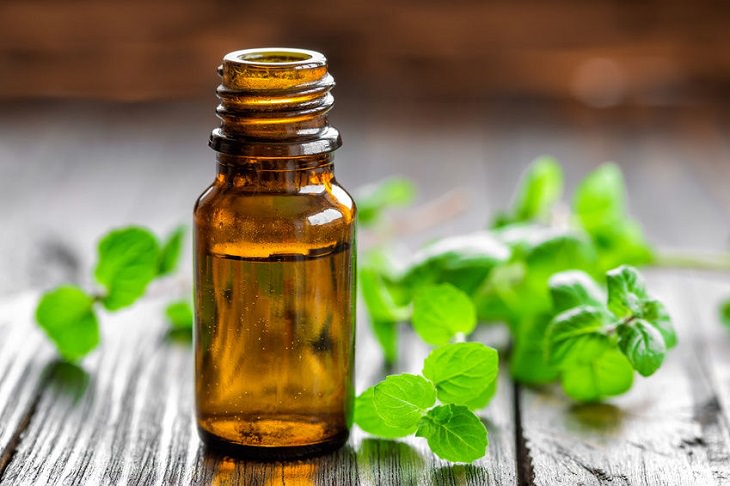
Properties: 
• Analgesic 
• Anti-inflammatory 
• Antispasmodic 
 
Benefits: 
• Combats headaches. 
• Eases back pain. 
• Alleviates stiff joints.  
 
Use: • Rub on skin where necessary [12 drops to 1fl. oz (30ml) carrier oil].  
 
 
Spruce Essential Oil
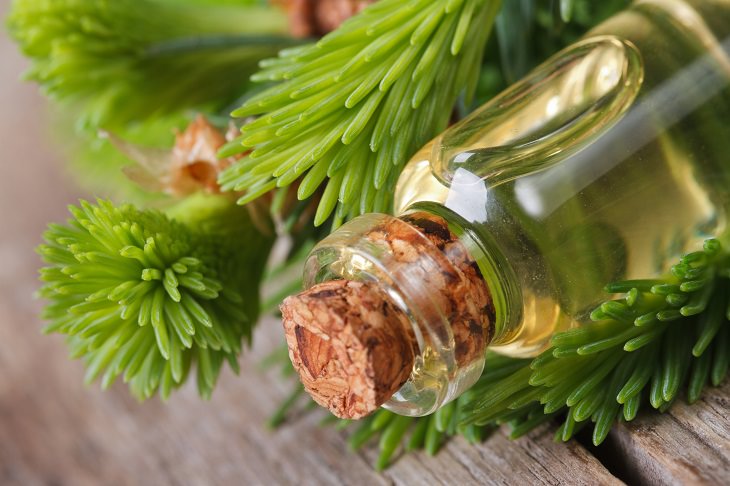
Properties: 
• A powerful immune system and adrenal glands stimulator.  
 
Benefits: 
• Reduces pain caused by arthritis. 
• Eases lower back pain.
• Aids bone pain. 
• Lessens pain associated with sciatica and Rheumatoid Arthritis. 
 
Use: 
 • Use as an aromatherapy diffuser by adding 5 drops to a burner to help calm and center your mind. 
• Rub by diluting 12 drops to 1fl. oz (30ml) carrier oil, to affected area.  
 
 
Frankincense Essential Oil
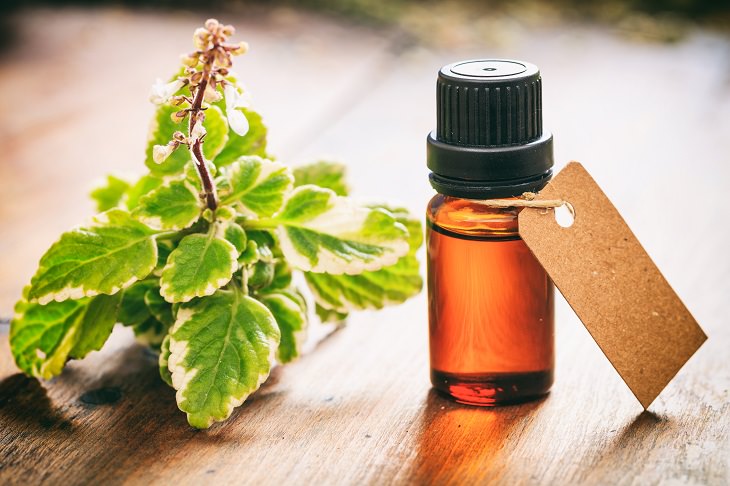
Properties:  
• One of the most powerful anti-inflammatory oils  
 
Benefits: 
• Perfect for dealing with day-to-day aches and pains associated with arthritis and migraines.  
 
Use: 
 • Most effective when rubbed on the skin [dilute 12 drops to 1fl. oz (30ml) carrier oil].
• Inhale by adding the diluted blend onto a fabric cloth.  


White Fir Essential Oil
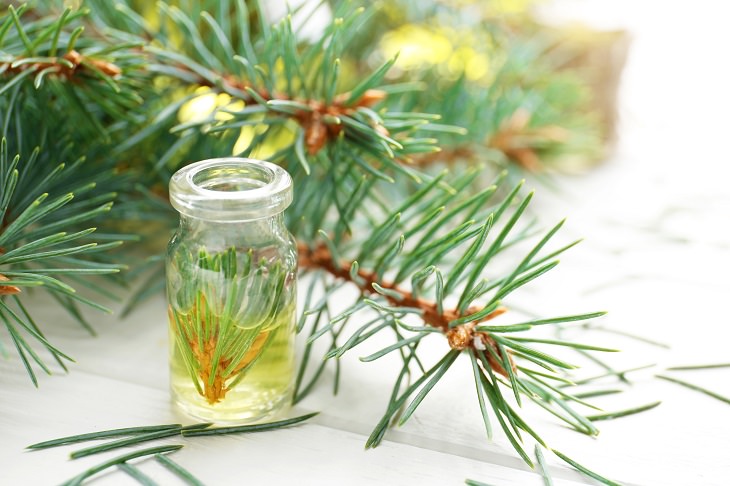
Properties: 
• Anti-arthritic 
• Analgesic
• Antiseptic 
 
Benefits:  
• Use on achy muscles (particularly after a workout).  
 
Use:  
• Massage directly onto muscle pain by diluting 12 drops to 1fl. oz (30ml) carrier oil.  
 
Top Tips 
• Combinations tend to work better, though their smell can at times be a little overpowering. When combining oils together, be sure to get the right dosage. As a rule of thumb, bear in mind that you need to dilute 12 drops essential oil to 1fl. oz (30ml) carrier oil. Therefore, if combining two oils, add 6 drops of one oil and 6 of another. If using three essential oils, add four drops of each, and so forth.
 
• Get as much out of the oils as you possibly can by applying a hot compress to the affected area after the dilution has been massaged into your skin. The heat and moisture from the compress will help the oils penetrate your skin and enter the body. 
 
• Use the oils two to four times a day, depending on the intensity of your pain. If using four times a day is not enough, seek medical advice. 
 
• When purchasing essential oils, look out for oils that are all-natural and pesticide free.

This is only for your information, kindly take the advice of your doctor for medicines, exercises and so on.   

https://gscrochetdesigns.blogspot.com. one can see my crochet creations  
https://gseasyrecipes.blogspot.com. feel free to view for easy, simple and healthy recipes    
https://kneereplacement-stickclub.blogspot.com. for info on knee replacement

Labels: , , , , , , , , , , , , , , , ,

Saturday, September 04, 2021

Why Are My Joints So Stiff, especcially as we get older.

As we age, our cartilage -- the spongy material that protects the ends of our bones -- begins to dry out and stiffen. Our body also makes less synovial fluid, the stuff that acts like oil to keep your joints moving smoothly. The result: our joints may not move as freely as they used to. It sounds a little crazy, but the best thing you can do is keep on trucking. Synovial fluid requires movement to keep your joints loose. 

It’s Morning, our joints are stiff

When  we’re asleep and still for several hours, the fluid that helps our joints move easily can’t do its job. That’s why we wake up with knees or hands that are stiff and swollen. To make it better, try to move around more during the day.

Osteoarthritis (OA)

A joint is the place where two bones meet. The end of each bone is covered in a layer of rubbery stuff called cartilage. This keeps them from rubbing together. But cartilage can wear away over time or after an injury. When it’s gone, the bones hit one another, and sometimes, tiny pieces break off. The result is a stiff, swollen, painful joint.

Treating Osteoarthritis

Our first move might be to do fewer things that bother the joint in question. Over-the-counter drugs can help with pain and swelling. If they don’t, your doctor might inject stronger treatments directly into problem areas. You can wrap joints to protect them and stop overuse, but this could weaken your muscles, so don’t overdo it. Some people need surgery, but it’s rare. Your doctor will discuss these treatments plus others, such as physical therapy and losing weight, with you.

Rheumatoid Arthritis (RA)

Our immune system is supposed to protect you from outside germs. Sometimes, it attacks the lining of your joints instead (your doctor will call this the synovium). RA is most likely to affect your wrist or finger joints, but it can show up anywhere in your body. It often causes constant pain and stiffness. Sometimes, it stays in the background and only flares up now and then.

Treating Rheumatoid Arthritis

Doctors treat RA with medications that slow or stop the disease process. You might hear yours call them DMARDs, which stands for disease-modifying anti-rheumatic drugs. The goal is for you to have no signs of inflammation in your body. Your doctor will refer to this as  remission. Along with drugs, you can also take care of yourself -- eat well, rest when you need to but keep moving, and take good care of your joints.

Another Type of Arthritis

OA and RA are the most well-known, but other types also affect your immune system and result in stiff joints:

  • Ankylosing spondylitis: This type mostly affects your spine, but it can make your hips, hands, or feet feel stiff.
  • Gout: The first sign of this build-up of uric acid in your body is often a searing pain in your big toe.
  • Infectious arthritis: It often starts with an infection somewhere else in your body that travels to one big joint, like your hip. Your doctor might call it septic arthritis. 

Psoriatic Arthritis (PsA)

People with psoriasis, or who have family members with it, are most likely to get psoriatic arthritis, which often combines a skin disorder (psoriasis) with joint inflammation (arthritis). Signs include swollen fingers and pitted nails. The joints of your hands, fingers, feet, knees, and other places may feel stiff or throb. The pain might appear only on one side of the body, or it could be symmetrical on both sides.

Treating Psoriatic Arthritis (PsA)

Treatments for PsA can be similar to that of rheumatoid arthritis. The main goal is to lower the swelling and inflammation in your joints. You may take your medication by mouth or through shots or infusions. Some doctors may not be very familiar with PsA. It’s best to find a specialist called a rheumatologist who has experience treating PsA.

A Change in the Weather

Did your grandma say they knew when a storm was coming because their joints ached? They were right. Doctors aren’t sure why, but joint pain seems to get worse when the weather changes. It’s most common when the air pressure (the weather forecaster will call it barometric pressure) falls. That typically happens just before a storm. 

Fibromyalgia

This chronic condition causes joint and muscle pain, along with sleep, mood, and memory problems. Scientists think your brain takes normal pain signals and makes them worse. They aren’t sure what causes it, but it often follows an illness, surgery, or intense stress. It doesn’t damage your joints the way arthritis does, though.

Treating Fibromyalgia

There’s no cure, but over-the-counter meds should ease your pain. Your doctor might prescribe other medications. A physical therapist can teach you special exercises to help. You might also try a relaxation technique like deep breathing or a gentle exercise like yoga or tai chi. They’ll help you stretch and strengthen your muscles and tendons.

Joint Injury

The two most common types are both forms of inflammation. They usually result from overuse or misuse of a joint over time:

Bursitis involves the bursae, fluid-filled sacs that act as cushions between your bones and other moving parts.

Tendinitis affects the tendons that attach your muscles to your bones.

Treating a Joint Injury

These conditions are easy to treat. You’ll likely make a full recovery. The first thing to do is give that joint a rest and take an over-the-counter pain medication. Your doctor will probably give you a splint to wear and tell you to put ice on it. They might show you some exercises to do, too. If that doesn’t help, they could inject a stronger drug straight into the bursa or tendon to manage pain and swelling.

Exercise

The more you move your joints, the less likely they are to get stiff. A little afternoon gardening or a walk around the block can help. You’ll strengthen the muscles that support your joints, keep your bones strong, improve your balance, and burn calories. Start slow, so you don’t get hurt. Talk to your doctor first if even gentle exercise makes the stiffness worse.  

Heat Therapy

If your joints are extra stiff in the morning, try a hot shower or bath. It’ll get blood flowing to the area, which loosens things up. You can also buy moist heat pads from the drugstore or make your own. Toss a washcloth into a freezer bag and microwave it for 1 minute. Wrap it in a towel and leave it on the area for 15-20 minutes.

Cold Therapy

Ice down an achy joint. It narrows blood vessels, which slows blood flow to the area and eases swelling. You can use a store-bought cold pack, or try a bag of frozen veggies instead. Put it on the area, but use a towel to protect your skin. Don’t do it for more than 20 minutes at a time. If you really want to chill a problem joint, try an ice bath.

See the Doctor Right Away If …

  • You’re in extreme pain.
  • You’ve been injured.
  • The joint looks deformed.
  • You can’t use it.
  • It swells suddenly.

Make a Doctor’s Appointment If …

  • Your joints are tender or hard to move.
  • The skin is red or warm to the touch.
  • Joint symptoms last more than 3 days or happen several times a month.

This is only for your information, kindly take the advice of your doctor for medicines, exercises and so on.   

https://gscrochetdesigns.blogspot.com. one can see my crochet creations  
https://gseasyrecipes.blogspot.com. feel free to view for easy, simple and healthy recipes    
https://kneereplacement-stickclub.blogspot.com. for info on knee replacement


Labels: , , , , , , , , , , ,