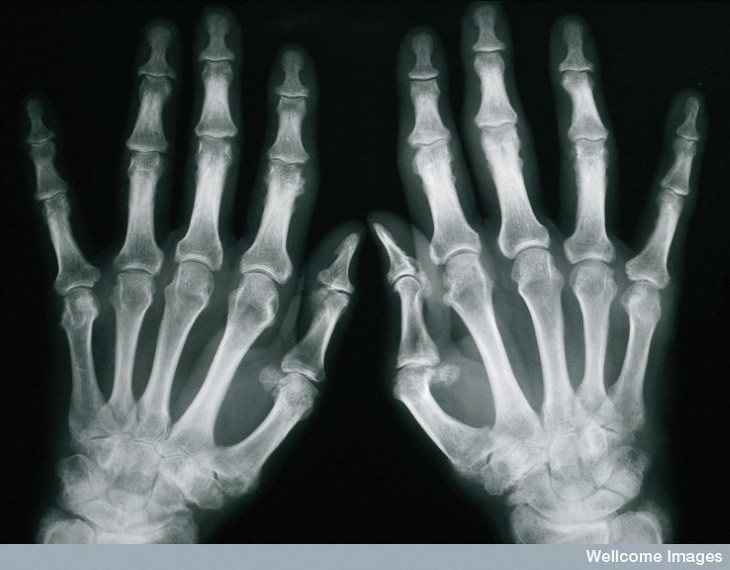
Tuesday, November 04, 2025

The MOST Common Types of Arthritis and How They Differ

Did you know that the most modest classification of the medical term “arthritis” includes at least 50 types of conditions? Some classifications differentiate between over 100 types of arthritis. Still, most people can only name two: osteoarthritis and rheumatoid arthritis. Knowing what the term arthritis means helps us understand so many types of arthritis that exist. 
 
The word arthritis is derived from the Greek arthr- for joint and -itis, medical terminology for inflammation. So, essentially, any kind of inflammatory joint condition can be defined as arthritis, irrespective of the cause. This also explains why the reported 50 million adults and 300,000 children suffering from arthritis across the US may experience varying symptoms and require different treatments. 
 
Understanding what kind of arthritis you or a family member has can help you manage the condition more effectively and choose the best treatments. These are the 8 most common types of arthritis.

1. Osteoarthritis
 Arthritis Types Osteoarthritis
 
 
Osteoarthritis is the type most of us think of when we are asked to describe arthritis, and rightfully so. After all, osteoarthritis is the most common kind of arthritis. According to the CDC, it affects 32 million Americans. 
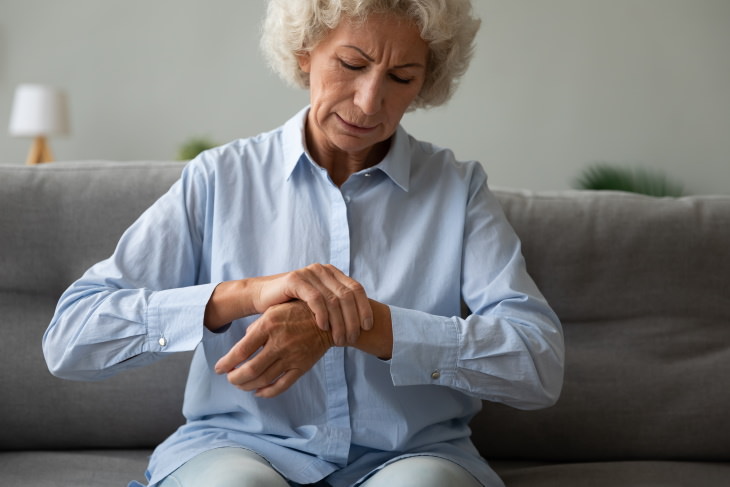
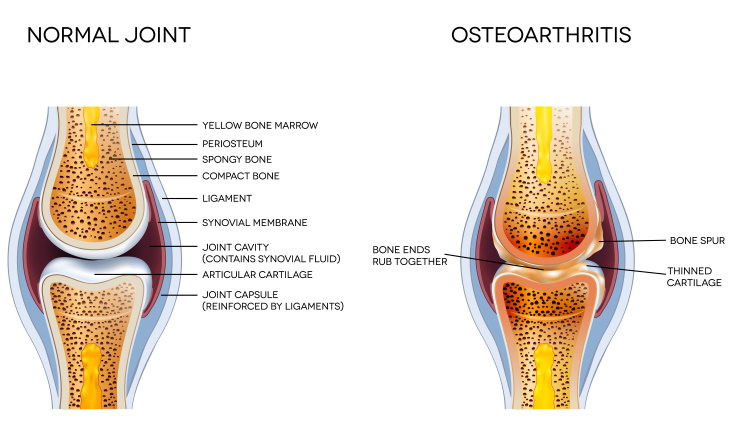
Also known under the name degenerative arthritis, this condition usually begins after age 50. This condition occurs when the cartilage that lubricates your joints dissolves, making the bones rub together. The excessive friction, in turn, produces the all-too-familiar symptoms of the condition: 
- Joint inflammation 
- Morning stiffness
- Pain 
- Limited mobility 
- Bone injury 
- Osteophytes, bony lumps (bone spurs) that appear around the joints or spine. 
 
Like most types of arthritis, osteoarthritis is diagnosed through joint imaging, bloodwork, and a physical exam.
 
2. Thumb arthritis
Arthritis Types Thumb arthritis
A common subtype of osteoarthritis is thumb arthritis. It affects the joint at the base of your thumb called the carpometacarpal joint, and it can be confused with carpal tunnel syndrome. The condition manifests itself through persistent stiffness, swelling, or pain at the base of your thumb.


Women above age 40 are more likely to suffer from this condition. Thumb arthritis requires early treatment because it can be really debilitating and limiting to patients. The severe hand pain patients experience interferes with one’s ability to grasp items and complete everyday tasks like opening jars or doors. 
A simple way to test for thumb arthritis is by touching the tip of your index finger and thumb so that it makes an O shape. If the resulting shape resembles a D more than an O, this could indicate thumb arthritis.

3. Rheumatoid Arthritis
 Arthritis Types  Rheumatoid arthritis
 
 
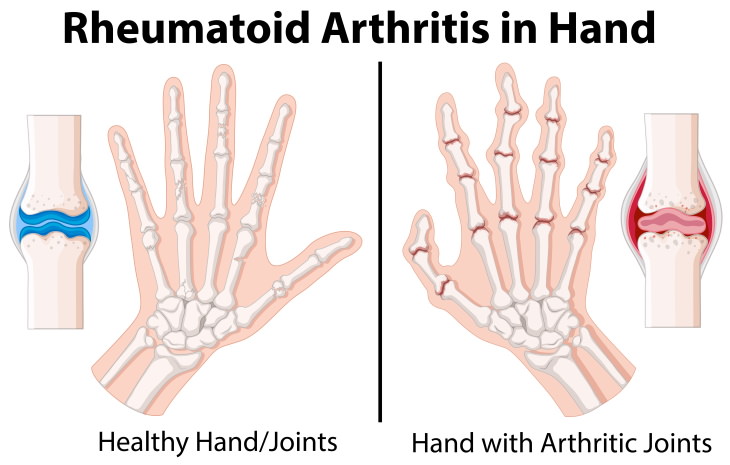
Rheumatoid arthritis is the second most common form of arthritis. Despite popular belief, rheumatoid arthritis usually occurs between the age of 30 and 50. Rheumatoid arthritis tends to become rarer as you get older. Unlike osteoarthritis, rheumatoid arthritis is an autoimmune condition, meaning that it begins when the immune system mistakenly attacks its own healthy tissues.

Apart from the joints, rheumatoid arthritis can damage other body parts, such as the heart, blood vessels, lungs, skin, and vision. The symptoms of rheumatoid arthritis are different from those of osteoarthritis. For example, patients suffering from this condition may experience fatigue, loss of appetite, and fever years before the joint symptoms appear.

A frequent symptom of rheumatoid arthritis is Sjögren’s syndrome - a condition when your eyes and mouth are always very dry. Joint symptoms of rheumatoid arthritis tend to begin in smaller joints, namely the fingers and the toes. 

Other symptoms of rheumatoid arthritis coincide with other types namely -
 
-Morning stiffness 
 
- Tender and swollen joints that can be warm to the touch 
 
- Firm bumps under the skin, commonly around the elbows.

4. Gout
 Arthritis Types Gout
 
 
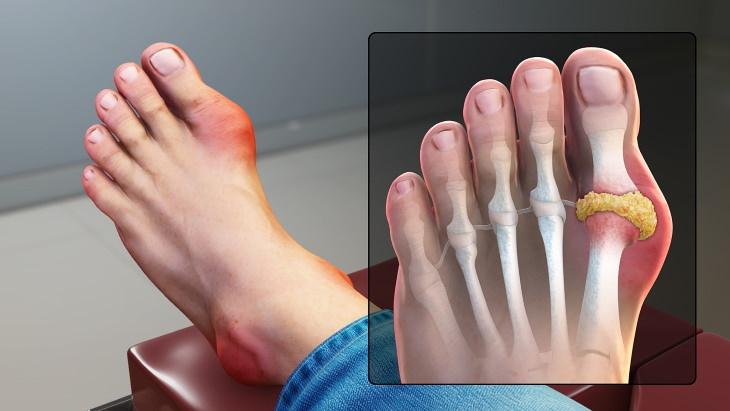
Gout is a type of arthritis that occurs when urate crystals accumulate inside the joins. These crystals cause sudden attacks of pain, swelling, redness, and extreme tenderness in one or a few joints, most commonly the big toe. A gout attack can develop within a few hours and may continue for days or even weeks.

Almost 4 percent of the adult American population suffers from gout, and anyone can get it, although men are slightly more likely to get it than women. A diet with too much protein may also increase the level of uric acid in the blood, which could lead to more urate crystal deposits in the joints.

Gout requires treatment to reduce the pain and minimize joint damage. The affected joint can also become infected, which requires urgent medical care.


5. Psoriatic arthritis
 Arthritis Types Psoriatic arthritis
 
Psoriatic arthritis is a type of arthritis that arises in patients suffering from psoriasis. The autoimmune skin condition is poorly understood, but it has a genetic component and usually develops in people aged 30-59. Psoriasis looks like red scaly patches or white dots on fingernails, and it can spread to the joints. 

Although the condition is the most likely to affect the fingers, making them swell up and turn pink, any part of the body, including the spine, can be plagued by psoriatic arthritis. Joint swelling, stiffness, and pain are the most common signs of the disease, and these symptoms can come and go, just like the psoriatic skin rash itself. 
 
6. Juvenile arthritis

Arthritis Types Juvenile arthritis
Juvenile idiopathic arthritis is the most common type. This is a group of autoimmune disorders that affect children 16 years old and younger. Like most arthritis types, juvenile idiopathic arthritis causes swelling, pain, and stiffness in the joints, as well as fatigue and fevers. 
 
Swollen lymph nodes and skin rashes are less common but can occur as well. Unfortunately, the condition often causes complications, such as misaligned joints, bone damage, eye damage, and it may affect the child’s growth. If a child exhibits any of the symptoms mentioned above for over a week, seek medical care. 
 
 
7. Ankylosing spondylitis
 
Arthritis Types  Ankylosing spondylitis

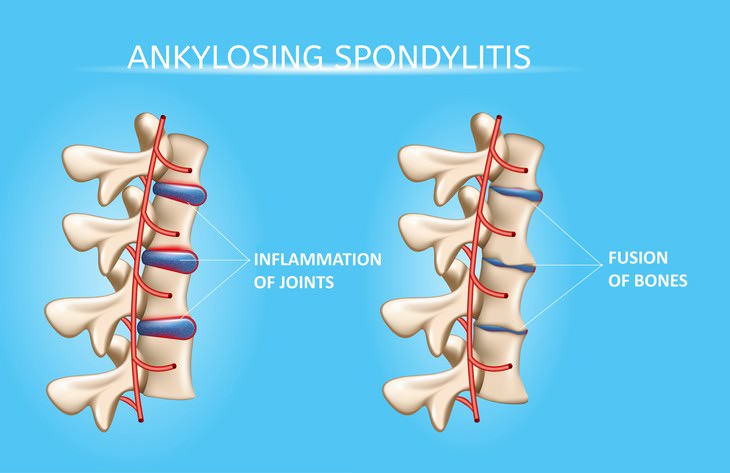
Ankylosing spondylitis is another terrifying form of arthritis that makes the lumbar vertebrae fuse together. It is more common in men than women, but the exact cause of ankylosing spondylitis is unknown. The symptoms of the condition vary a lot and can begin as early as late adolescence or in your 40s. 
 
The condition starts with a feeling of stiffness or pain in the lower back, but over time, it spreads to the shoulder, hips, and ribcage too. The symptoms typically worsen during periods of inactivity, such as sleep or long periods of sitting. The complications of the disease include eye damage, problems breathing, and even heart damage. 
 
8. Systemic lupus erythematosus
 
Arthritis Types  Systemic lupus erythematosus

Systemic lupus erythematosus is one of the most commonly misdiagnosed health conditions of all. Lupus is an autoimmune disease that affects the entire body, including your internal organs and brain. It often damages the joints and other connective tissue in your body. Joint pain due to lupus usually begins in the hands and feet, and then spreads to other areas. 
 
This condition is more prevalent among women than men, and it can cause anything from fatigue, joint pain, and chest pain to hair loss, skin rashes, and mouth sores. With lupus, diagnosing it as early as possible to prevent severe damage to the internal organs is crucial. It is done through a physical exam and blood tests.


This is only for your information, kindly take the advice of your doctor for medicines, exercises and so on.   


Labels: , , , , , , , ,

Friday, May 23, 2025

Recipe To Boost Your Immune System

Garlic and honey have both been used as a food source and a medicine since ancient times, and many ancient cultures firmly believed in their ability to heal illness. 

For instance, the Ancient Egyptians believed that garlic helped to increase strength and productivity, improve circulation and get rid of insect infestations, while the Ancient Greeks believed that garlic enhanced their courage and protected their skin against poisons. 

With regards to honey, the Ancient Egyptians, Greeks, and Romans believed that honey helps heal wounds faster and overcome cardiovascular and gastrointestinal problems. 

What's more, the ancients have been proven completely correct. 

Combining garlic with honey gives you a natural cure to strengthen your immune system and keep your body healthy. Find out how to combine the two below: 

Scientific Health Benefits of Garlic

Scientists have carried out extensive studies on this plant and they have found it to be a super-food. 
 Recipe - Delicious - Boost Immunity - Honey - Garlic
Garlic: 
• Prevents atherosclerosis, heart attacks, and coronary heart disease 
• Lowers cholesterol and blood pressure levels 
• Heals bug bites and traveler’s diarrhea 
• Reduces cold symptoms, hay fever and helps treat fungal infection 
• Eliminates toxins 
• Strengthens immunity It has also been known to alleviate the symptoms of: 
• An enlarged prostate 
• Diabetes 
• Osteoarthritis

Furthermore, when garlic is combined with onion and ginger, it has the ability to detoxify the body after a chemotherapy session. 
 
Scientific Health Benefits of Honey
Recipe - Delicious - Boost Immunity - Honey - Garlic
Honey, just like garlic, is a super-food. It: 
• Has antiseptic and antibacterial properties and therefore can be used to help heal burns and wounds. To add to this, it can help with digestive system problems 
• Alleviates the pain of hangovers and sore throats 
• Is an energy booster 
• Boosts the immune system 
• Helps moisturize and keep skin smooth 
• Is rich in cancer-fighting antioxidants 
• Can ease stress and improve sleep


Garlic and Honey Recipe To Boost Your Immune System
Recipe - Delicious - Boost Immunity - Honey - Garlic
If you are feeling unwell a spoonful of this mixture will help you feel a lot better. To strengthen your immune system take one spoonful each morning before eating or drinking – if your stomach is not empty, your body will not absorb all the vital nutrients. 
 
Ingredients
• 3-4 heads of garlic 
• A cup of raw honey 
• A small jar with a lid

Directions:  
1. Separate the heads into single cloves. 
2. Take the outer layer off the cloves (don’t peel completely though). 
3. Add the garlic cloves to the jar. 
4. Pour the honey over the cloves. 
5. Use a spoon to release any trapped air. 
6. Make sure the cloves are fully covered and place the lid on the jar. 
7. Leave the mixture in the fridge or at room temperature for a few days. 
8. Eat and feel better. 
 
N.B you can add herbs or lemon juice for some additional taste.


This is only for your information, kindly take the advice of your doctor for medicines, exercises and so on.   


Labels: , , , , , , , , , , , ,

Saturday, March 22, 2025

11 Proven Health Benefits of Ginger

Ginger may have numerous health benefits due to its anti-inflammatory, anti-nausea, and other properties. It may help you lose weight, manage arthritis, reduce menstrual symptoms, and more.

Ginger comes from a flowering plant originating in Southeast Asia. It adds flavor to sweet and savory foods and has a range of health benefits. It belongs to the Zingiberaceae family, and it’s closely related to turmeric, cardamom, and galangal.

The rhizome (underground part of the stem) is the part commonly used as a spice. It’s often called ginger root or, simply, ginger.

You can use ginger fresh, dried, powdered, or as an oil or juice. It features in many recipes as well as processed foods, home remedies, and cosmetics.

Here are 11 health benefits of ginger that are supported by scientific research.

1. Contains gingerol, which has potent medicinal properties

Ginger has a long history of use in various forms of traditional and alternative medicine. It’s been used to aid digestion, reduce nausea, and help fight the flu and common cold, to name a few of its purposes.

The unique fragrance and flavor of ginger come from its natural oils, the most important of which is gingerol.

Gingerol is the main bioactive compound in ginger. It’s responsible for many of ginger’s medicinal properties.

Gingerol has powerful anti-inflammatory and antioxidant effects, according to researchTrusted Source. For instance, it may help reduce oxidative stress, which results from having too many free radicals in the body.


2. Can treat morning sickness and other forms of nausea

Ginger may be effective against nausea, including pregnancy-related nausea, commonly known as morning sickness.

Ginger may help relieve nausea and vomiting for people undergoing certain types of surgery, and it may also help reduce chemotherapy-related nausea.

While generally safe, it’s best to talk with a doctor before taking large amounts if you’re pregnant.

Ginger may not be suitable during pregnancy for people who are close to labor and those with a history of pregnancy loss or vaginal bleeding. It may also be unsuitable for those with clotting disorders.

3. May help with weight loss

Ginger may play a role in weight loss, according to studies in humans and animals.

One 2019 review concluded that ginger supplementation significantly reduced body weight, the waist-hip ratio, and the hip ratio in people with overweight or obesity.

Ginger’s ability to influence weight loss may be due to certain mechanisms, such as its potential to reduce inflammation.


4. Can help with osteoarthritis

Osteoarthritis (OA) involves degeneration of the joints, leading to symptoms such as joint pain and stiffness.

One review concluded that ginger may help reduce pain and disability.The participants took 0.5–1 gram of ginger per day for 3–12 weeks, depending on the study. Most had a diagnosis of OA of the knee.

However, other research has not found evidence of the same effects.

However, many discontinued treatment as they did not like the taste of ginger or because it upset their stomach.


5. May lower blood sugar and improve heart disease risk factors

Some research suggests ginger may have anti-diabetic properties.

In a 2015 study, 41 people with type 2 diabetes took 2 grams of ginger powder per day.

A 2022 review found a significant reduction in fasting blood sugar and HbA1c in people with type 2 diabetes after taking ginger supplements.

The review looked at results from 10 trials, in which participants took 1,200–3,000 milligrams (mg) per day for 8–13 weeks.

The results did not suggest that ginger supplements affected the lipid profile.

A high apolipoprotein B/apolipoprotein A-I ratio and high levels of malondialdehyde (MDA) can result from oxidative stress, a byproduct of oxidative stress. They are both risk factors for heart disease.

However, this was one small study, and more research is needed to confirm these results.

A 2019 review also found evidence that ginger can reduce HbA1c in people with type 2 diabetes, but the authors did not conclude that it can lower fasting blood sugar levels.

6. Can help treat chronic indigestion

Ginger may help manage indigestion by speeding up the passage of food through the stomach.

Functional dyspepsia is when a person has indigestion — with symptoms such as abdominal pain, bloating, feeling too full, belching, and nausea — for no clear reason. It often occurs with irritable bowel syndrome (IBS).

In one study, scientists found that consuming a ginger and artichoke preparation before eating a main meal significantly improved the symptoms of indigestion in people with functional dyspepsia, compared with taking a placebo.


7. May reduce menstrual pain

Ginger may help relieve dysmenorrhea, also known as menstrual pain.

Some research has suggested that ginger is as effective as acetaminophen/caffeine/ibuprofen (Novafen) in relieving menstrual pain.

However, more studies are needed.

8. May help lower cholesterol levels

High levels of LDL (bad) cholesterol are linked to an increased risk of heart disease.

In a 2022 review of 26 trials, researchers found that ginger consumption significantly reduced triglycerides and LDL cholesterol, while increasing HDL cholesterol. Even doses less than 1,500 mg per day were effective.

However, it may be hard to include such high doses of ginger in your diet, particularly if you don’t like the taste of ginger.


9. May help reduce cancer risk

Ginger may have anticancer properties due to gingerol and various other antioxidant and anti-inflammatory compounds.

There is some evidenceTrusted Source that these compounds may help reduce the risk of gastrointestinal cancers, such asTrusted Source colorectal, pancreatic, and liver cancer.

In one studyTrusted Source, 20 people with a high risk of colorectal cancer took 2 g of ginger daily for 28 days. At the end of the study, the lining of the participant’s intestines showed fewer cancer-like changes than expected.

However, most studies relating to ginger and cancer risk have not involved humans.


10. May improve brain function and protect against Alzheimer’s disease

Some research suggests that 6-shogaol and 6-gingerol — compounds in ginger — may help prevent degenerative diseases such as Alzheimer’s, Parkinson’s disease, and multiple sclerosis.

Oxidative stress and chronic inflammation may be key drivers of Alzheimer’s disease and age-related cognitive decline.

Some animal studies suggest the antioxidants and bioactive compounds in ginger can inhibit inflammatory responses that occur in the brain. This may help prevent cognitive decline.

11. Can help fight infections

Ginger’s antimicrobial properties could make it useful for fighting bacterial and fungal infections.

Laboratory studies have found it may be effective against:

  • Staphylococcus aureus (S. aureus), which is responsible for a range of diseases
  • Escherichia coli (E. coli), a cause of intestinal infections
  • Candida albicans (C. albicans), which causes fungal infections in the mouth, vagina, and so on

However, more studies are needed.

Ginger is safe for most people to consume in moderation.

In large doses, however, it can cause the following symptoms in some people:

  • abdominal discomfort
  • heartburn
  • diarrhea
  • mouth and throat irritation

It is likely safe during pregnancy and breastfeeding, but it is best to speak with a healthcare professional first.


What are five health benefits of ginger?

Ginger has many possible health benefits. For instance, it may help reduce nausea, manage weight loss, lower cholesterol levels, protect nerve function, and reduce the risk of cancer.

What vitamin does ginger contain?

One teaspoon of raw ginger contains 0.1 milligrams (mg) of vitamin C. It also contains small amounts of calcium, magnesium, and other minerals.

Who should avoid ginger?

Ginger is likely safe for most people to use in moderation. There is no evidence that it is unsafe to use during pregnancy or while breastfeeding, but it is best to check first with a health professional.


Labels: , , , , , , , , , , , ,

Thursday, December 26, 2024

Age Is a Significant Factor in These 13 Common Conditions

Now I’m getting on a bit in years, I’ve started to become concerned about my health in a way I never used to be. I always think I’ve got some condition or other, because I know that some diseases occur more frequently in people as they get older. But which ones should I watch out for? According to gerontologist and professor of medicine at Calgary University, David Hogan, the 13 most common diseases where age is a significant risk factor are: 
 
1. Cardiovascular Disease
One of the leading causes of death throughout the world, cardiovascular disease is, in fact, the US’s number one killer. Coronary artery disease is the most commonly occurring form of the condition – this is a narrowing or blockage of the heart’s main blood supplying arteries. Such obstructions and blockages can occur suddenly (an acute rupture) or gradually develop over time, causing heart attacks that may be fatal.


2. Cerebrovascular Disease (Strokes)
age-related diseases, health, aging
When a blood vessel in the brain is disrupted and blood cannot flow to one part of the brain, a stroke occurs. Because brain cells deprived of oxygen from blood quickly die, strokes are extremely serious.There are two different types of stroke: ischemic – when a blood vessel is blocked by a blood clot; and hemorrhagic – when a bleed in the brain is caused by a ruptured blood vessel. 
 
A stroke can lead to serious disability or even death, according to the blockage/rupture’s area and severity.

3. High Blood Pressure (Hypertension)
While the heart is pumping, the force the blood exerts on your artery walls can be measured, this is known as your blood pressure. When you sleep or rest, your blood pressure count is low. When you are excited or under stress, your count is high. Furthermore, your blood pressure count usually rises with age. If someone’s blood pressure is chronically elevated, they can face serious health problems in their blood vessels, kidneys, heart, and elsewhere.


4. Cancer
Cancer – when abnormal cells grow at an uncontrollable rate – is said to be more likely to occur at a later stage in life. The American Cancer Society has found that 77% of cancers are diagnosed in patients aged above 55. In Canada, cancer is the number one cause of death for both males and females. 
 
The most common cancer types for seniors include the following: stomach cancer, non-Hodgkin’s lymphoma, bladder, prostate, colorectal, lung, skin, and breast cancer.

 
5. Type-2 Diabetes
Diabetes is the name for the disruption in the way your body makes use of the glucose and sugars digested from food. Type-1 diabetes, which usually first occurs in people aged below 30, is when no insulin is produced. Type-2 diabetes, which is much more common, is when some insulin is produced but the body is resistant to it – meaning the body can’t properly process glucose. 
 
Diabetes causes sugar levels to rise dangerously high, which can lead to health problems, including heart attacks, strokes, kidney failure, blindness, and nerve damage. 
 
Type-2 diabetes is becoming more and more common, as modern changes alter the way we eat and lead our lives. This can be arrested though by leading a healthier lifestyle with plenty of regular exercise, and a good well-balanced diet.
 
 
6. Parkinson's Disease
Parkinson’s is a progressive neurological disorder characterized by halting movement, stiffness, and visible tremors. Unsurprisingly, around 75% of all Parkinson’s cases begin after the patient has reached 60 years of age. Yet age is still considered just one of the risk factors. Other reasons why people might be more likely to contract the condition include, whether they’ve been exposed to chemical toxins, suffered head injuries, or have a family history of the disease. Men are also more likely than women to suffer from Parkinson’s disease.


7. Dementia (including Alzheimer's Disease)
age-related diseases, health, aging
Dementia is characterized by a loss of brain function, which may manifest as memory loss, mood changes, poor judgement, confusion, and difficulty communicating. The most common cause of such dementia is Alzheimer’s disease, though other causes include, Huntington's disease, Parkinson’s disease, and vascular dementia. Even though dementia is more likely to occur during old age, it is in no way seen as part of the natural aging process.
 
 8. Chronic Obstructive Pulmonary Disease (COPD)
Though chronic obstructive pulmonary disease (COPD) is incurable, it is treatable and preventable. The condition occurs when inflammation in the airways, a thickening of the lungs’ lining, and an overproduction of mucus in the air tubes, leads to a significant reduction of airflow into and out of the lungs. Common symptoms of COPD include shortness of breath, wheezing, and a chronic cough. 
 
The disease is usually caused by prolonged exposure to airborne irritants such as tobacco smoke (first and second hand), work-related contaminants, or industrial pollution. The single biggest risk factor in contracting the disease is cigarette smoking. 
 
 
9. Osteoarthritis
age-related diseases, health, aging
Osteoarthritis – a degenerative joint disease – is the most common type of arthritis. Though the condition occurs more frequently in old age, women are much more likely to suffer than men. Those who’ve suffered a prior injury or are obese are also more susceptible to osteoarthritis. 
 
The swelling and joint pains that characterize osteoarthritis can be treated with pain relief and anti-inflammatories, while lifestyle changes such as weight loss, physiotherapy, and exercise (see our yoga guide here) can also make a difference. However, osteoarthritis is still incurable.


10. Osteoporosis
Popularly referred to as brittle bone disease, osteoporosis is characterized by a loss in bone mass, resulting in weaker and thinner bones. The condition becomes more likely because of age, particularly for white and Asian females. Those with osteopenia – low bone density – are also at risk. 
 
The U.S. National Institutes of Health claim that up to half of all women aged over 50 and nearly a quarter of men of the same age break a bone due to osteoporosis. Hip fractures are of most concern to elderly adults, because they lead to a loss of mobility and independence. Around 25% of hip fractures lead to death within 12 months. 
 
To help prevent osteoporosis, try to maintain a diet rich in vitamin D and calcium. Also, refrain from smoking and second hand smoke.

 
11. Cataracts
age-related diseases, health, aging
A cataract is a gradual cloudiness in your eye’s lens, which may result from several causes, including smoking, diabetes, and exposure to ultraviolet light. The U.S. National Institutes of Health assert that more than half of all over 65s have a cataract of some kind. Though in its initial phase a cataract may not be noticeable, over time vision can become blurry and will worsen. Nowadays, surgery to remove and replace the lens can be performed as an outpatient procedure, taking around one hour only. 
 
 
12. Age-Related Macular Degeneration (AMD)
 age-related diseases, health, aging
 
Age-related macular degeneration typically occurs in adults over the age of 50, and is thought to be the most common cause of blindness in the elderly. While peripheral vision is preserved, the deterioration of the eye’s macular stops the patient from seeing well in the center of their field of vision. Aside for age, other risk factors are smoking, family history, and race (white people are more likely to suffer than black, for example). Though no firm conclusions have yet been reached, researchers are confident that regular exercise and eating a diet rich in fish and colorful vegetables, as well as abstaining from cigarettes and keeping blood pressure and cholesterol levels down, can help prevent AMD.


13. Hearing loss
age-related diseases, health, aging
As you age, you can expect a noticeable degeneration in your hearing ability, with the deterioration of the miniscule hairs inside your ear which aid in processing sounds. Because of these changes, you may find that you can’t follow conversations in noisy areas, are unable to distinguish between some consonants, find some sounds louder than normal, and hear muffled voices. Factors that lead to hearing loss, aside from age, include prolonged exposure to loud sounds, smoking, and family history. An estimated half of all over 70s experience a degree of age-related hearing loss. 
 
Thinking About Age-Related Diseases 
 Aging is of course not a disease, but it is a risk factor for many different conditions. There is no guarantee that you will suffer from an age-related disease, but the chances of doing so increase with age. The rate of decline in adults over time can be accelerated because of many differing factors, including inflammation, exposure to pollutants and radiation, smoking, a poor diet, low fitness levels, and simple wear and tear.


This is only for your information, kindly take the advice of your doctor for medicines, exercises and so on.   

https://gscrochetdesigns.blogspot.com. one can see my crochet creations  
https://gseasyrecipes.blogspot.com. feel free to view for easy, simple and healthy recipes    
https://kneereplacement-stickclub.blogspot.com. for info on knee replacement
https://cancersupportindia.blogspot.com  for infor on cancer and health related topics
https://GSiyers home remedies.blogspot.com   is the latest addition to my blogs. I'm going to add posts there, do give me your valuable feed back on my blogs. Thanks a lot, take care, be healthy and be happy.

Labels: , , , , , , , , , , , ,