Saturday, March 01, 2025

How to Preserve the Health of Your Eyes

Your eyes are your windows to the world and key bodily components for interacting with it. As you age, you might experience some problems with them, just as many people do. Many eye conditions sound scary, however advancements in eye treatment have come a long way. Here is a list of the most common eye concerns, explained simply. I’ve also gathered some tips on how to improve your eye health in your day-to-day life, which you can see by scrolling down to the end.
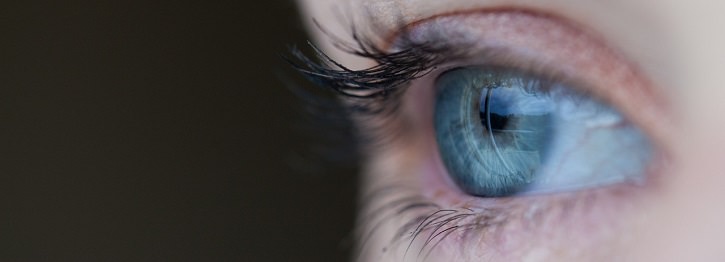
Health Guide: How to Preserve the Health of Your Eyes
Presbyopia - The loss of the ability to see close objects or small print. This is a natural process that happens to everyone. It’s only noticeable after the age of 40, and is fairly easy to correct with reading glasses. Prescriptions for them are not needed in most instances, and they can be bought over the counter at a pharmacy. 
 
 Floaters -  These are the tiny spots that often float in your line of vision. They don’t usually cause any harm and are fairly normal. If they are accompanied by flashes, this indicates a more serious problem and you should go to an ophthalmologist.

Dry eyes - This is when your tear glands are not producing quality tears, causing uncomfortable itching and burning. This condition can be caused by medication, contacts, weather conditions or hormonal changes. A doctor might recommend using a humidifier or artificial tears, having plugs placed in the tear ducts to lessen tear drainage, or Lipiflow, a new procedure using heat and pressure. 
 
Tearing -The opposite of dry eyes, you might experience an excess of tears. Often light sensitivity, wind, and temperature changes affect the eyes. Sometimes tearing can be prevented by wearing sunglasses. It might also indicate a more serious condition like a blocked tear duct or an infection. In both cases, a doctor can help treat this problem. 
 
Eyelid problems - The eyelid's job is to protect the eye, distribute tears and control the amount of light entering it. Sometimes they droop, have blinking spasms, develop sties, or the outer edges near the eyelashes become inflamed. Eyelids might experience pain, itching, tearing and sensitivity to light. These problems can be treated with medication, proper cleaning or surgery. 
 
Cataracts - One of the most common eye problems associated with aging. Proteins in the eye can cluster and form a cloud over the lens. These formations cause no pain and usually do not alter vision. If they grow large or thick, they can block light from entering the eye. They can be removed with surgery. 
 
Glaucoma - A disease associated with increased eye pressure, which can damage the optic nerve and cause loss of vision. Glaucoma can be treated with prescription eye drops or surgery. Because there are no symptoms or initial pain, it's important to have your eyes regularly checked by an eye doctor, despite it being a less common eye condition.
 
Corneal diseases - The cornea is the dome-shaped front of the eye, which helps transmit and focus light. The cornea can become damaged by disease, infection, injury and exposure to toxic agents. The eye will become red, watery, and experience pain. One might also have reduced vision and experience the halo effect. Corneal disease can be treated with medicated eye drops, prescription glasses or by surgery. 
 
Conjunctivitis (Pink Eye) - This is when the tissue lining the eyelids and covering the cornea becomes inflamed. The eye becomes red, itches, burns, tears and has discharge. Sometimes it feels as if something is in the eye. Conjunctivitis is caused by infection, exposure to chemicals or irritants and allergies. It can be treated with medicated drops, warm compresses or lubricating drops to make the eye more comfortable.

Retinal disorders - The retina is the layer of tissue at the back of the inner eye. It changes visual images into to nerve signals, which are sent to the brain. Diseases of the retina disrupt nerve signal transfer and can cause vision impairment. It’s important to have your eyes tested regularly to catch any problem early, receive treatment and prevent vision loss. 
 
Macular degeneration: loss of sharp central vision often associated with aging. 
 
Retinal detachment: the retina becomes separated from its supporting layers. 
 
Diabetic retinopathy: diabetes damages the blood vessels in the retina.

Eye Care Tips 
 
1. Visit the eye doctor, even if you have good vision
Part of good eye health is going to the eye doctor regularly. People who have good eyesight often neglect visiting the eye doctor. It’s important to regularly have your eyes inspected by an ophthalmologist so they can detect even slight changes in your eyes health. The health of your eyes connects to other systematic health issues. 
 
 2. Eat for good vision 
 The old saying that carrots are good for the eyes has some truth in it. Choosing foods high in antioxidants and nutrients lowers the risk for eye diseases. Choose foods rich in lutein, Omega-3 fatty acids, Vitamin C and E. The recommended foods are leafy greens, cold water fish, nuts, beans, eggs, soy, and fruit with dark skin (i.e. berries, cherries, grapes). Citrus fruits, avocado, broccoli, and tea are also healthy choices.

3. Protective eye wear 
Your eyes can easily be damaged by the sun and hazardous materials. Wearing sunglasses and protective goggles are a good start. If you wear glasses, you should get your lenses coated with an anti-reflective layer to minimize glare. UV rays also reflect off water, sand and snow, so it’s important to wear sunglasses if you're faced with these instances. Make sure your sunglasses protect against both UVA and UBV rays, and are ranked as category 2 at least.
 
4. Take your contacts out 
 Your eyes need exposure to oxygen. If you wear contacts during the day, make sure it is for no more than 19 hours. Wearing them longer can cause eye irritation and dryness. 
 
5. Good rules for computer (and other) screen time
If you spend a lot of your day looking at a computer screen, employ the 20-20-20 rule. Rest your eyes every 20 minutes, looking 20 feet (6 meters) in front of you for 20 seconds. It’s also a good idea to make sure your eyes are level with the screen, and that you are blinking often. People blink less when they are staring at a computer screen.

6. Remove eye makeup  
Wearing mascara, eye liner and eye shadow can clog up the pores around your eyes. This can cause eye irritation and sties. A good idea is to keep makeup wipes next to your bed so that you don’t forget to wipe off your makeup before bed. 
 
7. Control the air environment 
Many offices and homes have dry air and this can irritate the eye and cause dryness. Installing a humidifier can solve this problem. A more organic way to release moisture into the air is by placing bowls of water around a room.


This is only for your information, kindly take the advice of your doctor for medicines, exercises and so on.   


Labels: , , , , , , , , , , , ,

Thursday, December 26, 2024

Age Is a Significant Factor in These 13 Common Conditions

Now I’m getting on a bit in years, I’ve started to become concerned about my health in a way I never used to be. I always think I’ve got some condition or other, because I know that some diseases occur more frequently in people as they get older. But which ones should I watch out for? According to gerontologist and professor of medicine at Calgary University, David Hogan, the 13 most common diseases where age is a significant risk factor are: 
 
1. Cardiovascular Disease
One of the leading causes of death throughout the world, cardiovascular disease is, in fact, the US’s number one killer. Coronary artery disease is the most commonly occurring form of the condition – this is a narrowing or blockage of the heart’s main blood supplying arteries. Such obstructions and blockages can occur suddenly (an acute rupture) or gradually develop over time, causing heart attacks that may be fatal.


2. Cerebrovascular Disease (Strokes)
age-related diseases, health, aging
When a blood vessel in the brain is disrupted and blood cannot flow to one part of the brain, a stroke occurs. Because brain cells deprived of oxygen from blood quickly die, strokes are extremely serious.There are two different types of stroke: ischemic – when a blood vessel is blocked by a blood clot; and hemorrhagic – when a bleed in the brain is caused by a ruptured blood vessel. 
 
A stroke can lead to serious disability or even death, according to the blockage/rupture’s area and severity.

3. High Blood Pressure (Hypertension)
While the heart is pumping, the force the blood exerts on your artery walls can be measured, this is known as your blood pressure. When you sleep or rest, your blood pressure count is low. When you are excited or under stress, your count is high. Furthermore, your blood pressure count usually rises with age. If someone’s blood pressure is chronically elevated, they can face serious health problems in their blood vessels, kidneys, heart, and elsewhere.


4. Cancer
Cancer – when abnormal cells grow at an uncontrollable rate – is said to be more likely to occur at a later stage in life. The American Cancer Society has found that 77% of cancers are diagnosed in patients aged above 55. In Canada, cancer is the number one cause of death for both males and females. 
 
The most common cancer types for seniors include the following: stomach cancer, non-Hodgkin’s lymphoma, bladder, prostate, colorectal, lung, skin, and breast cancer.

 
5. Type-2 Diabetes
Diabetes is the name for the disruption in the way your body makes use of the glucose and sugars digested from food. Type-1 diabetes, which usually first occurs in people aged below 30, is when no insulin is produced. Type-2 diabetes, which is much more common, is when some insulin is produced but the body is resistant to it – meaning the body can’t properly process glucose. 
 
Diabetes causes sugar levels to rise dangerously high, which can lead to health problems, including heart attacks, strokes, kidney failure, blindness, and nerve damage. 
 
Type-2 diabetes is becoming more and more common, as modern changes alter the way we eat and lead our lives. This can be arrested though by leading a healthier lifestyle with plenty of regular exercise, and a good well-balanced diet.
 
 
6. Parkinson's Disease
Parkinson’s is a progressive neurological disorder characterized by halting movement, stiffness, and visible tremors. Unsurprisingly, around 75% of all Parkinson’s cases begin after the patient has reached 60 years of age. Yet age is still considered just one of the risk factors. Other reasons why people might be more likely to contract the condition include, whether they’ve been exposed to chemical toxins, suffered head injuries, or have a family history of the disease. Men are also more likely than women to suffer from Parkinson’s disease.


7. Dementia (including Alzheimer's Disease)
age-related diseases, health, aging
Dementia is characterized by a loss of brain function, which may manifest as memory loss, mood changes, poor judgement, confusion, and difficulty communicating. The most common cause of such dementia is Alzheimer’s disease, though other causes include, Huntington's disease, Parkinson’s disease, and vascular dementia. Even though dementia is more likely to occur during old age, it is in no way seen as part of the natural aging process.
 
 8. Chronic Obstructive Pulmonary Disease (COPD)
Though chronic obstructive pulmonary disease (COPD) is incurable, it is treatable and preventable. The condition occurs when inflammation in the airways, a thickening of the lungs’ lining, and an overproduction of mucus in the air tubes, leads to a significant reduction of airflow into and out of the lungs. Common symptoms of COPD include shortness of breath, wheezing, and a chronic cough. 
 
The disease is usually caused by prolonged exposure to airborne irritants such as tobacco smoke (first and second hand), work-related contaminants, or industrial pollution. The single biggest risk factor in contracting the disease is cigarette smoking. 
 
 
9. Osteoarthritis
age-related diseases, health, aging
Osteoarthritis – a degenerative joint disease – is the most common type of arthritis. Though the condition occurs more frequently in old age, women are much more likely to suffer than men. Those who’ve suffered a prior injury or are obese are also more susceptible to osteoarthritis. 
 
The swelling and joint pains that characterize osteoarthritis can be treated with pain relief and anti-inflammatories, while lifestyle changes such as weight loss, physiotherapy, and exercise (see our yoga guide here) can also make a difference. However, osteoarthritis is still incurable.


10. Osteoporosis
Popularly referred to as brittle bone disease, osteoporosis is characterized by a loss in bone mass, resulting in weaker and thinner bones. The condition becomes more likely because of age, particularly for white and Asian females. Those with osteopenia – low bone density – are also at risk. 
 
The U.S. National Institutes of Health claim that up to half of all women aged over 50 and nearly a quarter of men of the same age break a bone due to osteoporosis. Hip fractures are of most concern to elderly adults, because they lead to a loss of mobility and independence. Around 25% of hip fractures lead to death within 12 months. 
 
To help prevent osteoporosis, try to maintain a diet rich in vitamin D and calcium. Also, refrain from smoking and second hand smoke.

 
11. Cataracts
age-related diseases, health, aging
A cataract is a gradual cloudiness in your eye’s lens, which may result from several causes, including smoking, diabetes, and exposure to ultraviolet light. The U.S. National Institutes of Health assert that more than half of all over 65s have a cataract of some kind. Though in its initial phase a cataract may not be noticeable, over time vision can become blurry and will worsen. Nowadays, surgery to remove and replace the lens can be performed as an outpatient procedure, taking around one hour only. 
 
 
12. Age-Related Macular Degeneration (AMD)
 age-related diseases, health, aging
 
Age-related macular degeneration typically occurs in adults over the age of 50, and is thought to be the most common cause of blindness in the elderly. While peripheral vision is preserved, the deterioration of the eye’s macular stops the patient from seeing well in the center of their field of vision. Aside for age, other risk factors are smoking, family history, and race (white people are more likely to suffer than black, for example). Though no firm conclusions have yet been reached, researchers are confident that regular exercise and eating a diet rich in fish and colorful vegetables, as well as abstaining from cigarettes and keeping blood pressure and cholesterol levels down, can help prevent AMD.


13. Hearing loss
age-related diseases, health, aging
As you age, you can expect a noticeable degeneration in your hearing ability, with the deterioration of the miniscule hairs inside your ear which aid in processing sounds. Because of these changes, you may find that you can’t follow conversations in noisy areas, are unable to distinguish between some consonants, find some sounds louder than normal, and hear muffled voices. Factors that lead to hearing loss, aside from age, include prolonged exposure to loud sounds, smoking, and family history. An estimated half of all over 70s experience a degree of age-related hearing loss. 
 
Thinking About Age-Related Diseases 
 Aging is of course not a disease, but it is a risk factor for many different conditions. There is no guarantee that you will suffer from an age-related disease, but the chances of doing so increase with age. The rate of decline in adults over time can be accelerated because of many differing factors, including inflammation, exposure to pollutants and radiation, smoking, a poor diet, low fitness levels, and simple wear and tear.


This is only for your information, kindly take the advice of your doctor for medicines, exercises and so on.   

https://gscrochetdesigns.blogspot.com. one can see my crochet creations  
https://gseasyrecipes.blogspot.com. feel free to view for easy, simple and healthy recipes    
https://kneereplacement-stickclub.blogspot.com. for info on knee replacement
https://cancersupportindia.blogspot.com  for infor on cancer and health related topics
https://GSiyers home remedies.blogspot.com   is the latest addition to my blogs. I'm going to add posts there, do give me your valuable feed back on my blogs. Thanks a lot, take care, be healthy and be happy.

Labels: , , , , , , , , , , , ,

Thursday, November 04, 2021

5 Nutrients You Need to Help Your Eyes Stay Young

When it comes to food that improves your sight, everyone says that carrots are king. Unfortunately, this is a bit of a myth, since carrots are really only good for staving off age-related eye deterioration. Behind the carrot myth, though, there’s a really important truth to grasp: that carrots contain vitamin A, one of several nutrients considered essential for your eye health.
eyes, health, nutrients
To help prevent things like glaucoma, cataracts, or AMD (age related macular degeneration), and to keep your vision sharp, Andrea Thau, OD, President of the American Optometric Association (AOA), recommends a diet rich in 5 types of vision-boosting nutrients.

Here are the 5 nutrients considered essential for your eye health, and the foods that contain them. 
 
Note: A heart-healthy diet containing fish twice a week and 5 daily fruit and veg servings is considered sufficient, though Thau warns that because everyone is different, it’s advisable to discuss your eye-related diet with your doctor. If, for example, you are prone to certain nutrient deficiencies, you may need supplements.
 
1. Lutein and zeaxanthin
eyes, health, nutrients
Lutein and zeaxanthin are carotenoids that have antioxidant properties. The Glaucoma Research Foundation believes that these two are able to prevent eye damage, by stopping the oxidative stress which damages the optic nerve and leads to problems like glaucoma. These can be found in dark green leaves, which are also rich in nitrate, another nutrient that is essential for reducing oxidative stress. 
 
Eat the following foods: Brussels sprouts, collard greens, squash, nectarines, eggs, corn, broccoli, kale, papayas, romaine lettuce.

2. Omega-3 fatty acids
eyes, health, nutrients
You have probably heard that Omega-3s are great for your heart, but did you know how important they are for your eye health? In particular, there are two omega-3s, DHA and EPA that we need to pay attention to. DHA is found in the retina, and EPA produces DHA from the body. AOA has found that low levels of these can cause AMD and related vision problems. Omega 3 is also, according to Thau, able to moisten dry eyes, thanks to its status as a natural inflammatory.  
 
Eat the following foods: Walnuts, tuna, sardines, salmon, flaxseed, flaxseed oil, halibut. 
 
3. Vitamin A
eyes, health, nutrients
Vitamin A is the reason why we all remember that carrots are said to help with our sight. Just like lutein and zeaxanthin, vitamin A is an antioxidant nutrient that works against the vision damage caused to your eyes by oxidative stress.  
 
Eat the following foods: Sweet potatoes, mangoes, spinach, raw red peppers, ricotta cheese, apricots, cantaloupe, carrots.  
 
4. Vitamin C
eyes, health, nutrients

Amazingly, most of our body cells require the powerful antioxidant qualities of vitamin C to protect themselves from damage. AOA research seems to suggest that by getting your daily amount of vitamin C, you are substantially lowering the risk of cataracts occurring. So, it’s always a good idea to grab yourself an orange (or another vitamin C rich food)!  
 
Eat the following foods: Strawberries, oranges, grapefruit, kiwi. 
 
5. Vitamin E
eyes, health, nutrients
Vitamin E is probably the least understood of all vitamins. Nevertheless, it is very important. Rather like vitamins A and C, E is a powerful antioxidant that around 70% of people (in their 30s in particular) aren’t getting enough of. Thau says research has convinced her that vitamin E combats the free radicals which break down our healthy tissue. This means that vitamin E could be helpful in preventing cataracts and AMD.  
 
Eat the following foods: Yogurt, red meat, Chickpeas, oysters, pork chops.

This is only for your information, kindly take the advice of your doctor for medicines, exercises and so on.   

https://gscrochetdesigns.blogspot.com. one can see my crochet creations  
https://gseasyrecipes.blogspot.com. feel free to view for easy, simple and healthy recipes    
https://kneereplacement-stickclub.blogspot.com. for info on knee replacement


Labels: , , , , , , , , , , , , , , , , , , ,