Saturday, March 01, 2025

How to Preserve the Health of Your Eyes

Your eyes are your windows to the world and key bodily components for interacting with it. As you age, you might experience some problems with them, just as many people do. Many eye conditions sound scary, however advancements in eye treatment have come a long way. Here is a list of the most common eye concerns, explained simply. I’ve also gathered some tips on how to improve your eye health in your day-to-day life, which you can see by scrolling down to the end.
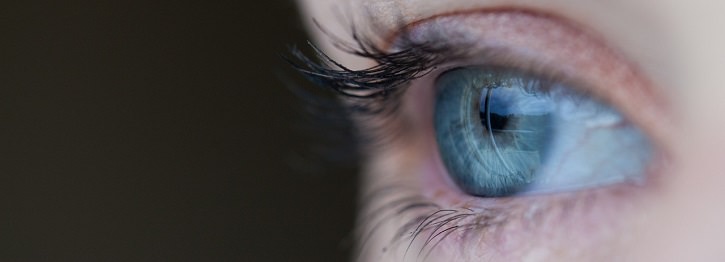
Health Guide: How to Preserve the Health of Your Eyes
Presbyopia - The loss of the ability to see close objects or small print. This is a natural process that happens to everyone. It’s only noticeable after the age of 40, and is fairly easy to correct with reading glasses. Prescriptions for them are not needed in most instances, and they can be bought over the counter at a pharmacy. 
 
 Floaters -  These are the tiny spots that often float in your line of vision. They don’t usually cause any harm and are fairly normal. If they are accompanied by flashes, this indicates a more serious problem and you should go to an ophthalmologist.

Dry eyes - This is when your tear glands are not producing quality tears, causing uncomfortable itching and burning. This condition can be caused by medication, contacts, weather conditions or hormonal changes. A doctor might recommend using a humidifier or artificial tears, having plugs placed in the tear ducts to lessen tear drainage, or Lipiflow, a new procedure using heat and pressure. 
 
Tearing -The opposite of dry eyes, you might experience an excess of tears. Often light sensitivity, wind, and temperature changes affect the eyes. Sometimes tearing can be prevented by wearing sunglasses. It might also indicate a more serious condition like a blocked tear duct or an infection. In both cases, a doctor can help treat this problem. 
 
Eyelid problems - The eyelid's job is to protect the eye, distribute tears and control the amount of light entering it. Sometimes they droop, have blinking spasms, develop sties, or the outer edges near the eyelashes become inflamed. Eyelids might experience pain, itching, tearing and sensitivity to light. These problems can be treated with medication, proper cleaning or surgery. 
 
Cataracts - One of the most common eye problems associated with aging. Proteins in the eye can cluster and form a cloud over the lens. These formations cause no pain and usually do not alter vision. If they grow large or thick, they can block light from entering the eye. They can be removed with surgery. 
 
Glaucoma - A disease associated with increased eye pressure, which can damage the optic nerve and cause loss of vision. Glaucoma can be treated with prescription eye drops or surgery. Because there are no symptoms or initial pain, it's important to have your eyes regularly checked by an eye doctor, despite it being a less common eye condition.
 
Corneal diseases - The cornea is the dome-shaped front of the eye, which helps transmit and focus light. The cornea can become damaged by disease, infection, injury and exposure to toxic agents. The eye will become red, watery, and experience pain. One might also have reduced vision and experience the halo effect. Corneal disease can be treated with medicated eye drops, prescription glasses or by surgery. 
 
Conjunctivitis (Pink Eye) - This is when the tissue lining the eyelids and covering the cornea becomes inflamed. The eye becomes red, itches, burns, tears and has discharge. Sometimes it feels as if something is in the eye. Conjunctivitis is caused by infection, exposure to chemicals or irritants and allergies. It can be treated with medicated drops, warm compresses or lubricating drops to make the eye more comfortable.

Retinal disorders - The retina is the layer of tissue at the back of the inner eye. It changes visual images into to nerve signals, which are sent to the brain. Diseases of the retina disrupt nerve signal transfer and can cause vision impairment. It’s important to have your eyes tested regularly to catch any problem early, receive treatment and prevent vision loss. 
 
Macular degeneration: loss of sharp central vision often associated with aging. 
 
Retinal detachment: the retina becomes separated from its supporting layers. 
 
Diabetic retinopathy: diabetes damages the blood vessels in the retina.

Eye Care Tips 
 
1. Visit the eye doctor, even if you have good vision
Part of good eye health is going to the eye doctor regularly. People who have good eyesight often neglect visiting the eye doctor. It’s important to regularly have your eyes inspected by an ophthalmologist so they can detect even slight changes in your eyes health. The health of your eyes connects to other systematic health issues. 
 
 2. Eat for good vision 
 The old saying that carrots are good for the eyes has some truth in it. Choosing foods high in antioxidants and nutrients lowers the risk for eye diseases. Choose foods rich in lutein, Omega-3 fatty acids, Vitamin C and E. The recommended foods are leafy greens, cold water fish, nuts, beans, eggs, soy, and fruit with dark skin (i.e. berries, cherries, grapes). Citrus fruits, avocado, broccoli, and tea are also healthy choices.

3. Protective eye wear 
Your eyes can easily be damaged by the sun and hazardous materials. Wearing sunglasses and protective goggles are a good start. If you wear glasses, you should get your lenses coated with an anti-reflective layer to minimize glare. UV rays also reflect off water, sand and snow, so it’s important to wear sunglasses if you're faced with these instances. Make sure your sunglasses protect against both UVA and UBV rays, and are ranked as category 2 at least.
 
4. Take your contacts out 
 Your eyes need exposure to oxygen. If you wear contacts during the day, make sure it is for no more than 19 hours. Wearing them longer can cause eye irritation and dryness. 
 
5. Good rules for computer (and other) screen time
If you spend a lot of your day looking at a computer screen, employ the 20-20-20 rule. Rest your eyes every 20 minutes, looking 20 feet (6 meters) in front of you for 20 seconds. It’s also a good idea to make sure your eyes are level with the screen, and that you are blinking often. People blink less when they are staring at a computer screen.

6. Remove eye makeup  
Wearing mascara, eye liner and eye shadow can clog up the pores around your eyes. This can cause eye irritation and sties. A good idea is to keep makeup wipes next to your bed so that you don’t forget to wipe off your makeup before bed. 
 
7. Control the air environment 
Many offices and homes have dry air and this can irritate the eye and cause dryness. Installing a humidifier can solve this problem. A more organic way to release moisture into the air is by placing bowls of water around a room.


This is only for your information, kindly take the advice of your doctor for medicines, exercises and so on.   


Labels: , , , , , , , , , , , ,

Wednesday, June 08, 2022

10 Reasons Your Eyes are Bloodshot

While red eyes may have people questioning your health, wondering if you're sick or upset, bloodshot eyes can be the result of many things. However, very often, they are a sign of another problem, such as dry eyes, too little sleep or even overdoing it on certain eye drops. Below are 10 possible culprits and how you can fix them:

1. Your eyes are dry
bloodshot eyes
Dry eyes become irritated and inflamed. In fact, it's this inflammation that is causing the redness. This eye condition is especially common in adults over 50, but it tends to affect younger people who spend a lot of their time looking at screens. This occurs because we do not blink as much when looking at a monitor.  
 
Other symptoms: Burning, stinging, and a gritty sort of feeling, as though something is in your eye. 
 
What to do: Tears can moisten your eyes, reducing inflammation and easing the redness. To prevent the problem from occurring, blink more often, especially when you are in front of a screen. You should also adopt the 20-20-20 rule to help reset your blinks, reducing dry-eye issues. So for every 20 minutes you are in front of a screen, focus on something 20 feet away from you for 20 seconds. If your eyes are chronically dry, best see a doctor. They might prescribe eye drops that reduce dryness-related inflammation.

2. You have seasonal allergies
Pollen and grass may cause swelling and inflammation in the eyes, leading to redness. Allergies may also tend to make your eyes itchy. Consequently, you'll likely rub them more, leading to more inflammation and redness.  
 
Other symptoms: Itchiness, sneezing, congestion, and watery eyes. 
 
What to do: Apply a cold compress to your eyes for 15 minutes several times a day and consult your primary care doctor to figure out the best way to keep your allergies under control. They may recommend antihistamines, decreasing your body's response to allergens and easing inflammation. But as antihistamines may make your eyes dry, you may have to use artificial tears to prevent dryness and redness.  
 
3. You're taking certain medications
Besides antihistamines, sleeping pills, anti-anxiety medication and even pain relievers such as ibuprofen can cause dryness and redness. Furthermore, these medications can reduce blood flow to tissue in and around your eyes, making them dry and red.  
 
What to do: To get quick relief, opt for artificial tears. For long-term relief, talk with your doctor who prescribed the medication so that they may be able to adjust your dose, or offer an alternative prescription with fewer side effects.  
 
4. You haven't been getting enough sleep
When your body is lacking on sleep, your eyes are likely to appear bloodshot in the morning. Your eyes need to be closed for an extended period of time so that your tear layers may regenerate and replenish. Loss of tears leads to redness.  
 
Other symptoms: Squinting. Your eye muscles need to recharge over night and if they don't get the rest that they need, you'll have a harder time focusing on things both close up and far off. 
 
What to do: Artificial tears can help you re-moisturize your parched tear layers. Aim to get up to 7 or 8 hours of sleep, keeping dryness at bay. 
 
5. You're drinking too much
Alcohol causes your blood vessels to relax. Consequently, this allows more blood to flow through the vessels in your eyes so that they appear redder.  
 
Other symptoms: Headache, dehydration, nausea, and feeling like a wreck.  
 
What to do: Opt for an over-the-counter eye whitening drop like Visine. This constricts the blood vessels, which reduces blood flow to your eyes making them appear less red. The redness should dissipate within 15 minutes. With this in mind, you shouldn't go overboard with eye drops either - read on to discover more.  
 
6. You smoke or stay near people that do
Cigarette smoke causes the blood vessels in your eyes to constrict, drying out the surface of your eyes. When your body senses the dryness and lack of blood flow, it tries to compensate by dilating your blood vessels, causing more redness.  
 
Other symptoms: Dryness may occur in the short term. In the long-term, blood vessel constricting effects of smoking (or exposure to second hand smoke) can increase your risk for macular degeneration and cataracts, causing vision loss and even blindness.  
 
What to do: Ideally, take the steps you need to quit smoking. If not, seek fresh air - your eyes should clear within an hour.  
 
7. You have pink eye bloodshot eyes
bloodshot eyes
This is contagious and can easily spread from one eye to the other just by rubbing your eyes. This infection causes inflammation in and around your eye, making it appear red and swollen. 
 
Other symptoms: Itching or burning, watery eyes, mucus-like discharge, and sensitivity to light. 
 
What to do: Go to your doctor and get your eyes examined in order to determine whether your pink eye is viral or bacterial. If it's viral, the best thing to do is to wait it out - unfortunately this may take two to three weeks. If it's bacterial your doctor will likely prescribe antibiotic eye drops, soothing your symptoms within a couple of days.  
 
8. You just went swimming
The salt in ocean water will cause your eyes to dry, leading to redness. This may also occur in pools which contain chemicals like chlorine, killing off some of the good bacteria in your eyes, leading to irritation and redness.  
 
Other symptoms: Your eyes will likely feel irritated. 
 
What to do: Flush your eyes with a saline solution or artificial tears, washing out the irritating gunk and easing the redness. If you wore contacts while swimming, take them out and have them cleaned immediately. The next time you decide to take a swim wear goggles, keeping the salt and chemicals out of your eyes.  
 
9. You popped a blood vessel
bloodshot eyes
Popping a blood vessel can occur if you were straining, like coughing intensely, or if you slept in a weird position putting a lot of pressure on your eye. It may also occur if you've experienced some kind of trauma - such as getting punched or being in a car accident. When a blood vessel bursts, blood tends to get trapped under the surface of your eye causing a bright red splotch, turning the entire white of your eye blood red. While it may sound serious, it actually isn't.  
 
Other symptoms: Popped blood vessels don't hurt, though your eye might feel slightly heavy from the extra blood.  
 
What to do: This type of redness tends to go away by itself within a week. 
 
 10. You used eye whitening drops too many times
bloodshot eyes
Eye whitening drops can make your red eye problem worse. The drops work by constricting the blood vessels in your eyes, reducing blood flow. Furthermore, when you use drops on a regular basis, your body will adapt to the drops. When you stop, you end up getting a rebound effect where your blood vessels dilate, causing your eyes to look red.  
 
Other symptoms: Symptoms tend to vary depending on the underlying issue that's making your eyes red (see above).  
 
What to do: Use eye whitening drops once in a while, but refrain from using them every day for weeks at a time. If your symptoms of dry eyes persist, see a doctor to determine the real cause of redness.


This is only for your information, kindly take the advice of your doctor for medicines, exercises and so on.   

https://gscrochetdesigns.blogspot.com. one can see my crochet creations  
https://gseasyrecipes.blogspot.com. feel free to view for easy, simple and healthy recipes    
https://kneereplacement-stickclub.blogspot.com. for info on knee replacement


Labels: , , , , , , , , , ,

Wednesday, October 20, 2021

Flaxseed Oil - 7 Remarkable Health Benefits and Uses

Flaxseed oil is extracted from flaxseeds, which are tiny brown seeds that come from the Linum usitatissimum plant. Flaxseed oil can be consumed internally or used directly on the skin and hair. This therapeutic oil has several remarkable benefits ranging from shiny and healthy hair to a decreased risk of serious diseases like cancer and cardiovascular issues. Find out why flaxseed oil deserves a place in your home and learn several ways to use it.

What Is Flaxseed Oil?
Flaxseed Oil bottle near a bowl of flaxseeds
Flaxseed oil is also called linseed oil or flax oil, and it is produced by grounding up and pressing the natural oils out of the seeds. Flaxseeds are real little miracle workers praised for their extraordinary health benefits, so it’s not surprising that the plant oil extracted from them has several healthy uses as well. This nutrient-packed oil is rich in many beneficial compounds, namely: 
 
Plant proteins Fiber 
 
Omega-3 fatty acids 
 
Phenolic compounds (lignans) 
 
Calcium 
 
Magnesium. 
 
In fact, just one tablespoon is more than enough to meet the daily recommended dose of omega-3 fatty acids, as it contains 7,196 mg of alpha-linolenic acid (ALA), a form of omega-3. As you may or may not know, omega-3 fats are essential for heart and brain health, and these oils are probably why flaxseed oil has a marked anti-inflammatory effect. 
 
A meta-analysis of multiple human studies suggested that flax oil reduces the levels of an inflammation marker called C-reactive protein in some participants. Reducing the level of inflammation in the body, in turn, is crucial for anyone suffering from any chronic pain or health issue. Read on to learn about the targeted ways flaxseed oil benefits one’s health.  
 
1. Improves Digestion
If you suffer from digestive upsets, flaxseed oil may be for you. For one, flaxseed oil can remedy both constipation and diarrhea. Taking flax oil daily can help promote regular bowel movements and may even reduce symptoms of irritable bowel syndrome (IBS). 
 
Research from 2012 found an improvement in IBS symptoms, including constipation and diarrhea, and another paper in hemodialysis patients confirmed that taking flaxseed oil daily relieved constipation while also acting as an antidiarrheal agent. So, if you’re suffering from IBS or just experiencing indigestion, taking flaxseed oil may help you find relief.

2. Benefits Heart Health
Scientists have known for a while that omega-3 fatty acids are essential for the heart, as they lower inflammation and blood pressure. Research investigating the effectiveness of various plant oils on blood pressure found that taking 1 tablespoon (15 ml) of flaxseed oil is superior to safflower oil in reducing blood pressure. 
 
In addition, there’s evidence that suggests that flaxseed oil improves the elasticity of arteries and lowers bad LDL cholesterol levels. Both of these factors increase the risk of heart disease. 
 
One issue is that not all omega-3s may be equally effective at being absorbed by the body and transformed into fatty acids our body can use. ​Alpha-linolenic acid present in flaxseed oil is absorbed by the body exceptionally well. It was shown to boost the level of naturally occurring omega-3s in the body, namely eicosapentaenoic acid (EPA) and docosahexaenoic acid (DHA). Both DHA and EPA are crucial for a healthy heart and blood vessels, and flaxseed oil is great at providing our body with these essential compounds. 
 
3. Promotes Hydrated and Healthy Skin
Alpha-linolenic acid (ALA) is an important antioxidant capable of reducing skin inflammation and promoting skin healing. Flaxseed oil is on the thicker side, so it’s especially beneficial for people who have very dry skin and can be applied on the skin to soften hardened skin on the knuckles, elbows, feet, and nail cuticles. Flaxseed oil coats and protects the skin from the elements, so it’s a good oil to apply on the hands and face when the weather is very cold and dry. 
 
Consuming flaxseed oil may be also beneficial for skin health. One study in women who took flaxseed oil for 3 months reported improvements in skin hydration, smoothness, and less irritation and sensitivity. Lastly, there’s also some limited evidence of flaxseed oil consumption improving atopic dermatitis, a variety of eczema that causes itchy and red skin. Only 3 weeks of daily flaxseed oil consumption reduced itching, redness, and swelling in mice suffering from the condition.

4. Hair Health
If your hair is looking dull, dry, or brittle, applying a tiny bit of flaxseed oil on clean dry strands may be able to hydrate and return the shine to your hair. In addition, the omega-3 fatty acids and proteins present in flax oil can nourish the hair follicles and reduce inflammation of the scalp. 
 
You can either apply a hot flaxseed oil hair mask before washing your hair or take flaxseed oil internally. Flaxseed oil can improve hair and scalp health in the long run, helping you reduce problems like dandruff and an itchy scalp.


5. Reduces the Risk of Cancer
Flaxseed oil is rich in compounds called linoorbitides that have antioxidant and cancer-fighting properties. It also contains lignans - plant compounds known to reduce the risk of breast cancer. Several studies have confirmed that flaxseed oil may fight cancer cells from breast cancer, lung cancer, and colon cancer, but current research is limited to in-vitro and animal studies. Nevertheless, these findings are certainly promising, even if we’re not sure if these results translate to humans yet. 
 
6. Improves Dry Eyes
Dry eye syndrome (DES) is an increasingly common eye problem that makes your eyes feel tired, scratchy, and irritated. The condition occurs when there isn’t sufficient lubrication to the eyes, and it may even make you experience blurry vision. Those who suffer from dry eyes may not find that eyedrops improve their symptoms. 
 
Luckily, taking flaxseed oil internally seems to help the tear-producing glands in your eyes called meibomian glands increase the lubrication potential of your tears while also reducing inflammation and swelling on the surface of the eyes. Avoid applying flaxseed oil in or around the eye area - only consuming the oil internally can help the meibomian glands, and it will take a few weeks. 
 
7. Improves Menopause Symptoms Flaxseed Oil happy older woman
Women struggling with hot flashes and other menopause symptoms may benefit from taking flaxseed oil too. According to a 2015 study that included 140 women, taking the oil decreased the participants’ hot flashes and raised their overall quality of life. 
 
Researchers believe that this may be due to the presence of compounds called lignans in flax oil that have a weak estrogen effect. Interestingly, the same effect was not observed in studies of women taking flaxseeds, which is likely due to the fact that the oil is more concentrated in nutrients and plant compounds than whole seeds.


How to Use Flaxseed Oil 
Flaxseed oil has a yellow color and a mild, nutty smell similar to sesame seed oil. However, unlike sesame seed oil, flax oil shouldn’t be used in baking and high-heat cooking, as it may become ineffective. Flax oil is sold in opaque bottles to protect it from light exposure. Once opened, a bottle of flaxseed oil must be refrigerated. 
 
Flaxseed oil is incredibly versatile. Here are just a few ways you can use it at home:

Add flaxseed oil to any dish, e.g. to dress salads, prepare sauces, dips, or smoothies. Remember that just 1 tablespoon of the oil a day is more than enough for you to experience the benefits. Apply a few drops of flaxseed oil to the skin as a moisturizer. It works especially well for dry skin patches and tough skin on the elbows and knees. 
 
Warm flaxseed oil can be applied to the scalp and hair length as a calming, nourishing, and shine-enhancing hair mask. Simply apply it on dry hair before a wash day and leave for an hour. Then wash your hair as usual. 
 
Who Shouldn’t Use Flaxseed Oil?  
 
Before surgery or if you have a bleeding disorder: flaxseed oil can increase the risk of bleeding in some people, which is why it’s not recommended to take it for people with bleeding disorders and for 2 weeks before and after surgery. 
 
People who have low blood pressure, those who take medications for heart health and high blood pressure, blood sugar, or prescription medications that manipulate estrogen levels should talk to their doctor before taking flaxseed oil. 
 
Pregnant and breastfeeding women: Flaxseed oil may be dangerous for pregnancy and it’s not clear if it’s safe for children.

This is only for your information, kindly take the advice of your doctor for medicines, exercises and so on.   

https://gscrochetdesigns.blogspot.com. one can see my crochet creations  
https://gseasyrecipes.blogspot.com. feel free to view for easy, simple and healthy recipes    
https://kneereplacement-stickclub.blogspot.com. for info on knee replacement

Labels: , , , , , , , , , , ,