Tuesday, July 02, 2024

Why you should be eating flaxseeds everyday

That may sound hyperbolic, but it’s the truth: multiple well-conducted studies have found that eating flaxseeds has a number of benefits, among them improved digestion and improved heart health, as well as lower risk of certain cancers, obesity, and diabetes. Eating flaxseed might even ease menopausal symptoms, which—among its many other nuisances—can often include GI issues. But the appeal doesn't end there: Flaxseeds are so filled with nutrients that, recently, influencers have even been using them in DIY beauty treatments for their skin and hair. “This is Botox that you make at home,” one viral Tiktok proclaims. “And the best part is, it’s two ingredients: flaxseeds and water. It works as a natural shampoo as well.”

While comparing flaxseed to Botox might be a stretch, there’s no doubt that they do have many transformative properties, especially when ingested. But what exactly are flaxseeds, how should you use them, and how do they specifically benefit your health? Read on to find out what the experts recommend.

What are flaxseeds?

Flaxseed is exactly what it sounds like: the seed of a plant called flax. The seeds are very small—similar in size and shape to a sesame seed—and either golden or brown. And, here’s a fun fact: Humans have been growing the flax plant for thousands of years for its seeds, oil, and fibers; your favorite linen shirts are actually made from its fibrous stems.

What are the health benefits of eating flax?

Flaxseeds have a host of good-for-you compounds, among them fiber, lignans, and antioxidants, as well as vitamins and minerals like thiamine and magnesium. They’re also one of the few plant sources of all-important omega-3 fatty acids—an essential nutrient also found in fish oil that has been proven to help lower cholesterol and lower the risk of heart disease. “Flaxseeds are packed with nutrients often lacking in Americans' diets,” Scheinman says.

Aside from the obvious fact that all of the nutrients in flaxseeds are essential for our general health, the compounds in flaxseeds perform several specific functions as well. “Many of flaxseed’s benefits are related to how these compounds act in the digestive tract and interact with the gut microbiome,” explains April Panitz, a registered and certified dietary nutritionist at Amenta Nutrition. “Due to their fiber content, flaxseeds can reduce cholesterol and triglyceride levels in the blood by decreasing lipid reabsorption and increasing fat excretion in stool when eaten regularly.”

Flaxseeds for digestion

Flaxseeds' magical ability to reduce cholesterol and “increase fat excretion” is thanks to a very specific kind of fiber called “mucilaginous gum”—a gelatinous type of soluble fiber also found in seaweed and legumes. If you’ve ever soaked flaxseeds in water and noticed how slimy they get—as seen in the aforementioned Tiktok—that’s mucilaginous gum doing its job. When eaten, “this gel-forming soluble fiber can increase feelings of fullness and help with weight management,” says Panitz.

But the fun with fiber doesn’t stop there. “Flaxseed is also high in insoluble fiber content and can bulk up stool to make it move through the colon more quickly,” explains Panitz. “This is how it helps those who suffer from constipation or who have irregular bowel movements.”

All this fiber also means good things for the gut microbiome as well. “Flaxseed fiber can also feed beneficial gut bacteria,” says Panitz. “Along with its high amounts of ALA omega-3 fatty acids, it has been shown to alter the gut microbial composition to promote more good-for-you species of bacteria that help maintain and heal the gut lining, which in turn increases insulin sensitivity, slows the progression of diseases like cancer, and decreases inflammation.”

Lignans, which are also related to fiber and also only found in plants, are another super-beneficial compound. “When metabolized by gut bacteria the lignans found in flaxseed exert phytoestrogen effects that may reduce the risk of breast and ovarian cancers, endometriosis, and lessen mild menopausal symptoms like hot flashes and vaginal dryness,” says Pantiz. “These lignans are also a source of antioxidants which help to reduce damage from free radicals throughout the body.”

In other words, eating flaxseeds is not just a way to ensure excellent gut health, it’s a way to maintain and protect your wellbeing overall.

What’s the best way to eat flaxseeds?

Flaxseeds are incredibly easy to incorporate into your current diet, and you don’t even need to eat cup-fulls of them to reap the benefits. “Most of the health benefits of flax come from eating just one to two tablespoons a day, which is easy to do,” says Scheinman. “Flaxseeds are a great food to include in a longevity-focused diet.”

Aside from the obvious fact that all of the nutrients in flaxseeds are essential for our general health, the compounds in flaxseeds perform several specific functions as well. “Many of flaxseed’s benefits are related to how these compounds act in the digestive tract and interact with the gut microbiome,” explains April Panitz, a registered and certified dietary nutritionist at Amenta Nutrition. “Due to their fiber content, flaxseeds can reduce cholesterol and triglyceride levels in the blood by decreasing lipid reabsorption and increasing fat excretion in stool when eaten regularly.”

Flaxseeds for digestion

Flaxseeds' magical ability to reduce cholesterol and “increase fat excretion” is thanks to a very specific kind of fiber called “mucilaginous gum”—a gelatinous type of soluble fiber also found in seaweed and legumes. If you’ve ever soaked flaxseeds in water and noticed how slimy they get—as seen in the aforementioned Tiktok—that’s mucilaginous gum doing its job. When eaten, “this gel-forming soluble fiber can increase feelings of fullness and help with weight management,” says Panitz.

But the fun with fiber doesn’t stop there. “Flaxseed is also high in insoluble fiber content and can bulk up stool to make it move through the colon more quickly,” explains Panitz. “This is how it helps those who suffer from constipation or who have irregular bowel movements.”

All this fiber also means good things for the gut microbiome as well. “Flaxseed fiber can also feed beneficial gut bacteria,” says Panitz. “Along with its high amounts of ALA omega-3 fatty acids, it has been shown to alter the gut microbial composition to promote more good-for-you species of bacteria that help maintain and heal the gut lining, which in turn increases insulin sensitivity, slows the progression of diseases like cancer, and decreases inflammation.”

Lignans, which are also related to fiber and also only found in plants, are another super-beneficial compound. “When metabolized by gut bacteria the lignans found in flaxseed exert phytoestrogen effects that may reduce the risk of breast and ovarian cancers, endometriosis, and lessen mild menopausal symptoms like hot flashes and vaginal dryness,” says Pantiz. “These lignans are also a source of antioxidants which help to reduce damage from free radicals throughout the body.”

In other words, eating flaxseeds is not just a way to ensure excellent gut health, it’s a way to maintain and protect your wellbeing overall.

What’s the best way to eat flaxseeds?

Flaxseeds are incredibly easy to incorporate into your current diet, and you don’t even need to eat cup-fulls of them to reap the benefits. “Most of the health benefits of flax come from eating just one to two tablespoons a day, which is easy to do,” says Scheinman. “Flaxseeds are a great food to include in a longevity-focused diet.”


As for hair, applying a mixture of freshly ground flaxseed and water to your hair definitely won’t hurt, and it just might add some moisture and even promote hair growth. One recent study found that the lignans in flaxseed oil could “potentially be used as a treatment for alopecia,” while another earlier study found that omega 3 fatty acids stimulated hair growth when applied to the hair follicles of rodents.

However, there is one thing to note: because the molecules in flaxseed oil are larger than those of other oils, it might be challenging for the skin or scalp to absorb them fully. So, you’re probably better off eating your flaxseed instead of relying on topical application alone.

“While flaxseeds can produce some pretty awesome effects on the body, it’s important to remember that there isn’t just one food that will cure all of your ailments,” says Panitz. “Eating a variety of fruits, vegetables, whole grains, lean proteins, and healthy fats is still the best way to meet all of your nutrient needs and reduce disease risk.”

So, eat the rainbow and remember that flaxseeds are just one small part of the all-important whole. “Adding flaxseed can be the cherry on top of an already balanced diet,” Panitz explains.


This is only for your information, kindly take the advice of your doctor for medicines, exercises and so on.   

https://gscrochetdesigns.blogspot.com. one can see my crochet creations  
https://gseasyrecipes.blogspot.com. feel free to view for easy, simple and healthy recipes    
https://kneereplacement-stickclub.blogspot.com. for info on knee replacement
https://cancersupportindia.blogspot.com  for infor on cancer and health related topics
https://GSiyers home remedies.blogspot.com   is the latest addition to my blogs. I'm going to add posts there, do give me your valuable feed back on my blogs. Thanks a lot, take care, be healthy and be happy.


Labels: , , , , , , ,

Wednesday, October 20, 2021

Flaxseed Oil - 7 Remarkable Health Benefits and Uses

Flaxseed oil is extracted from flaxseeds, which are tiny brown seeds that come from the Linum usitatissimum plant. Flaxseed oil can be consumed internally or used directly on the skin and hair. This therapeutic oil has several remarkable benefits ranging from shiny and healthy hair to a decreased risk of serious diseases like cancer and cardiovascular issues. Find out why flaxseed oil deserves a place in your home and learn several ways to use it.

What Is Flaxseed Oil?
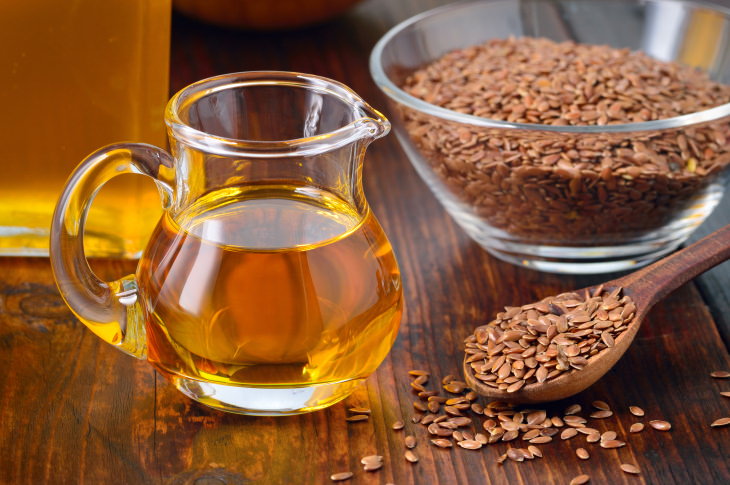
Flaxseed Oil bottle near a bowl of flaxseeds
Flaxseed oil is also called linseed oil or flax oil, and it is produced by grounding up and pressing the natural oils out of the seeds. Flaxseeds are real little miracle workers praised for their extraordinary health benefits, so it’s not surprising that the plant oil extracted from them has several healthy uses as well. This nutrient-packed oil is rich in many beneficial compounds, namely: 
 
Plant proteins Fiber 
 
Omega-3 fatty acids 
 
Phenolic compounds (lignans) 
 
Calcium 
 
Magnesium. 
 
In fact, just one tablespoon is more than enough to meet the daily recommended dose of omega-3 fatty acids, as it contains 7,196 mg of alpha-linolenic acid (ALA), a form of omega-3. As you may or may not know, omega-3 fats are essential for heart and brain health, and these oils are probably why flaxseed oil has a marked anti-inflammatory effect. 
 
A meta-analysis of multiple human studies suggested that flax oil reduces the levels of an inflammation marker called C-reactive protein in some participants. Reducing the level of inflammation in the body, in turn, is crucial for anyone suffering from any chronic pain or health issue. Read on to learn about the targeted ways flaxseed oil benefits one’s health.  
 
1. Improves Digestion
If you suffer from digestive upsets, flaxseed oil may be for you. For one, flaxseed oil can remedy both constipation and diarrhea. Taking flax oil daily can help promote regular bowel movements and may even reduce symptoms of irritable bowel syndrome (IBS). 
 
Research from 2012 found an improvement in IBS symptoms, including constipation and diarrhea, and another paper in hemodialysis patients confirmed that taking flaxseed oil daily relieved constipation while also acting as an antidiarrheal agent. So, if you’re suffering from IBS or just experiencing indigestion, taking flaxseed oil may help you find relief.

2. Benefits Heart Health
Scientists have known for a while that omega-3 fatty acids are essential for the heart, as they lower inflammation and blood pressure. Research investigating the effectiveness of various plant oils on blood pressure found that taking 1 tablespoon (15 ml) of flaxseed oil is superior to safflower oil in reducing blood pressure. 
 
In addition, there’s evidence that suggests that flaxseed oil improves the elasticity of arteries and lowers bad LDL cholesterol levels. Both of these factors increase the risk of heart disease. 
 
One issue is that not all omega-3s may be equally effective at being absorbed by the body and transformed into fatty acids our body can use. ​Alpha-linolenic acid present in flaxseed oil is absorbed by the body exceptionally well. It was shown to boost the level of naturally occurring omega-3s in the body, namely eicosapentaenoic acid (EPA) and docosahexaenoic acid (DHA). Both DHA and EPA are crucial for a healthy heart and blood vessels, and flaxseed oil is great at providing our body with these essential compounds. 
 
3. Promotes Hydrated and Healthy Skin
Alpha-linolenic acid (ALA) is an important antioxidant capable of reducing skin inflammation and promoting skin healing. Flaxseed oil is on the thicker side, so it’s especially beneficial for people who have very dry skin and can be applied on the skin to soften hardened skin on the knuckles, elbows, feet, and nail cuticles. Flaxseed oil coats and protects the skin from the elements, so it’s a good oil to apply on the hands and face when the weather is very cold and dry. 
 
Consuming flaxseed oil may be also beneficial for skin health. One study in women who took flaxseed oil for 3 months reported improvements in skin hydration, smoothness, and less irritation and sensitivity. Lastly, there’s also some limited evidence of flaxseed oil consumption improving atopic dermatitis, a variety of eczema that causes itchy and red skin. Only 3 weeks of daily flaxseed oil consumption reduced itching, redness, and swelling in mice suffering from the condition.

4. Hair Health
If your hair is looking dull, dry, or brittle, applying a tiny bit of flaxseed oil on clean dry strands may be able to hydrate and return the shine to your hair. In addition, the omega-3 fatty acids and proteins present in flax oil can nourish the hair follicles and reduce inflammation of the scalp. 
 
You can either apply a hot flaxseed oil hair mask before washing your hair or take flaxseed oil internally. Flaxseed oil can improve hair and scalp health in the long run, helping you reduce problems like dandruff and an itchy scalp.


5. Reduces the Risk of Cancer
Flaxseed oil is rich in compounds called linoorbitides that have antioxidant and cancer-fighting properties. It also contains lignans - plant compounds known to reduce the risk of breast cancer. Several studies have confirmed that flaxseed oil may fight cancer cells from breast cancer, lung cancer, and colon cancer, but current research is limited to in-vitro and animal studies. Nevertheless, these findings are certainly promising, even if we’re not sure if these results translate to humans yet. 
 
6. Improves Dry Eyes
Dry eye syndrome (DES) is an increasingly common eye problem that makes your eyes feel tired, scratchy, and irritated. The condition occurs when there isn’t sufficient lubrication to the eyes, and it may even make you experience blurry vision. Those who suffer from dry eyes may not find that eyedrops improve their symptoms. 
 
Luckily, taking flaxseed oil internally seems to help the tear-producing glands in your eyes called meibomian glands increase the lubrication potential of your tears while also reducing inflammation and swelling on the surface of the eyes. Avoid applying flaxseed oil in or around the eye area - only consuming the oil internally can help the meibomian glands, and it will take a few weeks. 
 
7. Improves Menopause Symptoms Flaxseed Oil happy older woman
Women struggling with hot flashes and other menopause symptoms may benefit from taking flaxseed oil too. According to a 2015 study that included 140 women, taking the oil decreased the participants’ hot flashes and raised their overall quality of life. 
 
Researchers believe that this may be due to the presence of compounds called lignans in flax oil that have a weak estrogen effect. Interestingly, the same effect was not observed in studies of women taking flaxseeds, which is likely due to the fact that the oil is more concentrated in nutrients and plant compounds than whole seeds.


How to Use Flaxseed Oil 
Flaxseed oil has a yellow color and a mild, nutty smell similar to sesame seed oil. However, unlike sesame seed oil, flax oil shouldn’t be used in baking and high-heat cooking, as it may become ineffective. Flax oil is sold in opaque bottles to protect it from light exposure. Once opened, a bottle of flaxseed oil must be refrigerated. 
 
Flaxseed oil is incredibly versatile. Here are just a few ways you can use it at home:

Add flaxseed oil to any dish, e.g. to dress salads, prepare sauces, dips, or smoothies. Remember that just 1 tablespoon of the oil a day is more than enough for you to experience the benefits. Apply a few drops of flaxseed oil to the skin as a moisturizer. It works especially well for dry skin patches and tough skin on the elbows and knees. 
 
Warm flaxseed oil can be applied to the scalp and hair length as a calming, nourishing, and shine-enhancing hair mask. Simply apply it on dry hair before a wash day and leave for an hour. Then wash your hair as usual. 
 
Who Shouldn’t Use Flaxseed Oil?  
 
Before surgery or if you have a bleeding disorder: flaxseed oil can increase the risk of bleeding in some people, which is why it’s not recommended to take it for people with bleeding disorders and for 2 weeks before and after surgery. 
 
People who have low blood pressure, those who take medications for heart health and high blood pressure, blood sugar, or prescription medications that manipulate estrogen levels should talk to their doctor before taking flaxseed oil. 
 
Pregnant and breastfeeding women: Flaxseed oil may be dangerous for pregnancy and it’s not clear if it’s safe for children.

This is only for your information, kindly take the advice of your doctor for medicines, exercises and so on.   

https://gscrochetdesigns.blogspot.com. one can see my crochet creations  
https://gseasyrecipes.blogspot.com. feel free to view for easy, simple and healthy recipes    
https://kneereplacement-stickclub.blogspot.com. for info on knee replacement

Labels: , , , , , , , , , , ,

Thursday, November 28, 2019

Surprising health benefits of flaxseeds and the best way to have them

Flax seeds are being used since ages for the numerous health benefits they provide. Recent researchers call tiny shiny seeds as ‘super-food’ due to the goodness they provide us with. If not chewed properly, flax seeds will not give you any health benefits and that is why many people prefer soaking and then having them. You can also grind the seeds and make a powder for easy consumption. To reap the health benefits you don’t need to consume a lot but just a teaspoon in a day.

The health benefits of this super-food are in abundance, here is a list of some of them:


Provides you with omega 3 fatty acids
Omega 3 cannot be made by our body and thus we need to take it from our diet. Omega 3 are the good fats have a healthy effect on your brain, heart and immunity. One tablespoon of ground flaxseed contains around 1.8 grams of plant Omega 3s.


Lignans
Lignans are the antioxidants that boost immunity and support digestion. They have both soluble and insoluble fibre and great for balancing the hormones in the body. You will be surprised to know that flax seeds contain 75 to 800 times more lignans than any other plant food. 


Fibre
Flax seeds swell up to nine times in our stomach. They are rich in both soluble and insoluble fibre that supports digestion and keeps you fuller for longer. The high fibre content of these tiny seeds make them perfect for weight loss.


Have a protective effect against some cancers
Some of the recent studies have suggested that flax seeds can have a protective effect against prostate cancer, breast cancer and colon cancer. The omega 3, ALA found in these seeds also inhibit tumour growth and incidence


The lignans in the seeds also help by blocking the enzymes and interfering with the growth and spread of tumour cells. 


Can help lower blood pressure

A Canadian study discovered that consuming 30 grams of flax seeds daily for six months lowered the diastolic and systolic blood pressure by 7 mm Hg and 10 mm Hg, respectively.


Another large scale study that took data from 11 studies found that consuming flax seeds daily for six months lowered the blood pressure by 2 mm Hg. And did you know 2 mm Hg reduction in blood pressure can reduce the risk of dying from stroke by 10 per cent and heart disease by 7 per cent?


Rich in protein
The protein in flax seeds is rich in amino acids arginine, aspartic acid and glutamic acid. Studies have found that protein in flax seeds improve immune function, lowered cholesterol, had anti-fungal properties and prevented tumours.


In a study of 21 adults, 11 were given animal protein and 10 were given plant protein, it was found that there was no difference in terms of appetite, satiety or food intake.


How to include flax seeds in your daily diet
You can mix them in yoghurt, sprinkle them on your fruits, put them in your smoothies, add them in your breakfast cereals, add the powdered form in your chapatti and bread or have a teaspoon alone.


this is only for your information, kindly take the advice of your doctor for medicines, exercises and so on.     
https://gscrochetdesigns.blogspot.com. one can see my crochet creations  
https://gseasyrecipes.blogspot.com. feel free to view for easy, simple and healthy recipes    
https://kneereplacement-stickclub.blogspot.com. for info on knee replacement


Labels: , , , , , , , , ,

Thursday, October 31, 2019

Flax Seeds Benefits: Different Health Perks Of The Crop

Flax is originally a fibre and food crop which grows in Asia, Europe and the Mediterranean. They are the golden yellow to reddish-brown seeds of flax which contain phytoestrogens as well as soluble fibre and oil. They are mostly rich in nutrients which provide various useful benefits to our body and health. They are also known to reduce undesirable fats in the blood and improve circulation. Here is the list of five most important health benefits of flaxseeds.

Health benefits of flaxseeds

1. High-quality protein
Flax seeds are often considered as a great source of plant-based protein which has various health benefits to the human body. They have a rich variety of amino acids and aspartic acid. It is proven to be good for our immune system. Flax seeds might be the answer to all your worries.

2. Digestive problems

Flaxseeds are known to be very effective for all digestive problems. They quickly heal mild digestive problems.  It includes bloating, gas, abdominal pain and nausea. It is best to start with small doses and work your way up to 1-2 tablespoons daily. You can also add it in your diet chart. They are also considered natural laxatives.

3. Versatile Ingredient

Flax seeds are often seen as a versatile ingredient. They can be also added to many of our day to day life food. Mixing them to yoghurt or dressing them on your salad can be a good idea. Adding them in fluids like water or to thicken your smoothies can also help your body to get cleansed.

4. Rich in nutrients

Flax seeds are an excellent source of nutrients. They contain a variety of nutrients that are helpful to our bodies. It has fibre, lignans and omega-3 fatty acids present inside them. They can reduce the level of free radicals inside our body and it can help us in better functioning.

this is only for your information, kindly take the advice of your doctor for medicines, exercises and so on.     
https://gscrochetdesigns.blogspot.com. one can see my crochet creations  
https://gseasyrecipes.blogspot.com. feel free to view for easy, simple and healthy recipes    
https://kneereplacement-stickclub.blogspot.com. for info on knee replacement


Labels: , , , , , , , ,