Sunday, March 22, 2026

Lower Blood Pressure in 10 MINUTES by Doing These Things

Hypertension is the plague of the century, and even completely healthy people can suffer from it, especially in hot weather, after physical activities or a stressful day. 

Adults who have reached their golden years are especially susceptible to high blood pressure, which often becomes a chronic condition that needs medical assistance. 

If you feel some of the following symptoms, you might have hypertension: 

Feeling tired, dizzy, lightheaded or confused 

Headaches 

Shortness of breath 

Blurry vision 

Heart pounding in the ear or limbs 

Irregular heartbeat 

Don’t run to the doctor just yet, though, simply try supplementing your medical regimen with one or a combination of a few of these very effective techniques. They are guaranteed to help you normalize your blood pressure in a flash. 

1. Face and Neck Massage
 
blood pressure lower exercises face massage

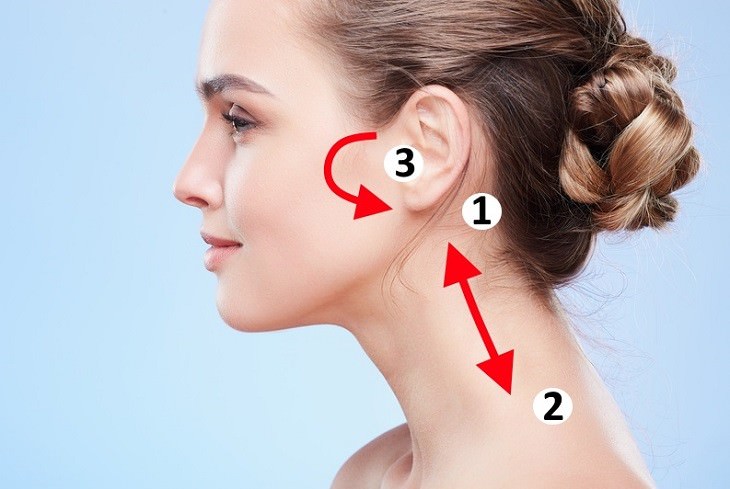
You need to know 3 points to be able to lower your blood pressure fast and effectively. 

Point #1 is located behind your earlobe (see the picture above). 

Point #2 is in near the center of your collar bone. Start massaging your neck using soft small downward movements along an imaginary line beginning at point 1 and ending at point 2. Repeat 10 times and don’t forget to repeat the same process on the other side. 

Point #3 lies on the side of your face approximately 0.5 cm away from your earlobe. Locate this spot on each side of your face and using your index fingers begin making circular counter-clockwise motions in this point for about a minute or two.

After massaging these points you should feel refreshed and relaxed, as this technique restores proper blood and lymph flow.

2. Yoga breath blood pressure lower exercises pranayama

This yoga technique is effective at controlling blood pressure and having an overall relaxing effect on the body as a result of deep abdominal breathing through only the left nostril. You will only need 5 minutes to do this exercise. 

Step 1. Sit in a comfortable position with a straight back. 

Step 2. Put the left hand on the top of your belly. 

Step 3. Close your right nostril using your right index finger or thumb and keep it that way. Inhale deeply through your left nostril, then hold your breath and count until 3 before finally exhaling. 

Step 4. Continue breathing deeply and slowly through your left nostril for about 5 minutes.

3. Soft calming music

There is some solid neuroscience research backing the idea that listening to certain kinds of music, such as classical, meditative or ambient can lower one’s blood pressure, especially if combined with meditation or mindfulness techniques. 

All of the above-mentioned styles of music have a few similar features that, as researchers believe, help reduce your blood pressure. 

These kinds of music: 

Have very few changes in volume or rhythm. 

Don’t have lyrics. 

Have loops, that is, parts of the song that are repeated at certain intervals. 

The right music has an overall calming effect on the human body because it can reduce the production of cortisol, the so-called stress hormone.

4. Drink a glass of water

This trick is especially useful to those who live in hot or humid climates. Did you know that hypertension can be caused as a result of dehydration? 

When your body loses more water than it should, the amount of blood in your vessels decreases. This makes your blood vessels constrict more in order to push around this lesser amount of blood, which can lead to hypertension. 

If you suspect that dehydration is the culprit behind your hypertension symptoms, sit down and slowly drink a glass of water. The blood volume will be normalized and you will feel much better.

5. Savasana ( Corpse pose)
 blood pressure lower exercises savasana


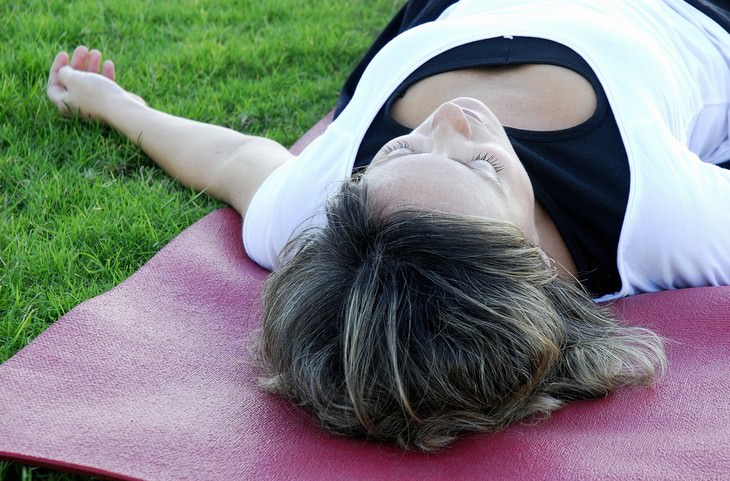
This yoga pose may look like nothing is going on and you’re just laying on the floor, but it is actually one of the best restorative exercises there is. It was used for centuries to reduce the heart rate and lower the blood pressure. 

To complete this exercise, do the following: 

Step 1. Lie down on your back, preferably with your back down on the mat or whatever other surface you’re laying on. 

Step 2. Relax your limbs completely, let your feet fall to your side, spread your arms as wide as you need and close your eyes. 

Step 3. Breathe in deeply, and as you breathe out powerfully, try to relax every single part of your body. 

Step 4. Continue breathing deeply and scanning through your entire body (starting with each of your limbs, then going up to the belly, heart, neck, and head) and relaxing each muscle and point of tension. 

Rest in Savasana for as long as you’d like, but a minimum of 10-15 minutes. Besides normalizing your blood pressure, this wonderful pose will also help you balance your hormones and nervous system.

6. Soaking your feet in hot water

To prevent stagnant blood accumulating in your head and neck, try soaking your feet in very hot water. The blood from your head will rush to your feet, and you will feel much better very fast. 

Do watch out and don’t burn your skin: the water should be hot, but tolerable. Fill up some kind of bucket or big bowl with water. Sit down and submerge your feet in the water for 10-15 minutes. That’s it!

7. Acupressure blood pressure lower exercises Acupressure.
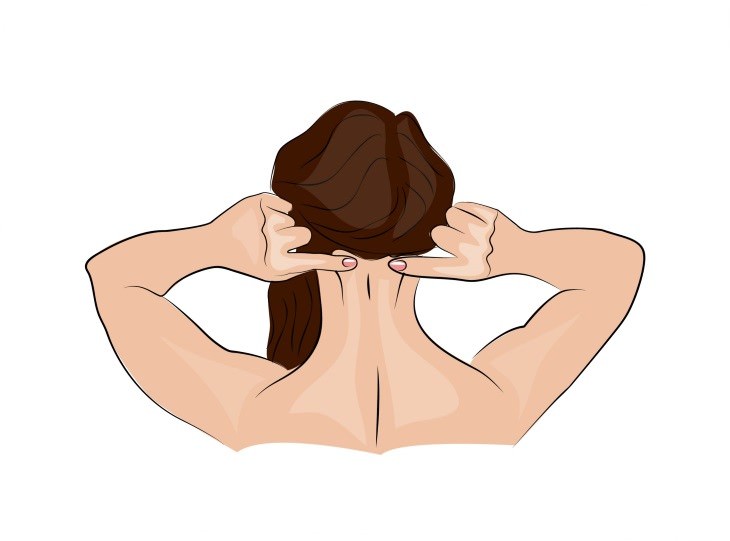
This pressure point called GB 20, or the Wind Pool, is the one most widely-used in acupressure for high blood pressure treatment. 

It is located right at the base of your skull, in the crevice on the side of the neck where the head meets the neck (see picture). The point is symmetrical, meaning there is one on both sides of your spine. 

Apply steady mild pressure with your thumbs on both points simultaneously for a few minutes until your headache starts to subside. Repeat when needed. 

8. Hissing Bee Breathing. 

If you suffer from headaches caused by hypertension, this is one of the most effective natural treatments. It’s called hissing bee breathing and it is part of the pranayama breathing exercises that may be familiar to those of you who know a thing or two about yoga. 

Step 1. Sit down in a comfortable position and a straight back. 

Step 2. Put both index fingers on the cartilage part of your ears. Take a deep breath in. 

Step 3. While exhaling, make a hissing sound similar to that of a bee, and press lightly on your ear cartilage. Repeat this exercise 7-10 times until you feel like your headache subsides significantly.


This is only for your information, kindly take the advice of your doctor for medicines, exercises and so on.   


Labels: , , , , , , ,

Wednesday, December 03, 2025

Lower Your Blood Pressure With This Sleep Habit

 New research suggests that going to bed at the same time every night may help reduce blood pressure and improve heart health.

High blood pressure affects nearly 120 million adults in the United States and contributes to more than 660,000 deaths annually. While medications and lifestyle changes like diet and exercise are standard treatments, a new study points to an unexpectedly simple strategy: maintaining a consistent bedtime.

What the Research Found 
Researchers recruited 11 participants with hypertension, aged 45 to 62, for a two-week study. Before the study began, participants' bedtimes varied by an average of 30 minutes from night to night. During the study period, they maintained a regular sleep schedule, reducing that variability to just seven minutes. 
 
The results were promising. Participants experienced an average reduction of 4 points in their systolic blood pressure (the top number) and 3 points in their diastolic blood pressure (the bottom number). More than half of the participants showed significant blood pressure reductions.

The decreases were primarily driven by lower nighttime systolic readings and overall diastolic measurements. According to the researchers, a 5-point reduction in nighttime blood pressure can lower cardiovascular event risks by more than 10%. 
 
The Science Behind It  
Why would something as simple as a regular bedtime affect blood pressure? Researchers believe that irregular sleep schedules disrupt the body's circadian rhythm, which regulates both sleep-wake cycles and cardiovascular function.

Blood pressure normally drops during nighttime sleep, a phenomenon known as "nocturnal dipping." People whose blood pressure doesn't dip adequately during sleep face higher cardiovascular risks. By maintaining a consistent sleep schedule, the body's natural rhythms function more effectively, allowing for proper blood pressure regulation.

Expert Perspectives  
Medical professionals not involved in the study found the results noteworthy despite the small sample size. 
 
Dr. Cheng-Han Chen, an interventional cardiologist at MemorialCare Saddleback Medical Center, called it "a useful study in that such a simple intervention can have such a significant impact." 
 
Dr. Brian Brady, a nephrologist at Stanford University, noted that while the trial was limited by its small size and non-randomized design, it "highlights potential for improving hypertension control through a low-cost, easily scalable intervention." 
 
However, some experts urged caution. Dr. Kin Yuen, a sleep medicine specialist at UC San Francisco, pointed out that blood pressure is influenced by numerous factors including evening activities, medications, and individual biological rhythms. She also noted that for people with insomnia tendencies, focusing too much on maintaining a sleep schedule might actually increase bedtime anxiety and worsen blood pressure.

Understanding High Blood Pressure 
High blood pressure, or hypertension, develops when the force of blood pushing through vessels is consistently too high, often because arteries have narrowed. It can develop over several years before symptoms appear, making it a silent but serious health threat. 
 
Several factors contribute to hypertension:  
 
Age and genetics: Risk increases after age 65, and some people are genetically predisposed to the condition. 
 
Lifestyle factors: Obesity, sedentary behavior, high sodium intake (more than 5 grams daily), and even moderate alcohol consumption can elevate blood pressure. 
 
Demographics: In the United States, Black individuals have higher rates of hypertension.

Left untreated, high blood pressure can lead to stroke, heart failure, arrhythmia, kidney disease, vision loss, and cognitive issues including dementia. As Dr. Nissi Suppogu, a cardiologist at MemorialCare Heart & Vascular Institute, explains: "Hypertension can damage the arteries and if untreated causes a lot of end organ damage including stroke, heart attack, heart failure, and kidney failure." 
 
Beyond Bedtime: Other Ways to Support Healthy Blood Pressure

While a consistent sleep schedule may help, managing blood pressure requires a comprehensive approach: 
 
Dietary changes: Consume 4 servings of fruit and 5 servings of vegetables daily, limit refined sugar, and reduce sodium intake. 
 
Weight management: Set realistic weight loss goals if needed. Physical activity: Regular exercise is crucial for cardiovascular health. 
 
Quality sleep habits: The American Heart Association now includes quality sleep as one of its "Life's Essential 8" health components. Better sleep doesn't just affect blood pressure—it improves heart health, aids weight management, enhances concentration and productivity, maximizes athletic performance, and helps with emotional regulation. 
 
To improve sleep quality, consider avoiding caffeine and alcohol in the evening and increasing exposure to sunlight during the day.

The Bottom Line  
 
While this study's small size and short duration mean larger randomized controlled trials are needed, the initial findings suggest that maintaining a regular bedtime could be a simple, low-risk addition to blood pressure management strategies. 
 
For the millions of Americans dealing with hypertension, this research offers hope that meaningful improvements might come not just from medication or major lifestyle overhauls, but from something as fundamental as going to bed at the same time each night. 
 
As Dr. Brady notes, "Blood pressure control is among the most well-accepted strategies for reducing patients' risk of developing kidney disease, heart disease, or suffering a stroke." If a consistent bedtime can contribute to that control, it's a strategy worth considering—and one that costs nothing to try.


This is only for your information, kindly take the advice of your doctor for medicines, exercises and so on.   


Labels: , , , , ,