Sunday, March 22, 2026

Lower Blood Pressure in 10 MINUTES by Doing These Things

Hypertension is the plague of the century, and even completely healthy people can suffer from it, especially in hot weather, after physical activities or a stressful day. 

Adults who have reached their golden years are especially susceptible to high blood pressure, which often becomes a chronic condition that needs medical assistance. 

If you feel some of the following symptoms, you might have hypertension: 

Feeling tired, dizzy, lightheaded or confused 

Headaches 

Shortness of breath 

Blurry vision 

Heart pounding in the ear or limbs 

Irregular heartbeat 

Don’t run to the doctor just yet, though, simply try supplementing your medical regimen with one or a combination of a few of these very effective techniques. They are guaranteed to help you normalize your blood pressure in a flash. 

1. Face and Neck Massage
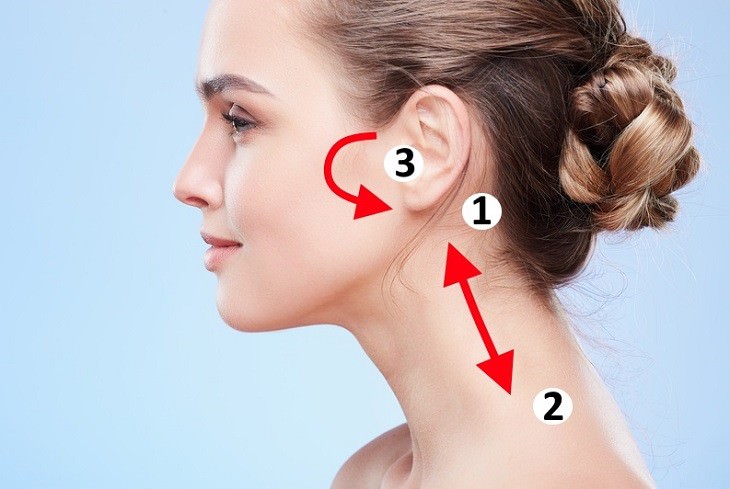
 
blood pressure lower exercises face massage

You need to know 3 points to be able to lower your blood pressure fast and effectively. 

Point #1 is located behind your earlobe (see the picture above). 

Point #2 is in near the center of your collar bone. Start massaging your neck using soft small downward movements along an imaginary line beginning at point 1 and ending at point 2. Repeat 10 times and don’t forget to repeat the same process on the other side. 

Point #3 lies on the side of your face approximately 0.5 cm away from your earlobe. Locate this spot on each side of your face and using your index fingers begin making circular counter-clockwise motions in this point for about a minute or two.

After massaging these points you should feel refreshed and relaxed, as this technique restores proper blood and lymph flow.

2. Yoga breath blood pressure lower exercises pranayama
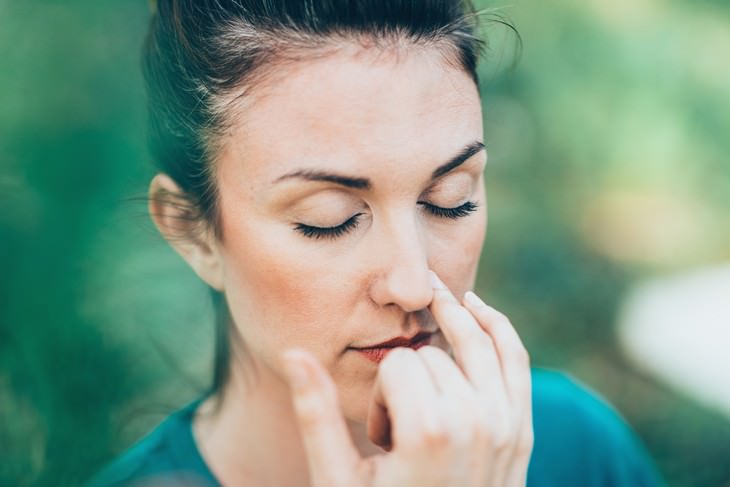
This yoga technique is effective at controlling blood pressure and having an overall relaxing effect on the body as a result of deep abdominal breathing through only the left nostril. You will only need 5 minutes to do this exercise. 

Step 1. Sit in a comfortable position with a straight back. 

Step 2. Put the left hand on the top of your belly. 

Step 3. Close your right nostril using your right index finger or thumb and keep it that way. Inhale deeply through your left nostril, then hold your breath and count until 3 before finally exhaling. 

Step 4. Continue breathing deeply and slowly through your left nostril for about 5 minutes.

3. Soft calming music

There is some solid neuroscience research backing the idea that listening to certain kinds of music, such as classical, meditative or ambient can lower one’s blood pressure, especially if combined with meditation or mindfulness techniques. 

All of the above-mentioned styles of music have a few similar features that, as researchers believe, help reduce your blood pressure. 

These kinds of music: 

Have very few changes in volume or rhythm. 

Don’t have lyrics. 

Have loops, that is, parts of the song that are repeated at certain intervals. 

The right music has an overall calming effect on the human body because it can reduce the production of cortisol, the so-called stress hormone.

4. Drink a glass of water

This trick is especially useful to those who live in hot or humid climates. Did you know that hypertension can be caused as a result of dehydration? 

When your body loses more water than it should, the amount of blood in your vessels decreases. This makes your blood vessels constrict more in order to push around this lesser amount of blood, which can lead to hypertension. 

If you suspect that dehydration is the culprit behind your hypertension symptoms, sit down and slowly drink a glass of water. The blood volume will be normalized and you will feel much better.

5. Savasana ( Corpse pose)
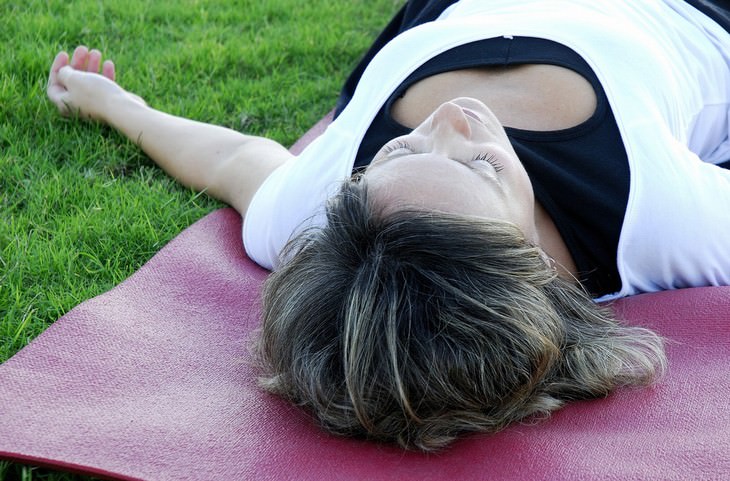
 blood pressure lower exercises savasana


This yoga pose may look like nothing is going on and you’re just laying on the floor, but it is actually one of the best restorative exercises there is. It was used for centuries to reduce the heart rate and lower the blood pressure. 

To complete this exercise, do the following: 

Step 1. Lie down on your back, preferably with your back down on the mat or whatever other surface you’re laying on. 

Step 2. Relax your limbs completely, let your feet fall to your side, spread your arms as wide as you need and close your eyes. 

Step 3. Breathe in deeply, and as you breathe out powerfully, try to relax every single part of your body. 

Step 4. Continue breathing deeply and scanning through your entire body (starting with each of your limbs, then going up to the belly, heart, neck, and head) and relaxing each muscle and point of tension. 

Rest in Savasana for as long as you’d like, but a minimum of 10-15 minutes. Besides normalizing your blood pressure, this wonderful pose will also help you balance your hormones and nervous system.

6. Soaking your feet in hot water

To prevent stagnant blood accumulating in your head and neck, try soaking your feet in very hot water. The blood from your head will rush to your feet, and you will feel much better very fast. 

Do watch out and don’t burn your skin: the water should be hot, but tolerable. Fill up some kind of bucket or big bowl with water. Sit down and submerge your feet in the water for 10-15 minutes. That’s it!

7. Acupressure blood pressure lower exercises Acupressure.
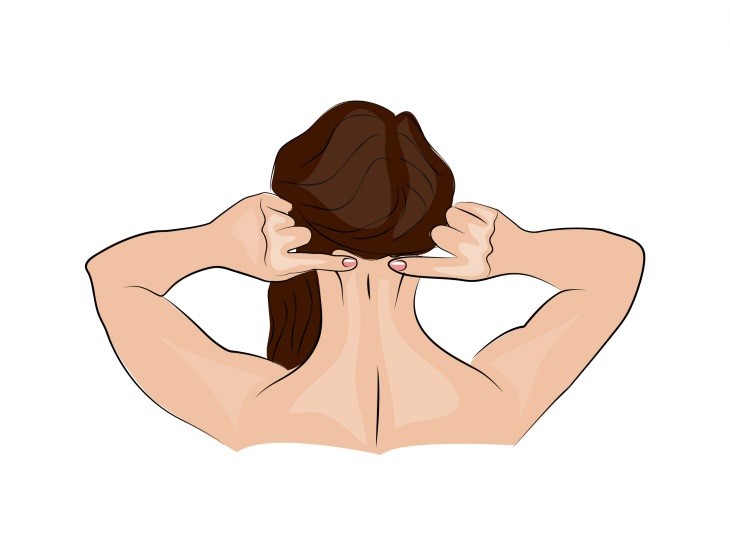
This pressure point called GB 20, or the Wind Pool, is the one most widely-used in acupressure for high blood pressure treatment. 

It is located right at the base of your skull, in the crevice on the side of the neck where the head meets the neck (see picture). The point is symmetrical, meaning there is one on both sides of your spine. 

Apply steady mild pressure with your thumbs on both points simultaneously for a few minutes until your headache starts to subside. Repeat when needed. 

8. Hissing Bee Breathing. 

If you suffer from headaches caused by hypertension, this is one of the most effective natural treatments. It’s called hissing bee breathing and it is part of the pranayama breathing exercises that may be familiar to those of you who know a thing or two about yoga. 

Step 1. Sit down in a comfortable position and a straight back. 

Step 2. Put both index fingers on the cartilage part of your ears. Take a deep breath in. 

Step 3. While exhaling, make a hissing sound similar to that of a bee, and press lightly on your ear cartilage. Repeat this exercise 7-10 times until you feel like your headache subsides significantly.


This is only for your information, kindly take the advice of your doctor for medicines, exercises and so on.   


Labels: , , , , , , ,

Thursday, September 25, 2025

Use This Method to Make Your Pains Disappear

 If you suffer from certain aches and pains, you may be able to get rid of them using reflexology and acupressure on yourself. By doing so, you’ll do away with waiting for doctor’s appointments or suffering in silence. 

If you’re thinking of acupuncture, then you’re right – the two do sound very similar and they actually work on the same principles too. The only difference is that with acupressure, there aren’t any needles to deal with – you apply pressure with your fingers to certain points of your body instead. 

On the other hand, reflexology is the use of therapeutic pressure massage on certain areas of our hands and feet.

massage points

These massages are designed to improve energy flow, relieve pain and optimize our health. Certain areas of our hands and feet correspond to specific areas of our bodies and even specific organs. The theory is that the root cause of pain in specific areas is usually due to a blockage of energy, which is preventing us from being healthy and vibrant. 
 
Here is a list of aches and pains that can be treated using acupressure and reflexology, at home or on the go:

For headaches and migraine
 
 massage points
 
Our fingertips (excluding our thumbs), with particular reference to the area at the base of the fingernails, can be massaged to relieve head pain. Do so by focusing on your index fingers, as well as the webbing between the thumbs and your index fingers. The latter is often referred to as the Valley of Harmony.


For Sinus pressure and pain
 massage points
 
 Turn your palms towards you and apply pressure to the pad of your finger (the part of your finger you use to type) using the thumb and index finger on your opposite hand. Hold the tip of each finger in turn for 1-3 minutes, lightly massaging when done. This will relieve sinus pain, headaches, dizziness, pressure, stuffy noses and congestion.


For Neck pain and tension
 massage points
 
Massage the middle part of each of your fingers in turn, and look at your fingers. While you’re doing so, think of your fingertips as your head – working your way down your fingers, therefore, is working your way down your neck and shoulders. 
 
 
For an Upset Stomach
 
massage points
Massage the entire length of your thumb, warming it up in the process. Once you’ve done so, apply direct pressure to the center of your palm using your warmed up thumb, holding it in place for a couple of minutes. 
 
 
For a Cold or Sore Throat
 
massage points
Massage the entire length of your thumb, warming it up in the process. Use the index finger and thumb of your opposite hand to apply pressure to either side of your thumbnail. 


For Fatigue

massage points

Start off by massaging your whole hand, then apply direct pressure to the point on your middle finger, as shown in the photo. 
 
 
For Menstrual Cramps or Abdominal Pain

massage points

Lightly massage your whole hand first. Apply direct pressure to the side of your nail on your index finger, doing so on the side that’s closest to your thumb. Once you’ve done that, move to the second location on your pinky finger, as shown in the picture. 
 
Additional tips  
1. Rub your hands together for one minute prior to starting any of these exercises to increase hand energy and sensitivity. Use the index finger and thumb on your opposite hand to gently massage and warm up the area to be worked on. 
 
2. The ever-present tip - “make sure you drink lots of water and stay hydrated” in beauty and health articles - is here too. Proper hydration allows for optimal tissue health and helps your body get rid of toxins. After all, our bodies are almost entirely made up of water. 
 
3. Avoid deep pressure to the web of the hand if you are pregnant.


This is only for your information, kindly take the advice of your doctor for medicines, exercises and so on.   


Labels: , , , , , , , ,

Wednesday, April 23, 2025

6 nervous system regulation techniques to relieve anxiety

Relax and rewind with the help of these six interventions designed to regulate your nervous system and relieve anxiety.

Anxiety is a mental health issue, so it makes sense that many of the most popular coping techniques revolve around soothing our brains. From mindfulness and meditation to some interventions taught in cognitive behavioural therapy (CBT), working to address the psychological root causes of anxiety is often the norm.

But as research into the link between the brain and the body develops, more experts are turning their attention towards physical interventions which could help to relieve anxiety. That’s the focus of a book by Karden Rabin and Jennifer Mann – nervous system regulation experts at Somia International – which outlines how we can tap into our mind-body connection to soothe anxiety and help instil a sense of calm. 

In The Secret Language Of The Body, the pair combine science-backed insights with hands-on techniques to provide a beginner-friendly introduction to concepts including polyvagal theory, somatic therapy and the benefits of nervous system regulation.

Intrigued? To find out more about how nervous system regulation can help us feel calmer and more in control, we asked Mann to share some of the physical interventions we can use to relieve anxiety. From grounding to hand-warming, here’s what she had to say. 

1. Physical anchoring

When you’re feeling anxious, it’s easy to get carried away by your thoughts and lose touch with the world around you. Physical anchoring is all about helping to redirect your thoughts to the present moment using your surroundings.

“For those experiencing anxiety symptoms like trembling legs, aching muscles or pins and needles, physical anchoring exercises can be instantly beneficial,” Mann says.

One way to do this is to sit comfortably on a chair and press your feet firmly into the floor, while focusing on the sensation of contact between your feet and the ground. “This physical connection to the floor can help to reduce your trembling by reinforcing bodily awareness and diverting attention away from your anxiety triggers, thereby easing the symptoms caused by them,” Mann explains. 

2. Shaking

It’s well known that physical exercise can help to relieve anxiety, but experts believe simply shaking our bodies can help to ease muscle tension and reduce stress as a result.

To get started, Mann recommends beginning by standing up and adopting a grounding stance. “Stand up and begin shaking your whole body, as if shaking water off your hands arms, legs and feet, for three minutes,” she says.

“This sensory-motor experience helps your muscles to release pent-up energy and activate the parasympathetic nervous system by sending a signal to your brain that the threat has now passed, and your muscles can relax – promoting a state of calm.”

While research into the benefits of shaking for anxiety relief are limited, there is evidence that muscle tremors – like those triggered during tension and trauma releasing exercises, or TRE – can help to release stress, anxiety and trauma.

3. Hand warming

 Another great technique you can use to distract yourself from anxious thoughts is hand warming – a form of mindfulness that helps you keep track of the sensations within your body.

“When experiencing symptoms like heart palpitations, chest pain and lightheadedness due to anxiety, a practice called ‘hand warming’ can be profoundly effective,” Mann says. “To get started, find a comfortable place to sit in and place your attention on the sensation of warmth traveling from your chest to your palms.

“Then, imagine a warm glow accompanying this feeling, emanating from the center of your chest, spreading slowly to your hands. This visualisation not only helps calm the nervous system but also reduces your physical symptoms of anxiety by promoting a sense of soothing and safety.” 

4. Vocalisations

Your voice is a powerful tool for soothing your vagus nerve – the wandering nerve that’s in control of your parasympathetic nervous system, which is responsible for placing your body in the ‘rest and digest’ state. Vocalisation techniques can help to stimulate the nerve and switch your body into a more relaxed state.  

“To try this, stand up, inhale and lift your arms over your head, and then exhale as you lower your arms back down while saying ‘aaaa’,” says Mann.

“Repeat this with all the vowels. This combined vocal and physical cue helps to rewire the rhythm of your breath, encouraging the activation of the parasympathetic nervous system, soothing anxiety and stabilising your breathing pattern.”

5. Acupressure 

Acupressure has been a part of Chinese medicine for centuries, and western doctors are only just beginning to cotton on to the potential benefits of this approach.

Research into the benefits of acupressure for anxiety has shown it could ease symptoms, with the stimulation of certain pressure points across the body said to be particularly beneficial.

“If you find yourself experiencing abdominal distress as a result of anxiety, engaging in an acupressure technique can be remarkably effective,” Mann explains.

Using your thumb, gently press the point located three finger-widths below your wrist on your inner forearm. This point is sometimes called the “Great Abyss”, Mann says. “You’ll know you found the right spot because you’ll feel the indent. Maintain gentle, steady pressure for up to 5 minutes while taking deep, slow breaths or humming out loud.”

6. Voo breath

‘Voo breathing’ is another form of vocalisation that combines breath-work and vagus nerve stimulation to create a calming effect.

“As someone who experienced anxiety her whole life, my personal favourite rapid relief practice of all is voo breathing,” Mann says. “In the moment you feel that rush of fear traveling through your limbs, that pang in your chest or that ‘belly drop’ feeling – do this. Inhale through your nose and for the event of the exhale say ‘Voooo’ while tapping the middle of your chest with your hand. Do this for up to five minutes.

“This not only diverts your brain away from fear and distress but also activates the vagus nerve, responsible for that calming effect throughout your body and mind.”    


This is only for your information, kindly take the advice of your doctor for medicines, exercises and so on.   


Labels: , , , , , ,