Saturday, August 09, 2025

Cleanse your Intestines with these 4 Ingredients

Many of us suffer from digestive problems that are harmful to our health, such as constipation, cramps, irritable bowel syndrome, and more. Despite the complexity and frustration that these problems cause, the solution for you is probably in a very close and accessible place - your kitchen. 
 
A healthy diet that helps remove toxins and intestinal parasites is a very effective tool for improving the quality of life of anyone with digestive problems, and if you experience them, you should try it out. A great way to get started is by using a special, simple drink to prepare you for a thorough cleanse of your digestive system using just four ingredients:
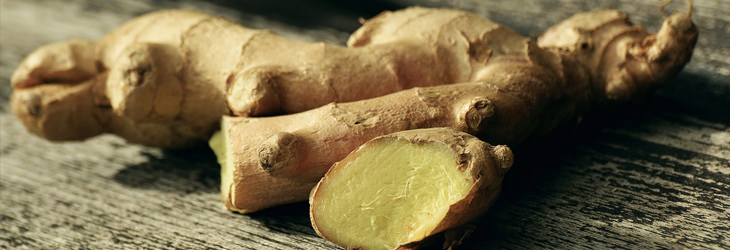
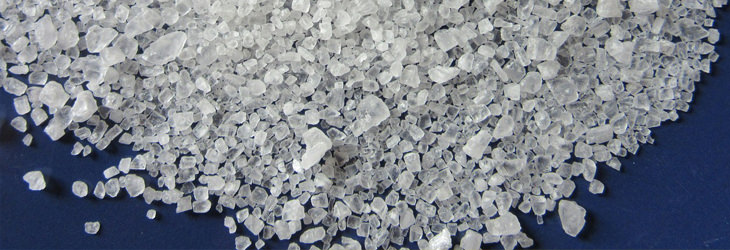
The four ingredients: apple, ginger, and lemon, with little sea salt 
 
Each of the ingredients in this drink has important functions in cleansing the intestines, which are outlined below. 
 
Here's what each ingredient does: 
 
Apple  
Apples provide the body with a very high amount of fiber, and specifically pectin fibers, which help clear the intestines when they pass through them, reduce cholesterol levels in the body and are considered anti-bacterial. In addition, apples are rich in minerals that are beneficial to our bodies’ health, and there’s even a detox diet that includes eating apples almost exclusively for five days. Of course, this is an extreme and far-fetched diet that could cause damage to the body and is not to be used, especially considering the awesome recipe below.


Ginger 
 detox drink
In India, ginger has been used for more than 5,000 years to cure various diseases, including digestive problems. Ginger increases the secretion of digestive juices and encourages the movement of the intestines, thus helping to release the excrement from the body along with the waste and toxins present in it. In addition, a study at the University of Michigan Medical School found that ginger intake helps reduce symptoms of colitis, which is considered a precursor of colon cancer.


Lemon  
 
Lemon contains many antioxidants and a high amount of vitamin C, which is soluble in water and therefore can pass easily in the intestines and destroy free radicals and various toxins - an ability that also makes the lemon effective in preventing intestinal cancer. In addition, its atomic structure is very similar to that of the chlorine hydrogen in our digestive juices, and it encourages the liver to produce bile - a fluid required for normal digestion processes. Drinking lemon water also has health benefits.
 
Sea salt 
 detox drink
Although you may doubt salt as a healthy ingredient, you should first know that most of the harmful salt we consume comes from processed food, and generally, there is nothing wrong with adding a little sea salt to food unless you have a medical problem and your doctor has instructed otherwise. Sea salt can release fluid retention, and adding it to this drink gives it the ability to contribute to the process of washing toxins from the intestines out of the body.

For recipe using these 4 ingredients, kindly see my recipe blog


This is only for your information, kindly take the advice of your doctor for medicines, exercises and so on.   


Labels: , , , , , , , ,

Thursday, October 03, 2024

This Antioxidant Makes Old Blood Vessels Young Again

According to new CU Boulder research, older adults who take a novel antioxidant that targets cellular powerhouses, or mitochondria, have seen the aging of their blood vessels reverse by the equivalent of 15-20 years within just six weeks. Antioxidants The study, published recently in the American Heart Association journal “Hypertension,” adds to a growing body of evidence that suggests that
pharmaceutical grade nutritional supplements could play a very important role in preventing heart disease – the nation’s No.1 killer. It also resurrects the idea that oral antioxidants, which have been largely dismissed as ineffective in recent years, could reap measurable health benefits if properly targeted.

Lead author Matthew Rossman, a postdoctoral researcher in the department of integrative physiology, says that “this is the first clinical trial to assess the impact of a mitochondrial-specific antioxidant on vascular function in humans. It suggests that therapies like this may hold real promise for reducing the risk of age-related cardiovascular disease.” 
 
For this study, Rossman and senior author Doug Seals, director of the Integrative Physiology of Aging Laboratory, recruited 20 healthy men and women, aged 60-79 from the Boulder area. 
 
Half of the participants took 20 milligrams per day of a commercially available supplement called MitoQ. It’s made by chemically altering the naturally-occurring antioxidant Coenzyme Q10 to make it cling to the mitochondria inside cells. The other half took a placebo. 
 
After a period of six weeks, the researchers assessed how well the lining of blood vessels, or the endothelium, functioned by measuring how much subjects’ arteries dilated with increased blood flow. 
 
Then, after a two week period of taking nothing, the two groups switched, with the placebo group taking the supplement, and vice versa. The tests were repeated.

The researchers observed that when taking the supplement, dilation of subjects’ arteries improved by 42%, making their blood vessels, at least by that measure, look like those of someone 15-20 years younger. An improvement of that magnitude, if sustained, is associated with around a 13% reduction in heart disease, Rossman said. The study also showed that the improvement in dilation was due to a reduction in oxidative stress. 
 
Those participants, who, under placebo conditions, had stiffer arteries – another indication of vascular dysfunction – supplementation was associated with reduced stiffness. 
 
Shedding New Light on Antioxidants 
Blood vessels grow stiff and have difficulty dilating with age largely as a result of oxidative stress – the excess production of metabolic byproducts called free radicals which can damage the endothelium and impair its functioning. When we are young, our bodies produce enough antioxidants to destroy those free radicals. However, as we age, the balance tips in the other direction, as mitochondria and other cellular processes produce excess free radicals and the body’s antioxidant defenses can’t keep up.

Oral antioxidant supplements such as vitamin C and vitamin E fell out of favor after a number of large studies found them to be ineffective.

This particular study breathes new life into the discredited theory that supplementing your diet with antioxidants can help to improve your health. It suggests that targeting a certain source – mitochondria – might be a much better way to decrease oxidative stress and improve cardiovascular health with aging.

This is only for your information, kindly take the advice of your doctor for medicines, exercises and so on.   

https://gscrochetdesigns.blogspot.com. one can see my crochet creations  
https://gseasyrecipes.blogspot.com. feel free to view for easy, simple and healthy recipes    
https://kneereplacement-stickclub.blogspot.com. for info on knee replacement
https://cancersupportindia.blogspot.com  for infor on cancer and health related topics
https://GSiyers home remedies.blogspot.com   is the latest addition to my blogs. I'm going to add posts there, do give me your valuable feed back on my blogs. Thanks a lot, take care, be healthy and be happy.

Labels: , , , , ,

Monday, October 11, 2021

Are New Variants Contributing To A Rise In Autoimmune Conditions Among Covid Patients?

As the world reels against the malicious Covid-19, there is still so much that is not known about the disease. Preliminary studies have shown that severe Covid-19 can trick the immune system into producing so-called auto antibodies that attack the healthy tissues in the body and lead to several complications. A Rheumatologist says, "one of the significant features of coronavirus is that it is able to activate the immune system in a number of different ways. In some cases, it can trigger autoimmune conditions autoimmune cytopenias, Guillain Barre Syndrome, etc."

What Leads To Autoimmune Disorders?

A Senior Dr., explains "COVID-19 triggers an autoimmune response and as a result, oxidative phosphorylation in the cells is increased and there is a higher release of free radicals."

Free radicals are reactive oxygen species that are associated with this low-grade chronic inflammation and there is decreased efficiency of small ordinary infect mitochondria in the cells. "All of this causes a late immune metabolic inflammatory change, and which results in unresolved immune cell defect. So, since it involves the entire body, there are various organs that are involved. It is not only the lungs where there is long-standing damage to the tiny air spaces in the alveoli, resulting in scar tissue but also in the heart, which leads to lasting damage to the heart muscles, and this may increase the risk of heart failure later. Since it is a systematic response across the body, it also impacts the brain and because of this chronic inflammation, chances of autoimmune diseases," he added.

Are New Variants Leading To An Increased Risk Of Autoimmune Diseases Among People Infected With The Virus?

According to a Dr., "We already know that viruses can abnormally stimulate the immune system of the persons, which can lead to the wrong identification of various organs of one's own body as a foreign particle and they start damaging the individual's organs, leading to complications and high mortality risk. Now, we have a more infectious and deadly virus, Covid-19 and its variants like Delta can trigger an autoimmune response very early in the course of the disease."

He further explained that after 5-7 days of getting infected with the coronavirus, the virus triggers a high autoimmune response in the body called a cytokine storm, which is an inflammatory response of the body against the infection. So, there is a change in the identification of the antigen and there is a mimicry of antigens, which means that some individuals become susceptible to autoimmune disorders. This means that antibodies that are formed target one's own body and depending on the type of antibody, it can damage various organs and different parts of the body.

"COVID-19 Delta variant has led to an increase in the autoimmune changes in the body. From the neurological perspective, one of the very first symptoms that have been described as a part of Covid-19 is loss of taste and smell. So, this happens most likely due to an immune-mediated inflammation of the nerve, which carries the temptation of smell to the brain. So, this is the first sign which means that this is an autoimmune-related disease which leads to loss of taste and smell," Dr. elaborated.

Autoimmune Conditions More Common In Covid Delta Patients

Further explaining the effect of Delta and Delta plus variant on Covid-induced autoimmune diseases, Dr.  said that there was much more extensive involvement of the nerves in patients infected with the Delta variant. "Even Alpha variant, which was identified last year, led to immune-mediated complications but Delta variant was very rampant and led to more autoimmune-related secondary diseases like Guillain Barre Syndrome (a disease that damages the nerve sheet that covers all the nerves of the body)."

"So, many patients who were infected with the Delta variant developed Guillain barre syndrome and had a difficult time initially but many of them who did not have pulmonary or lung or cardiac complications responded well to the standard treatment of this syndrome." A Dr. told us that some patients experienced the direct invasion of the virus into the brain, which led to encephalitis, which poses a high risk to life. But some patients developed delayed encephalitis, which could be autoimmune triggered encephalitis or encephalopathy, but they also have high mortality risk."

Severe Covid-19 can also trigger thrombogenicity, which is an autoimmune response when the blood becomes very thick and there is an increased tendency to form clots, leading to vasculitis symptoms like affecting the lungs, ARDS, renal complications, etc.

Even Vaccines Can Trigger An Autoimmune Response In People

While there is still no cure for COVID-19, vaccines were made available to control the surge of the virus. However, people did experience some side effects of the vaccines post-administration, but that should not be a cause of fear regarding the vaccines. "Vaccines tend to trigger an autoimmune response and that is how they work. But in some cases, it can lead to some immune-mediated complications and some patients might develop facial paralysis, Guillain barre syndrome, and encephalitis but the cases are rare. This happens in the case of an abnormal immune response from the patients who have received a vaccine."

"Covid-19 related autoimmune diseases are much more extensive, much more lethal and if they are identified early then the treatment in the form of aggressive immunomodulatory therapy, including intravenous globulin, plasma exchange and steroid can help the patients. Some of the patients did respond to these treatments, other patients had a very aggressive response to the Delta variant, which led to high mortality risk in these patients," he added.

So, not only does it lead to direct invasion of the virus but it also leads to damage to local narcosis. The immune triggered complications are responsible for high mortality rates among people infected with the Covid-19 Delta variant.

This is only for your information, kindly take the advice of your doctor for medicines, exercises and so on.   

https://gscrochetdesigns.blogspot.com. one can see my crochet creations  
https://gseasyrecipes.blogspot.com. feel free to view for easy, simple and healthy recipes    
https://kneereplacement-stickclub.blogspot.com. for info on knee replacement


Labels: , , , , , , ,

Monday, March 08, 2021

Reverse Heart Disease in 24 Days

When 53-year-old Betty White walked into hospital last year, she was a heart attack waiting to happen. She had artery-clogging LDL cholesterol levels of 190, a heart-thumping blood pressure of 180/100, a high blood sugar level of 150, and far too much stress in her life. She needed to start reversing heart disease immediately or face serious consequences.

This is what she did. Just a month later, her LDL had dropped 70 points, her blood pressure was down to 130/85, her blood sugar levels had decreased to 100, and she had decreased the stress in her life significantly. She had now slashed her risk of a heart attack in half. 
 
How did she do this? She did it with a simple approach that has been outlined below. Developed at the Duke Center for Integrative Medicine, the program combines the sharply-honed tools of American cardiology with natural remedies that include everything from exercise to green tea to dietary supplements.

The best part about this is that it’s so simple that you and your doctor can easily tailor it to your needs, cutting your risk of a heart attack by up to 60% - something that no drugs or surgery can do. 
 
Make the following changes each day, and in just 24 days, you can significantly slash your risk of heart disease. 
 
Day 1: Drink Green Tea

Green tea contains powerful antioxidants that reduce cholesterol and lower blood pressure. To make a day’s supply, bring 20 oz. of water to the boil, add three decaffeinated green tea bags, cover, and steep for 10 minutes. Remove the tea bags and refrigerate the tea. When cool, pour the tea into a bottle, and sip throughout the day. 
 
Day 2: Calculate Your Fat Budget 
You shouldn’t let fat exceed 25% of your calories. If you already have heart disease, 15-20% should be your maximum. You should make it a point to get lots of monounsaturated and omega-3 fats, while avoiding saturated and trans fats.

Day 3: Take the Italian Cure 
In the world of fat, olives rule supreme. Substitute olive oil for butter or margarine at the table, drizzle it on salads, and use it to replace vegetable oils when baking. Buy only cold-pressed, extra virgin oil; it retains more of the olive’s heart-healthy antioxidants.

Day 4: Rough up Your diet  
Studies have shown that the more fiber you consume, the less likely you are to have a heart attack. Therefore, you should load up on whole grain breads and cereals that contain whole wheat, oats, and wheat bran. Toss beans into casseroles, salads, and soups. You should aim for at least 25-35g of fiber per day. 
 
Day 5: Eat Fish Tonight
The saturated fat in meats will clog your arteries. On the other hand, fish such as salmon and anchovies are full of omega-3 fatty acids that can help your heart maintain a steady rhythm. Having just one serving of fish a week could reduce your risk of a heart attack by 52%. 
 
Day 6: Don’t Forget the Juice 
Orange juice contains folic acid that helps lower your levels of homocysteine, a compound that can cause heart attacks. Grape juice is full of flavonoids and resveratrol, both powerful antioxidants that may discourage red blood cells from sticking together and forming potentially dangerous clots. Have two glasses a day – one in the morning and one at lunch. 
 
Day 7: Linger in the Produce Aisle  
You should eat at least 9 servings of fruit and vegetables each day. You should place importance on cruciferous vegetables such as Brussels sprouts, kale, broccoli, and cabbage, which are all gold mines of antioxidants and other heart-saving phytochemicals. 
 
Day 8: Go Nuts 
Studies have found that those who eat more than 5 oz. of nuts a week are one-third less likely to suffer from heart disease or have a heart attack. 
 
Day 9: Change Your Bread Spread  
The trans fatty acids found in margarine and the saturated fats in butter will both clog up your arteries, so try one of the new spreads that contain cholesterol-lowering sterols such as Take Control or Benecol. They’re more expensive, but they can lower your cholesterol by 7-14%.
 
Day 10: Add Flax seed

Flax seed is one of the greatest sources of heart-healthy omega-3 fats. Studies have shown that adding flax seed to your diet can reduce the chances of developing heart disease by 46%, while also helping prevent red blood cells from forming clots that could block arteries. Sprinkle just two tablespoons of flax seed on your cereal or salad. 
 
Day 11: Have a Drink 
Research shows that 1-3 oz. of alcohol a day can significantly reduce your risk of a heart attack. Therefore, unless you have a problem with alcohol or high blood pressure, you can safely have one alcoholic drink a day. 
 
Day 12: Buy Soy  
Studies have shown that consuming protein helps to reduce cholesterol. Experiment with soy burgers, soy ice cream, soy milk, soy cheese, and even soy lunch meat. 
 
Day 13: Move 
Exercise, just a few hours a week, reduces the risk of a heart attack by up to 50% - more than the best cholesterol-lowering drug available. Pick an easy exercise such as walking, and begin to integrate two or three 15-minute workout intervals into your day. Once your body is used to this routine, work towards the optimal amount: 45 minutes, four or five times per week. 
 
Day 14: Experiment  
The best exercise is one that you’ll continue to do. Therefore, in addition to your regular workout, try something new just for a bit of fun. If you find something that you like, incorporate it into your daily routine. 
 
Day 15: Be Yourself 
One of the biggest causes of stress is trying to live in a way that does not match who you are. Ask yourself: Am I doing what I want to do? Am I meeting my needs? Every day, run a reality check on what you’ve done. If it turns out that your actions aren’t true to the kind of person you are, do your best to listen – and get real. 
 
Day 16: Practice Mindfulness

Practicing some type of meditation in which you focus awareness on the present moment and relax can reduce the effects of stress. Counter your stress by closing your eyes and quietly focus on your breathing for 5-10 minutes. 
 
Day 17: Build a Strong Spiritual Life 
Studies seem to indicate that those who meet with a faith community or attend church tend to live longer, and are less likely to suffer a heart attack. Therefore, get more involved in your religion, or develop your own traditions. Either way, sit down every day for 20 minutes, close your eyes, and focus on a particular word that you associate with something greater than yourself. 
 
Day 18: Get More People in Your Life 
A strong connection with friends, family, community, and God helps to reduce anxiety and fight depression – two factors that increase your risk of a heart attack. Therefore, you should try to make a lunch date with a good friend, arrange a family dinner, or visit your favorite place of worship. 
 
Day 19: Manage Your Anger 
Losing your temper can double your risk of a heart attack in the next 2 hours. If you lose yours, douse it by asking yourself: • Is what’s upsetting me really important? • Is the situation modifiable? • Is taking action worth it? • Is what I’m thinking and feeling appropriate? 
 
Day 20: Add Supplements 
Take a high-potency vitamin supplement with antioxidants. Research has found that those who take multivitamins regularly may decrease their risk of heart disease by 34%. You should choose supplements that contain a minimum of 400 micrograms of folic acid, 500mg of vitamin C, and no more than 50g of vitamin B6. 
 
Day 21: Give Free Radicals a Partner

Free radicals can cause untold damage to your body, but vitamin E seems to offer temporary protection by significantly reducing the damage that they do to your heart. Take 200 to 400 IU per day. 
 
Day 22: Grab Garlic Just one clove of garlic per day can reduce your risk of a heart attack in at least three ways. It discourages red blood cells from sticking together and forming artery-blocking clots, it reduces arterial damage, and it discourages cholesterol from lining the arteries.

Day 23: Increase Your Selenium  
Selenium is a powerful antioxidant that helps to reduce the tendency of the red blood cells to form life-threatening clots. It also balances the ratio between “good” and “bad “cholesterol, reducing your chances of a heart attack. Take 100mcg per day. 
 
Day 24: Top It Off with an Aspirin  
Studies show that one 81-mg aspirin per day reduces the risk of a heart attack by 30-50%. Therefore, unless you have a stomach issue or you’re allergic to aspirin, take one tablet a day with your food.


This is only for your information, kindly take the advice of your doctor for medicines, exercises and so on.     

https://gscrochetdesigns.blogspot.com. one can see my crochet creations  
https://gseasyrecipes.blogspot.com. feel free to view for easy, simple and healthy recipes    
https://kneereplacement-stickclub.blogspot.com. for info on knee replacement


Labels: , , , , , , , , , , , , , ,