Monday, March 08, 2021

Reverse Heart Disease in 24 Days

When 53-year-old Betty White walked into hospital last year, she was a heart attack waiting to happen. She had artery-clogging LDL cholesterol levels of 190, a heart-thumping blood pressure of 180/100, a high blood sugar level of 150, and far too much stress in her life. She needed to start reversing heart disease immediately or face serious consequences.

This is what she did. Just a month later, her LDL had dropped 70 points, her blood pressure was down to 130/85, her blood sugar levels had decreased to 100, and she had decreased the stress in her life significantly. She had now slashed her risk of a heart attack in half. 
 
How did she do this? She did it with a simple approach that has been outlined below. Developed at the Duke Center for Integrative Medicine, the program combines the sharply-honed tools of American cardiology with natural remedies that include everything from exercise to green tea to dietary supplements.

The best part about this is that it’s so simple that you and your doctor can easily tailor it to your needs, cutting your risk of a heart attack by up to 60% - something that no drugs or surgery can do. 
 
Make the following changes each day, and in just 24 days, you can significantly slash your risk of heart disease. 
 
Day 1: Drink Green Tea

Green tea contains powerful antioxidants that reduce cholesterol and lower blood pressure. To make a day’s supply, bring 20 oz. of water to the boil, add three decaffeinated green tea bags, cover, and steep for 10 minutes. Remove the tea bags and refrigerate the tea. When cool, pour the tea into a bottle, and sip throughout the day. 
 
Day 2: Calculate Your Fat Budget 
You shouldn’t let fat exceed 25% of your calories. If you already have heart disease, 15-20% should be your maximum. You should make it a point to get lots of monounsaturated and omega-3 fats, while avoiding saturated and trans fats.

Day 3: Take the Italian Cure 
In the world of fat, olives rule supreme. Substitute olive oil for butter or margarine at the table, drizzle it on salads, and use it to replace vegetable oils when baking. Buy only cold-pressed, extra virgin oil; it retains more of the olive’s heart-healthy antioxidants.

Day 4: Rough up Your diet  
Studies have shown that the more fiber you consume, the less likely you are to have a heart attack. Therefore, you should load up on whole grain breads and cereals that contain whole wheat, oats, and wheat bran. Toss beans into casseroles, salads, and soups. You should aim for at least 25-35g of fiber per day. 
 
Day 5: Eat Fish Tonight
The saturated fat in meats will clog your arteries. On the other hand, fish such as salmon and anchovies are full of omega-3 fatty acids that can help your heart maintain a steady rhythm. Having just one serving of fish a week could reduce your risk of a heart attack by 52%. 
 
Day 6: Don’t Forget the Juice 
Orange juice contains folic acid that helps lower your levels of homocysteine, a compound that can cause heart attacks. Grape juice is full of flavonoids and resveratrol, both powerful antioxidants that may discourage red blood cells from sticking together and forming potentially dangerous clots. Have two glasses a day – one in the morning and one at lunch. 
 
Day 7: Linger in the Produce Aisle  
You should eat at least 9 servings of fruit and vegetables each day. You should place importance on cruciferous vegetables such as Brussels sprouts, kale, broccoli, and cabbage, which are all gold mines of antioxidants and other heart-saving phytochemicals. 
 
Day 8: Go Nuts 
Studies have found that those who eat more than 5 oz. of nuts a week are one-third less likely to suffer from heart disease or have a heart attack. 
 
Day 9: Change Your Bread Spread  
The trans fatty acids found in margarine and the saturated fats in butter will both clog up your arteries, so try one of the new spreads that contain cholesterol-lowering sterols such as Take Control or Benecol. They’re more expensive, but they can lower your cholesterol by 7-14%.
 
Day 10: Add Flax seed
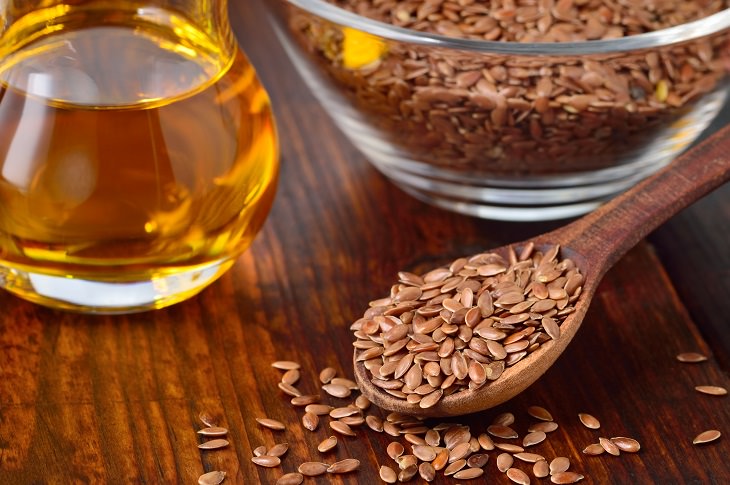
Flax seed is one of the greatest sources of heart-healthy omega-3 fats. Studies have shown that adding flax seed to your diet can reduce the chances of developing heart disease by 46%, while also helping prevent red blood cells from forming clots that could block arteries. Sprinkle just two tablespoons of flax seed on your cereal or salad. 
 
Day 11: Have a Drink 
Research shows that 1-3 oz. of alcohol a day can significantly reduce your risk of a heart attack. Therefore, unless you have a problem with alcohol or high blood pressure, you can safely have one alcoholic drink a day. 
 
Day 12: Buy Soy  
Studies have shown that consuming protein helps to reduce cholesterol. Experiment with soy burgers, soy ice cream, soy milk, soy cheese, and even soy lunch meat. 
 
Day 13: Move 
Exercise, just a few hours a week, reduces the risk of a heart attack by up to 50% - more than the best cholesterol-lowering drug available. Pick an easy exercise such as walking, and begin to integrate two or three 15-minute workout intervals into your day. Once your body is used to this routine, work towards the optimal amount: 45 minutes, four or five times per week. 
 
Day 14: Experiment  
The best exercise is one that you’ll continue to do. Therefore, in addition to your regular workout, try something new just for a bit of fun. If you find something that you like, incorporate it into your daily routine. 
 
Day 15: Be Yourself 
One of the biggest causes of stress is trying to live in a way that does not match who you are. Ask yourself: Am I doing what I want to do? Am I meeting my needs? Every day, run a reality check on what you’ve done. If it turns out that your actions aren’t true to the kind of person you are, do your best to listen – and get real. 
 
Day 16: Practice Mindfulness

Practicing some type of meditation in which you focus awareness on the present moment and relax can reduce the effects of stress. Counter your stress by closing your eyes and quietly focus on your breathing for 5-10 minutes. 
 
Day 17: Build a Strong Spiritual Life 
Studies seem to indicate that those who meet with a faith community or attend church tend to live longer, and are less likely to suffer a heart attack. Therefore, get more involved in your religion, or develop your own traditions. Either way, sit down every day for 20 minutes, close your eyes, and focus on a particular word that you associate with something greater than yourself. 
 
Day 18: Get More People in Your Life 
A strong connection with friends, family, community, and God helps to reduce anxiety and fight depression – two factors that increase your risk of a heart attack. Therefore, you should try to make a lunch date with a good friend, arrange a family dinner, or visit your favorite place of worship. 
 
Day 19: Manage Your Anger 
Losing your temper can double your risk of a heart attack in the next 2 hours. If you lose yours, douse it by asking yourself: • Is what’s upsetting me really important? • Is the situation modifiable? • Is taking action worth it? • Is what I’m thinking and feeling appropriate? 
 
Day 20: Add Supplements 
Take a high-potency vitamin supplement with antioxidants. Research has found that those who take multivitamins regularly may decrease their risk of heart disease by 34%. You should choose supplements that contain a minimum of 400 micrograms of folic acid, 500mg of vitamin C, and no more than 50g of vitamin B6. 
 
Day 21: Give Free Radicals a Partner
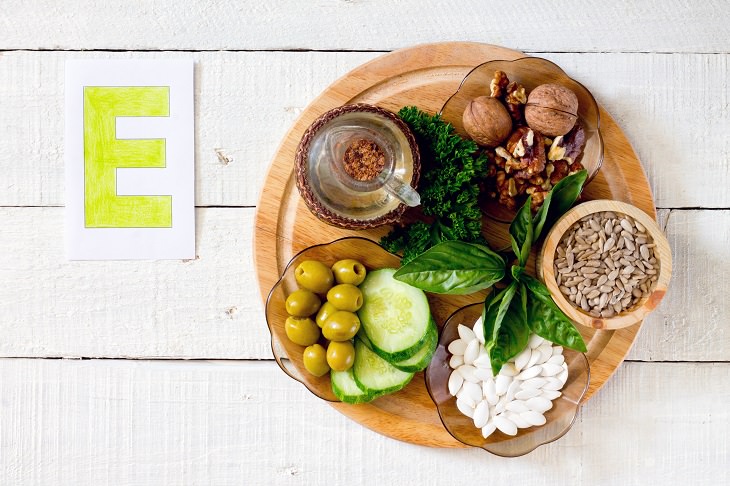
Free radicals can cause untold damage to your body, but vitamin E seems to offer temporary protection by significantly reducing the damage that they do to your heart. Take 200 to 400 IU per day. 
 
Day 22: Grab Garlic Just one clove of garlic per day can reduce your risk of a heart attack in at least three ways. It discourages red blood cells from sticking together and forming artery-blocking clots, it reduces arterial damage, and it discourages cholesterol from lining the arteries.

Day 23: Increase Your Selenium  
Selenium is a powerful antioxidant that helps to reduce the tendency of the red blood cells to form life-threatening clots. It also balances the ratio between “good” and “bad “cholesterol, reducing your chances of a heart attack. Take 100mcg per day. 
 
Day 24: Top It Off with an Aspirin  
Studies show that one 81-mg aspirin per day reduces the risk of a heart attack by 30-50%. Therefore, unless you have a stomach issue or you’re allergic to aspirin, take one tablet a day with your food.


This is only for your information, kindly take the advice of your doctor for medicines, exercises and so on.     

https://gscrochetdesigns.blogspot.com. one can see my crochet creations  
https://gseasyrecipes.blogspot.com. feel free to view for easy, simple and healthy recipes    
https://kneereplacement-stickclub.blogspot.com. for info on knee replacement


Labels: , , , , , , , , , , , , , ,

Tuesday, January 12, 2021

This Doctor Says Humans Actually Need 7 Kinds of Rest (and You're Probably Not Getting All of Them)Getting a solid eight hours of sleep isn't enough.

We're only a week into 2021 and we've already had a coup attempt, a rampaging new strain of Covid, a halting vaccine rollout, and even attack squirrels (murder hornets and meth alligators are so 2020). It does not appear we're in for a restful year. But even if the world makes it hard to relax, at least one doctor insists we all need to find a way to reset and recharge anyway. 

And that's more complicated than just switching off your brain and switching on Netflix every once in a while. 

In a new TED Ideas post, Saundra Dalton-Smith insists "we go through life thinking we've rested because we have gotten enough sleep -- but in reality we are missing out on the other types of rest we desperately need" and outlines the seven types of rest that are essential for human flourishing. 

1. Physical rest

This is the usual definition of rest we're all familiar with. But while we know we need to spend a decent number of hours in bed to stay healthy, a steady drumbeat of studies shows a large proportion of us still don't get enough physical rest

2. Mental rest 

Always have a tornado of thoughts swirling in your head from the moment you wake up to the moment you (finally) fall asleep? You need more mental rest, and even if you sleep a solid eight hours a night, you're not going to feel fully recharged until you get it. 

"The good news is you don't have to quit your job or go on vacation to fix this. Schedule short breaks to occur every two hours throughout your workday; these breaks can remind you to slow down. You might also keep a notepad by the bed to jot down any nagging thoughts that would keep you awake," suggests Dalton-Smith. 

3. Sensory rest

Staring at screens all day and all night means your eyes never get a proper rest, but this isn't the only reason many of us never give our senses a break. Noisy cities, pinging notifications, and blaring music all contribute to constant sensory stimulation. Your brain needs a rest now and again. Consciously close your eyes and give yourself the gift of silence for short periods throughout the day. 

4. Creative rest 

Inc.com and other sites are full of tips on how to be more creative, but just as important as striving to put out new ideas is remembering to pause and take in the building blocks out of which they're constructed -- awe, art, inspiring people, and time to let it all marinate

5. Emotional rest 

This "means having the time and space to freely express your feelings and cut back on people pleasing," Dalton-Smith explains. "Emotional rest also requires the courage to be authentic. An emotionally rested person can answer the question 'How are you today?' with a truthful 'I'm not okay' -- and then go on to share some hard things that otherwise go unsaid."

In other words, we all need the space to stop pretending for ourselves and others and get real about our feelings sometimes. 

6. Social rest 

Some people energize you. Others drain you (here's how to spot them). If you spend too much time with the latter type, you're going to need some emotional rest. 

7. Spiritual rest 

All humans, no matter their religious affiliation or lack thereof, have a need to feel connected to something larger than themselves. That's sometimes not easy to maintain in the middle of the minutiae of everyday life. The good news is science shows simple interventions can give you a quick dose of awe that should lead to measurable increases in well-being. 

So next time you think to yourself, "I'm tired," don't leave your complaint at that. Instead, dig a little deeper and try to identify just what sort of rest you're lacking exactly. Once you know what you're missing, you'll be in a much better place to figure out how to recharge effectively.

This is only for your information, kindly take the advice of your doctor for medicines, exercises and so on.     

https://gscrochetdesigns.blogspot.com. one can see my crochet creations  
https://gseasyrecipes.blogspot.com. feel free to view for easy, simple and healthy recipes    
https://kneereplacement-stickclub.blogspot.com. for info on knee replacement


Labels: , , , , , , ,

Tuesday, May 14, 2019

12 Natural Essential Oils for Pain Relief

What do you do when you are suffering from a migraine, or have pulled a muscle in your shoulder? How do you deal with a chronic condition like sciatica or arthritis, on a regular basis? When pain strikes, we will generally do just about anything and everything we can to get rid of that throbbing feeling, but while painkillers may seem like an obvious choice, swapping your meds for essential oils might be a wiser choice. 

How do essential oils work?  Essential oils are natural extracts from the core of a plant. They are produced as a by-product of photosynthesis (a process that converts light energy into chemical energy). Each extracted aromatic essence has its own unique chemical constituent, and each has its own specific therapeutic properties. When used correctly, the oils work to balance, harmonize and promote health of the body, mind and spirit. They work on a physiological, psychological and spiritual level, enhancing your innate healing process. 
The oils work on the mind and body in two ways:
Through inhalation:
Essential oils are volatile substances. When inhaled, the scent works its way up the nose, where thousands of receptors identify with its fragrant smell. At this point, the scent is processed by the limbic system in the brain (where emotional and psychological responses are processed) triggering a range of responses, from relaxing to stimulating.
Through skin absorption: Essential oils (usually blended with a base oil - more details below) can be rubbed onto the affected area. Upon application, the oils work their way through all the layers of the skin, and into the bloodstream.  
So, the next time you're in need of a little pain relief, opt for any of these 12 essential oils to help ease your aches and pains quickly. 
Disclaimer: Natural remedies should always be handled with care and essential oils are no exception to the rule. Essential oils should never be rubbed directly onto your skin, unless they have been diluted in a carrier oil (a cold pressed vegetable oil, such as coconut oil, sweet almond oil, avocado oil, olive oil, sesame oil, grapeseed oil or sunflower oil). 

Eucalyptus Essential Oil 
Properties:
• Anti-inflammatory
• Analgesic (pain killing) properties
Benefits:
• Eases sinuses.
• Treats a stuffy nose (due to a cold).
• Treats muscle aches, pains, strains and sprains.
• Helps alleviate nerve pain.
Use:
• Add 6 to 10 drops in a bath, diluted in 1 tablespoon milk or honey, dispersed in water.
• Add 12 drops to 1 fl. oz (30ml) carrier coil, then massage into the skin. 
Juniper Essential Oil 
Properties:
• Antispasmodic
• Anti-rheumatic effects (perfect for anyone with Rheumatoid Arthritis)
Benefits:
• Alleviates everyday aches and pains.
• May help with neuropathic pain.
• Incredibly invigorating.
• Inspires you to get things done if you're lacking motivation.
Use:
• Add 12 drops to 1fl. oz (30ml) carrier oil, massaging into the skin.
• Due to its invigorating properties, do not use at night.
Chamomile Essential Oil 
Properties:
• Anti-inflammatory
Benefits:
• Relieves PMS pain.
• Alleviates muscle pains.
• Aids headaches.
• Eases neuralgia (pain along the course of a nerve).
• Helps combat stress.
Use:
• Best used in a warm bath.
• Add 6 to 10 drops in a bath, diluted in 1 tablespoon milk or honey, dispersed in water.

Sandalwood Essential Oil 
Properties:
• Anti-inflammatory
Benefits:
• Must-have oil for dealing with muscle spasms.
• Soothes sciatica.
• Beneficial for lymph-node congestion.
• Supports digestive and cardiovascular system.
• Relieves minor skin irritations.
• Will help calm and relax you.
Use:
• 6 to 10 drops diluted with 1 tablespoon of milk or honey in a bath.
• Or, 12 drops to 1fl. oz (30ml) carrier oil and rub on affected area, when in pain.
• To open up a clogged lymphatic system, massage the diluted solution directly on to the spine in a slow, counter-clockwise movement toward the heart.
Lavender Essential Oil 
Properties:
• Antimicrobial
Benefits: 
• Melts away tension.
• Combats any muscle pain or tension.
• Helps deal with insomnia episodes.
Use:
• For some much needed pain relief combine with chamomile and/or sandalwood.
• Add 4 drops lavender, 4 drops chamomile and 4 drops sandalwood to 1fl. oz (30ml) carrier oil.
• The cheaper variations of lavender oil are usually mixed with fragrance - and will not work as well.
Rosemary Essential Oil 
Properties:
• Analgesic
• Antispasmodic
Benefits:
• Relieves muscle sprains and spasms.
• Eases joint pain.
• Headache relief.
Use:
• Dilute 12 drops to 1fl. oz (30ml) carrier oil.
• For headaches, apply dilution to a cotton ball and rub accordingly.
Thyme Essential Oil 
Properties:
• Antispasmodic
Benefits:
• Perfect for back spasms.
• Relieves general aches and pains.
Use:
• Due to its potent smell, apply 12 drops to 1fl. oz (30 ml) carrier oil, using a cotton ball.
Marjoram Essential Oil 
Properties:
• Sedative effects
Benefits:
• Relieves migraines.
• Perfect for muscle stiffness and soreness.
• Eases muscle spasms.
• Alleviates pain associated with arthritis.
Use:
• Most effective when diluted with a carrier oil [12 drops to 1 fl. oz (30ml)].
• Use in an aromatherapy diffuser by adding 5 drops to a burner.
• May be inhaled by adding 10 drops to 4fl. oz (100ml).
Wintergreen Essential Oil 
Properties:
• Analgesic
• Anti-inflammatory
• Antispasmodic
Benefits:
• Combats headaches.
• Eases back pain.
• Alleviates stiff joints.
Use:
• Rub on skin where necessary [12 drops to 1fl. oz (30ml) carrier oil].
Spruce Essential Oil 
Properties:
• A powerful immune system and adrenal glands stimulator.
Benefits:
• Reduces pain caused by arthritis.
• Eases lower back pain.
• Aids bone pain.
• Lessens pain associated with sciatica and Rheumatoid Arthritis.
Use:
• Use as an aromatherapy diffuser by adding 5 drops to a burner to help calm and center your mind.
• Rub by diluting 12 drops to 1fl. oz (30ml) carrier oil, to affected area.
Frankincense Essential Oil
Properties:
• One of the most powerful anti-inflammatory oils
Benefits:
• Perfect for dealing with day-to-day aches and pains associated with arthritis and migraines.
Use:
• Most effective when rubbed on the skin [dilute 12 drops to 1fl. oz (30ml) carrier oil].
• Inhale by adding the diluted blend onto a fabric cloth.

White Fir Essential Oil 
Properties:
• Anti-arthritic
• Analgesic
• Antiseptic
Benefits:
• Use on achy muscles (particularly after a workout).
Use:
• Massage directly onto muscle pain by diluting 12 drops to 1fl. oz (30ml) carrier oil.
Top Tips  Combinations tend to work better, though their smell can at times be a little overpowering. When combining oils together, be sure to get the right dosage. As a rule of thumb, bear in mind that you need to dilute 12 drops essential oil to 1fl. oz (30ml) carrier oil. Therefore, if combining two oils, add 6 drops of one oil and 6 of another. If using three essential oils, add four drops of each, and so forth.
• Get as much out of the oils as you possibly can by applying a hot compress to the affected area after the dilution has been massaged into your skin. The heat and moisture from the compress will help the oils penetrate your skin and enter the body.
• Use the oils two to four times a day, depending on the intensity of your pain. If using four times a day is not enough, seek medical advice.
• When purchasing essential oils, look out for oils that are all-natural and pesticide free.
THIS IS ONLY FOR INFORMATION, ALWAYS CONSULT YOU PHYSICIAN BEFORE HAVING ANY PARTICULAR FOOD/ MEDICATION/EXERCISE/OTHER REMEDIES.                                    PS- THOSE INTERESTED IN RECIPES ARE FREE TO  VIEW MY BLOG-                                                                                           https://gseasyrecipes.blogspot.com/    

                                                                                                                                                     FOR INFO ABOUT KNEE REPLACEMENT, YOU CAN VIEW MY BLOG-                                                  https:// kneereplacement-stickclub.blogspot.com/  

         
                   FOR CROCHET DESIGNS                                                                                                                                                                                                  https://gscrochetdesigns.blogspot.com   


Labels: , , , , , , , , , , , , , , ,