Saturday, March 01, 2025

How to Preserve the Health of Your Eyes

Your eyes are your windows to the world and key bodily components for interacting with it. As you age, you might experience some problems with them, just as many people do. Many eye conditions sound scary, however advancements in eye treatment have come a long way. Here is a list of the most common eye concerns, explained simply. I’ve also gathered some tips on how to improve your eye health in your day-to-day life, which you can see by scrolling down to the end.
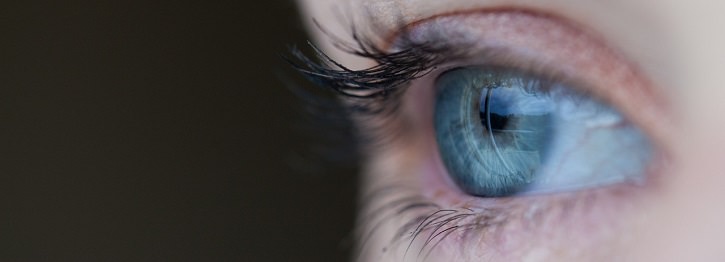
Health Guide: How to Preserve the Health of Your Eyes
Presbyopia - The loss of the ability to see close objects or small print. This is a natural process that happens to everyone. It’s only noticeable after the age of 40, and is fairly easy to correct with reading glasses. Prescriptions for them are not needed in most instances, and they can be bought over the counter at a pharmacy. 
 
 Floaters -  These are the tiny spots that often float in your line of vision. They don’t usually cause any harm and are fairly normal. If they are accompanied by flashes, this indicates a more serious problem and you should go to an ophthalmologist.

Dry eyes - This is when your tear glands are not producing quality tears, causing uncomfortable itching and burning. This condition can be caused by medication, contacts, weather conditions or hormonal changes. A doctor might recommend using a humidifier or artificial tears, having plugs placed in the tear ducts to lessen tear drainage, or Lipiflow, a new procedure using heat and pressure. 
 
Tearing -The opposite of dry eyes, you might experience an excess of tears. Often light sensitivity, wind, and temperature changes affect the eyes. Sometimes tearing can be prevented by wearing sunglasses. It might also indicate a more serious condition like a blocked tear duct or an infection. In both cases, a doctor can help treat this problem. 
 
Eyelid problems - The eyelid's job is to protect the eye, distribute tears and control the amount of light entering it. Sometimes they droop, have blinking spasms, develop sties, or the outer edges near the eyelashes become inflamed. Eyelids might experience pain, itching, tearing and sensitivity to light. These problems can be treated with medication, proper cleaning or surgery. 
 
Cataracts - One of the most common eye problems associated with aging. Proteins in the eye can cluster and form a cloud over the lens. These formations cause no pain and usually do not alter vision. If they grow large or thick, they can block light from entering the eye. They can be removed with surgery. 
 
Glaucoma - A disease associated with increased eye pressure, which can damage the optic nerve and cause loss of vision. Glaucoma can be treated with prescription eye drops or surgery. Because there are no symptoms or initial pain, it's important to have your eyes regularly checked by an eye doctor, despite it being a less common eye condition.
 
Corneal diseases - The cornea is the dome-shaped front of the eye, which helps transmit and focus light. The cornea can become damaged by disease, infection, injury and exposure to toxic agents. The eye will become red, watery, and experience pain. One might also have reduced vision and experience the halo effect. Corneal disease can be treated with medicated eye drops, prescription glasses or by surgery. 
 
Conjunctivitis (Pink Eye) - This is when the tissue lining the eyelids and covering the cornea becomes inflamed. The eye becomes red, itches, burns, tears and has discharge. Sometimes it feels as if something is in the eye. Conjunctivitis is caused by infection, exposure to chemicals or irritants and allergies. It can be treated with medicated drops, warm compresses or lubricating drops to make the eye more comfortable.

Retinal disorders - The retina is the layer of tissue at the back of the inner eye. It changes visual images into to nerve signals, which are sent to the brain. Diseases of the retina disrupt nerve signal transfer and can cause vision impairment. It’s important to have your eyes tested regularly to catch any problem early, receive treatment and prevent vision loss. 
 
Macular degeneration: loss of sharp central vision often associated with aging. 
 
Retinal detachment: the retina becomes separated from its supporting layers. 
 
Diabetic retinopathy: diabetes damages the blood vessels in the retina.

Eye Care Tips 
 
1. Visit the eye doctor, even if you have good vision
Part of good eye health is going to the eye doctor regularly. People who have good eyesight often neglect visiting the eye doctor. It’s important to regularly have your eyes inspected by an ophthalmologist so they can detect even slight changes in your eyes health. The health of your eyes connects to other systematic health issues. 
 
 2. Eat for good vision 
 The old saying that carrots are good for the eyes has some truth in it. Choosing foods high in antioxidants and nutrients lowers the risk for eye diseases. Choose foods rich in lutein, Omega-3 fatty acids, Vitamin C and E. The recommended foods are leafy greens, cold water fish, nuts, beans, eggs, soy, and fruit with dark skin (i.e. berries, cherries, grapes). Citrus fruits, avocado, broccoli, and tea are also healthy choices.

3. Protective eye wear 
Your eyes can easily be damaged by the sun and hazardous materials. Wearing sunglasses and protective goggles are a good start. If you wear glasses, you should get your lenses coated with an anti-reflective layer to minimize glare. UV rays also reflect off water, sand and snow, so it’s important to wear sunglasses if you're faced with these instances. Make sure your sunglasses protect against both UVA and UBV rays, and are ranked as category 2 at least.
 
4. Take your contacts out 
 Your eyes need exposure to oxygen. If you wear contacts during the day, make sure it is for no more than 19 hours. Wearing them longer can cause eye irritation and dryness. 
 
5. Good rules for computer (and other) screen time
If you spend a lot of your day looking at a computer screen, employ the 20-20-20 rule. Rest your eyes every 20 minutes, looking 20 feet (6 meters) in front of you for 20 seconds. It’s also a good idea to make sure your eyes are level with the screen, and that you are blinking often. People blink less when they are staring at a computer screen.

6. Remove eye makeup  
Wearing mascara, eye liner and eye shadow can clog up the pores around your eyes. This can cause eye irritation and sties. A good idea is to keep makeup wipes next to your bed so that you don’t forget to wipe off your makeup before bed. 
 
7. Control the air environment 
Many offices and homes have dry air and this can irritate the eye and cause dryness. Installing a humidifier can solve this problem. A more organic way to release moisture into the air is by placing bowls of water around a room.


This is only for your information, kindly take the advice of your doctor for medicines, exercises and so on.   


Labels: , , , , , , , , , , , ,

Monday, July 15, 2024

When Is an Eye Infection a Cause for Concern?

Eye infections are usually easy to spot because of persistent itching, apparent redness, and other bothersome symptoms. The tricky part is knowing to distinguish a simple case of pink eye from a dangerous eye infection that has the potential to cause permanent vision loss. The human eye is an extremely complex organ that consists of 10 general components, any of these parts can become the breeding ground for various germs - bacteria, viruses, and even fungi. 

While minor eye infections can heal on their own, others can inflict serious damage and need urgent medical care. In this article, we review 6 common types of eye infections and the signs of a dangerous eye infection. 


6 Common Types of Eye Infections 

Conjunctivitis

Eye Infections Conjunctivitis Also known as pink eye, conjunctivitis is the infection of the conjunctiva, a thin clear membrane that protects the eyelid. Pink eye is by far the most widespread and well-recognized eye infection. Most cases of pink eye are caused by viruses, but bacterial and allergic conjunctivitis are also common.


In most cases, conjunctivitis is easy to spot because it makes the eye turn pinkish and produces a viscous discharge that is the thickest when you wake up. The good news is, most cases of pink eye will go away on their own within days or a few weeks, although you may need to get antibiotic eye drops to clear up bacterial conjunctivitis.
 
Blepharitis 
 Blepharitis is an inflammation of your eyelids. It occurs when the tiny oil glands at the base of your lashes get clogged up. Patients with blepharitis experience burning in the eyes and they may notice dandruff-like flakes or crusts along the waterline and lashes. Blepharitis can also make your eyes sensitive to light and cause blurry vision. 
 
People with oily skin, dandruff, and rosacea are more likely to get this condition. Since most cases are bacterial, you’ll likely need special eye drops to recover from blepharitis. 
 
Styes and Chalazia
Eye Infections Stye
Both of these conditions affect the eyelids and look very similar, although a chalazion is a blocked oil gland and a stye is an infection of the eyelash follicle. The conditions appear as swelling or red bumps on the eyelids that are itchy and painful to the touch. 
 
Both styes and chalazia are usually not an emergency and can be treated at home by applying a clean, warm, damp compress to the affected eye for 20 minutes several times a day. It should disappear in about a week. However, some chalazia can grow so large that they limit your vision and may require surgical removal.
 
Keratitis 
Keratitis affects the cornea, a transparent domed membrane of the pupil and iris. Any type of germ, be it a virus, bacterium, fungi, or parasite can trigger keratitis, and the dangerous condition can cause lasting vision damage if ignored. Note: severe dry eye can also lead to keratitis.

Corneal infections are extremely painful and accompanied by redness, swelling, blurry vision, and light sensitivity. Keratitis is a medical emergency that requires urgent diagnosis and treatment. If you don’t treat keratitis, it will get worse and may lead to blindness. 
 
 
Uveitis
Eye Infections man with red eyes

Uveitis is an inflammation of the center of the eyeball - the uvea - that supplies blood to the retina, the part of your eye that perceives visual information. Eye injuries, viruses, and immune conditions like rheumatoid arthritis make you more likely to develop uveitis.
 
The condition causes light sensitivity, blurry vision, “floaters” in the visual field, and redness that can come and go. Uveitis doesn’t always cause pain - so it’s more likely to be reported later. If you experience any of these symptoms, seek medical help, as uveitis can damage vital tissues and cause blindness.


Endophthalmitis  
Our eyeballs are filled with two types of fluids that help maintain the shape of the eye. When those fluids become infected, a condition called endophthalmitis develops. This can happen as a result of eye injury or as a complication of eye surgery. Endophthalmitis is characterized by blurry vision, pain, redness in and around the eye, sensitivity to lights, and partial or complete vision loss. 
 
Since the condition can develop very fast, these symptoms shouldn’t be ignored and always requires urgent medical care to prevent blindness or vision loss. 
 
What are the common symptoms of an eye infection?
We have already outlined some of the main symptoms of eye infections above, but here is a concise list that may further help you. Note that symptoms can occur in both eyes or one eye only. We marked the signs that require emergency care as urgent. 
 
What you may feel: 
 
 Pain 
 
Itchiness 
 
Burning 
 
A feeling that there is something in your eye 
 
Light sensitivity 
 
Your eyelid is painful or tender when you touch it 
 
Fever 
 
Swollen lymph nodes on the neck.
 
What you may see
Your eyes produce more tears 
 
Yellow, clear, or green discharge 
 
Crustiness around the eyelashes or corner of the eye 
 
The "whites" of your eyes are pink or red 
 
Swollen or red eyelids 
 
Hypopyon - a yellow or greenish substance at the bottom of the iris (the colored part of the eye), (urgent) 
 
Cloudy cornea (urgent). 
 
 Changes in vision:
 
Blurry vision (urgent) 
 
“Floaters” in the visual field 
 
Vision loss (urgent).
 
 
What are the causes of an eye infection?
 
Contact lens wearers, smokers, and people with weakened immune systems have a higher risk of eye infections. 
 
The most common causes of eye infections are as follows
 
-Contaminated contact lenses - storing contacts improperly is one of the most common causes of eye infections ranging from pink eye to keratitis. The same can happen if you wear contacts too long or sleep in your contacts. 
 
- Eye injuries or complications of eye surgery, such as cataract removal. 
 
- Using expired or contaminated eye makeup. 
 
- Washing your face with contaminated water. 
 
- Not washing your hands after frequenting public spaces, especially restrooms. 
 
- Other people - you can get conjunctivitis by coming in contact with other people who have it. 
 
In summary, there are so many common eye infections most of us have never even heard of. While some of these infections - like styes or conjunctivitis - are no cause for concern and will go away on their own, others can develop very quickly and lead to permanent vision loss. If you experience blurry vision, severe pain, persistent redness, or vision loss, seek emergency care immediately.


This is only for your information, kindly take the advice of your doctor for medicines, exercises and so on.   

https://gscrochetdesigns.blogspot.com. one can see my crochet creations  
https://gseasyrecipes.blogspot.com. feel free to view for easy, simple and healthy recipes    
https://kneereplacement-stickclub.blogspot.com. for info on knee replacement
https://cancersupportindia.blogspot.com  for infor on cancer and health related topics
https://GSiyers home remedies.blogspot.com   is the latest addition to my blogs. I'm going to add posts there, do give me your valuable feed back on my blogs. Thanks a lot, take care, be healthy and be happy.

Labels: , , , , , , ,

Wednesday, November 10, 2021

Air pollution can play havoc with your eyes. Here’s how

Higher levels of air pollution in general can lead to eye conditions like conjunctivitis, eye irritation or dry eye.(Pixabay)                                                                   

As post Diwali air pollution continues to make news and raise concerns, it is important to safeguard ourselves from the side-effects of toxic pollutants that can cause respiratory disorders, lung cancer, brain or kidney damage and heart disease in long run. 

Higher levels of air pollution in general can lead to eye conditions like conjunctivitis, eye irritation or dry eye. Dry eye is a condition where your eyes don't produce enough tears to lubricate your eye.

"Effect of air pollution or eyes manifestation of air pollution can range from minimal symptoms to chronic discomfort and eye irritation. Common symptoms include itching, irritation, chronic discomfort, dry eye syndrome," says Dr Sheetal Ballal, consultant- Ophthalmology, Manipal Hospital, Old Airport Road.

Symptoms are higher among contact lens wearers. Poor air quality can accelerate pre-existing dry eye disease, she says.

Apart from the above-mentioned eye conditions, high levels of air pollution can also increase risk of age-related macular degeneration as the pollutants may enter bloodstream and damage the small blood vessels within the eye. Studies also suggest that pollution can increase our risk of developing an eye condition called glaucoma that can cause blindness.

Can pollution lead to permanent loss of vision?

There have been instances when people have lost their eyes due to eye allergies, one of the conditions that occur due to air pollution.

"Pollutants are very common causes for eye allergies and dry eyes. Disruption of protective atmospheric UV layer increases risk of retinal damage (ARMD) and visual loss. One of my young patients, an 18-year-old girl lost one eye permanently. She had developed eye allergies. She had shifted to Mumbai from her hometown. We had asked her to use steroid eye drops for 1 week and to follow up but she self-medicated and came after 6 months with glaucoma and permanent loss of vision in one eye," says Dr Sandeep Kataria, Consultant Opthalmologist, Wockhardt Hospital.

Moving away from the polluted environment can improve eye health and benefit people with eye allergies.

"I see patients’ eyes getting better when they go to their home town during summer vacations. That's a real powerful proof. I also saw a marked decrease in eye allergies during the covid lockdowns," he adds.


Protecting eyes from air pollution

Dr Kataria and Dr Ballal suggest ways to protect your precious eyes from the harmful effects of pollution

* Simple home remedies like frequent cold eye compresses reduce symptoms of eye allergies. 

* Switching to electric vehicles and solar energy are long term solutions to avoid pollution in general. 

* People wearing contact lenses should be more careful since they are more prone to develop additional eye problems. 

* Wear good quality protective glasses to prevent pollutants from entering the eye

* Avoiding outdoors when pollution is at high peak like early morning

* Avoiding contact lens use when air quality is poor washing hands frequently, avoiding rubbing eyes using lubricating eyedrops as prescribed by the eye doctor.

* Detailed eye check is recommended in case there is constant eye irritation.


This is only for your information, kindly take the advice of your doctor for medicines, exercises and so on.   

https://gscrochetdesigns.blogspot.com. one can see my crochet creations  
https://gseasyrecipes.blogspot.com. feel free to view for easy, simple and healthy recipes    
https://kneereplacement-stickclub.blogspot.com. for info on knee replacement

Labels: , , , , , , , , , , , ,

Sunday, October 24, 2021

Guide to Eye Infections - Types, Causes, Worrying Symptoms

Eye infections are usually easy to spot because of persistent itching, apparent redness, and other bothersome symptoms. The tricky part is knowing to distinguish a simple case of pink eye from a dangerous eye infection that has the potential to cause permanent vision loss. The human eye is an extremely complex organ that consists of 10 general components, any of these parts can become the breeding ground for various germs - bacteria, viruses, and even fungi.

While minor eye infections can heal on their own, others can inflict serious damage and need urgent medical care. In this article, we review 6 common types of eye infections and the signs of a dangerous eye infection.  
 
6 Common Types of Eye Infections 
 
Conjunctivitis  Eye Infections Conjunctivitis
Also known as pink eye, conjunctivitis is the infection of the conjunctiva, a thin clear membrane that protects the eyelid. Pink eye is by far the most widespread and well-recognized eye infection. Most cases of pink eye are caused by viruses, but bacterial and allergic conjunctivitis are also common. 
 
In most cases, conjunctivitis is easy to spot because it makes the eye turn pinkish and produces a viscous discharge that is the thickest when you wake up. The good news is, most cases of pink eye will go away on their own within days or a few weeks, although you may need to get antibiotic eye drops to clear up bacterial conjunctivitis.
 
Blepharitis 
Blepharitis is an inflammation of your eyelids. It occurs when the tiny oil glands at the base of your lashes get clogged up. Patients with blepharitis experience burning in the eyes and they may notice dandruff-like flakes or crusts along the waterline and lashes. Blepharitis can also make your eyes sensitive to light and cause blurry vision. 
 
People with oily skin, dandruff, and rosacea are more likely to get this condition. Since most cases are bacterial, you’ll likely need special eye drops to recover from blepharitis. 
 
Styes and Chalazia 
Eye Infections Stye
Both of these conditions affect the eyelids and look very similar, although a chalazion is a blocked oil gland and a stye is an infection of the eyelash follicle. The conditions appear as swelling or red bumps on the eyelids that are itchy and painful to the touch. 
 
Both styes and chalazia are usually not an emergency and can be treated at home by applying a clean, warm, damp compress to the affected eye for 20 minutes several times a day. It should disappear in about a week. However, some chalazia can grow so large that they limit your vision and may require surgical removal.

Keratitis  
Keratitis affects the cornea, a transparent domed membrane of the pupil and iris. Any type of germ, be it a virus, bacterium, fungi, or parasite can trigger keratitis, and the dangerous condition can cause lasting vision damage if ignored. Note: severe dry eye can also lead to keratitis. 
 
Corneal infections are extremely painful and accompanied by redness, swelling, blurry vision, and light sensitivity. Keratitis is a medical emergency that requires urgent diagnosis and treatment. If you don’t treat keratitis, it will get worse and may lead to blindness.  
 
Uveitis  Eye Infections man with red eyes
Uveitis is an inflammation of the center of the eyeball - the uvea - that supplies blood to the retina, the part of your eye that perceives visual information. Eye injuries, viruses, and immune conditions like rheumatoid arthritis make you more likely to develop uveitis. 
 
The condition causes light sensitivity, blurry vision, “floaters” in the visual field, and redness that can come and go. Uveitis doesn’t always cause pain - so it’s more likely to be reported later. If you experience any of these symptoms, seek medical help, as uveitis can damage vital tissues and cause blindness. 
 
Endophthalmitis 
Our eyeballs are filled with two types of fluids that help maintain the shape of the eye. When those fluids become infected, a condition called endophthalmitis develops. This can happen as a result of eye injury or as a complication of eye surgery. Endophthalmitis is characterized by blurry vision, pain, redness in and around the eye, sensitivity to lights, and partial or complete vision loss. 
 
Since the condition can develop very fast, these symptoms shouldn’t be ignored and always requires urgent medical care to prevent blindness or vision loss. 
 
What are the common symptoms of an eye infection?  
We have already outlined some of the main symptoms of eye infections above, but here is a concise list that may further help you. Note that symptoms can occur in both eyes or one eye only. We marked the signs that require emergency care as urgent.  
 
What you may feel: 
Pain 
 
Itchiness 
 
Burning 
 
A feeling that there is something in your eye 
 
Light sensitivity 
 
Your eyelid is painful or tender when you touch it 
 
Fever 
 
Swollen lymph nodes on the neck.  
 
What you may see: 
Your eyes produce more tears 
 
Yellow, clear, or green discharge 
 
Crustiness around the eyelashes or corner of the eye 
 
The "whites" of your eyes are pink or red 
 
Swollen or red eyelids 
 
Hypopyon - a yellow or greenish substance at the bottom of the iris (the colored part of the eye), (urgent) 
 
Cloudy cornea (urgent). 
 
Changes in vision: 
Blurry vision (urgent) 
 
“Floaters” in the visual field 
 
Vision loss (urgent). 
 
What are the causes of eye infections?
Eye Infections contact lenses
Contact lens wearers, smokers, and people with weakened immune systems have a higher risk of eye infections. The most common causes of eye infections are as follows: 
 
- Contaminated contact lenses - storing contacts improperly is one of the most common causes of eye infections ranging from pink eye to keratitis. The same can happen if you wear contacts too long or sleep in your contacts. 
 
- Eye injuries or complications of eye surgery, such as cataract removal. 
 
- Using expired or contaminated eye makeup.  
 
- Washing your face with contaminated water. 
 
- Not washing your hands after frequenting public spaces, especially restrooms. 
 
- Other people - you can get conjunctivitis by coming in contact with other people 
who have it. 
 
In summary, there are so many common eye infections most of us have never even heard of. While some of these infections - like styes or conjunctivitis - are no cause for concern and will go away on their own, others can develop very quickly and lead to permanent vision loss. If you experience blurry vision, severe pain, persistent redness, or vision loss, seek emergency care immediately.

This is only for your information, kindly take the advice of your doctor for medicines, exercises and so on.   

https://gscrochetdesigns.blogspot.com. one can see my crochet creations  
https://gseasyrecipes.blogspot.com. feel free to view for easy, simple and healthy recipes    
https://kneereplacement-stickclub.blogspot.com. for info on knee replacement


Labels: , , , , , , , , , , ,